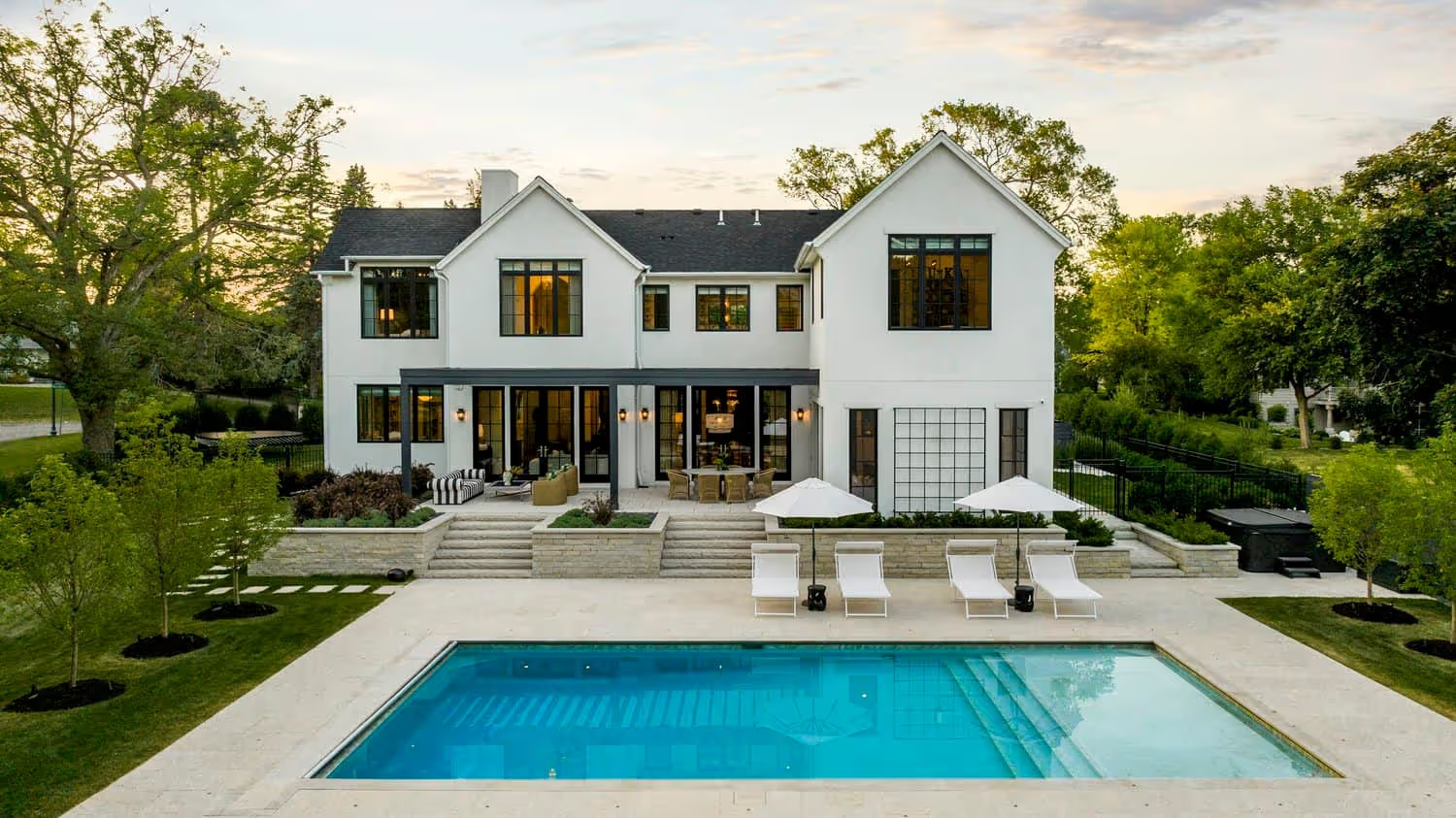
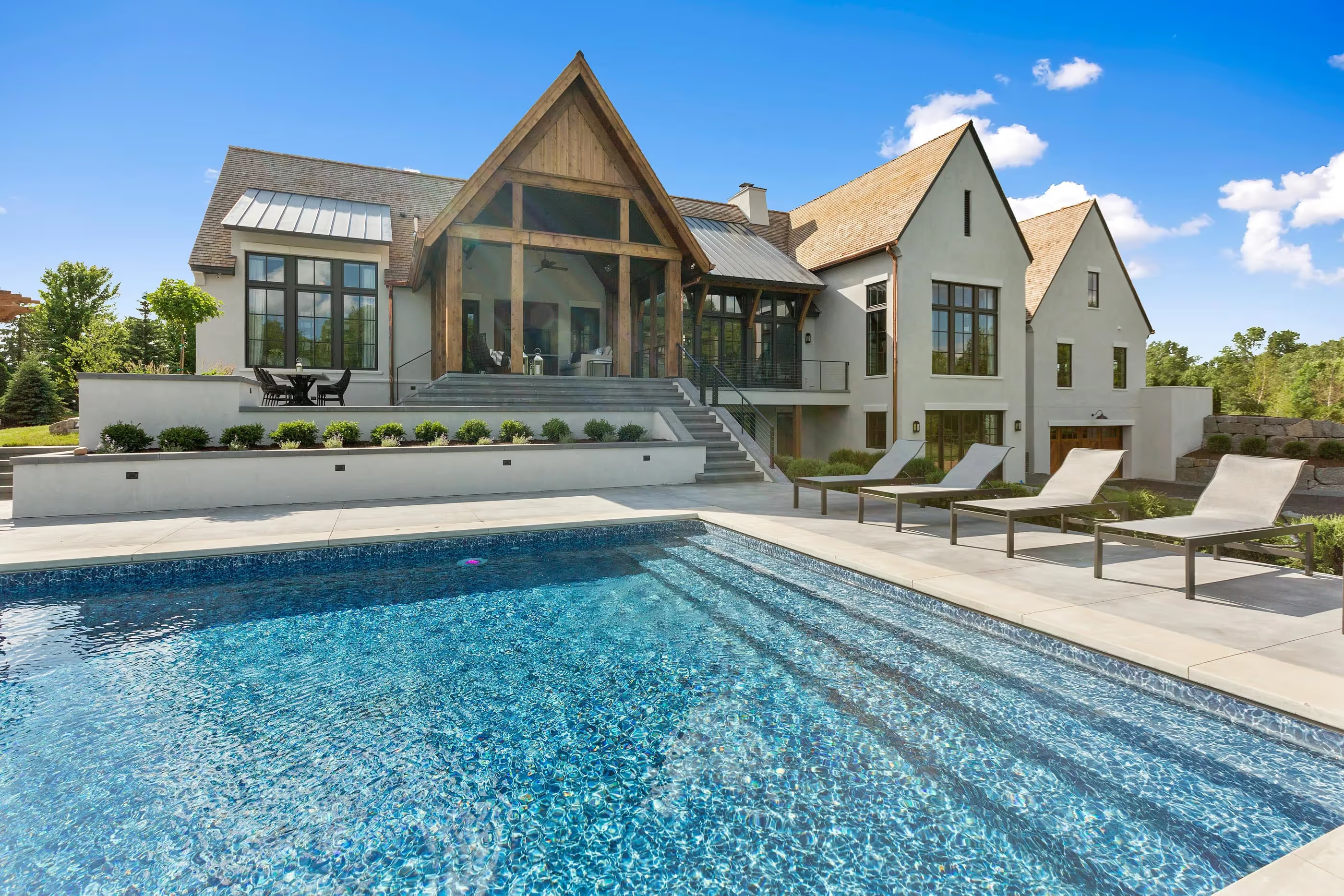
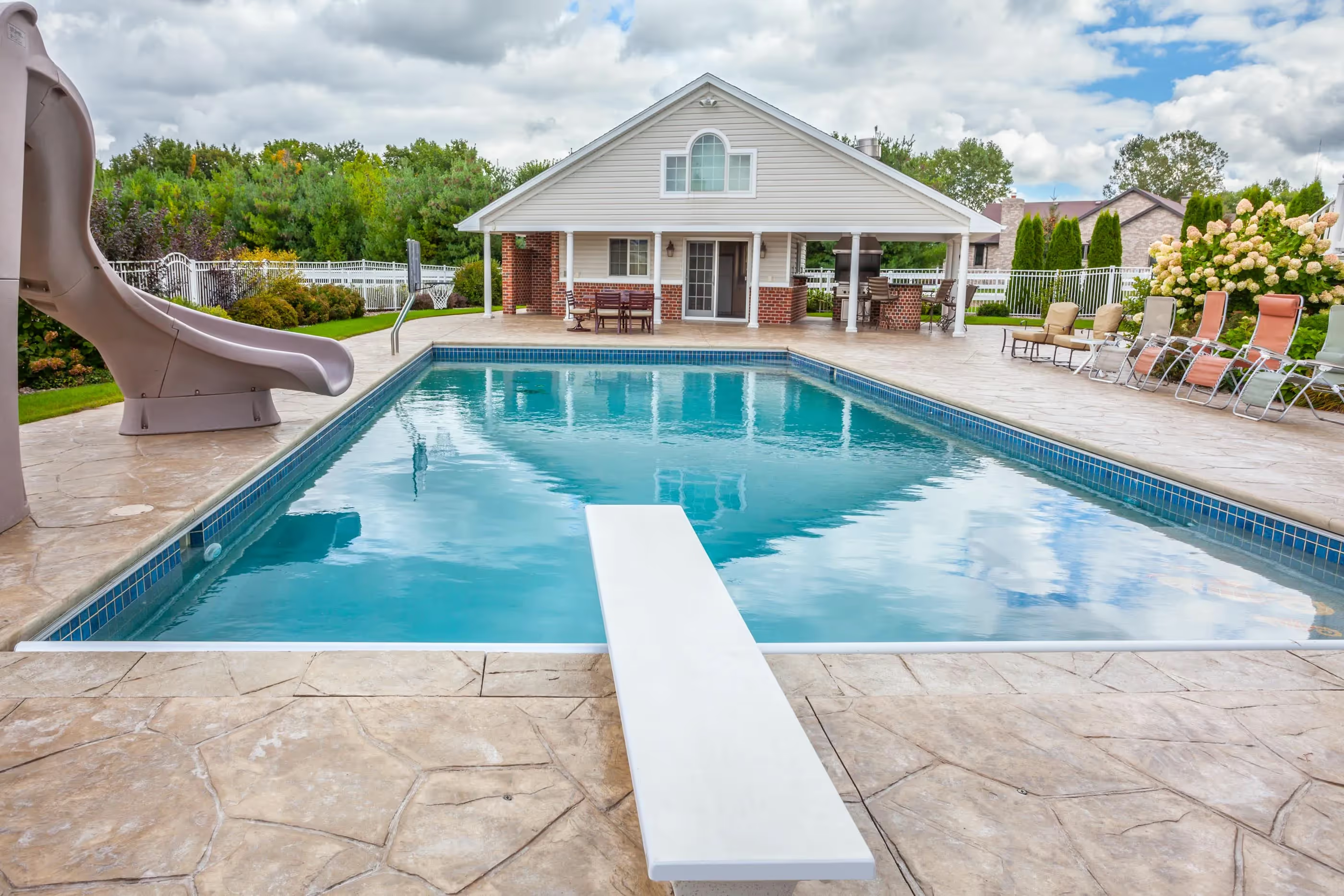
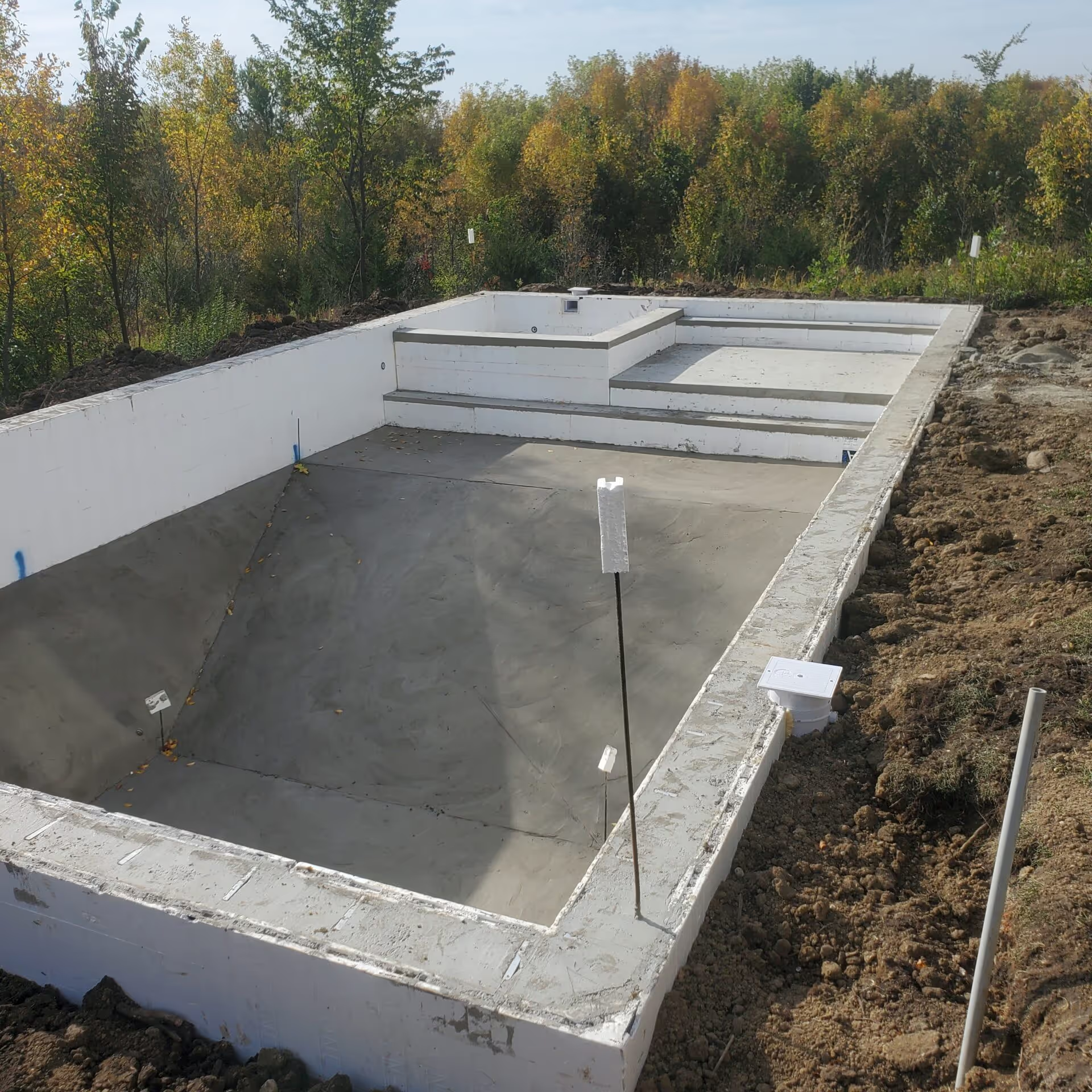
Should you add features to your pool? Consider these tips.
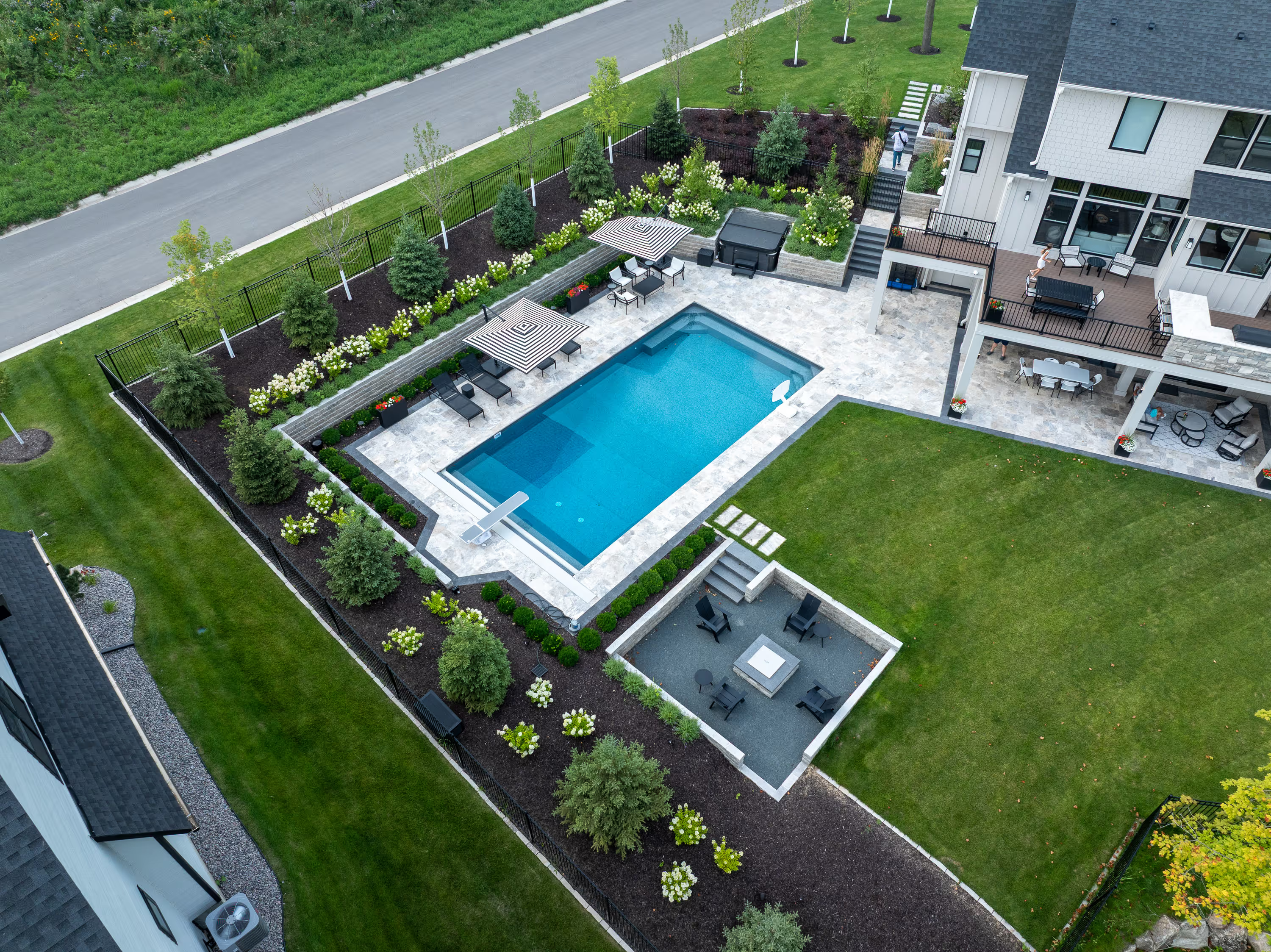
When designing your dream pool, the temptation to add every exciting feature is strong. Diving boards! Water slides! Cascading waterfalls! Bubbling fountains! But here's what most pool owners learn after the initial excitement fades: some features deliver lasting enjoyment and value, while others become expensive decorations that rarely get used.
At Plan Pools, we've built hundreds of pools throughout the Twin Cities metro area with every imaginable water feature combination. We've also heard honest feedback from customers years later about what they love, what they wish they'd added, and what they regret spending money on.
Here's our comprehensive guide to diving boards, slides, water features, and other pool accessories—helping you invest wisely in features that will actually enhance your Minnesota pool experience.
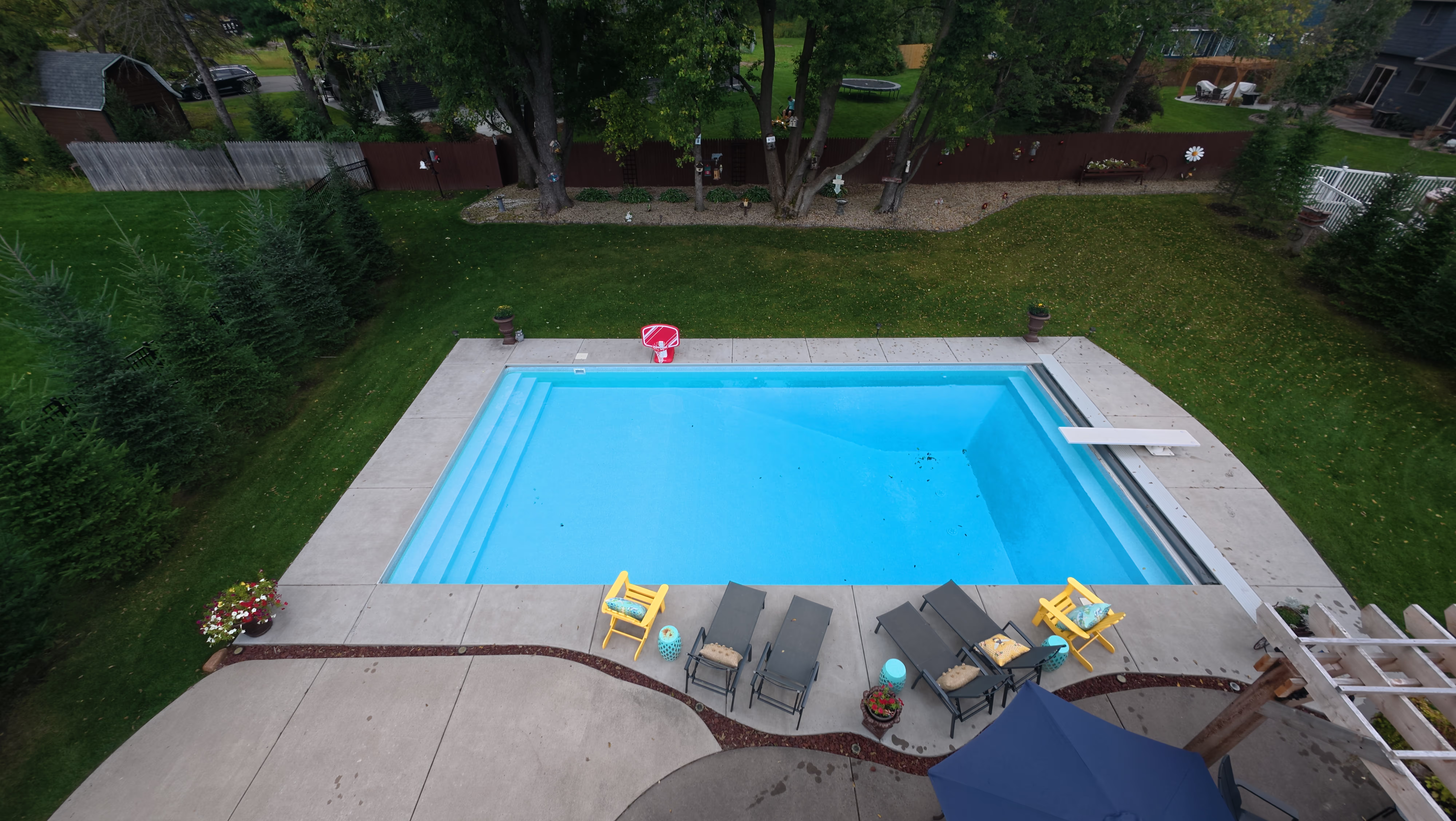
For many Minnesota homeowners planning pools, diving boards evoke childhood memories—summer days at the community pool, perfecting cannonballs, and showing off diving skills. That nostalgic appeal is powerful, but diving boards come with significant considerations.
Diving boards aren't as simple as bolting a board onto your deck. Safe installation requires:
Pool Depth Requirements:
This depth requirement dramatically affects pool cost and usability:
Diving Board Specifications:
Insurance Considerations:
Here's what Plan Pools customers consistently report about diving board usage:
First Summer:
Subsequent Years:
Common Regrets: "We paid $8,000 extra for deep excavation and the diving board package. Our kids used it constantly the first summer, then barely touched it after that. Meanwhile, we lost valuable shallow play space where they actually spend all their time."
If you want the fun of jumping into deep water without full diving board investment:
Jump Rock or Platform:
Slide Platform:
Deep End Without Board:
We rarely recommend diving boards for Minnesota residential pools unless:
For most families, the investment in extra depth and the diving board itself ($5,000-$12,000 total) delivers better value when redirected to:
In-Ground Slides:
Above-Deck Slides:
Rock Formation Slides:
Like diving boards, slides have specific safety requirements:
Minimum Depth:
Structural Requirements:
Safety Considerations:
Slides show different usage patterns than diving boards:
Young Children (Ages 4-10):
Tweens and Teens (Ages 11-16):
Adults:
The Timeline: Most families get 5-8 years of heavy slide use (while children are young), followed by diminishing returns. Unlike diving boards where usage drops almost immediately, slides provide substantial value during the years when kids are most engaged with the pool.
Winterization: Above-deck slides should be removed and stored indoors for winter to prevent damage from Minnesota's freeze-thaw cycles. Permanent in-ground slides must be properly winterized (water drained, appropriate cover) to survive Minnesota winters without damage.
Material Selection: Cheaper plastic slides become brittle in Minnesota's UV exposure and temperature extremes. Quality fiberglass slides last much longer but cost more upfront.
Heating Considerations: Slides landing in deep water increase pool volume, raising heating costs. However, with Plan Pools' ICF construction providing superior insulation, this additional cost is manageable.
Slides make sense for families with young children (ages 4-12) who will use them heavily during peak pool years. Consider:
Best Scenarios for Slides:
Skip the Slide If:
Alternative Approach: Build your pool with appropriate depth at one end (7-8 feet) to accommodate a future slide, but don't install the slide initially. If your kids are clamoring for a slide after year one or two, you can add it then. This spreads costs and ensures you only invest if the demand is real.
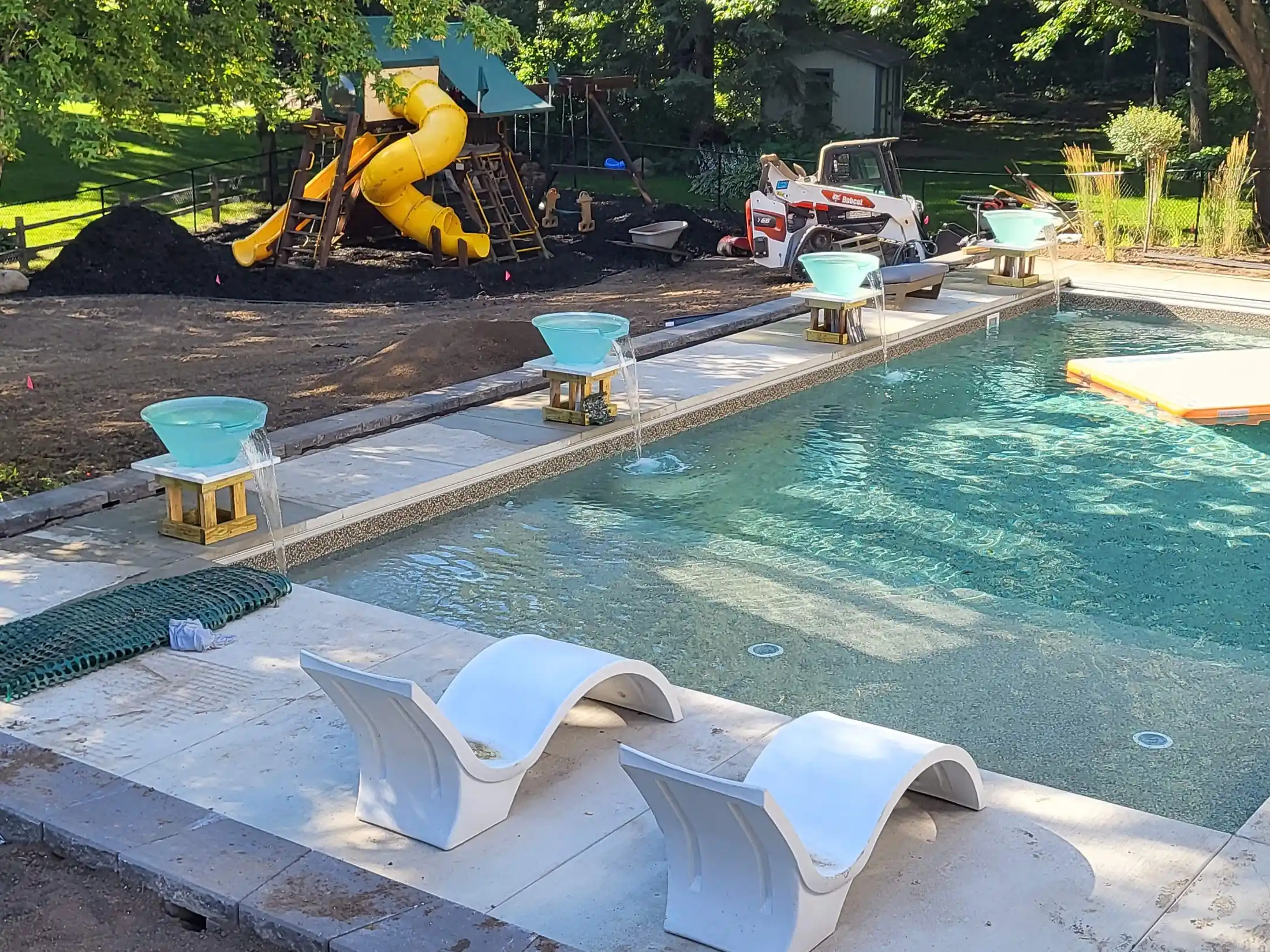
Simple Scuppers:
Sheer Descent Waterfalls:
Rock Waterfalls:
Grottos:
Visual Appeal: Waterfalls add movement, sound, and visual interest to pool area. They create a focal point and enhance the overall aesthetic of your backyard.
Soothing Sound: The sound of flowing water creates peaceful ambiance, masks neighborhood noise, and enhances relaxation.
Cooling Effect: Waterfalls help cool pool water through evaporation and aeration—valuable during Minnesota's hottest summer days when pool water can get too warm.
Aeration: Moving water increases dissolved oxygen, which can improve water quality and reduce chemical demand.
Child Entertainment: Kids love playing under waterfalls, exploring rock features, and incorporating waterfalls into imaginative play.
Increased Heat Loss: Moving water loses heat much faster than still water. Operating waterfalls significantly increases heating costs—particularly problematic for steel wall pools with poor insulation.
With ICF Construction from Plan Pools: Superior insulation minimizes this concern. Our customers regularly run waterfalls without seeing dramatic heating cost increases.
Higher Electricity Usage: Waterfall pumps consume 500-1,500 watts depending on size. Running waterfalls continuously adds $50-$150 monthly to electricity bills.
Solution: Most families operate waterfalls only when using the pool area, controlled by simple timer or manual switch.
Splash-Out and Water Loss: Waterfalls create splash that lands outside the pool, causing water loss that must be replaced. In Minnesota's hard water areas, this means constantly adding mineral-rich water that affects chemistry.
pH Rise: Aeration from waterfalls causes CO2 to escape from water, raising pH. Pools with waterfalls require more frequent pH adjustment with acid.
Maintenance: Rock waterfalls accumulate algae, mineral deposits, and debris. Periodic cleaning is necessary to maintain appearance.
Winterization: Waterfall plumbing must be completely drained for Minnesota winters. Complex features with multiple water lines require more extensive winterization.
Lighting is Essential: Waterfalls are most dramatic at night when properly lit. Install LED lights beneath or behind water streams for spectacular evening effect.
Sound Considerations: Position waterfalls where sound enhances rather than overwhelms. Near seating areas: soothing. Next to outdoor kitchen where conversation happens: potentially annoying.
Scale Appropriately: Small pools (16x32) look best with proportionally smaller features (scuppers, modest sheer descents). Large pools (20x40+) can support substantial rock features without being overwhelming.
Integration with Landscaping: Rock waterfalls should look natural and integrated with surrounding landscape. Work with experienced landscape contractors (Plan Pools partners with premier landscape professionals throughout the Twin Cities) to create cohesive designs.
High Value Features:
Lower Value Features:
Best Approach: Include waterfall features in initial design, but start with simpler options (sheer descents or scuppers). These provide 80% of the visual and auditory benefit at 30% of the cost of elaborate rock features. You can always expand later if desired.
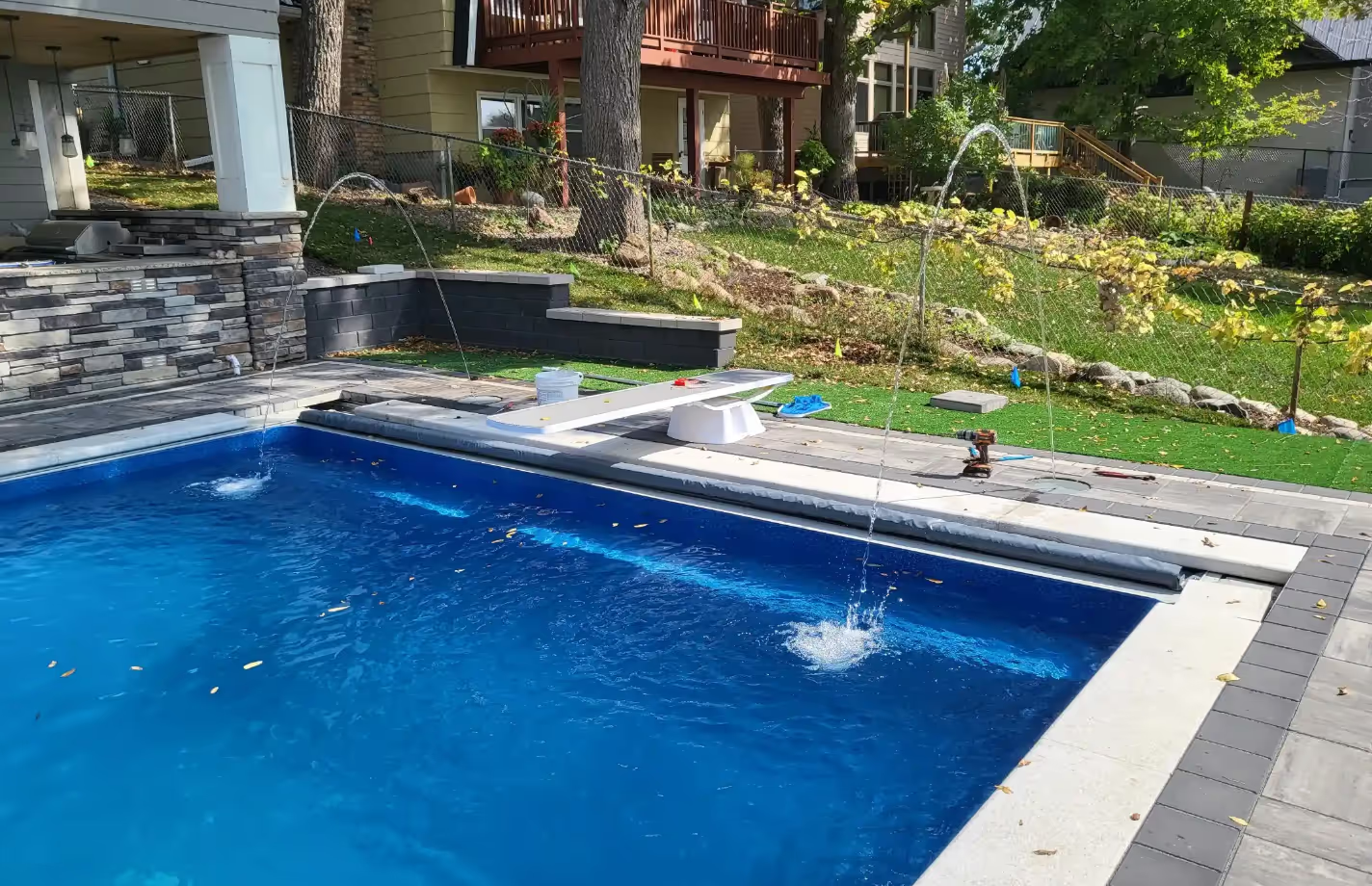
Deck Jets/Laminars:
Bubblers:
Spray Features:
Visual Interest: Fountains add dynamic water movement and catch light beautifully, especially with LED illumination.
Entertainment for Young Children: Kids love playing with deck jets (running through arcs) and sitting on bubblers. High engagement for ages 3-8.
Customization: Many fountain features can be turned on/off independently, allowing you to customize pool ambiance.
Relatively Affordable: Compared to slides or elaborate waterfalls, fountain features are budget-friendly ways to add interest.
Chemical Distribution: Deck jets and fountains help mix and distribute chemicals throughout pool—a minor practical benefit.
Splash-Out: Like waterfalls, fountain features cause water loss through splash. More dramatic with higher arc jets.
Pump Requirements: Most fountain features can share the pool's main circulation pump but may require dedicated booster pump for optimal performance.
Novelty Factor: Usage often declines after initial excitement. Features that are interesting for first few weeks may rarely be operated later.
Worth Adding:
Skip or Postpone:
Best Approach: Include plumbing and nozzle locations during construction (minimal cost) but install actual fixtures in phases. This allows you to start with one or two fountains and add more later if desired, without expensive retrofitting.
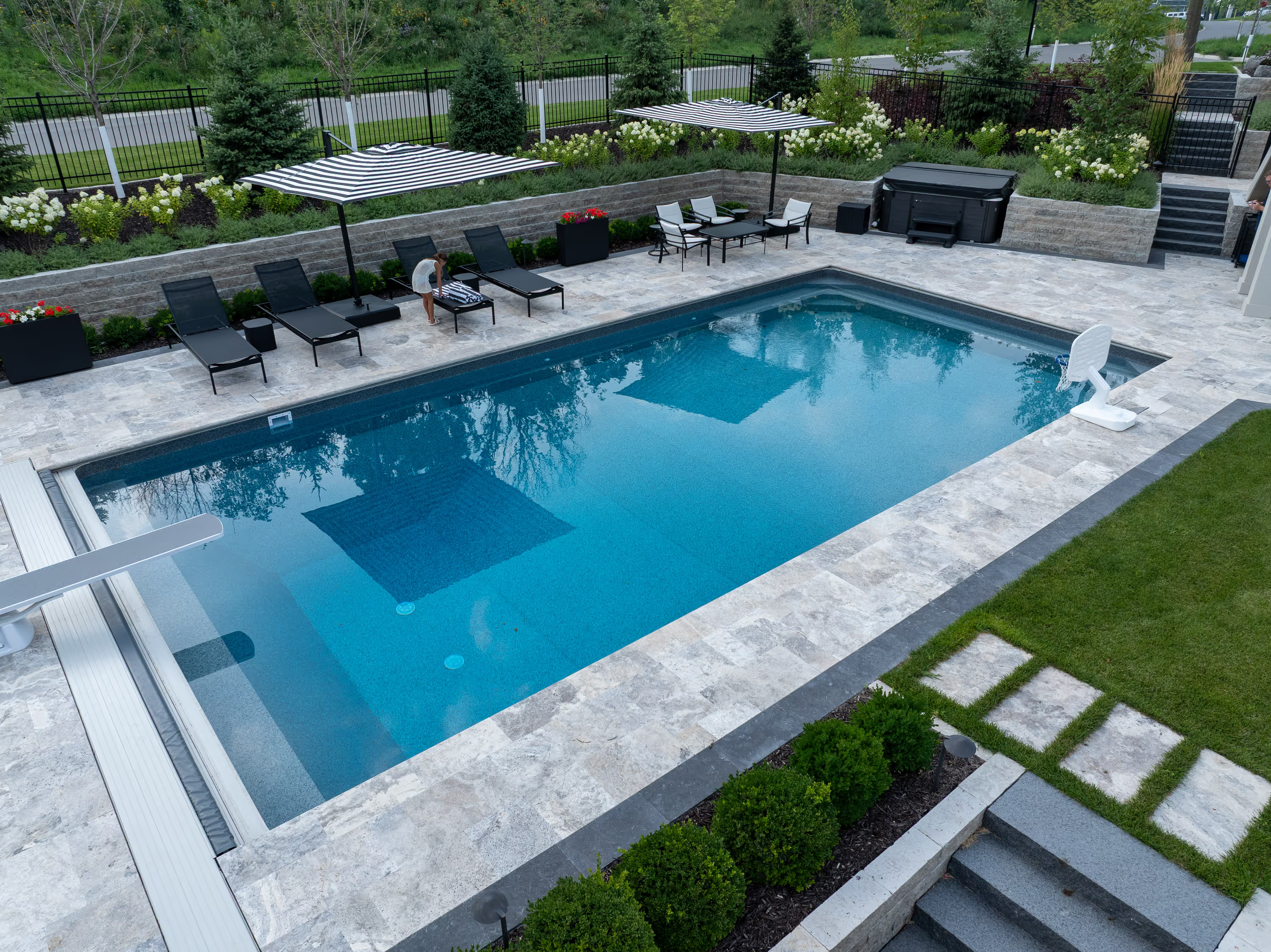
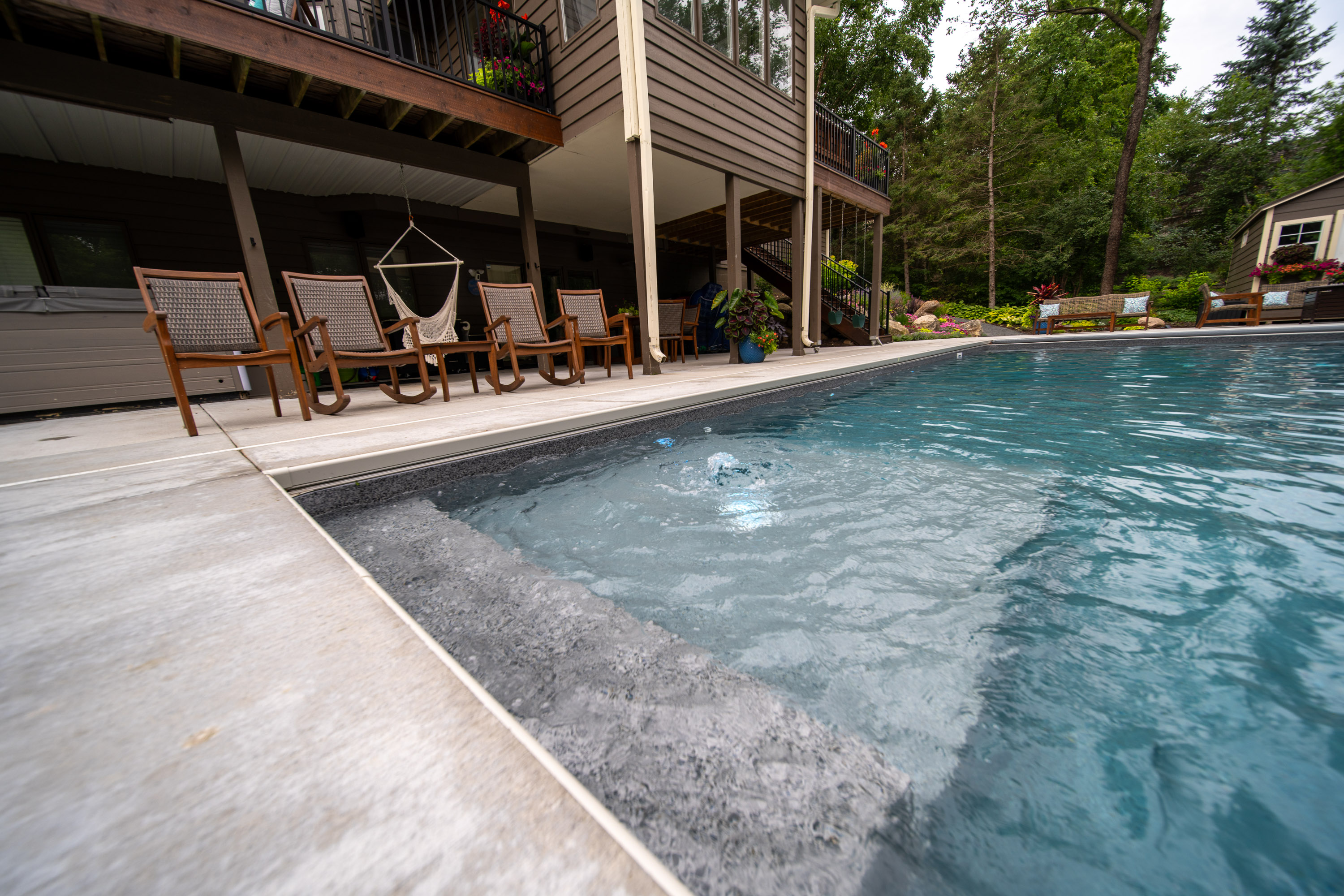
Tanning ledges (also called Baja shelves, sun shelves, or beach entries) are shallow areas (typically 6-12 inches deep) that allow lounging partially submerged in water.
Multiple Use Cases:
Social Aspect: Tanning ledges create gathering spaces where people can relax in water while easily conversing with those on deck or in pool.
Aesthetic Appeal: Modern pools almost universally include some form of shallow ledge area—it's become the contemporary standard.
Size:
Depth:
Location:
Features to Add:
Tanning ledges make even more sense in Minnesota than warmer climates:
Extended Comfort: On those 85-90°F Minnesota summer days when you want to be in water but not actively swimming, tanning ledges provide comfortable middle ground.
Warming Station: In shoulder season (May, September) when water temperatures are cooler, shallow ledges warm up faster from sun exposure, providing comfortable spots even when deeper water is chilly.
Safe Entry: For families with elderly members or young children, ledges provide safe, gradual entry into pool.
Cost: Adding tanning ledge during construction: $4,000-$12,000 depending on size and features
Space Impact: Ledges reduce swimming area but create usable space that families actually use constantly
ROI: Among the highest satisfaction features in customer feedback—families use tanning ledges far more than anticipated
Strongly Recommend for Most Pools: Unless space is extremely limited (pool smaller than 16x32), include at least a modest tanning ledge. It's become the most-used feature in modern pools and something families appreciate daily.
Optimal Size: For most residential pools, 8x10 or 10x12 foot ledges provide excellent usability without consuming too much pool area.
Don't Skimp: If budget is tight, reduce pool perimeter slightly to accommodate tanning ledge rather than eliminating it entirely.
Beach entries (also called zero entries) are large, gradually sloping areas that transition from pool deck (0 inches) to swimming depth (typically reaching 4-5 feet over 15-20 feet of distance).
Accessibility: Truly zero-entry design allows wheelchair access, easy entry for elderly or mobility-limited individuals, and seamless pool access for all abilities.
Natural Aesthetic: Beach entries create natural, resort-like appearance reminiscent of tropical beaches or lagoon pools.
Play Area: Children have expansive shallow play area with varying depths as they get comfortable in water.
Lounging Flexibility: Multiple depth options allow lounging in preferred water depth—from ankle-deep to waist-deep.
Space Consumption: Beach entries consume 15-25 feet of pool length, significantly reducing swimming space.
Higher Cost: Gradual slopes require more excavation, more concrete/structure, and more surface area.Cost: $15,000-$30,000 additional vs. standard pool
Debris Accumulation: Shallow sloped areas tend to accumulate leaves and debris, requiring more frequent cleaning.
Heating Challenges: Large shallow areas heat faster but also cool faster. Temperature variation between shallow entry and deeper areas can be noticeable.
Best For:
Consider Alternatives:
Modern pool automation systems control all pool functions via smartphone:
Heating:
Lighting:
Water Features:
Filtration:
Chemistry (Advanced Systems):
Unlike many pool features where usage declines over time, automation becomes MORE valuable as you realize how much easier it makes pool management.
Convenience: Start heating pool from work before heading home. Turn on lights for evening gathering. Adjust pump schedule without going outside.
Energy Savings: Optimized scheduling reduces pump runtime and heating costs. Many customers report automation systems paying for themselves within 3-5 years through energy savings.
Extended Season: Easy temperature monitoring and adjustment encourages pool use during shoulder season when you might not bother if adjusting heater meant walking outside.
Peace of Mind: Monitor pool status while traveling, receive alerts if problems occur, and make adjustments remotely.
Basic Automation:
Mid-Range Systems:
Premium Systems:
High Value Addition: Automation is among the best investments you can make. It enhances enjoyment, reduces operating costs, and makes pool management dramatically easier.
Minimum Recommendation: At minimum, include automation for heating and lighting. These are the functions you'll want to control remotely most often.
Best Approach :Install automation infrastructure during construction (minimal added cost), then add control modules over time as budget allows. Starting with heating/lighting control and expanding to water features and chemistry automation later works perfectly.
Based on thousands of customer interactions and long-term feedback, here's Plan Pools' ranking of pool features by value delivered:
When helping families design their dream pools, we prioritize:
1. Foundation First: Build pool correctly with ICF construction. No feature compensates for poor construction.
2. Season Extension: Invest in heating, insulation, and covers that make the pool comfortable and economical throughout Minnesota's compressed season.
3. Usability: Features that enhance daily usability (tanning ledges, lighting, automation) deliver more value than occasional-use novelties.
4. Flexibility: Design infrastructure to allow future additions without requiring reconstruction.
5. Honest Guidance: We tell you what customers actually use years later, not what looks great in renderings.
Some features are easy to add (deck jets, bubblers, automation, lighting can be expanded), while others require construction-phase installation (slides requiring deep excavation, integrated waterfalls, beach entries). Plan Pools helps you identify which features to include initially and which can be added later.
Yes. Waterfalls and fountains increase aeration, causing pH to rise more quickly. You'll use more acid to maintain proper pH. The effect is modest and easily managed.
Many carriers won't. Those that do often charge substantial premiums. Check with your insurance agent before committing to diving board. Slides are generally more acceptable to insurers.
Mix of pressure washing, scrubbing, and occasional mild acid wash (for calcium deposits). Frequency depends on how often you run the feature and your water chemistry. Expect to clean 2-4 times per season for optimal appearance.
Tanning ledges, quality lighting, automated covers, and professional landscaping enhance resale appeal. Extremely personalized features (elaborate rock grottos, custom sculptures) may or may not appeal to future buyers. When in doubt, prioritize timeless features over trendy ones.
The best pool features aren't the ones that look most impressive in design renderings—they're the ones your family will actually use and appreciate years later.
At Plan Pools, we've seen countless pools through their entire lifecycle, from initial design excitement through years of daily use. The features that deliver lasting value are those that enhance comfort, extend the season, ensure safety, and make pool ownership easier.
Start with the foundation: Plan Pools' ICF construction provides superior insulation, structural integrity, and lifetime durability. Then add features thoughtfully, prioritizing those your family will use regularly over those that look impressive but rarely get touched.
Ready to design your perfect Minnesota pool with features that truly add value? Contact Plan Pools today. We'll help you create a pool that's not just beautiful on day one, but treasured and well-used for decades to come.
Because the best pools aren't necessarily the ones with the most features—they're the ones that perfectly match how your family actually lives, plays, and relaxes. That's what we design at Plan Pools, throughout Lakeville, Prior Lake, Eden Prairie, Maple Grove, Stillwater, and the entire Twin Cities metro area.