What Factors Impact the Cost of Owning an Inground Pool in Minnesota?

When Minnesota homeowners dream of creating their backyard oasis, understanding the true cost of pool ownership extends far beyond the initial installation price. At Plan Pools, we believe transparency about ownership costs helps families make informed decisions that maximize enjoyment while minimizing unexpected expenses.
The first major factor affecting your pool ownership costs begins with the construction method you choose. In Minnesota's challenging climate, this decision dramatically impacts your long-term expenses.
ICF Construction vs. Steel Wall Pools: The 60% Difference
Traditional steel wall pools might appear less expensive initially, but they carry hidden costs that compound over time. Steel walls conduct heat away from your pool water, creating a constant drain on your heating budget. The vinyl liner positioned next to the steel wall efficiently draws heat from the water, forcing your heating system to work overtime.
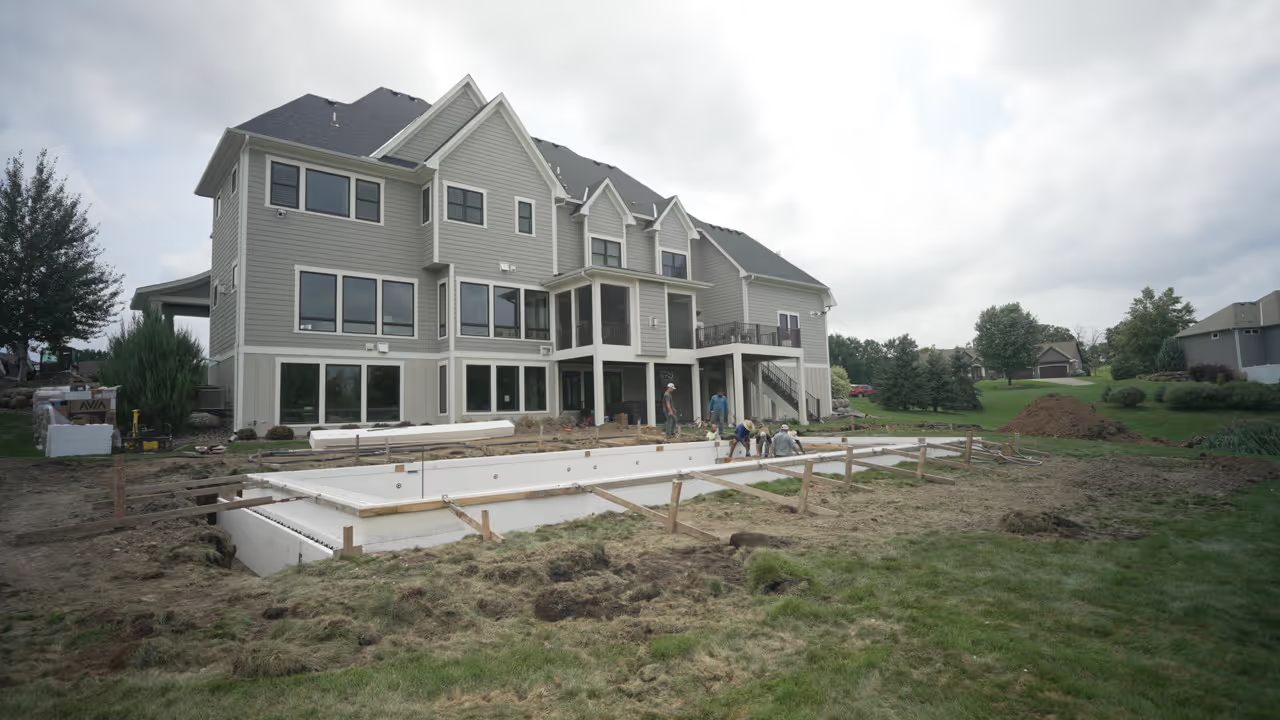
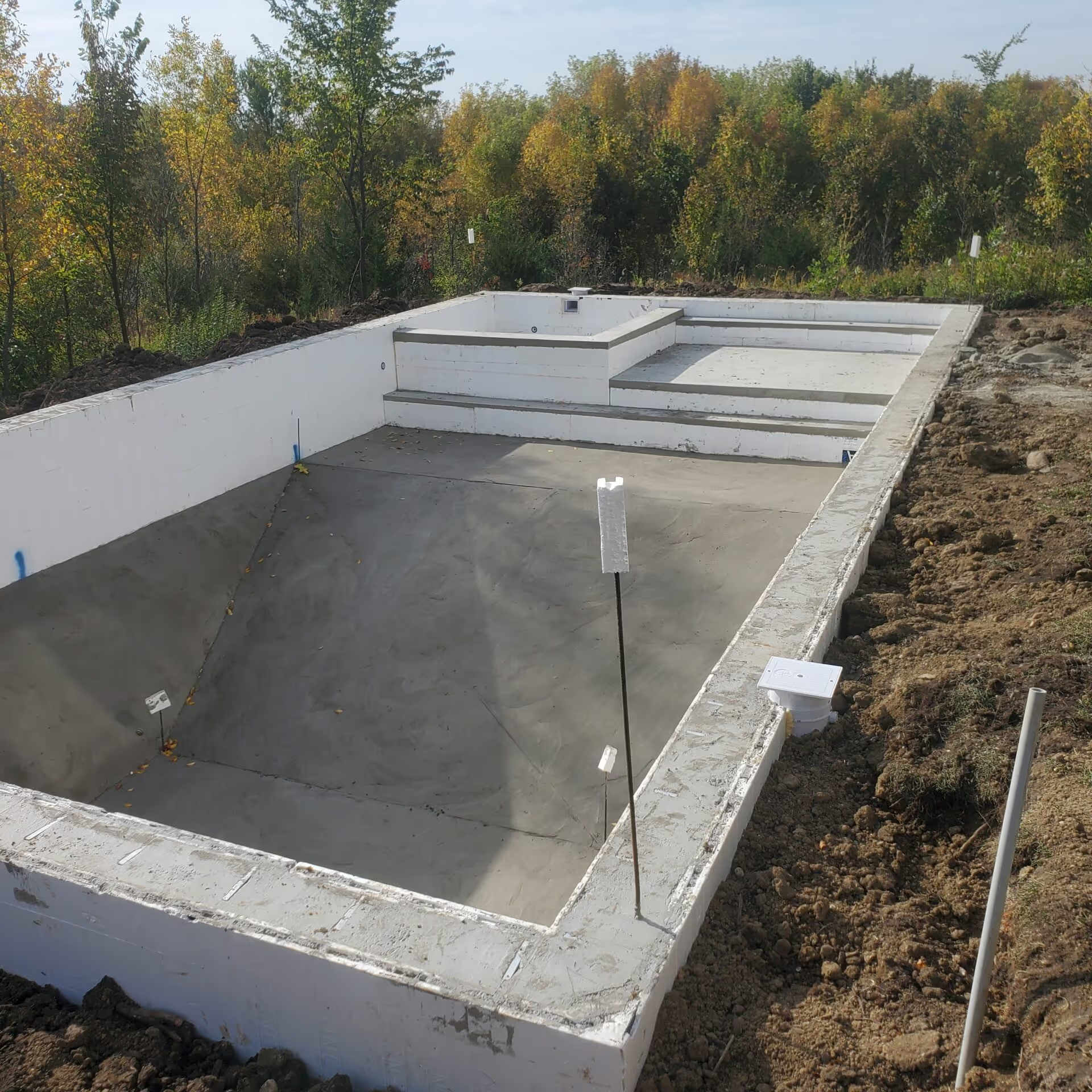
At Plan Pools, our Insulated Concrete Form (ICF) construction features two layers of thick, hardened foam insulation on both sides of the concrete walls. This superior insulation leads to 60% reductions in heating costs compared to steel wall pools. For Minnesota families who want to extend their swimming season from April through October, this translates to thousands of dollars in savings annually.
Soil Correction and Earthwork
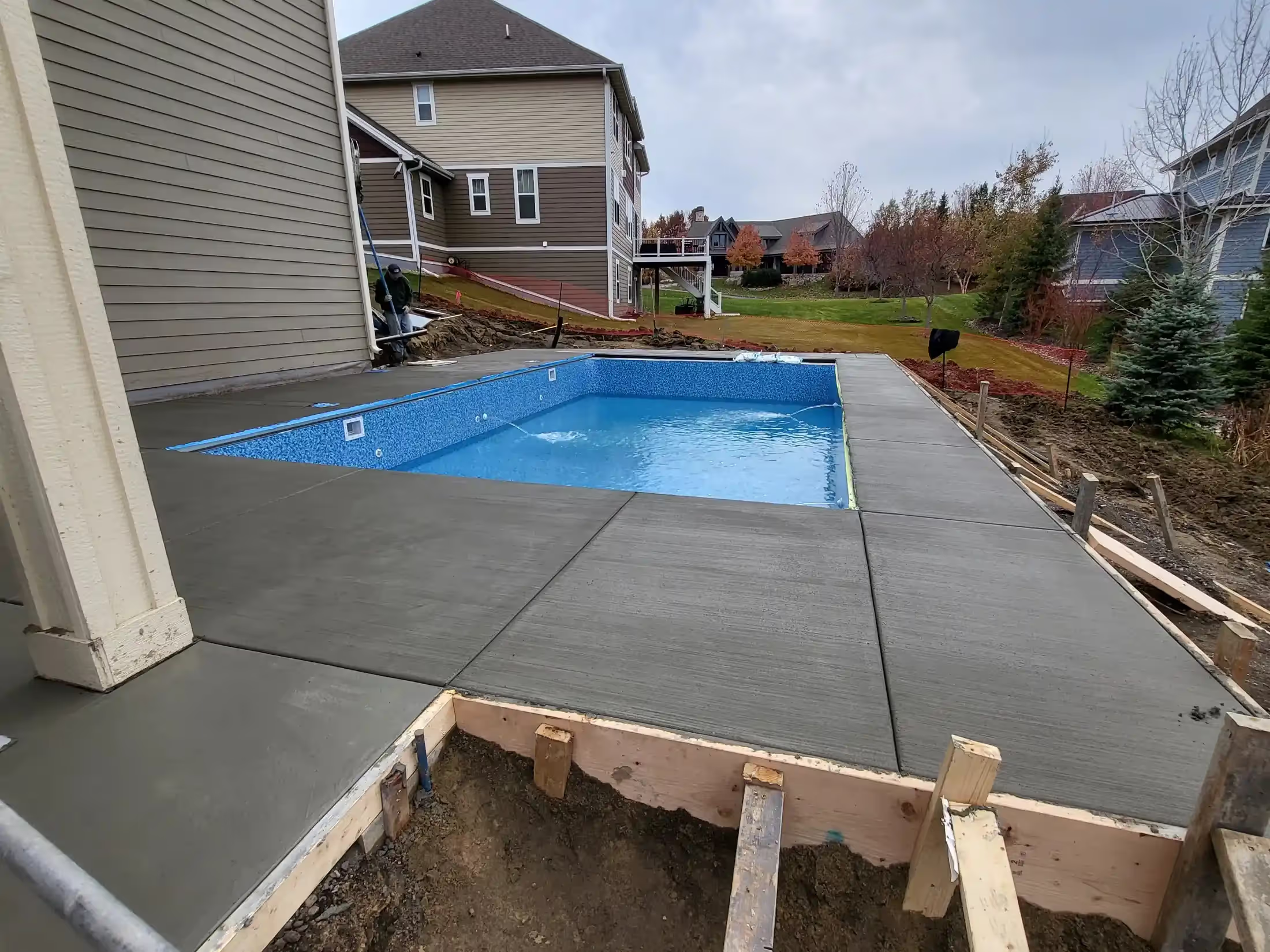
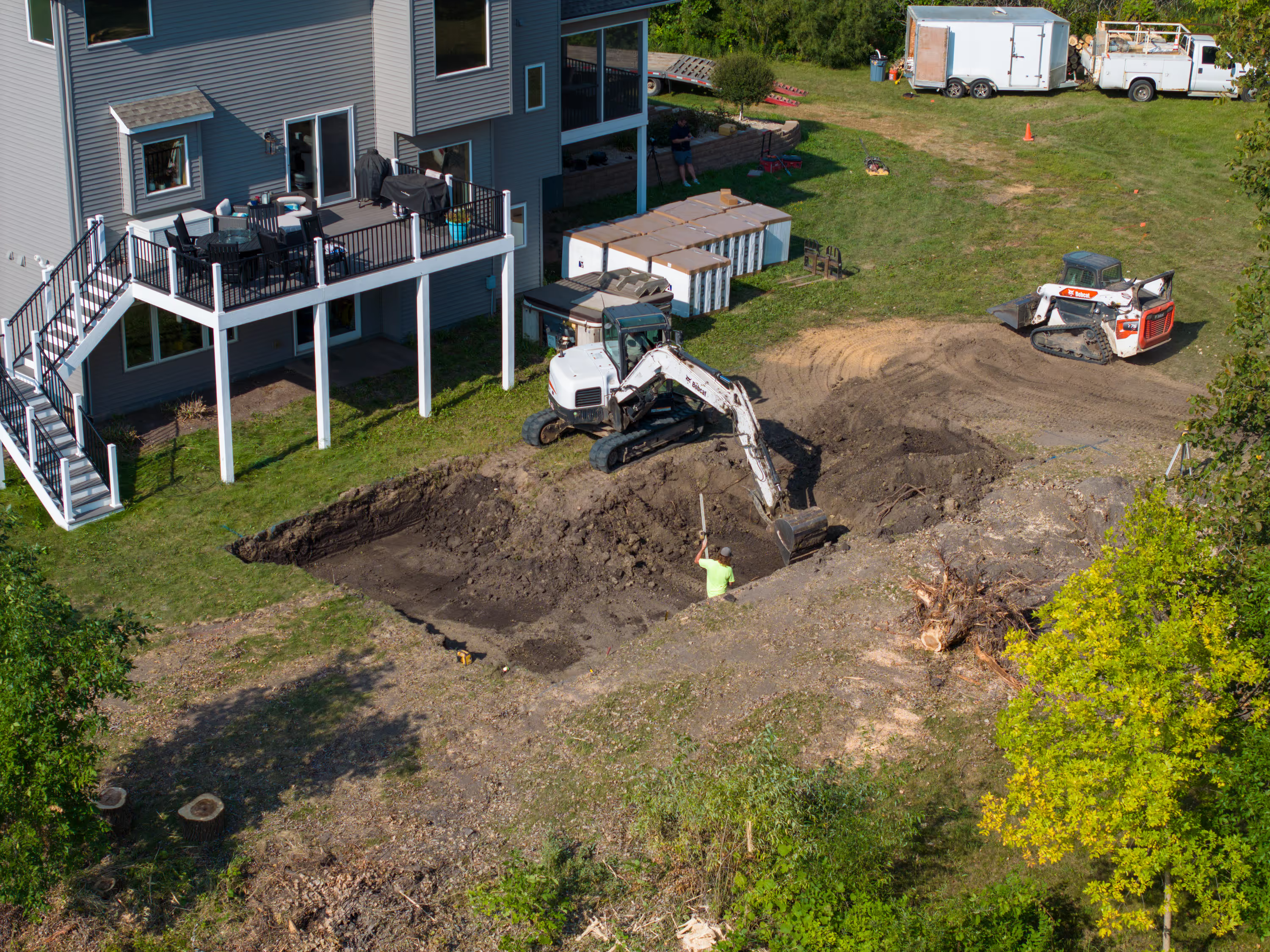
Minnesota's diverse soil conditions significantly impact installation costs. Clay-heavy soils in areas like Lakeville, Eagan, and Apple Valley require different preparation than sandy soils found in other Twin Cities locations. Projects requiring extensive earth-moving, grading, or soil correction will see pricing adjustments based on these specific site conditions.
Our team at Plan Pools conducts thorough site evaluations to identify potential soil challenges before construction begins, eliminating surprise costs and ensuring proper foundation preparation that prevents future structural issues.
Heating represents the single largest ongoing expense for Minnesota pool owners, making your construction method choice critical to lifetime ownership costs.
Why Steel Wall Pools Cost More to Heat
Steel is an excellent conductor of heat, which becomes a significant liability in pool construction. During Minnesota's cooler spring and fall months—when you most want to extend your swimming season—steel wall pools actively work against your heating system. The metal draws warmth from the water and transfers it to the surrounding cooler earth, creating a constant energy drain.
This cooling effect forces your heating system to run longer and work harder, dramatically increasing both energy consumption and utility costs. Over a pool's lifetime, these additional heating costs can exceed the initial price difference between construction methods.
ICF Construction: The Energy-Efficient Solution
Our ICF pools feature concrete walls surrounded by high-density foam insulation. This construction creates an effective thermal barrier that keeps heat in your pool water where it belongs. The insulation works continuously, maintaining warmer water temperatures with significantly less energy input.
Minnesota families using Plan Pools' ICF construction report opening their pools earlier in spring and keeping them comfortable later into fall—all while spending 60% less on heating compared to steel wall alternatives. When you calculate these savings over 20-30 years of pool ownership, the lifetime value becomes clear.
The quality of your pool systems directly impacts both initial investment and long-term maintenance expenses.
Salt Water Chlorination Systems
At Plan Pools, we exclusively install premium salt water chlorination systems because they deliver superior water quality with lower maintenance costs. Traditional chlorine pools require constant chemical additions, creating ongoing expenses and the hassle of storing and handling harsh chemicals.
Salt water systems generate chlorine automatically through electrolysis, providing consistent sanitization without the chemical smell, skin irritation, or storage concerns of traditional chlorine. While salt systems carry a higher initial investment, they reduce chemical costs by 50-75% annually and provide a more enjoyable swimming experience.
Critical Consideration for Steel Wall Pools: Salt water systems and steel construction create a problematic combination. Salt accelerates corrosion of steel walls, leading to rust spots, leaks, and potential catastrophic failures. This incompatibility forces steel wall pool owners to either accept higher traditional chlorination costs or risk expensive structural repairs.
Our ICF concrete construction eliminates rust concerns entirely, allowing you to enjoy the benefits of salt water systems without worrying about corrosion damage.
Pool Covers: Essential for Minnesota Climate
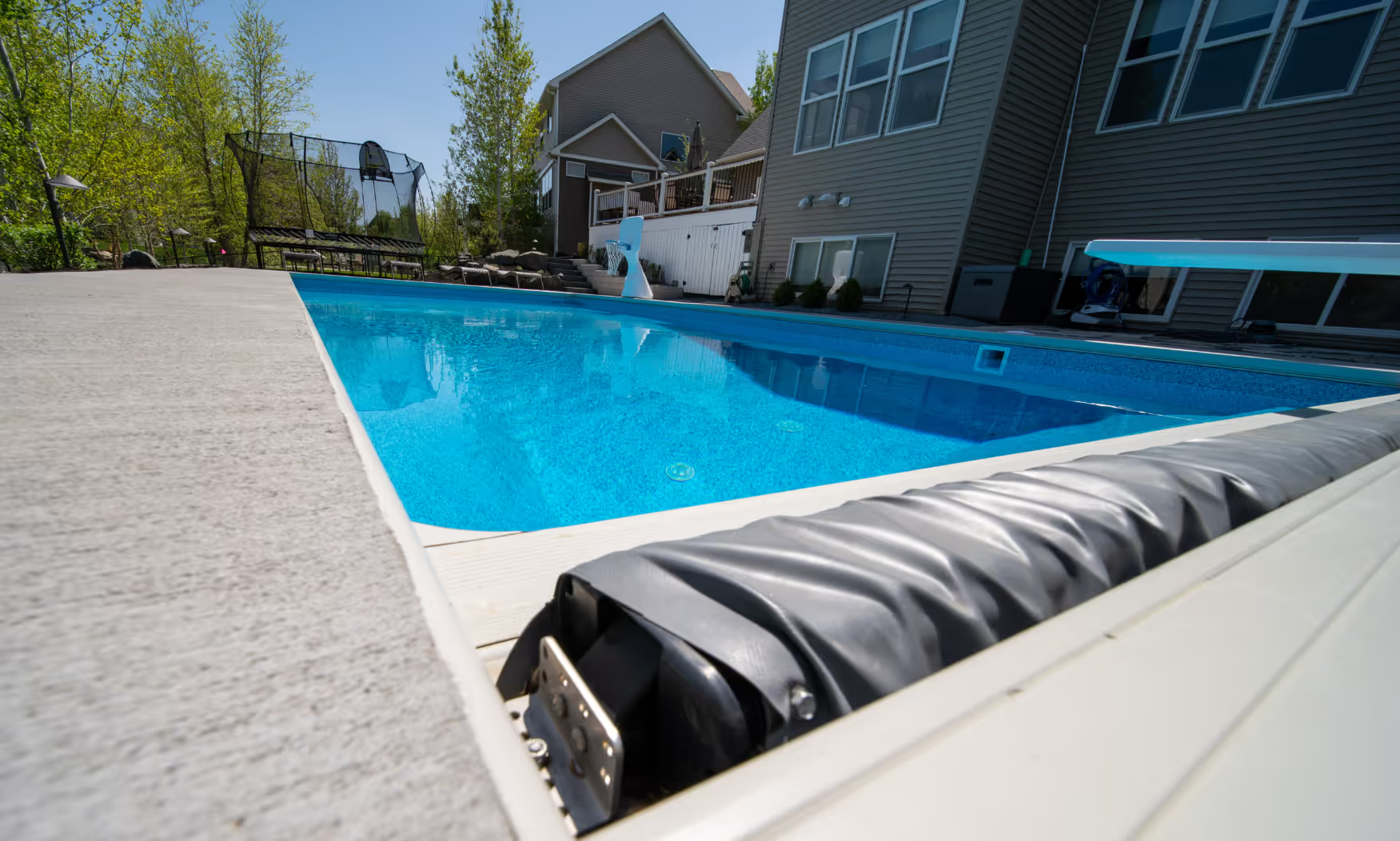
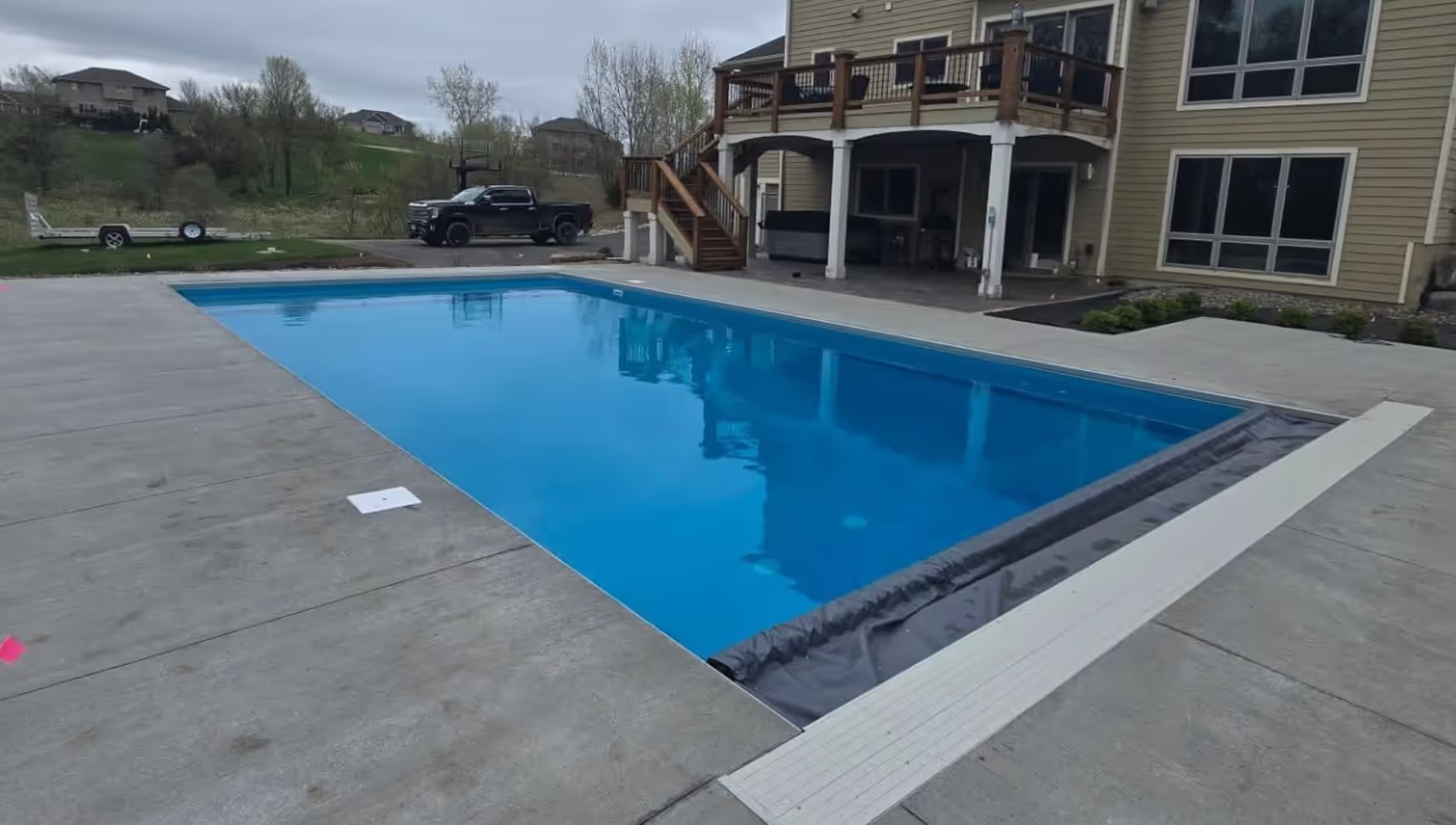
Minnesota's weather makes a high-quality automatic pool cover non-negotiable rather than optional. Quality safety covers serve multiple cost-saving functions including retaining heat (reducing heating costs by 50-70%), preventing debris accumulation (reducing cleaning time and chemical usage), extending equipment lifespan (protecting from weather exposure), and enhancing safety (preventing accidental falls).
At Plan Pools, we include premium automatic safety covers as standard equipment because we understand Minnesota's climate demands this level of protection. Cheaper manual covers might save money initially but lack the convenience and effectiveness that automatic covers provide.
Pumps and Automation Systems
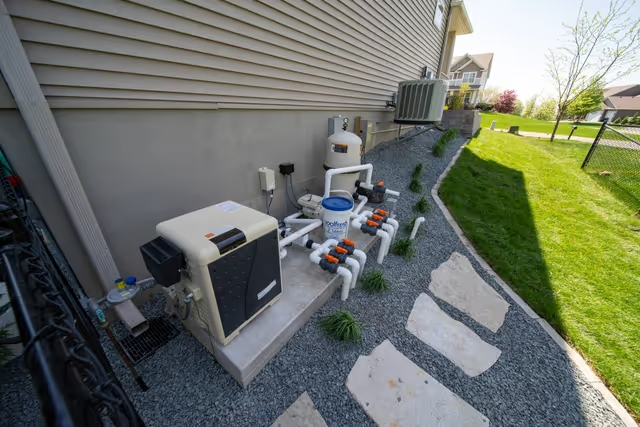
Modern variable-speed pumps reduce energy consumption by 50-80% compared to older single-speed models. Minnesota's energy rates make this upgrade pay for itself within 2-3 years while providing quieter operation and extended equipment life.
We install industry-leading automation systems that optimize pump schedules, maintain precise chemical balance, and control heating efficiently. While automation adds upfront cost, it reduces chemical waste, prevents equipment damage from improper operation, and eliminates the time spent on manual pool management.
Ongoing maintenance represents a significant ownership cost that varies dramatically based on your pool's construction and equipment quality.
Liner Replacement: A Major Future Expense
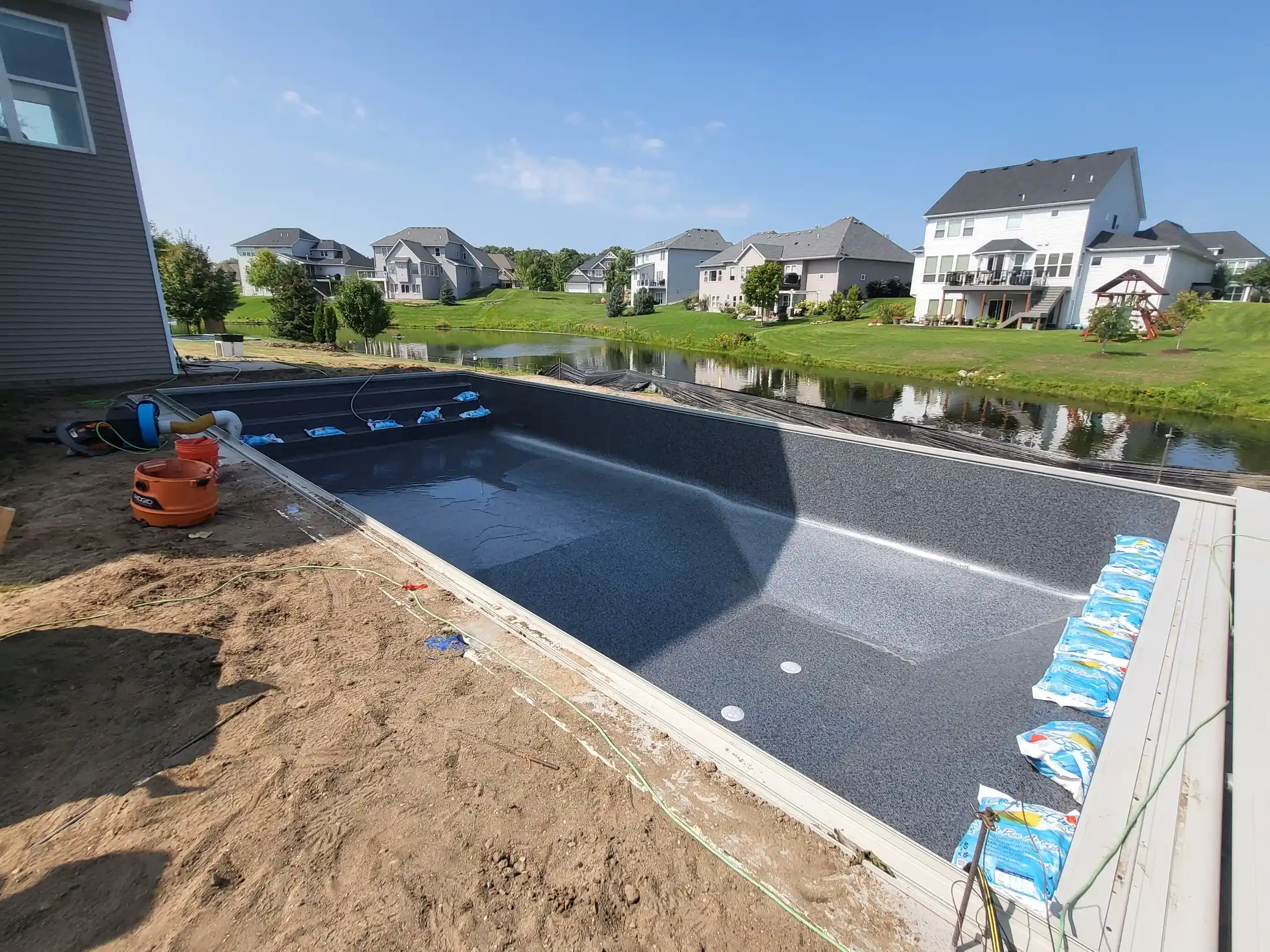
Both ICF and steel wall pools using vinyl liners will eventually require liner replacement. Quality liners typically last 8-12 years in Minnesota's climate, with replacement costs ranging from $4,000-$8,000 depending on pool size and liner quality.
However, the superior soil compaction possible with ICF construction extends the lifespan of your hardscape and pool deck, protecting your liner investment. Steel wall pools' support systems prevent proper backfilling and compaction, leading to ground movement that can damage liners prematurely and create additional replacement expenses.
Chemical Balance and Water Treatment
Minnesota's hard water requires consistent chemical management to prevent scaling, cloudy water, and equipment damage. Pools with proper circulation, effective filtration, and automated chemical systems maintain balance with minimal chemical input and user intervention.
Our salt water systems combined with premium pumps and filters create optimal water conditions that require less chemical adjustment, saving both money and time throughout the swimming season.
The construction quality of your pool directly impacts future repair costs—an area where ICF construction demonstrates clear advantages.
Soil Movement and Settlement Issues
Minnesota's freeze-thaw cycles create significant ground movement pressures that test pool construction integrity. Steel wall pools rely on external support systems that prevent proper soil compaction behind the walls. This inadequate compaction leads to settling, shifting, and movement over time.
When soil settles around a pool, the consequences extend beyond the pool structure itself. Your pool deck, patio areas, and surrounding hardscape shift and crack, creating trip hazards, allowing water infiltration, and requiring expensive repairs. Deck replacement can cost $15,000-$40,000 depending on size and materials.
ICF Construction's Structural Advantage
Our ICF system allows for complete backfilling and thorough compaction of soil around the entire pool structure. The rebar-reinforced concrete inside the insulated form creates a solid, stable structure that resists movement. This superior compaction means your pool deck, patio, and surrounding landscapes maintain their integrity for decades rather than years.
The concrete walls of ICF pools are actually thicker than typical house foundations, providing structural strength that exceeds residential building standards. This robust construction eliminates concerns about wall shifts, bulges, or failures that can plague steel wall installations.
Minnesota winters test pool construction quality like nowhere else in the country.
Freeze-Thaw Cycle Impacts
Water expands when it freezes, creating tremendous pressure on pool structures and surrounding soil. Steel wall pools are particularly vulnerable to frost heave—when frozen ground beneath or around the pool expands and lifts the structure. This movement can cause wall buckling, pipe breaks, and deck damage requiring expensive spring repairs.
The insulated walls of ICF pools provide protection against freeze-thaw impacts. The foam insulation moderates temperature changes in the soil immediately surrounding the pool, reducing frost penetration and minimizing heave pressure. This thermal protection extends to your plumbing and equipment, reducing the risk of freeze damage during harsh winters.
Pool ownership impacts homeowner's insurance premiums, typically adding $50-100 annually. However, pools with proper safety features, including automatic safety covers and compliant fencing, may qualify for reduced increases or even premium credits from some insurers.
Minnesota law requires pool barriers meeting specific safety standards. At Plan Pools, we ensure every installation meets or exceeds these requirements, and we can connect you with local contractors like Minnesota Landscapes and Country Creek Builders for comprehensive fencing and landscaping solutions that enhance both safety and aesthetics.
Minnesota pools lose water through evaporation, splashing, and backwashing filters. Average water costs for maintaining proper pool levels run $200-400 annually depending on local water rates and pool size.
Electric costs for pumps, heaters, and automation systems vary based on equipment efficiency and usage patterns. Modern variable-speed pumps combined with proper automation can keep annual electrical costs under $300-500, while older equipment might consume $1,000+ annually.
When comparing total cost of ownership between construction methods, the numbers reveal clear differences. Consider a typical 16'x32' pool over 25 years of ownership in the Twin Cities area:
Steel Wall Pool Total Lifetime Costs:
Plan Pools ICF Construction Total Lifetime Costs:
The lifetime savings with ICF construction ranges from $47,000-$52,000 while providing superior performance, extended swimming seasons, and better property value retention.
At Plan Pools, we're passionate about delivering the best value pool solution in Minnesota. Our ICF construction method represents more than just a different building technique—it's a comprehensive approach to minimizing your lifetime ownership costs while maximizing swimming enjoyment.
When you're ready to create your backyard oasis with construction that makes financial sense for Minnesota's climate, contact Plan Pools for a consultation. We'll provide a transparent breakdown of costs and help you understand exactly what you're investing in.
For comprehensive outdoor living solutions, we work collaboratively with local contractors including Minnesota Landscapes, Country Creek Builders, and Fredrickson Masonry to create complete backyard transformations.
Ready to discover the Plan Pools difference? Contact us at planpools.com to start your pool journey with Minnesota's leading ICF pool builder.