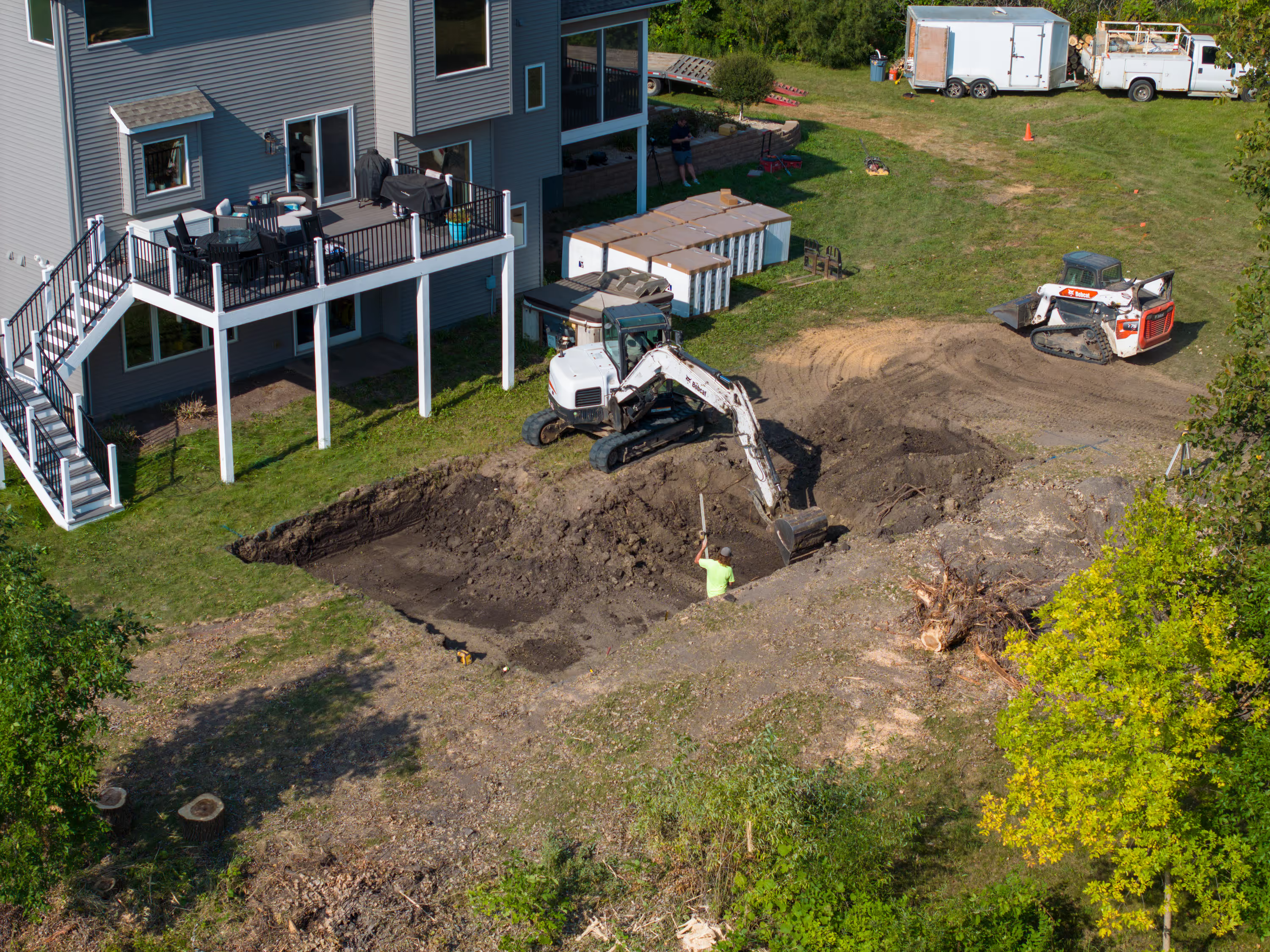
How much does it cost you each time you take a dip in your pool? Our experts break it down.
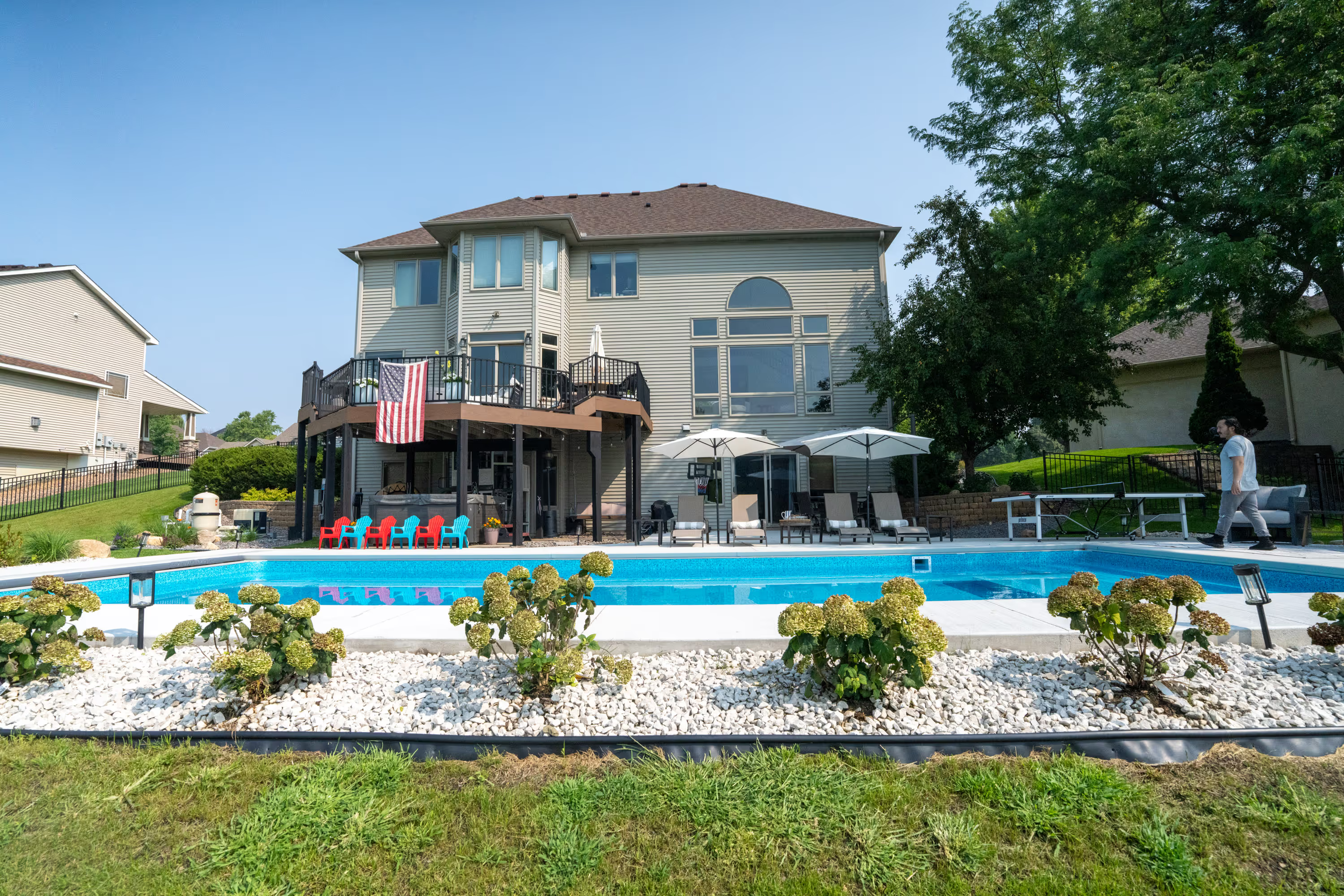
When Minnesota families start exploring the idea of building a backyard pool, the first question is almost always: "How much does a pool cost?" But here's the problem with that question—it only tells you half the story.
The real question you should be asking is: "What will this pool cost me over its entire lifetime?"
At Plan Pools, we've helped hundreds of Twin Cities families understand the complete financial picture of pool ownership. The difference between initial installation costs and total lifetime ownership costs can be staggering—and it's the single most important factor in determining whether your pool becomes a source of joy or a financial burden.
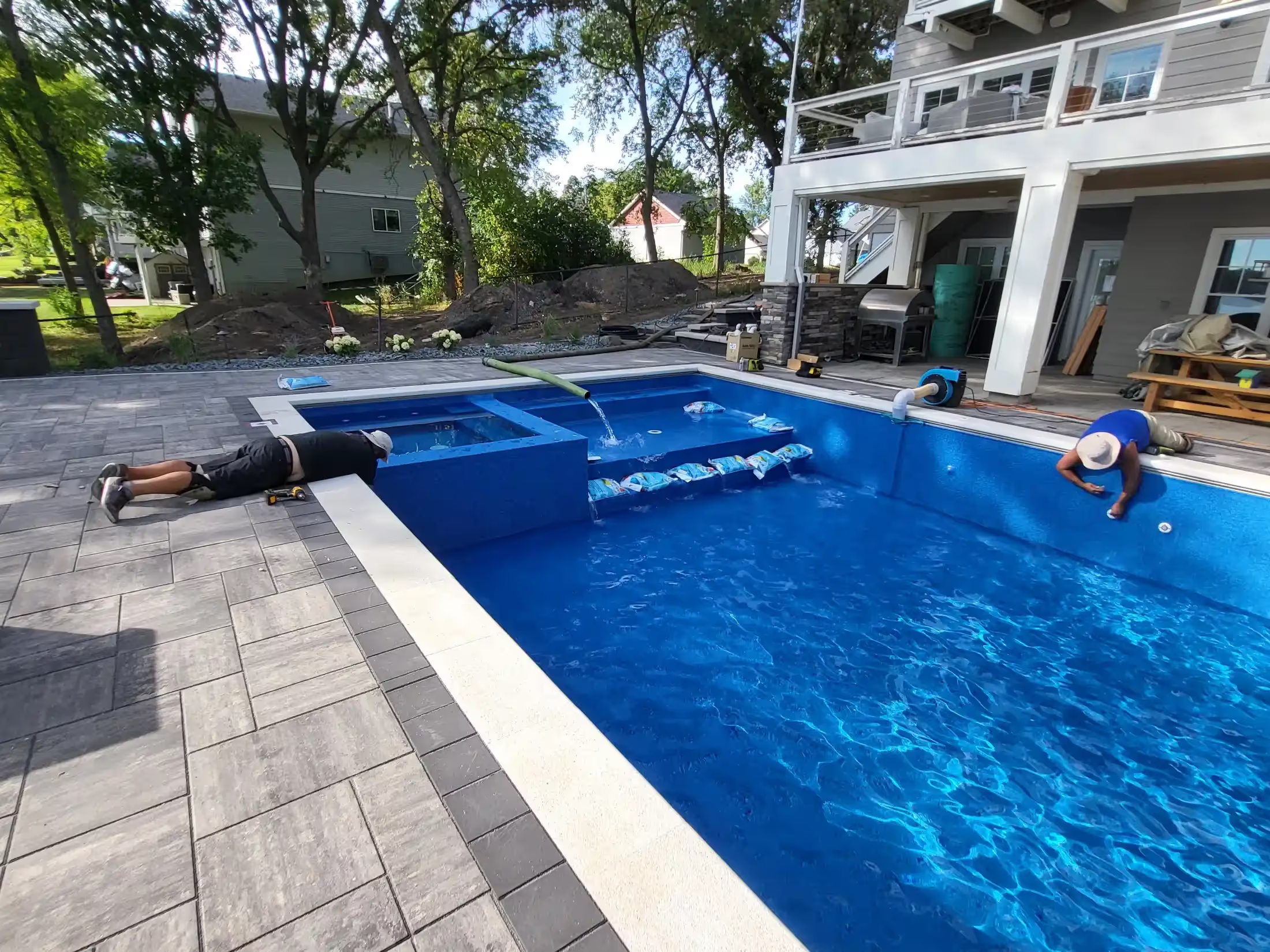
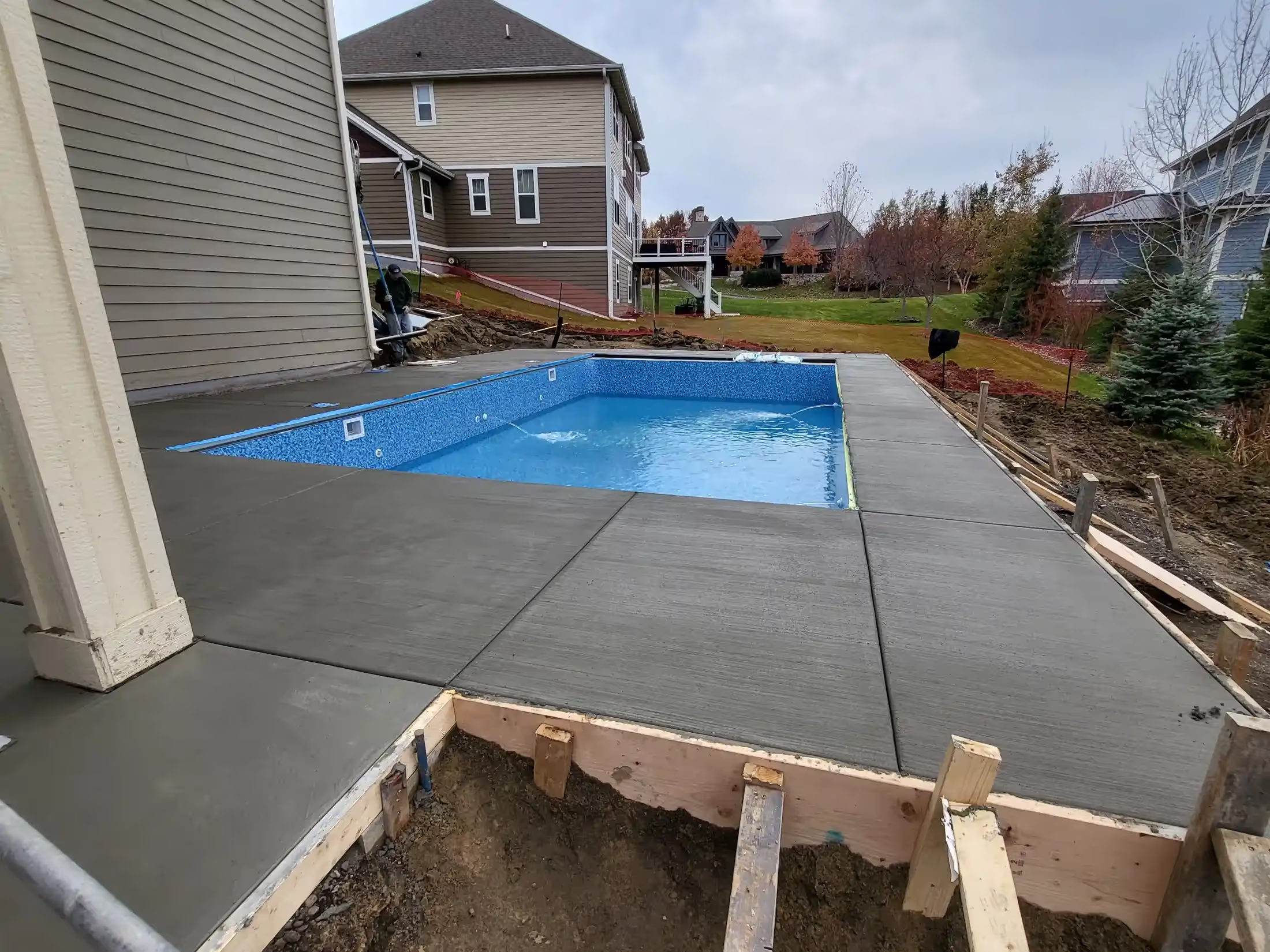
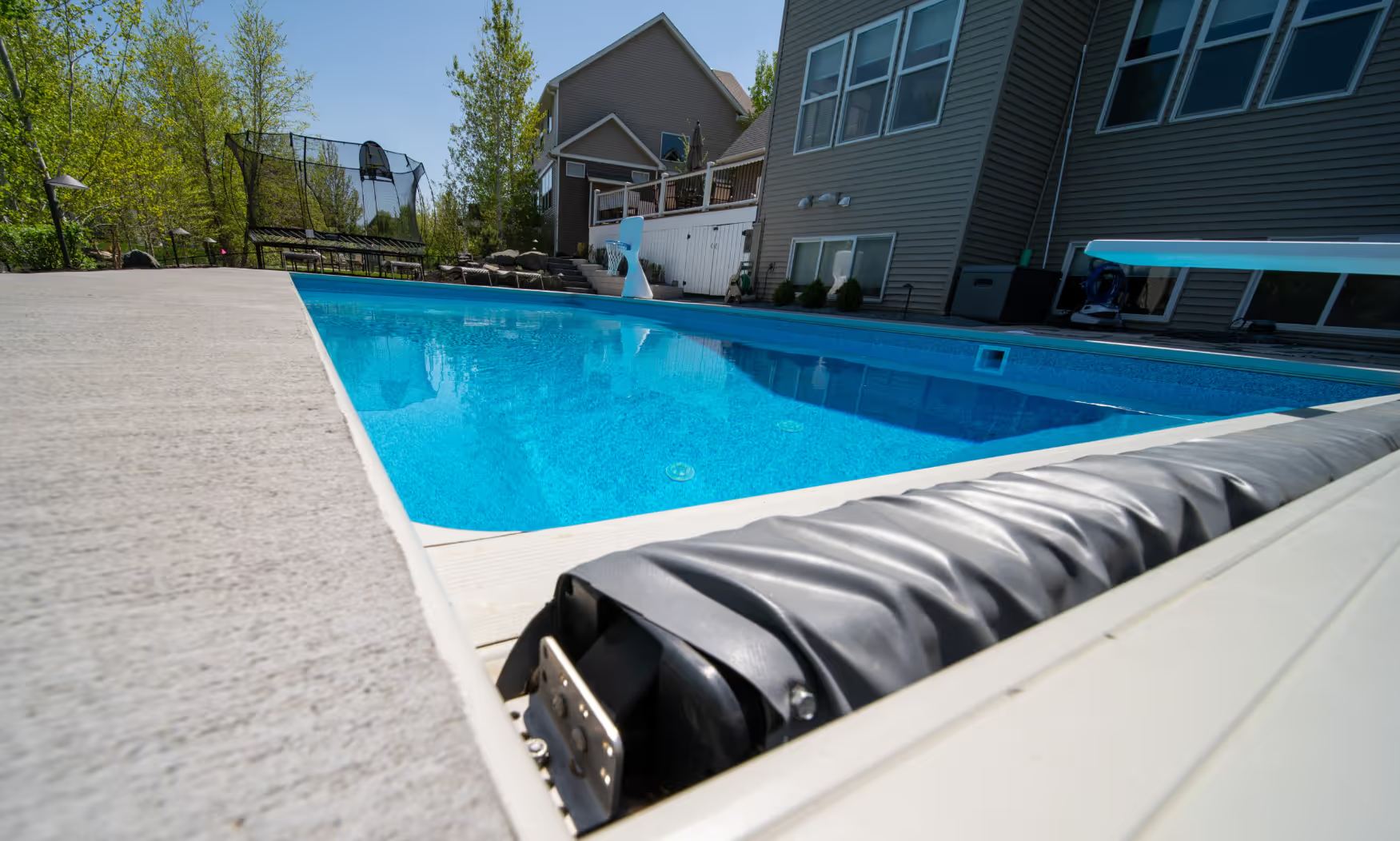
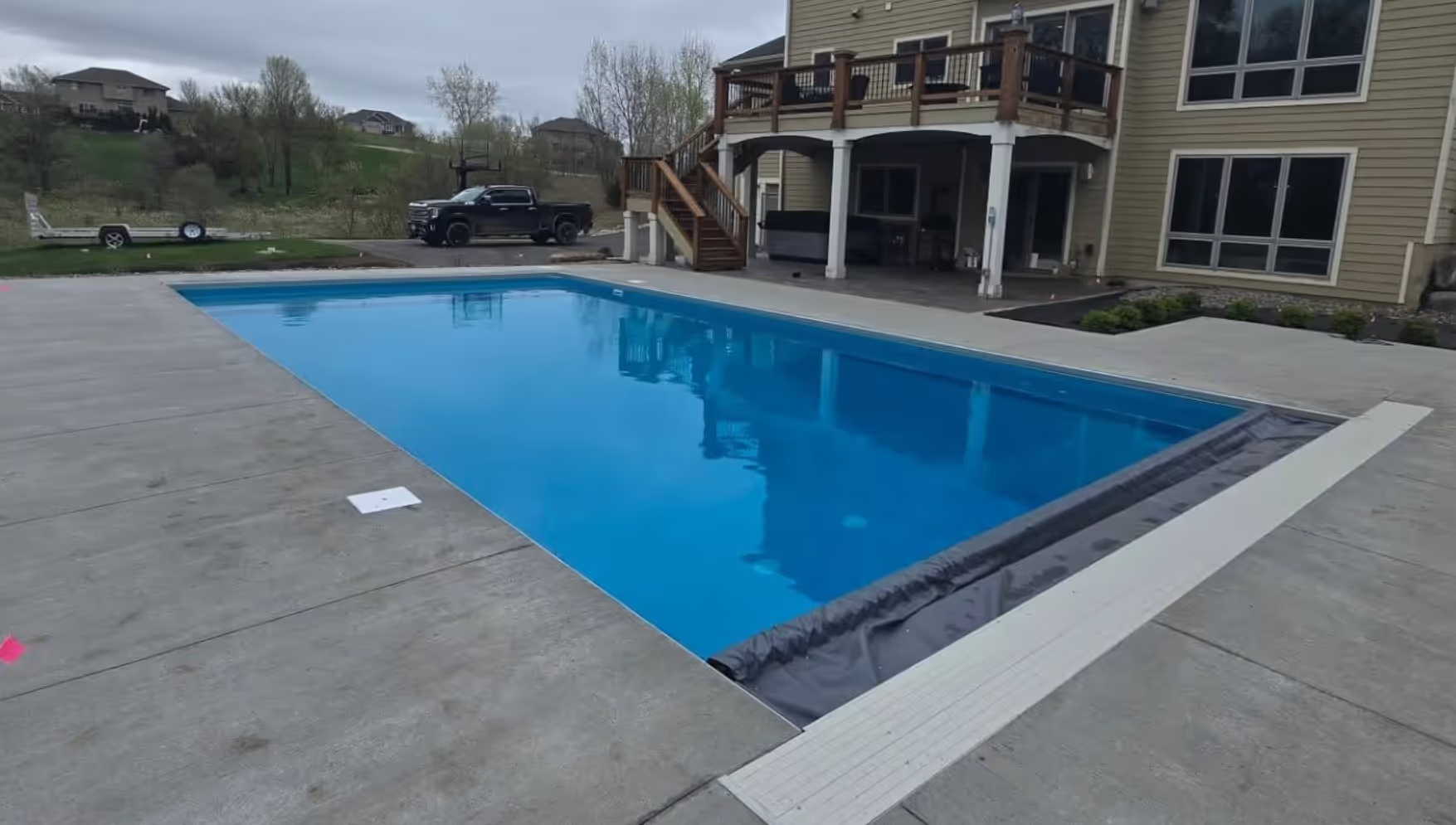
When most people talk about "pool costs," they're referring to the upfront investment. For a quality inground pool in Minnesota, you should expect to invest between $90,000 and $125,000 with Plan Pools. This includes your pool structure, premium salt water chlorination system, automated safety cover, quality equipment, and essential concrete decking.
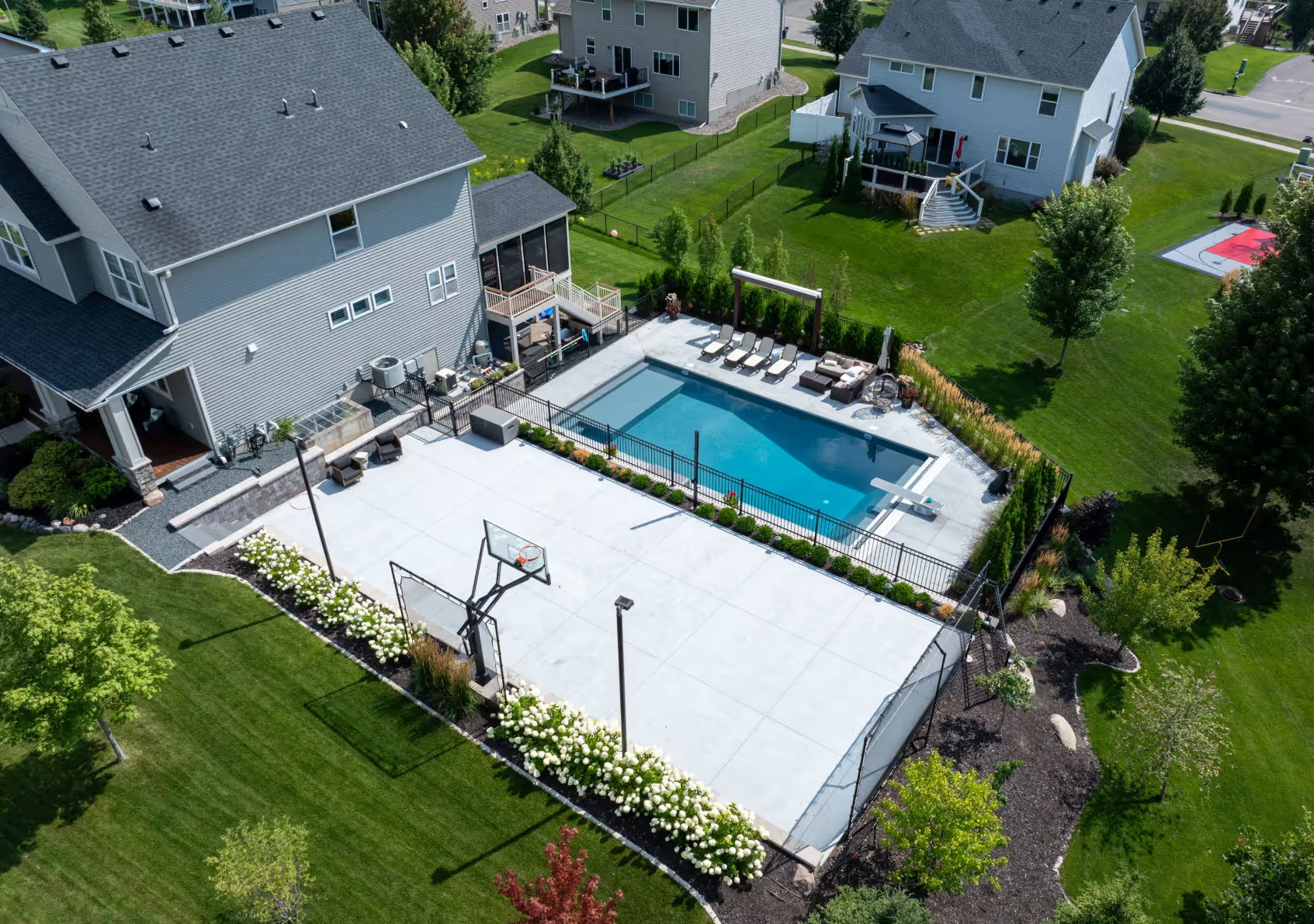
Additional landscaping, extended hardscaping, outdoor living features, fencing, and extensive yard work can bring total project costs to $150,000-$200,000 or more, depending on your vision and property needs.
But installation is just the beginning. Over a pool's 30-40 year lifespan, you'll incur ongoing costs for:
These lifetime costs can easily exceed your initial investment—sometimes by a factor of two or three—depending on the construction method and equipment choices you make upfront.
Let's be honest: Minnesota is not Florida. Our swimming season is short, our nights are cool even in summer, and our spring and fall temperatures can be downright chilly. If you want to actually use your pool from May through September, heating isn't optional—it's essential.
Heating costs represent 40-60% of total annual pool operating expenses for most Minnesota pool owners. Over a 30-year pool lifespan, heating alone can cost $60,000-$150,000 or more, depending on your pool's construction and insulation.
Traditional steel wall pools are heating nightmares in Minnesota. Here's why:
Steel is an excellent thermal conductor, which means it efficiently transfers heat away from your pool water into the surrounding cooler soil. Your vinyl liner sits directly against this steel wall, allowing heat to escape constantly through conduction.
The typical steel wall pool owner in Minnesota spends $2,500-$4,000 per year on heating during a 4-5 month season. Over 30 years, that's $75,000-$120,000 just to keep the water comfortable.
Worse yet, many steel wall pool owners give up on heating altogether because the costs are prohibitive. They resign themselves to frigid water in May and September, and even in July and August, their pool never quite gets warm enough for comfortable swimming after sunset.
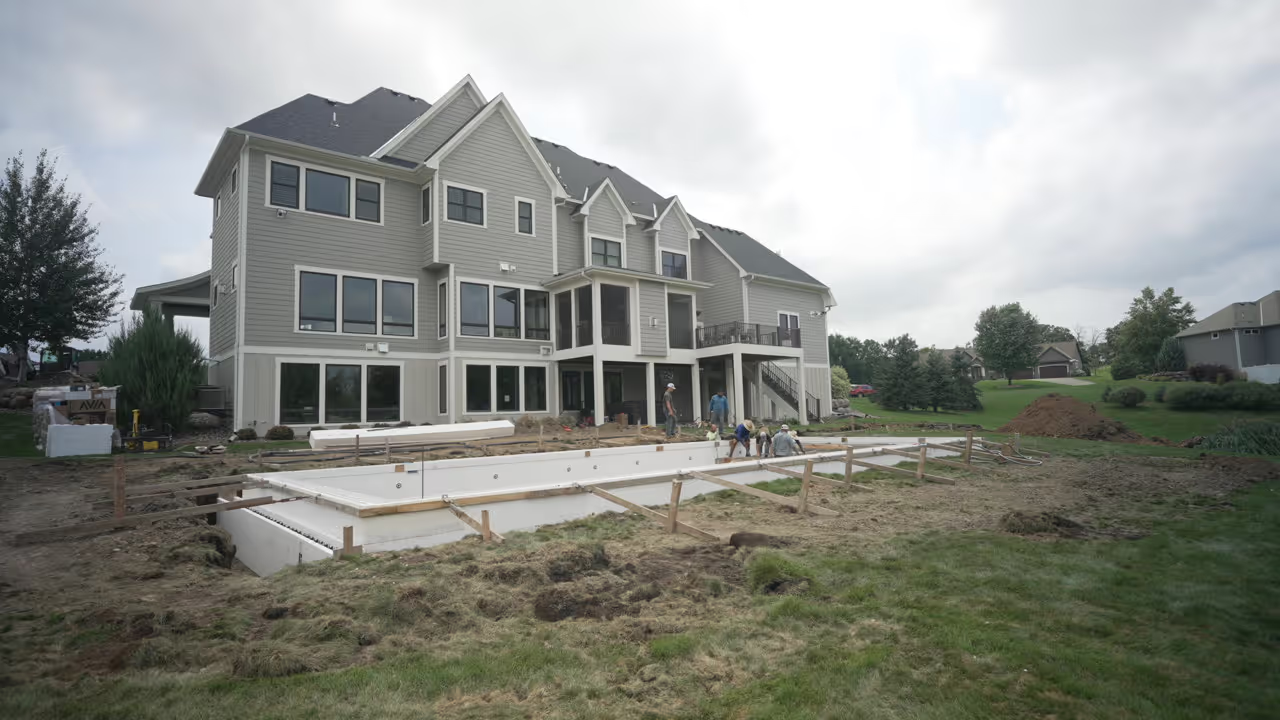
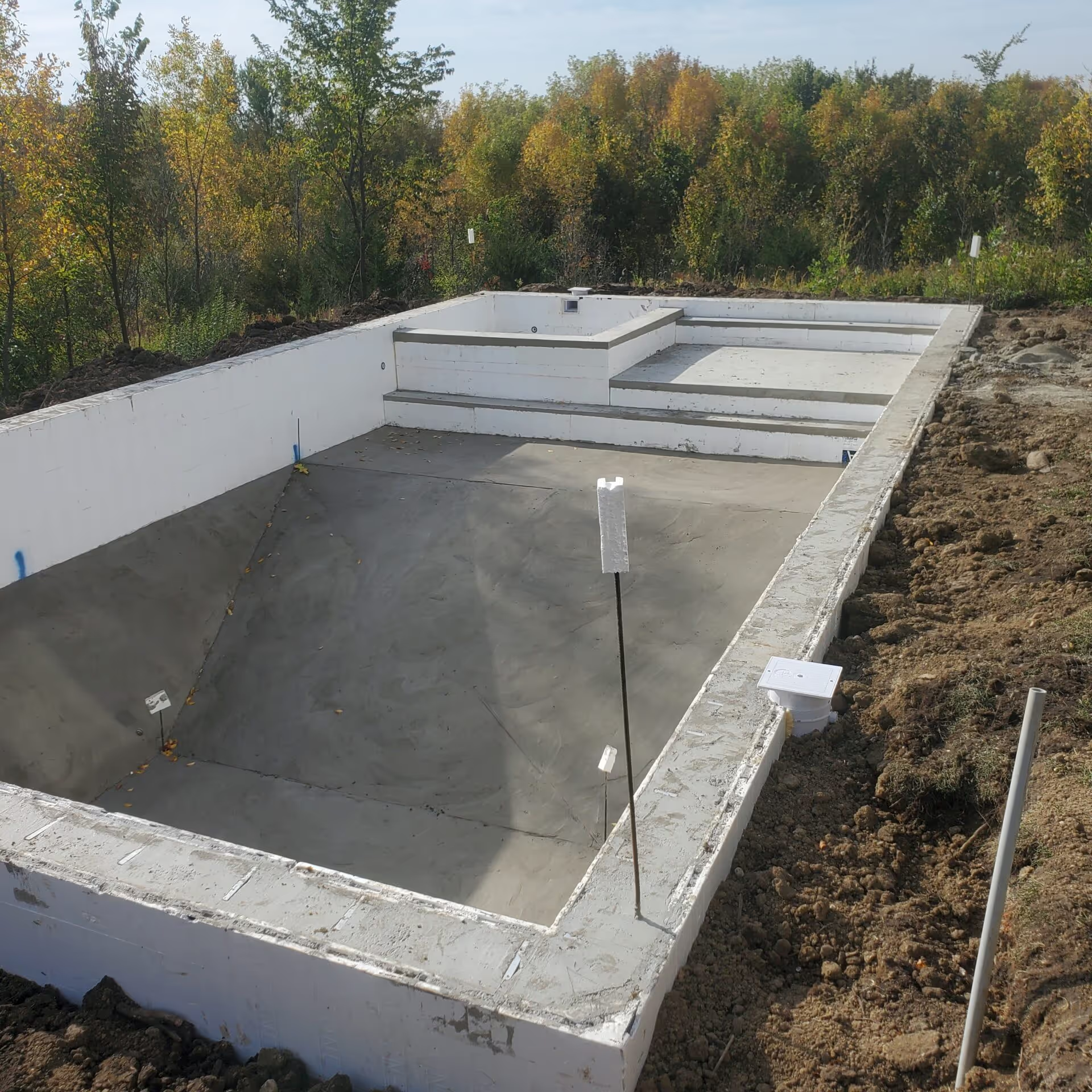
Plan Pools' ICF (Insulated Concrete Form) construction changes the heating cost equation dramatically. The two layers of rigid foam insulation on both sides of the concrete wall create a thermal barrier that keeps heat in your pool instead of conducting it into the soil.
Our ICF pool customers typically spend $1,000-$1,600 per year on heating—a 60% reduction compared to steel wall pools. Over 30 years, that's $30,000-$48,000 in heating costs versus $75,000-$120,000 for steel wall construction.
The savings over a pool's lifetime: $45,000-$72,000 or more.
Let's look at typical first-year operating costs for both construction types in Minnesota:
Steel Wall Pool Annual Costs:
ICF Pool Annual Costs:
Annual savings with ICF: $1,920
Over a decade, the cost difference becomes substantial:
Steel Wall Pool (10 years):
ICF Pool (10 years):
10-year savings with ICF: $23,200
Now let's project the full lifetime of your pool:
Steel Wall Pool (30 years):
ICF Pool (30 years):
30-year savings with ICF: $82,600
This is where it gets interesting. Let's calculate the actual cost every time you use your pool:
Total lifetime investment:
Estimated pool uses over 30 years:
Cost per swim: $267
That's right—every time your family uses a steel wall pool, it's costing you nearly $270 when you account for the complete lifetime investment.
Total lifetime investment:
Estimated pool uses over 30 years:
Cost per swim: $137
With ICF construction, you're spending roughly half as much per swim—and that's before considering that you're actually using your pool 50% more often because it's comfortable to swim in earlier and later in the season.
Steel wall pools in Minnesota frequently experience structural issues related to freeze-thaw cycles and inadequate soil compaction. When your pool walls shift, your deck cracks. When your deck cracks, water infiltrates, causing further freeze-thaw damage.
Deck replacement costs $15,000-$35,000. If you need to replace your deck even once over your pool's lifetime, add that to your steel wall pool calculation. Many steel wall pool owners face this expense multiple times.
ICF pools with proper soil compaction rarely require deck replacement beyond normal surface refinishing.
Here's a cost that doesn't show up on spreadsheets but matters enormously: lost enjoyment. When your pool is too expensive to heat comfortably, you lose swimming days—especially in May, early June, September, and those chilly August evenings.
A steel wall pool owner might get 80-100 comfortable swimming days per season. An ICF pool owner often enjoys 120-140 days because the pool heats faster, stays warmer, and is economical to heat even when temperatures aren't perfect.
Over 30 years, that's 1,200-1,800 additional days of pool enjoyment—or roughly 3-5 extra summers' worth of swimming.
When you eventually sell your Minnesota home, pool construction quality matters to buyers. An ICF pool with low operating costs and proven durability is a selling feature. A steel wall pool with high heating costs and potential structural issues can actually reduce your home's appeal to buyers who understand lifetime ownership costs.
Gas Heaters: Fast heating but expensive to operate, especially with steel wall pools. Many Minnesota steel wall pool owners spend $200-$400 per month on gas during peak season.
Heat Pumps: More efficient but slower to heat. They work much better with ICF pools because the insulation retains the heat they generate. With steel walls, the heat pumps fight a losing battle against heat loss through the walls.
Solar Heating: Can supplement but rarely provides complete heating in Minnesota. Most effective when combined with ICF construction and another primary heat source.
Variable-speed pumps cost more upfront ($800-$1,500) but reduce electricity costs by 50-80% compared to single-speed pumps. Over 15 years, the savings typically exceed $6,000-$9,000.
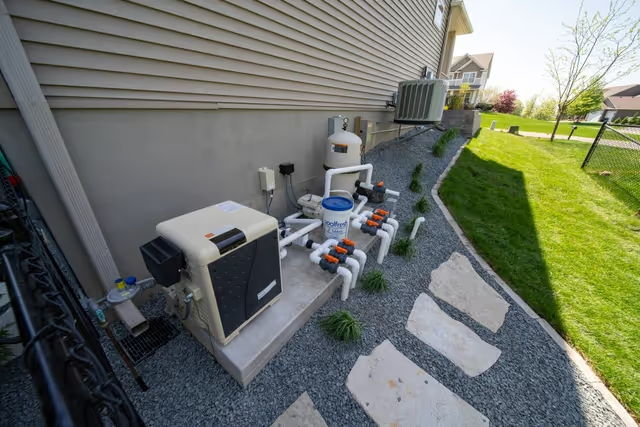
Automation systems allow you to optimize heating schedules, reducing waste and maximizing efficiency. They're particularly valuable with ICF pools, where the insulation allows you to heat once and maintain temperature rather than constantly reheating.
Automated safety covers cost $7,000-$12,000 but reduce heat loss overnight by 70-95%, chemical usage by 30-50%, and evaporation by 95%. For Minnesota pools, a quality cover pays for itself within 5-7 years through reduced heating and chemical costs.
Plan Pools includes premium automated safety covers as standard equipment because we know they're essential for Minnesota pool economics.
Let's summarize the complete lifetime financial comparison:
ICF construction typically costs $10,000-$15,000 more than steel wall construction. This includes the upgraded wall system and enhanced construction methods.
Total 30-year advantage: $60,000-$100,000+
The additional investment in ICF construction typically pays for itself within 5-7 years through reduced heating costs alone. Every year after that represents pure savings—money that stays in your pocket instead of going to the gas or electric company.
When you're investing six figures in a backyard pool, the last thing you want is buyer's remorse. The key to long-term satisfaction is understanding total lifetime costs before you build.
Questions to ask any pool contractor:
At Plan Pools, we're transparent about these numbers because we're confident in our construction methods. We don't make our profit by selling you a cheap pool that will cost you a fortune to operate. We make our profit by delivering a premium product that actually saves you money year after year while providing superior enjoyment.
When you calculate the real cost per swim—accounting for initial investment, lifetime operating costs, and total swimming days over the pool's lifespan—ICF construction delivers approximately half the cost of steel wall construction.
That's the power of building it right from the start. A slightly higher upfront investment in superior construction methods pays dividends every single year for decades.
Ready to see the exact numbers for your specific project? Contact Plan Pools today at 952-994-6032. We'll provide a detailed lifetime cost analysis showing exactly what you can expect to invest initially and annually, along with projected savings over 10, 20, and 30 years.
Because the best pool isn't the one that costs the least to build—it's the one that costs the least to own and delivers the most enjoyment over its lifetime. That's the Plan Pools difference.