Did freezing temperatures damage your pool? Consider these prevention tips.
Minnesota pool owners face a reality that homeowners in warmer climates never consider: the threat of catastrophic winter ice damage. When temperatures regularly plunge to -20°F or colder and stay below freezing for months at a time, even properly winterized pools face extreme stresses that can cause structural failure, equipment damage, and expensive repairs.
At Plan Pools, we've seen the aftermath of winter pool damage—and we've engineered our ICF (Insulated Concrete Form) construction specifically to withstand Minnesota's brutal winters. More importantly, we've learned what causes winter damage, how to prevent it, and what to do if the worst happens.
Water expands approximately 9% when it freezes. In Minnesota's sustained sub-zero temperatures, this expansion creates enormous forces—up to thousands of pounds per square inch of pressure against pool walls, equipment, and plumbing.
The Physics of Ice Damage:
When water freezes, the ice formation starts at the surface and progresses downward. As surface ice thickens and temperatures continue dropping, the ice can actually lift and shift, exerting lateral pressure against pool walls.
In an enclosed container (like pool plumbing or equipment), freezing water has nowhere to expand except outward. This is why frozen pipes burst—the expanding ice exceeds the material strength of the pipe.
For pool structures, ice damage occurs when:
Structural Wall Damage:
The most catastrophic damage occurs when pool walls crack, buckle, or collapse under ice pressure. This is more common with steel wall pools (which we'll discuss shortly) but can happen to any pool if certain conditions align.
Signs of structural damage:
Plumbing Failures:
Underground plumbing lines are vulnerable if water wasn't properly blown out during winterization. Frozen water in pipes can cause:
Equipment Damage:
Pool equipment left with water inside can suffer catastrophic failures:
Liner Damage:
Vinyl pool liners face unique winter risks:
Deck and Coping Damage:
The hardscaping around your pool experiences freeze-thaw cycles:
Minnesota's winters create particularly severe conditions:
Extended Deep Freeze: We don't just have cold snaps—we have sustained cold. Weeks of continuous below-zero temperatures allow ice to penetrate deeply and create massive ice sheets.
Extreme Temperature Swings: Occasional January thaws followed by flash freezes create additional stress through rapid expansion and contraction.
Deep Frost Penetration: Minnesota frost lines reach 3-6 feet deep. This means freezing temperatures affect underground plumbing and the soil around pool structures.
Heavy Snow Loads: Accumulated snow on pool covers adds hundreds or thousands of pounds of weight, creating additional structural stress.
Spring Thaw Complications: Rapid spring thaw can cause water table surges that can lift empty pools or push against walls.
Traditional steel wall pools face severe disadvantages in Minnesota:
Inadequate Structural Strength:
Steel wall pools rely on water pressure from inside the pool to maintain their shape. When winterized and partially drained, the inward water pressure is reduced or eliminated. The backfill soil behind the walls now pushes inward without water pushing outward to counterbalance it.
Add Minnesota's freeze-thaw cycles to this equation: soil freezes, expands, and pushes against the walls with enormous force. Steel walls, lacking the water pressure to resist this force, can buckle, bow inward, or collapse entirely.
Poor Soil Compaction:
Steel wall pools require support braces during backfilling, which prevent thorough soil compaction. Poorly compacted soil allows water to accumulate around pool walls. When this water freezes, it expands, pushing even harder against the walls.
Corrosion Vulnerabilities:
Minnesota's freeze-thaw cycles allow water to penetrate any tiny rust spots or corrosion points on steel walls. When this water freezes, it can cause the steel to split or rupture.
Salt from pool water (if using salt chlorination, which you should be) and from winter pool treatments can accelerate corrosion, creating weak points where ice pressure can cause failure.
Movement and Shifting:
Steel wall pools are more flexible than concrete structures, which sounds like an advantage but isn't. In Minnesota winters, this flexibility allows the walls to shift and move with freeze-thaw cycles. Over multiple winters, this repeated movement stresses connections, cracks liners, and creates structural weaknesses.
We've seen steel wall pools in the Twin Cities area suffer catastrophic winter failures requiring complete pool replacement—typically after 7-15 Minnesota winters.
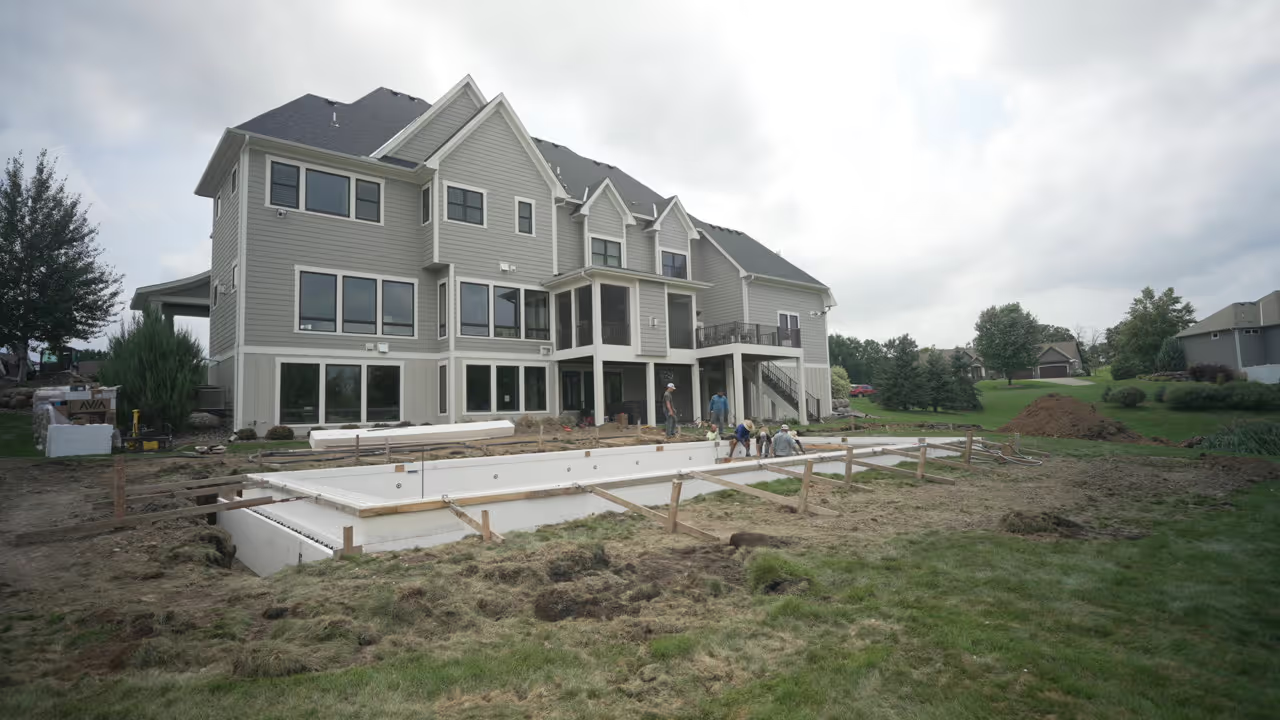
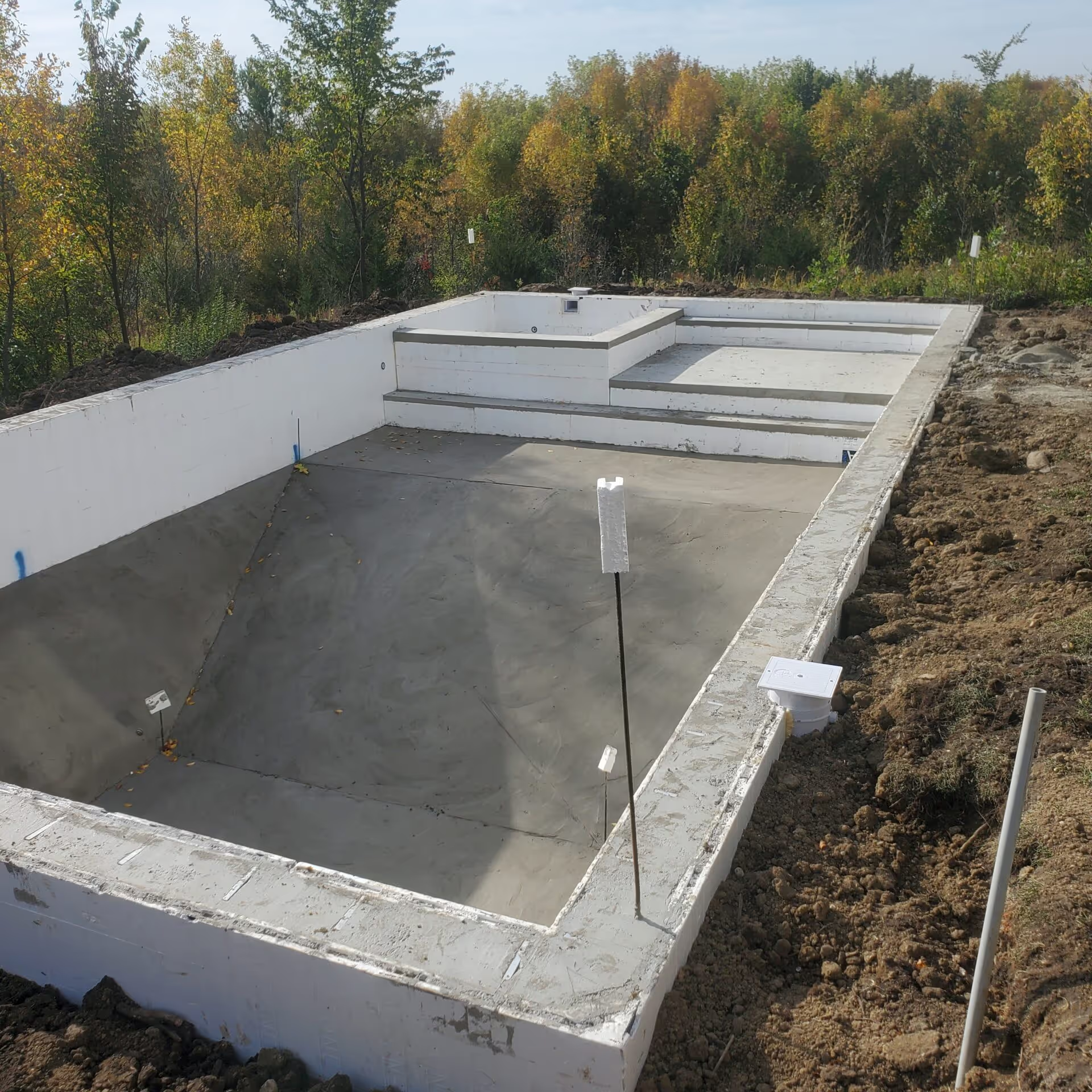
Plan Pools' ICF (Insulated Concrete Form) construction eliminates virtually all winter damage risks through superior engineering:
Monolithic Concrete Strength:
ICF pools use rebar-reinforced concrete 6-8 inches thick—thicker than most house foundations. This creates a unified structure that resists ice pressure without requiring internal water pressure for stability.
Unlike steel walls that depend on water to maintain shape, ICF concrete walls maintain their integrity whether the pool is full, half-full, or empty. Ice can push all it wants—the walls aren't moving.
Complete Soil Compaction:
Without support braces interfering, we can thoroughly compact backfill soil around ICF pools. Properly compacted soil:
No Corrosion Vulnerability:
Concrete doesn't corrode like steel. While concrete can deteriorate over decades if improperly protected, properly installed ICF pools with quality waterproofing show no degradation even after 40+ years of Minnesota winters.
Insulation Benefits:
The rigid foam insulation in ICF construction provides an additional winter advantage: thermal mass. The insulation reduces temperature fluctuations in the concrete, minimizing expansion and contraction cycles that can cause micro-cracking.
This insulation also reduces frost penetration immediately around the pool structure, creating a more stable thermal environment.
Lifetime Structural Warranty:
Plan Pools offers lifetime structural warranties on our ICF pool walls. We can do this confidently because we know these pools are engineered specifically for Minnesota's extreme conditions. We've built hundreds of ICF pools throughout the Twin Cities, and winter structural damage simply doesn't occur when proper winterization protocols are followed.
The single most important factor in preventing winter pool damage isn't construction method (though that's critical)—it's proper winterization. Even the best-built pool can suffer damage if incorrectly winterized.
Step 1: Timing (Mid-to-Late September)
Winterize after your last swim but before sustained freezing temperatures arrive. In Minnesota, this typically means late September or early October. Don't wait until the last minute—an unexpected early freeze can cause damage before you're ready.
Step 2: Water Level Management
This is critical and often misunderstood:
For Vinyl Liner Pools: Lower water 18-24 inches below normal operating level (below return lines and skimmer). This prevents ice from forming in plumbing and puts ice formation below equipment level. However, never drain vinyl liner pools completely—the liner needs water weight to maintain position, and groundwater pressure can push the liner out of place if the pool is empty.
For Plaster/Concrete Pools: Similar water level requirements, though these pools can handle complete draining if necessary (rarely recommended except for major repairs).
Important: The water level must be below all plumbing returns, skimmers, and lights to prevent ice from forming in these areas and causing damage.
Step 3: Plumbing Blowout
Every drop of water must be removed from underground plumbing:
Critical for Minnesota: Don't skimp on this step. One cup of water left in a pipe can cause hundreds of dollars in damage when it freezes.
Step 4: Equipment Protection
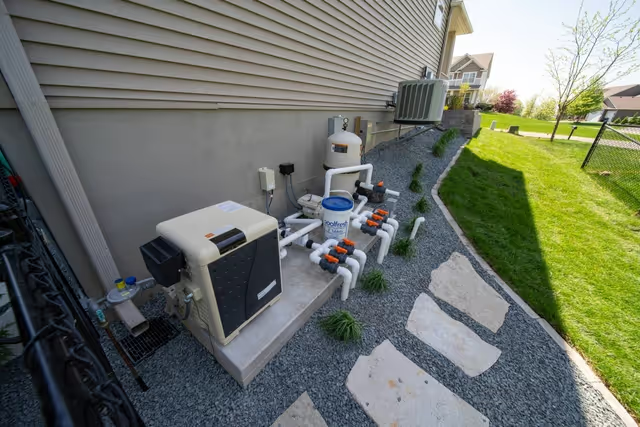
All pool equipment must be drained and winterized:
Pump:
Filter:
Heater:
Salt Chlorine Generator:
Chemical Feeders:
Step 5: Chemical Treatment
Add winterizing chemicals to prevent algae growth and protect water quality:
Adjust water chemistry before closing:
Step 6: Cover Installation
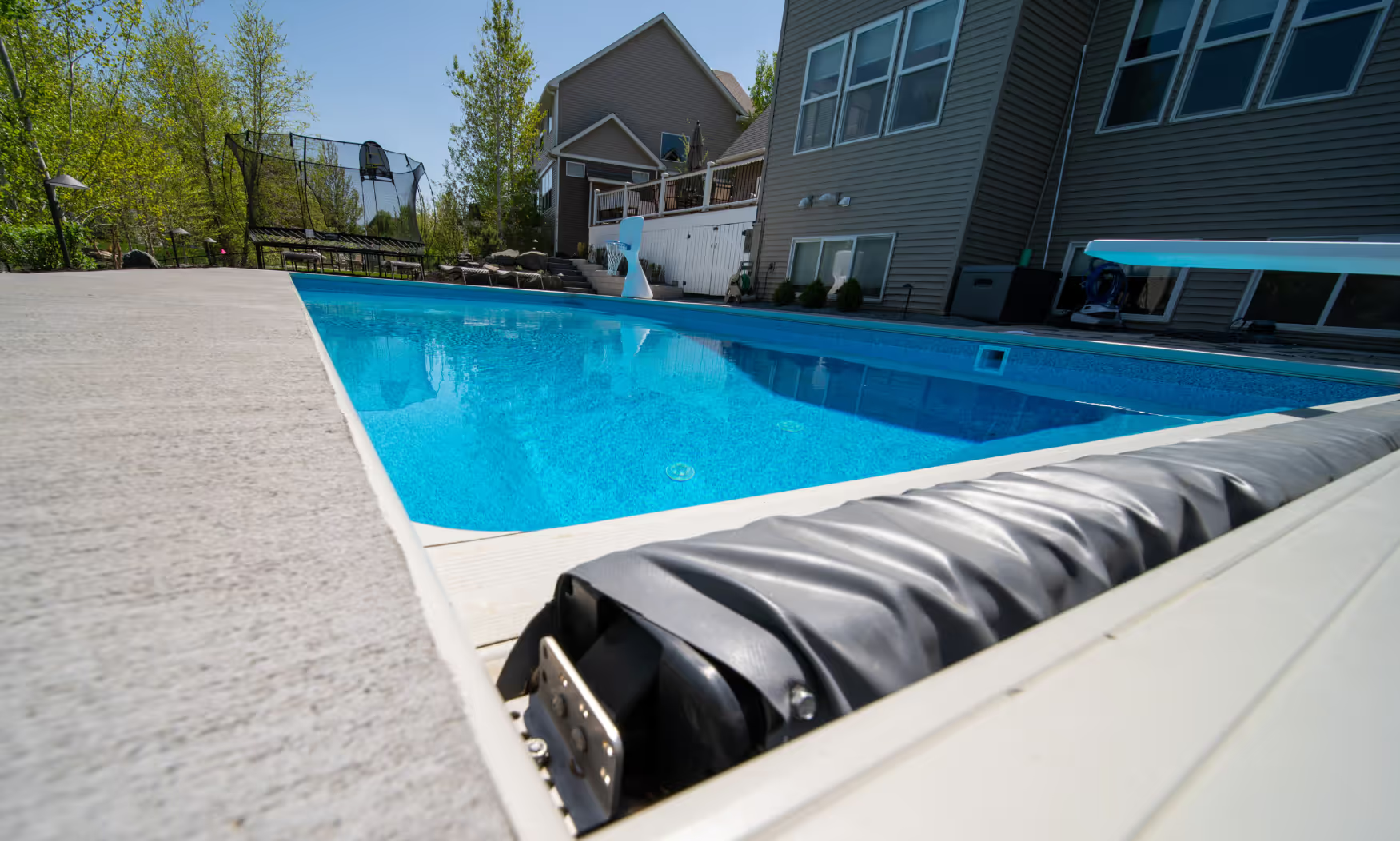
Install a quality safety cover that:
Plan Pools includes premium automated safety covers as standard because they provide the best winter protection, keeping debris out while supporting snow and ice loads.
Mistake 1: Waiting Too Long
An unexpected freeze before winterization can cause immediate damage. Start preparing in mid-September, complete winterization by early October.
Mistake 2: Inadequate Plumbing Blowout
"Pretty sure I got all the water out" isn't good enough. Be thorough. Run the air compressor until you're absolutely certain no water remains.
Mistake 3: Wrong Water Level
Too high: Ice forms in skimmers and returns, causing damage
Too low (for vinyl liner pools): Liner can shift, or groundwater can push liner out of position
Goldilocks level: 18-24 inches below normal operating level
Mistake 4: Skipping Equipment Drainage
"It's been fine for years" works until it doesn't. One forgotten drain plug can mean a cracked pump housing in January.
Mistake 5: Poor Cover Installation
A sagging cover that collects water becomes an ice-filled weight that can damage the cover, strain anchors, and even damage pool walls in severe cases.
Despite best efforts, damage can still happen. Here's how to respond:
During Winter:
You typically won't see damage until spring opening unless it's catastrophic and visible from above (collapsed walls, dramatically shifted deck).
During Spring Opening:
This is when most winter damage reveals itself:
Visual Inspection:
Equipment Inspection:
Plumbing System Check:
If you discover significant structural damage:
1. Don't Fill the Pool
Adding water to a damaged pool can cause further damage and make repairs more difficult. Leave it at winterization level.
2. Document Everything
Take photos and videos from multiple angles. Document:
3. Contact Your Pool Builder
If you built with Plan Pools, contact us immediately. Our lifetime structural warranty covers winter damage to ICF construction when proper winterization was followed. We'll assess the damage and begin repairs.
If you didn't build with Plan Pools but are facing damage to a steel wall or other pool construction, we can evaluate whether repair is cost-effective versus replacement with proper ICF construction.
4. Contact Insurance
Significant structural damage may be covered under homeowners insurance, depending on your policy and the cause of damage. File a claim promptly and provide all documentation.
The question every pool owner facing winter damage must answer: repair the damage, or replace the entire pool?
Repair Makes Sense When:
Replacement Makes Sense When:
For steel wall pools suffering winter damage, replacement with ICF construction is often the smart choice. Why invest thousands repairing a pool that's inherently vulnerable to the same damage happening again?
Minor Plumbing Damage:
Equipment Replacement:
Liner Replacement:
Structural Repairs (ICF Pools):
Steel Wall Pool Collapse:
The costs—both financial and emotional—of winter pool damage make prevention absolutely critical. Here's Plan Pools' comprehensive prevention strategy:
The single most important prevention measure is choosing construction methods designed for Minnesota from day one:
ICF Construction: Engineered specifically to withstand freeze-thaw cycles, ice pressure, and ground movement
Superior Compaction: Thoroughly compacted backfill reduces water accumulation and freeze-thaw heaving
Quality Equipment: Premium pumps, filters, heaters, and salt systems from reputable manufacturers, designed for cold climate operation
Professional Installation: Every aspect of construction—plumbing, electrical, structural—completed to Minnesota code and best practices
Building your pool correctly the first time costs less than repairing or replacing a poorly-built pool that suffers repeated winter damage.
While experienced DIY pool owners can winterize their own pools, professional winterization services provide:
Expertise: They've winterized thousands of Minnesota pools and know exactly what's required
Proper Equipment: Commercial air compressors that completely evacuate plumbing lines
Insurance: If damage occurs despite proper winterization, professional services carry insurance
Documentation: Written records of winterization steps completed, useful for insurance claims
Peace of Mind: You know the job was done correctly
Plan Pools offers professional winterization services throughout the Twin Cities metro area. Many of our customers opt for annual winterization contracts, ensuring their pool is properly protected year after year.
While you can't do much once the pool is frozen, occasional winter checks can identify problems before they worsen:
After Major Snow Events:
During January Thaws:
Late Winter:
Don't rush spring opening when temperatures first hit 50°F. Wait until consistent temperatures make refreezing unlikely:
Timing: Late April or early May in most of Minnesota
Process: Remove cover carefully, inspect thoroughly before adding water, start equipment gradually, test all systems before full operation
If any winter damage occurred, you'll discover it during spring opening when you can address it before the swimming season.
A homeowner with a 12-year-old steel wall pool followed normal winterization procedures. An exceptionally cold January (-30°F for two weeks) caused the backfill soil to freeze deeply and expand. The steel walls, lacking adequate internal water pressure and surrounded by poorly compacted soil, buckled inward dramatically.
Damage: Complete structural failure, walls collapsed inward, liner destroyed
Repair Cost: Not repairable
Solution: Complete pool replacement with ICF construction
Total Cost: $95,000
Prevention: Could have been avoided with ICF construction from the start
A homeowner attempting DIY winterization didn't completely drain their heater. A small amount of water remained in the heat exchanger. When temperatures dropped, the frozen water cracked the heat exchanger beyond repair.
Damage: Heater heat exchanger completely destroyed
Repair Cost: $3,500 (heater replacement)
Solution: Professional winterization or more thorough DIY procedure
Prevention: Proper equipment draining and following manufacturer winterization procedures
Heavy snow melt and spring rains caused elevated groundwater. A vinyl liner pool that had been drained too low during winter had its liner pushed completely out of position by groundwater pressure.
Damage: Liner pulled from walls, wrinkled beyond repair
Repair Cost: $5,500 (new liner installation)
Solution: Maintaining proper winter water level
Prevention: Never drain vinyl liner pools too low, even in winter
Underground return line wasn't completely blown out during winterization. Water remained in a low spot in the plumbing. When frozen, the pipe burst underground, creating a hidden leak.
Damage: Discovered during spring startup when water level dropped rapidly
Repair Cost: $2,800 (excavation, pipe replacement, restoration)
Solution: More thorough plumbing blowout
Prevention: Professional winterization with proper equipment
A Plan Pools ICF pool properly winterized has survived 15 consecutive Minnesota winters without any winter-related damage. The homeowners have experienced:
Total winter damage costs over 15 years: $0
Why: Proper construction + proper winterization = reliable winter survival
This is the standard for Plan Pools ICF construction throughout the Twin Cities area.
No. Water must be lowered below skimmers and returns to prevent ice from forming in plumbing and equipment. Completely full pools can suffer skimmer damage and plumbing failures.
Always winterize fully. Minnesota can have sudden cold snaps even during mild winters, and one night at -20°F can cause thousands in damage to an improperly winterized pool.
Sometimes. Coverage depends on your specific policy and the cause of damage. Damage from "freezing" is often excluded, but damage from "ice" or "weight of snow" might be covered. Review your policy and discuss with your agent.
Spring startup leak detection should include:
Plan Pools can assist with leak detection and repair for our customers.
With ICF construction and proper winterization, the risk is essentially eliminated. We've never seen winter structural damage to a properly winterized Plan Pools ICF pool in hundreds of installations over 15+ years.
Minnesota's winters are unforgiving, and pools that aren't designed and maintained for our climate will eventually fail. The choice is clear:
Option 1: Build with steel wall construction, accept ongoing risk, hope for the best, budget for potential catastrophic failure
Option 2: Build with Plan Pools ICF construction, follow proper winterization, enjoy decades of worry-free winters
The investment in proper construction and maintenance is a fraction of the cost of repairing or replacing a pool damaged by Minnesota winters.
At Plan Pools, we've spent over a decade perfecting ICF pool construction specifically for Minnesota conditions. Our pools are engineered to withstand our brutal winters, backed by lifetime structural warranties, and proven through hundreds of installations from Lakeville to Stillwater, Eden Prairie to Maple Grove.
When you build with Plan Pools, you're not just getting a beautiful pool—you're getting peace of mind knowing your investment will survive Minnesota's winters year after year without costly damage.
Ready to build a pool that's truly engineered for Minnesota? Contact Plan Pools today. We'll show you exactly why ICF construction eliminates winter damage concerns and how our comprehensive winterization services protect your investment season after season.
Because the best pools aren't just beautiful in summer—they're indestructible in winter. That's the Plan Pools guarantee, proven by hundreds of Minnesota winters without failures.