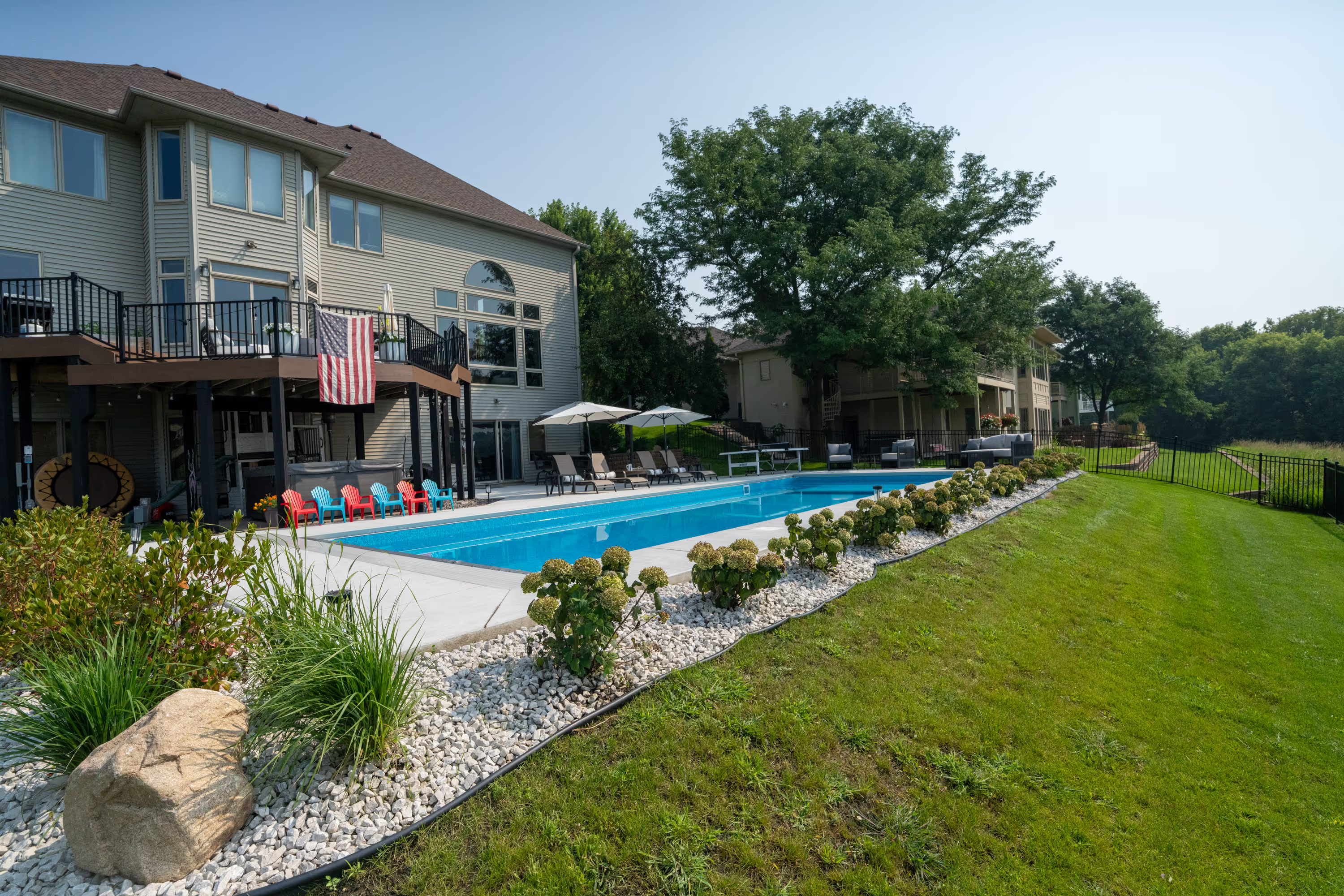
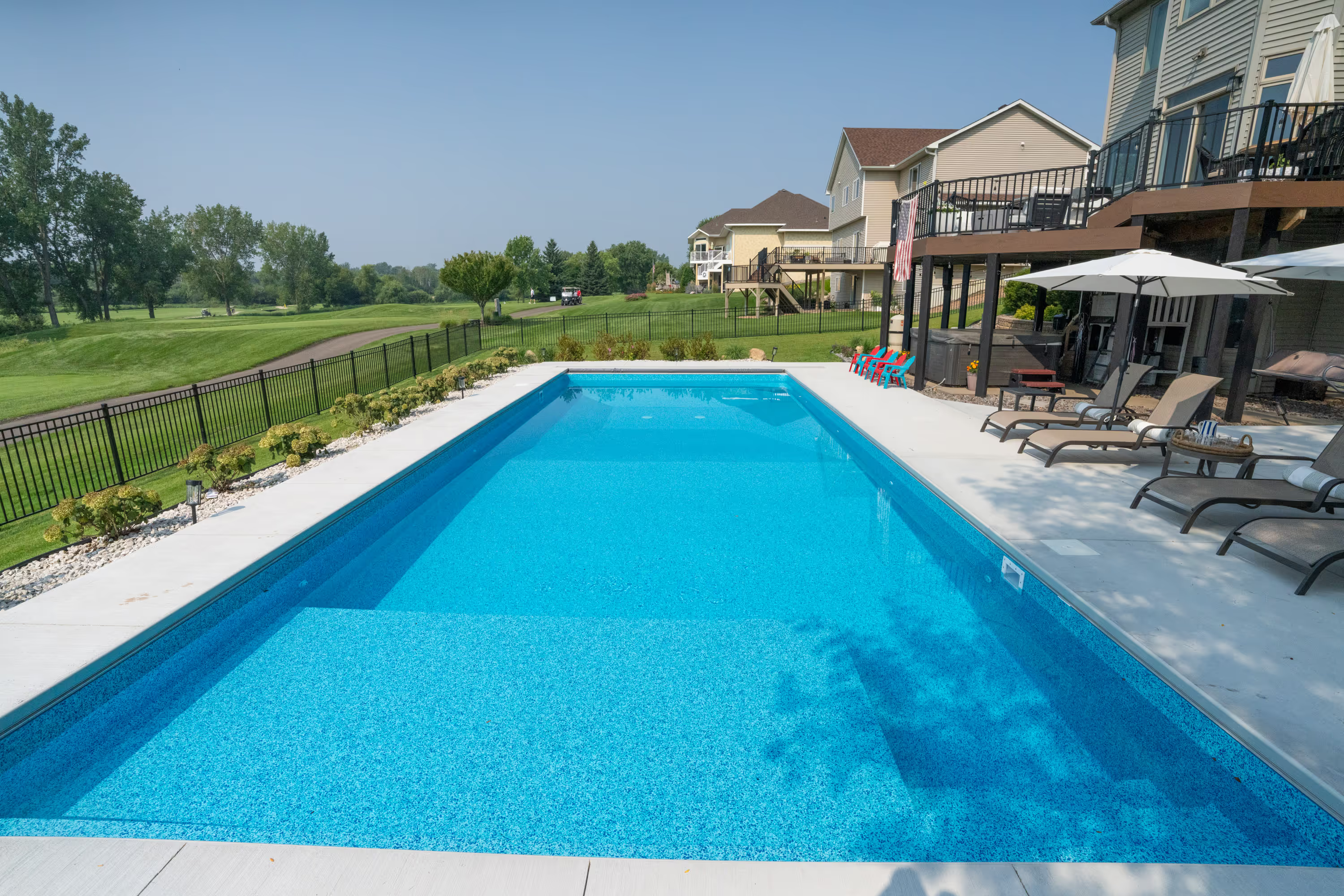
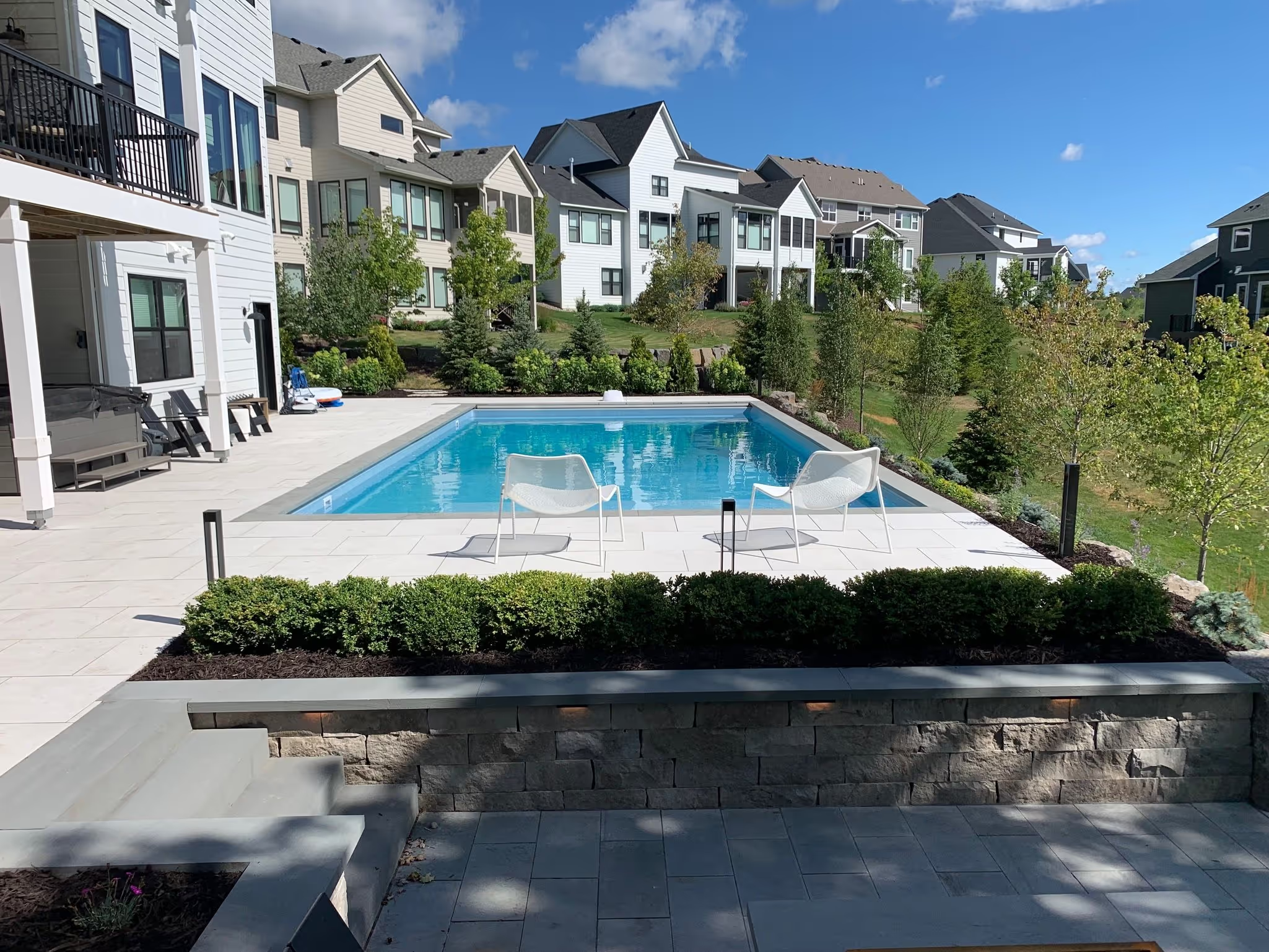
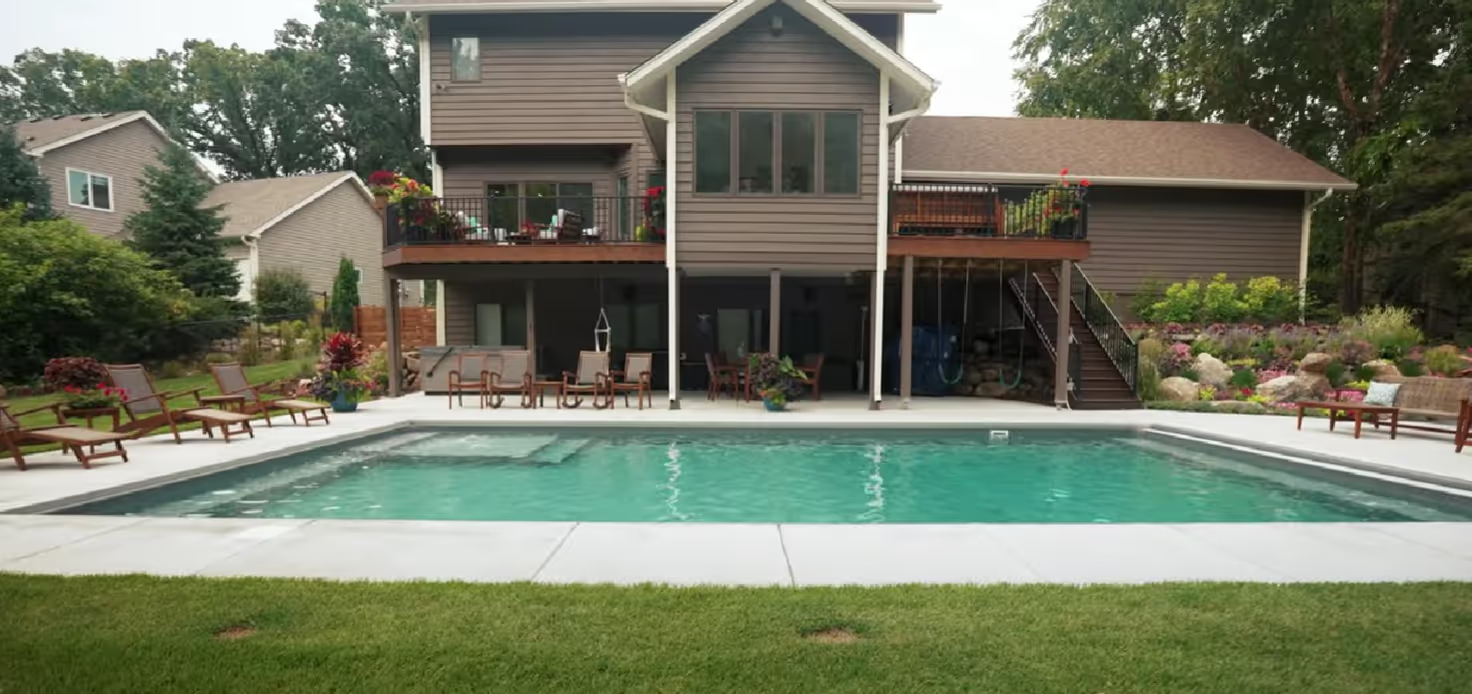
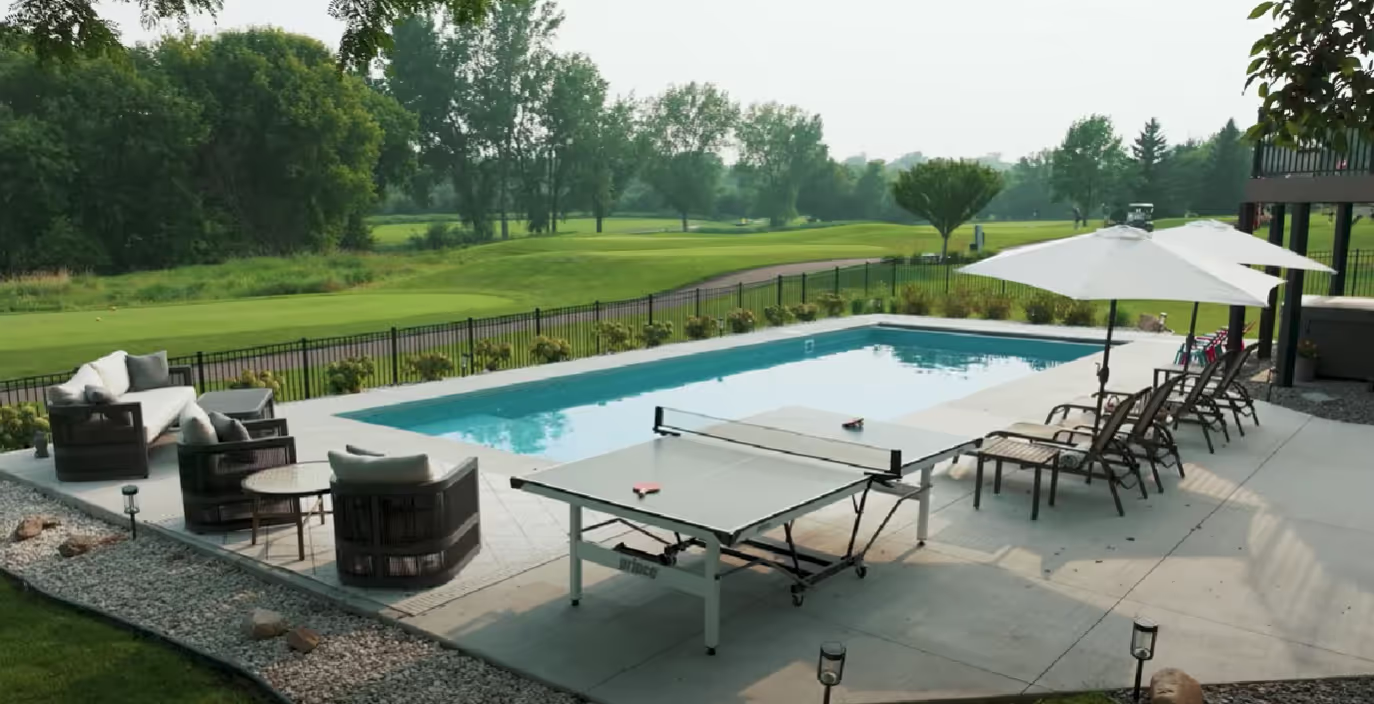
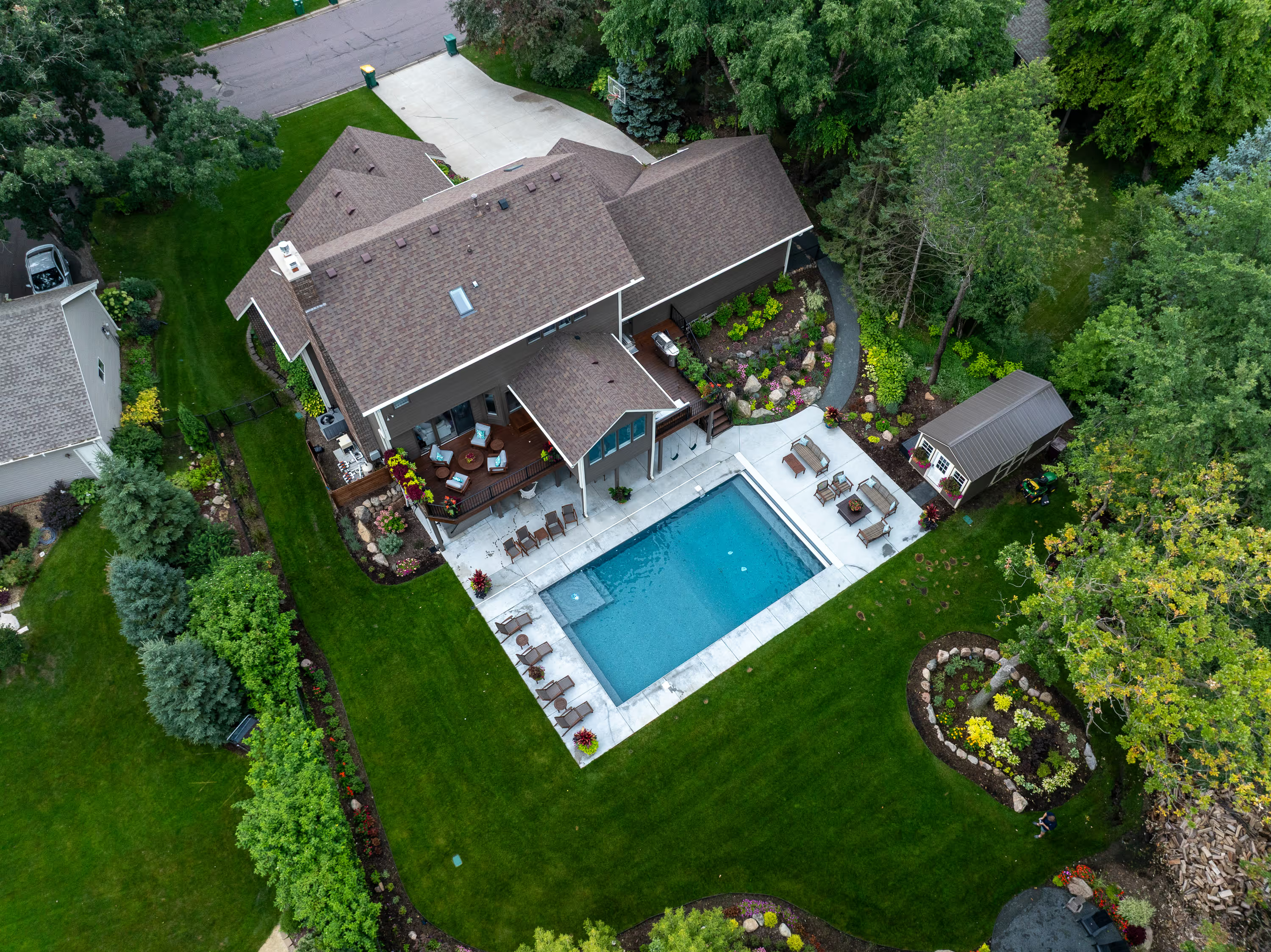
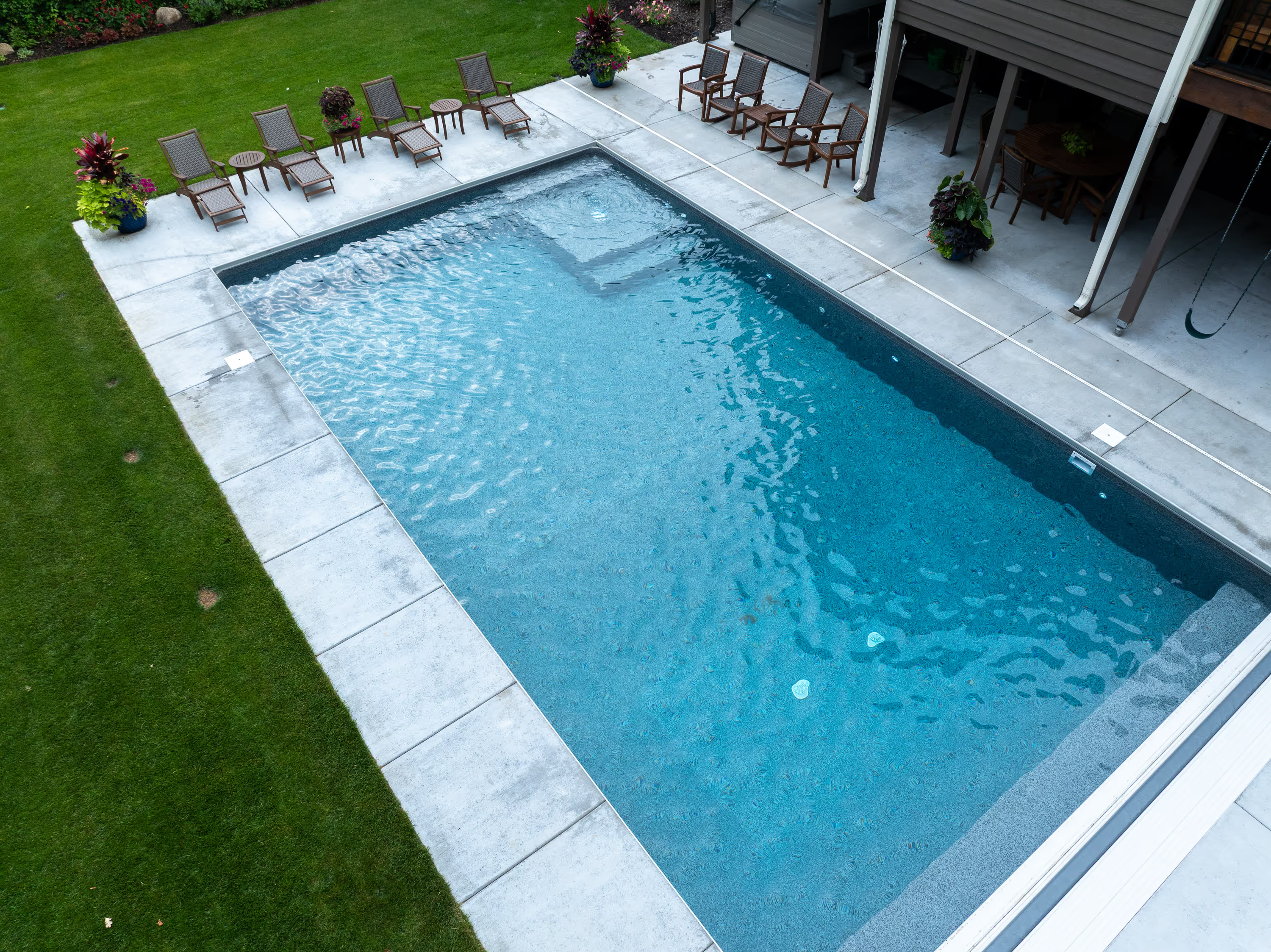
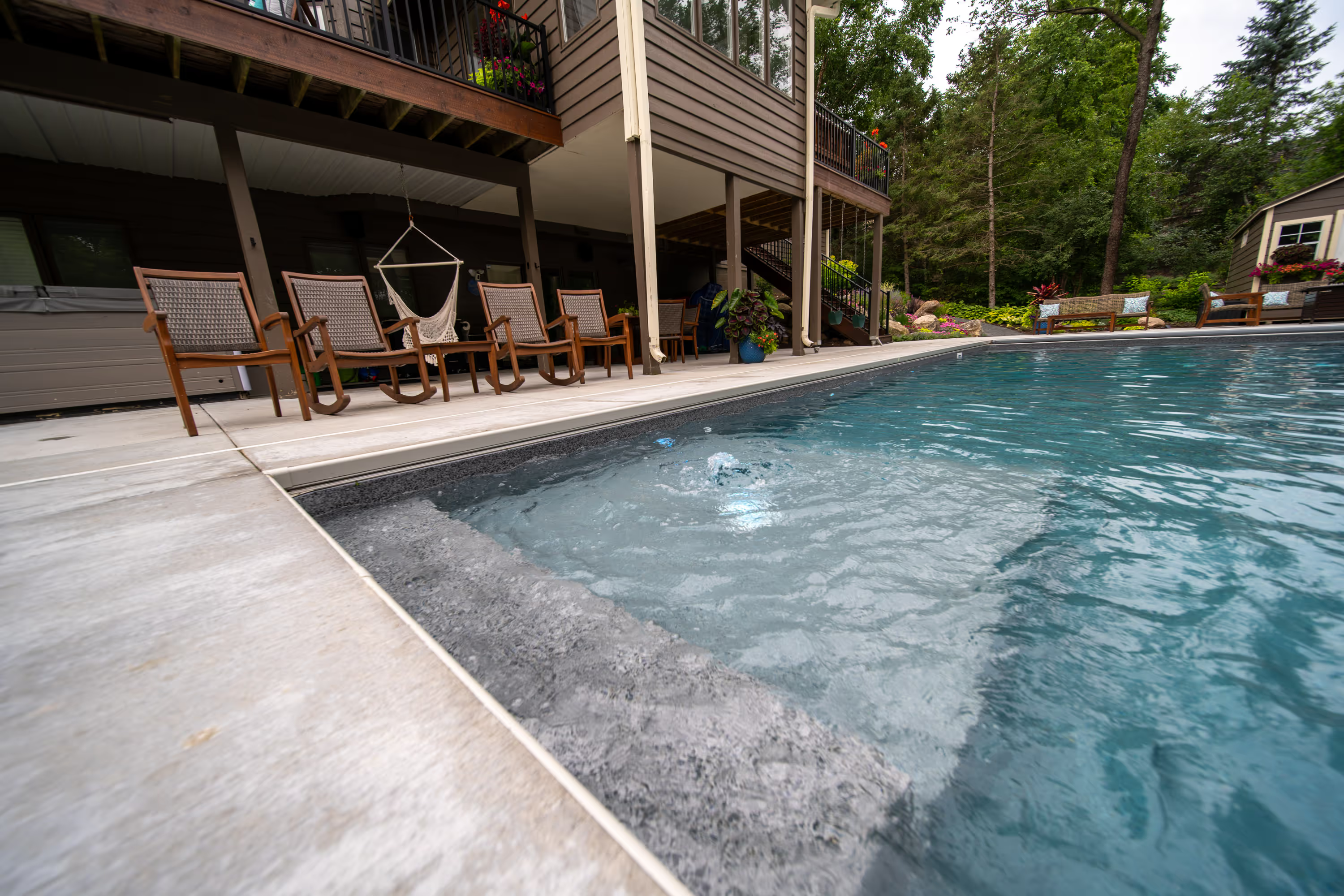
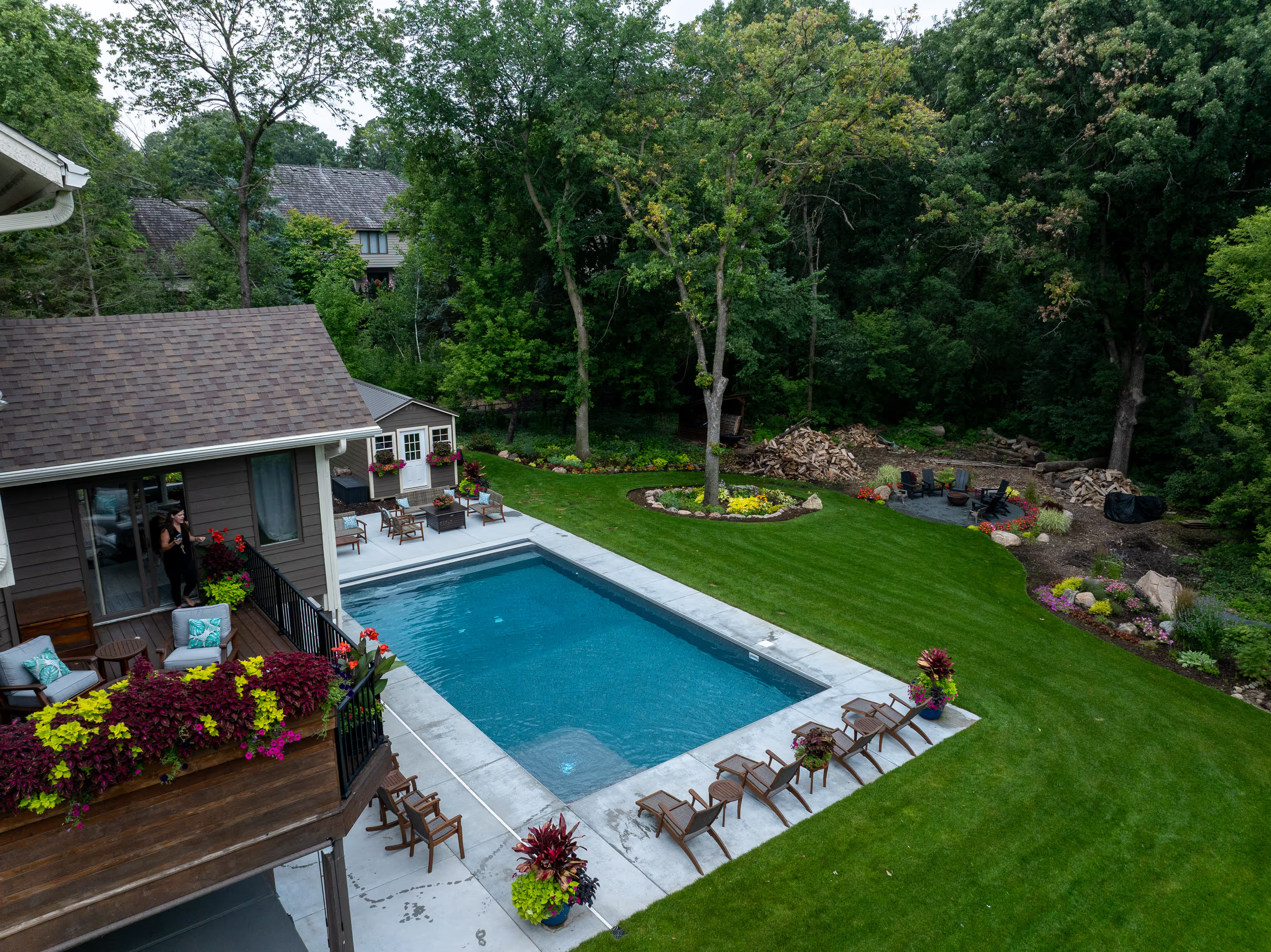
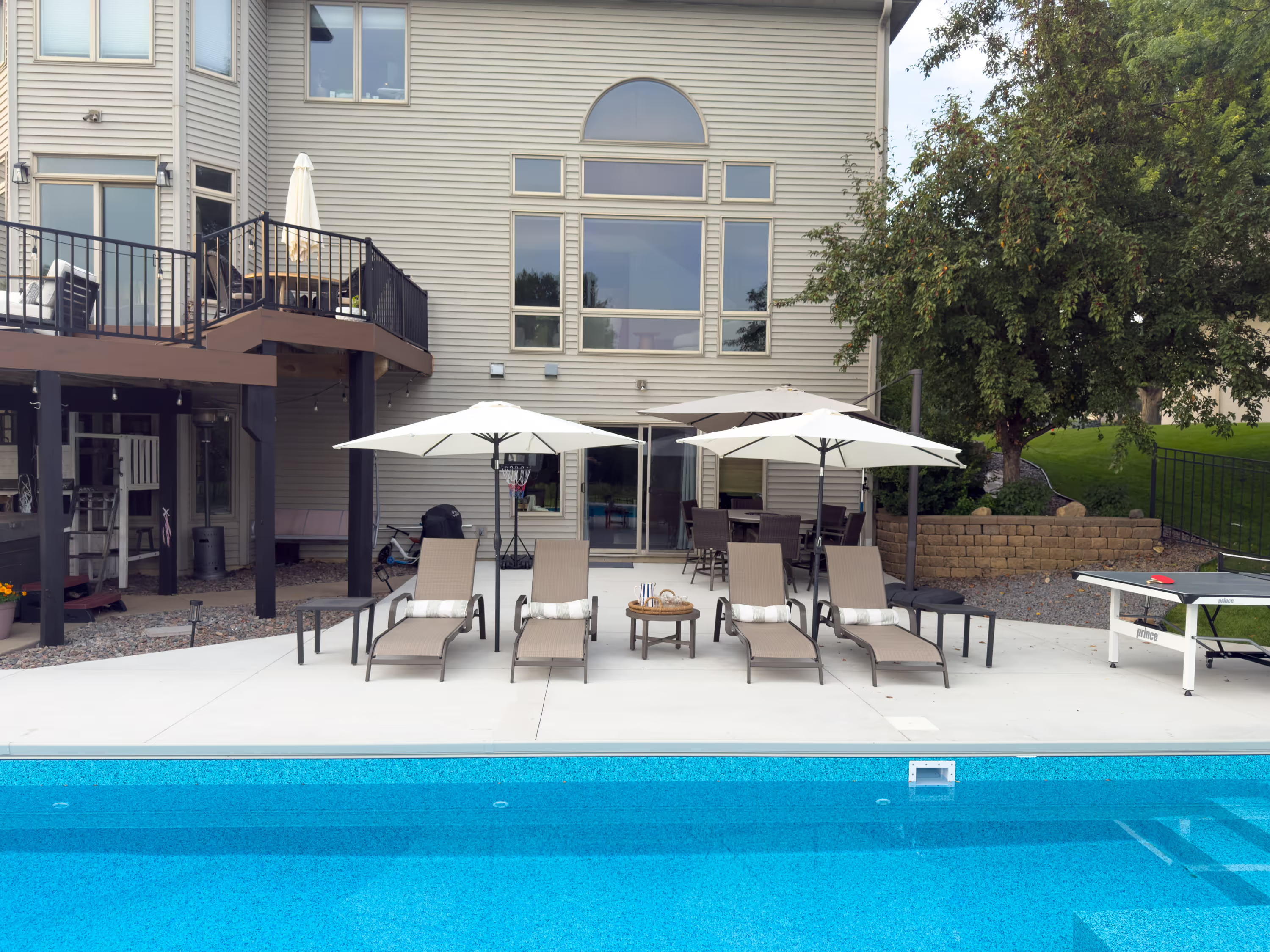
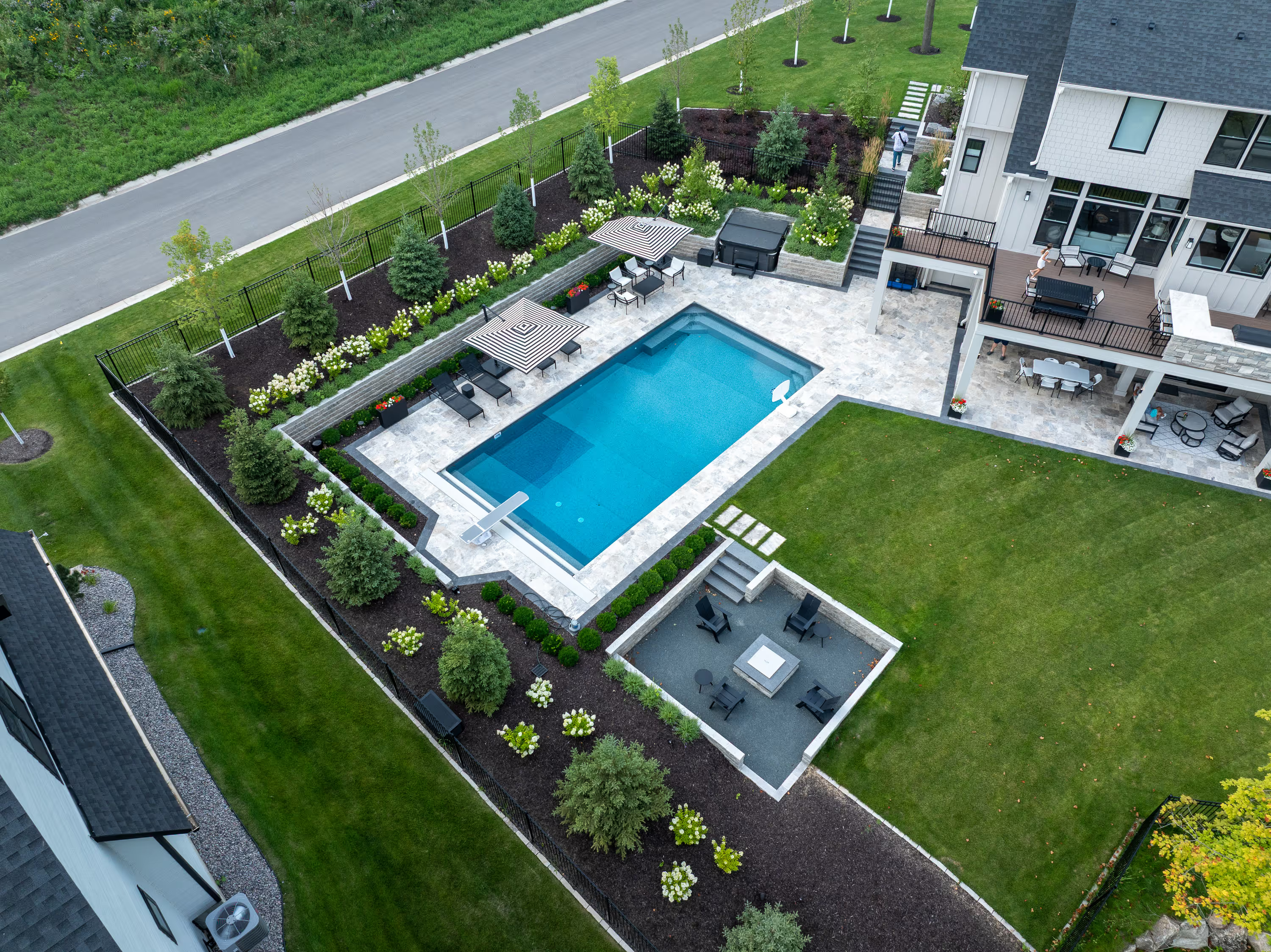
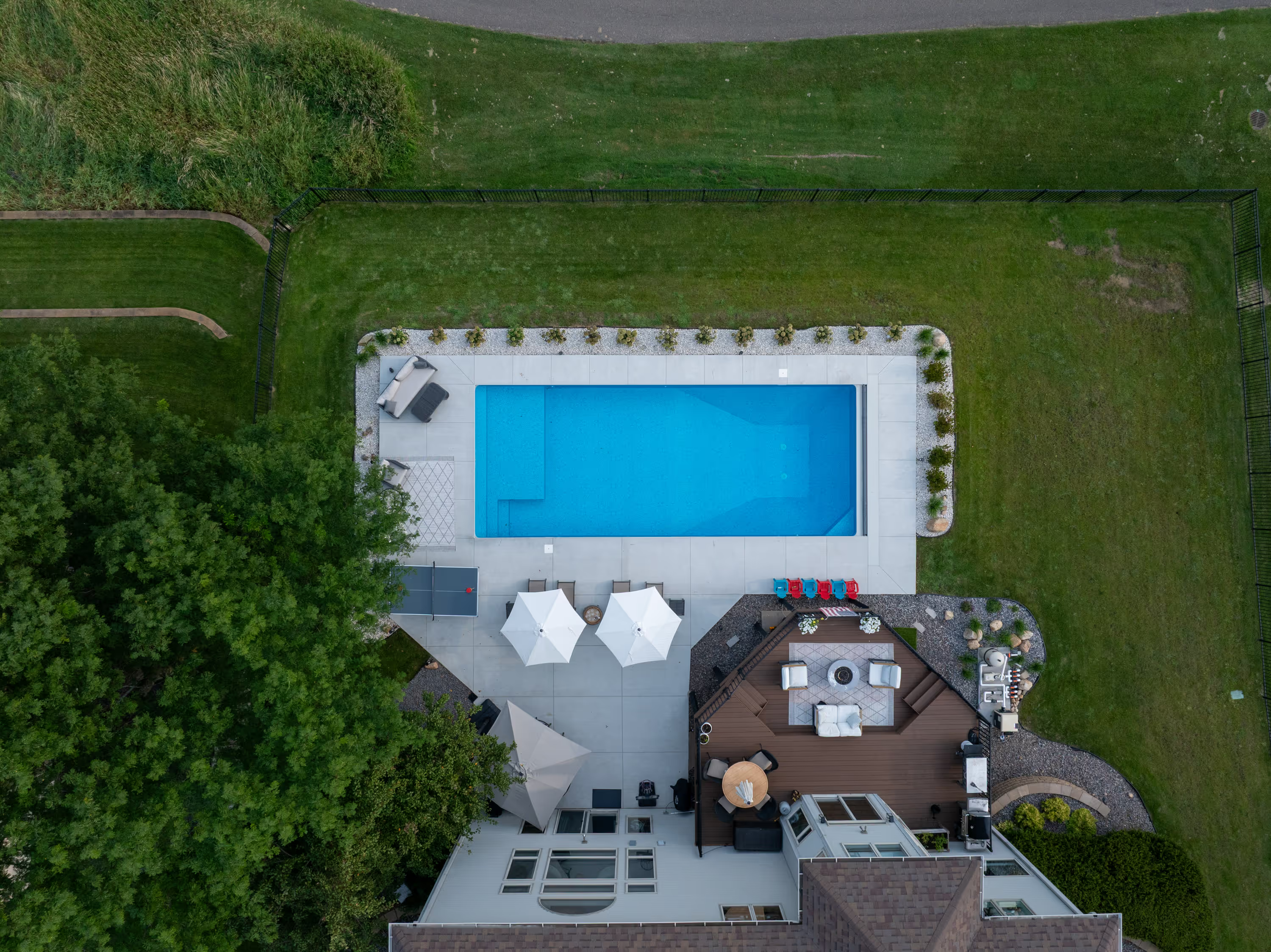
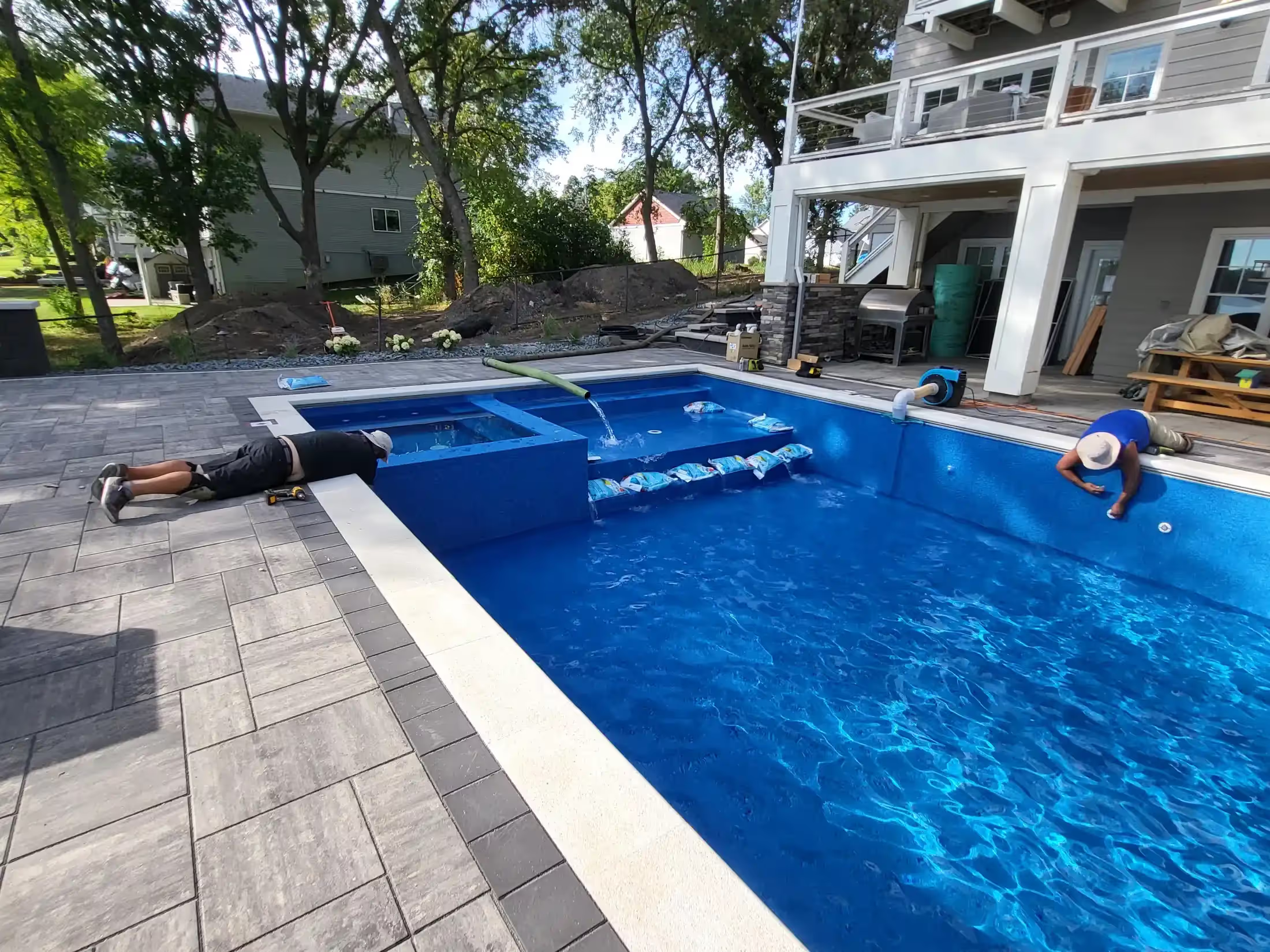
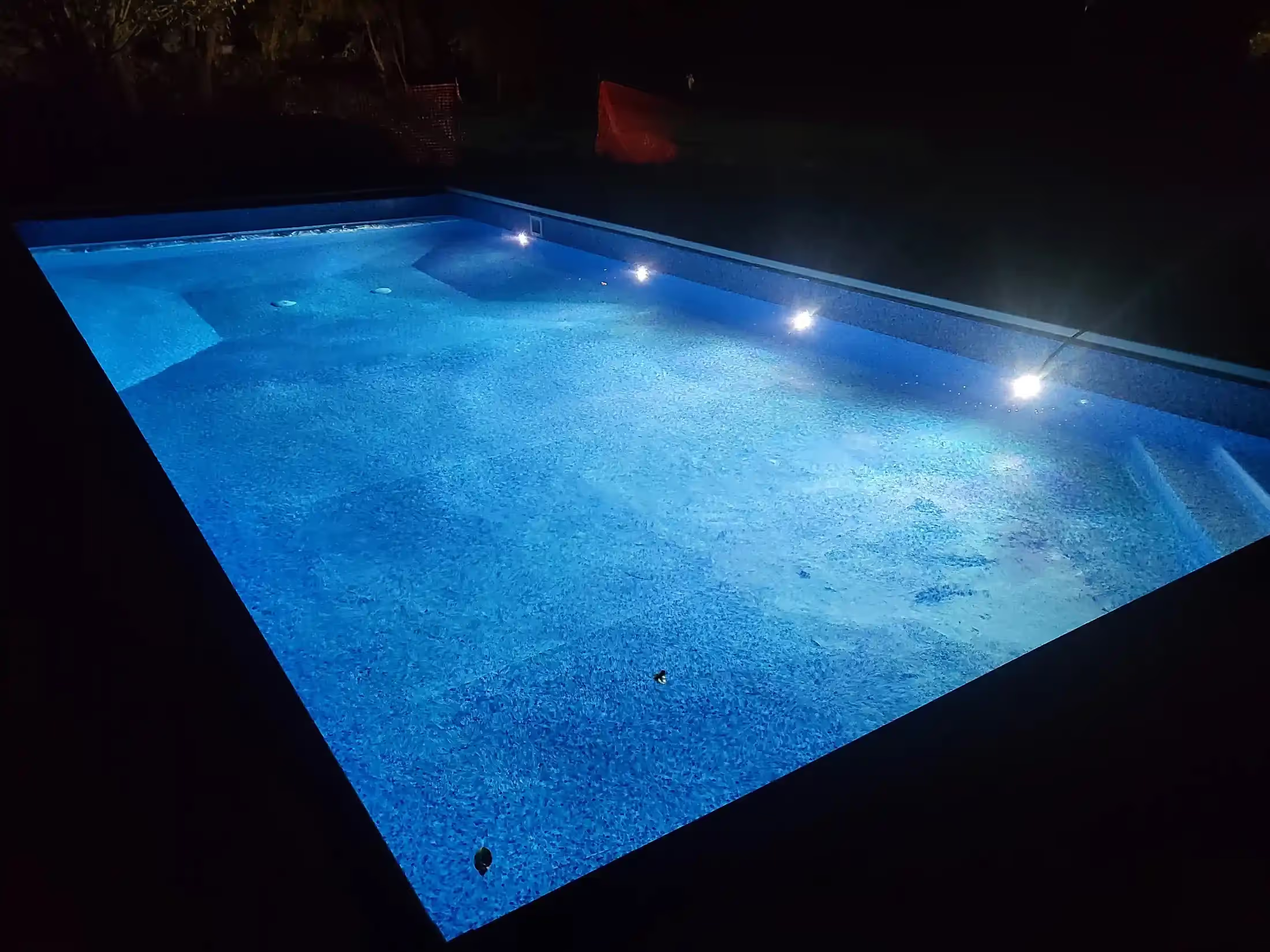
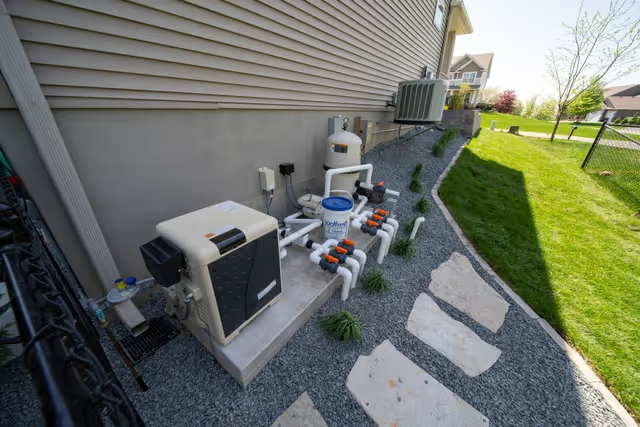
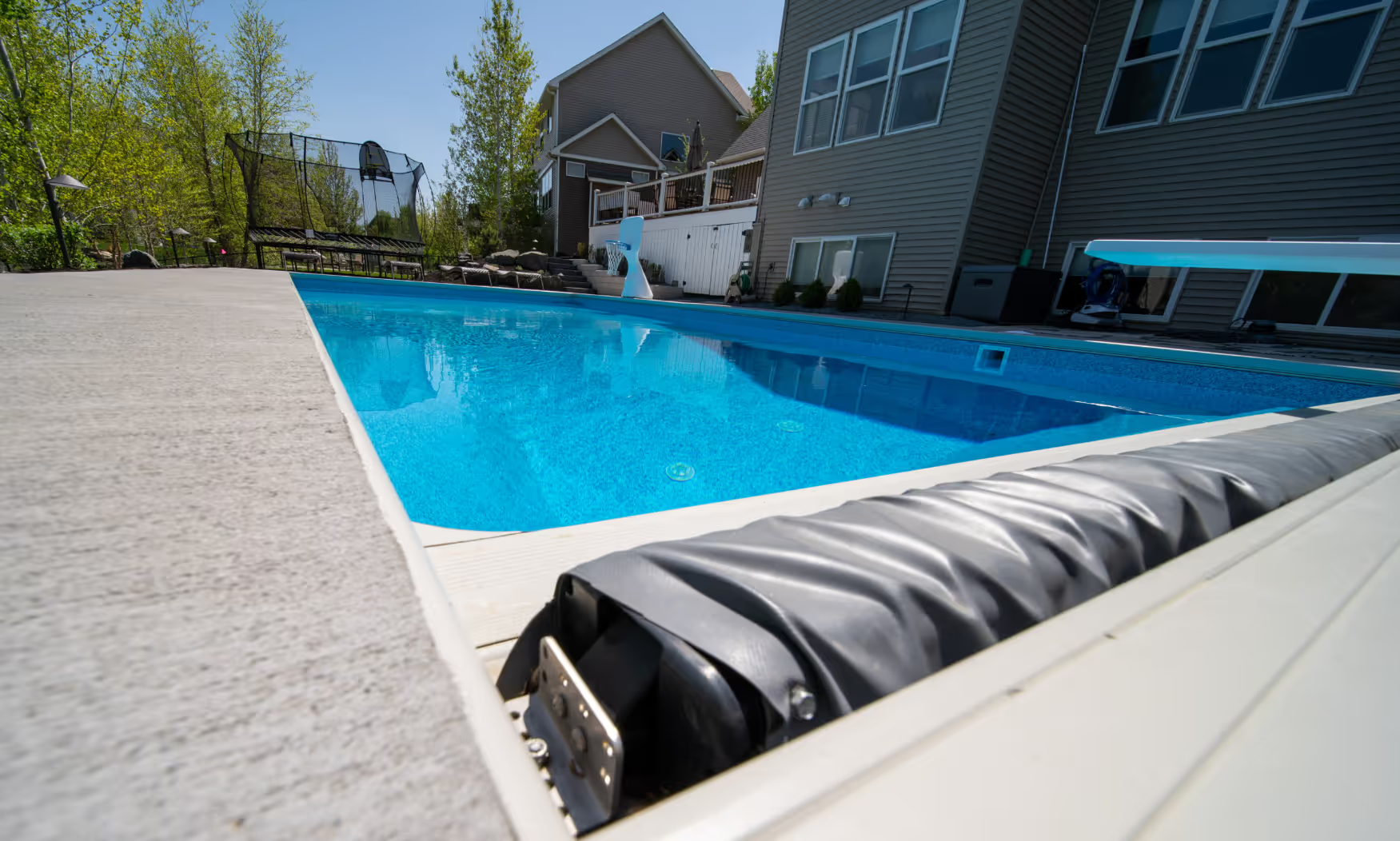
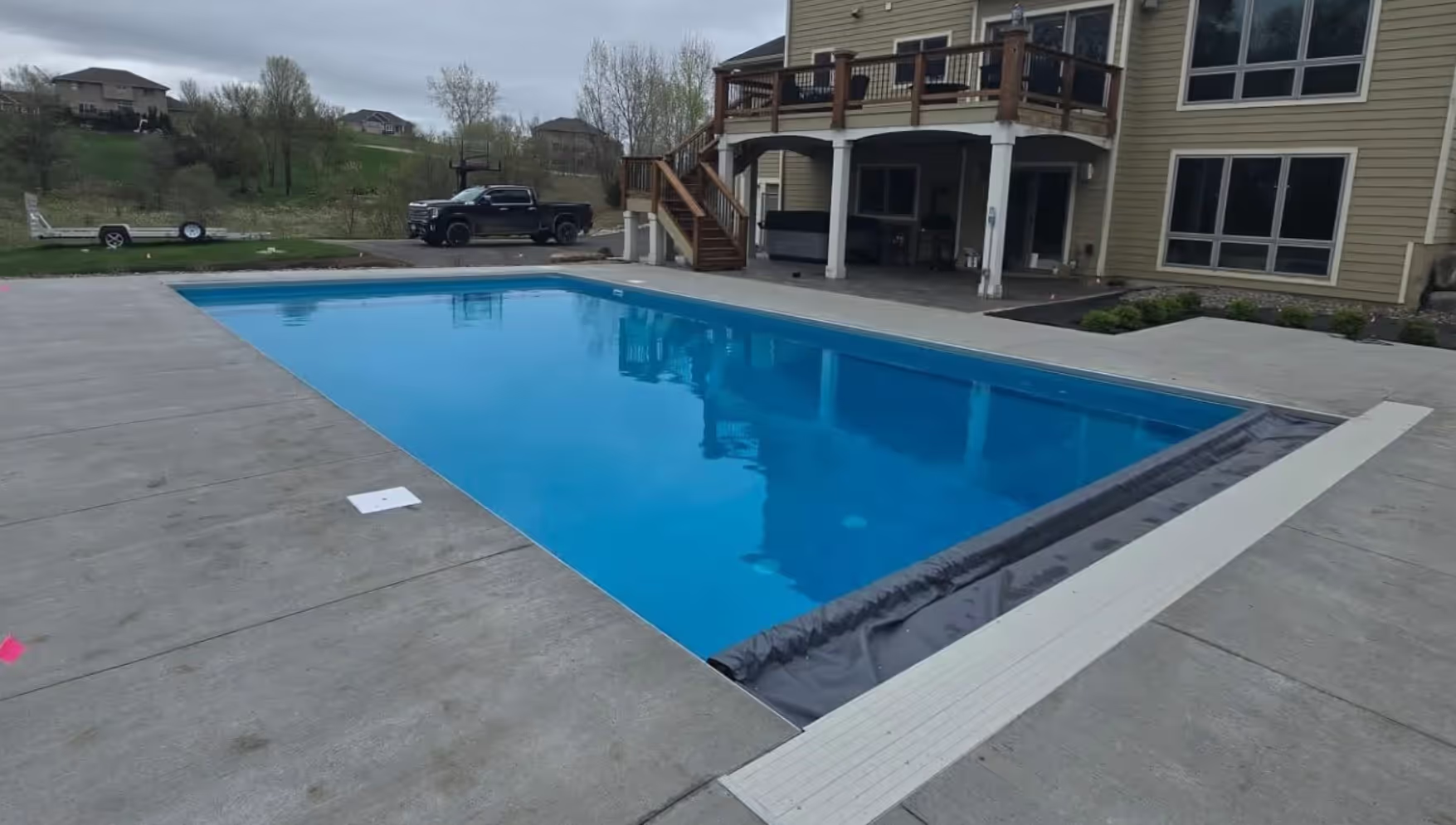
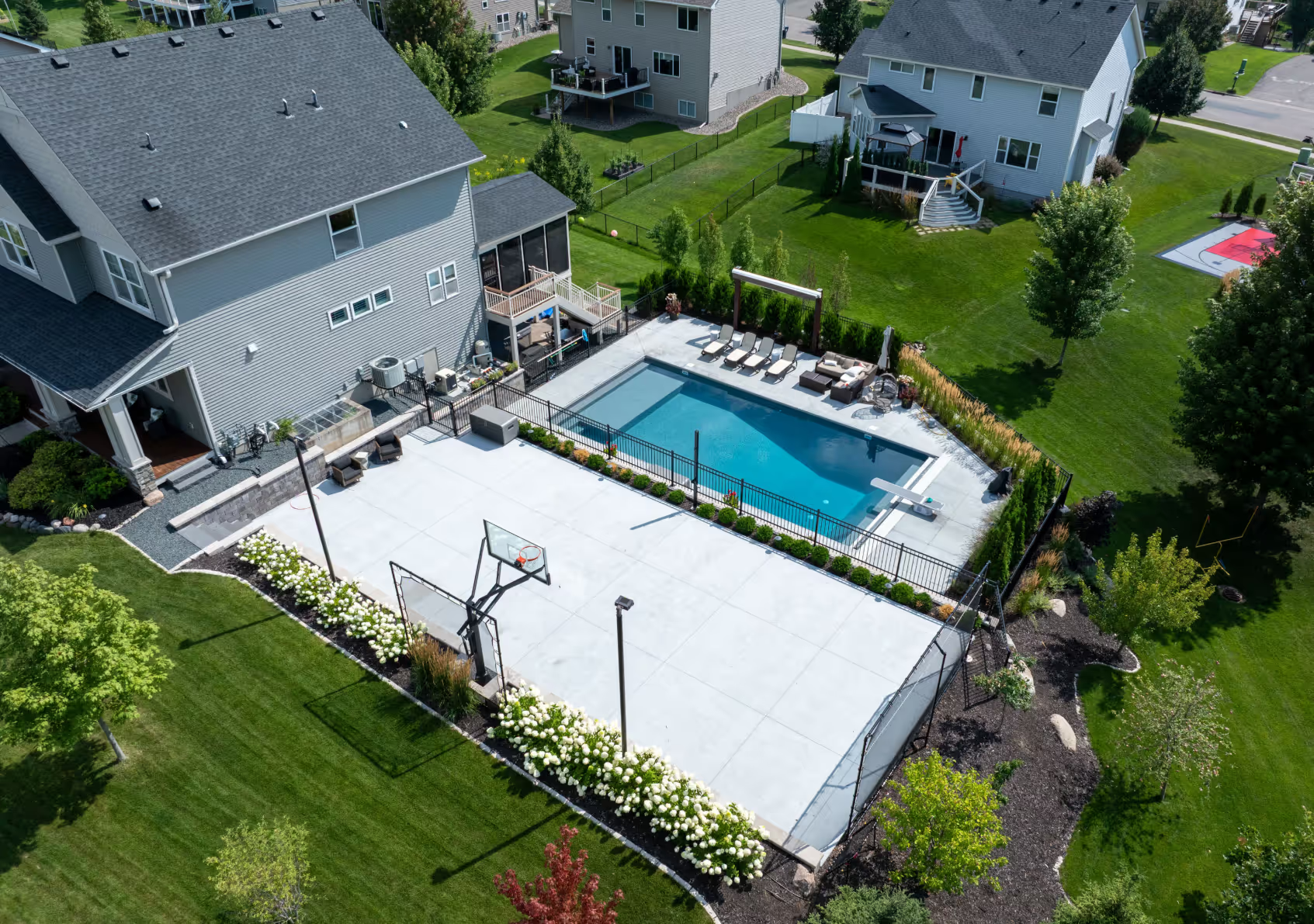
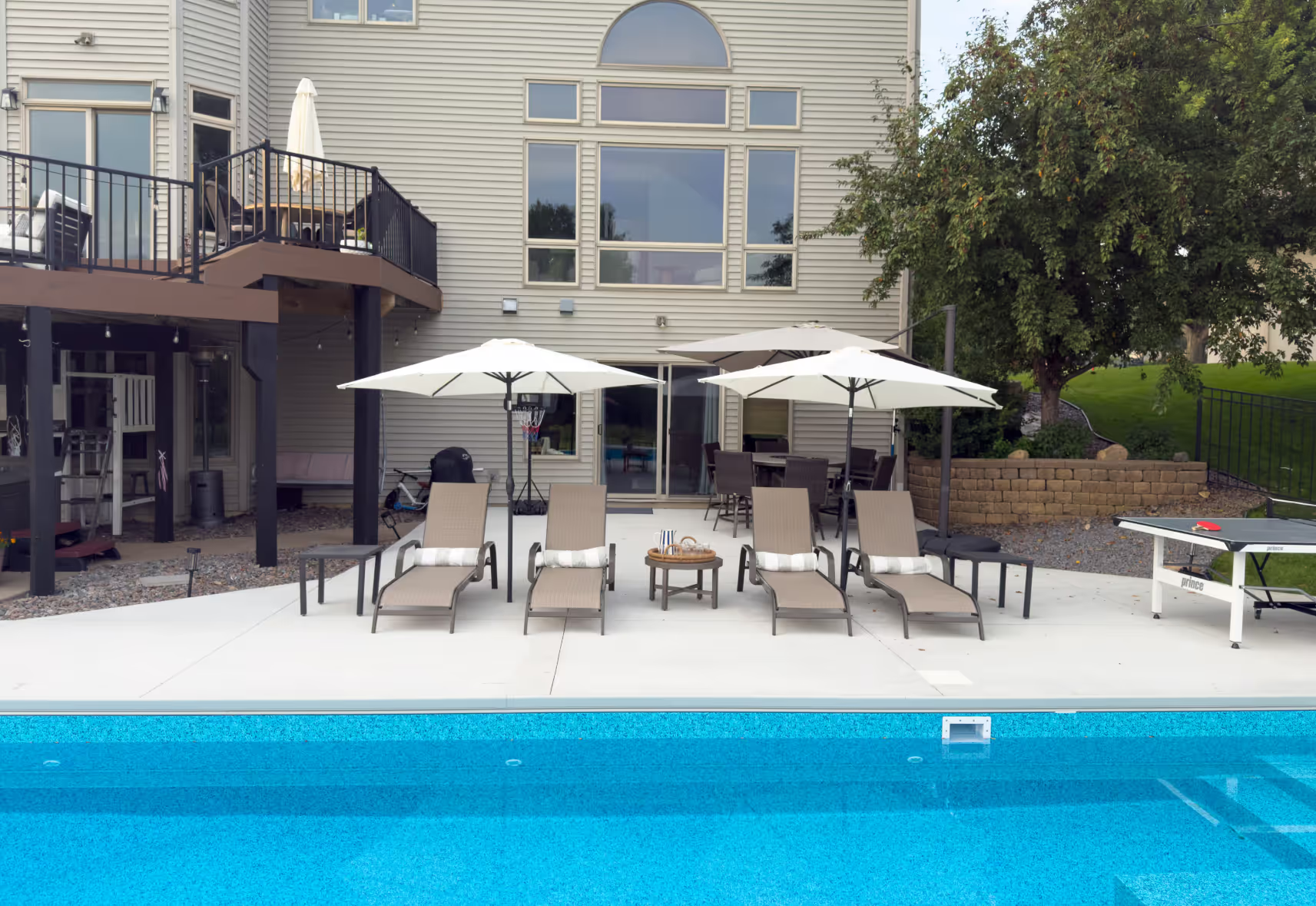
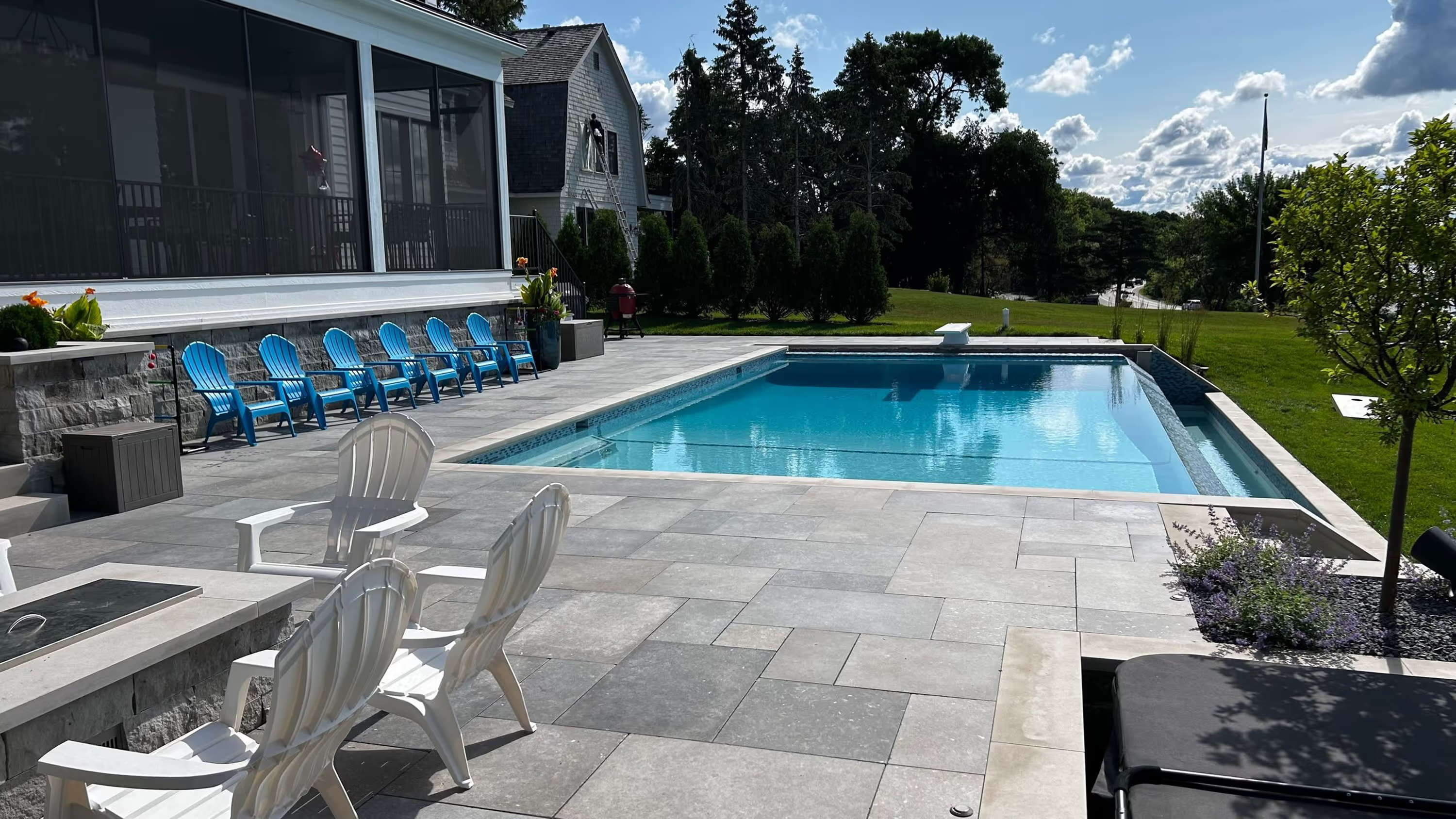
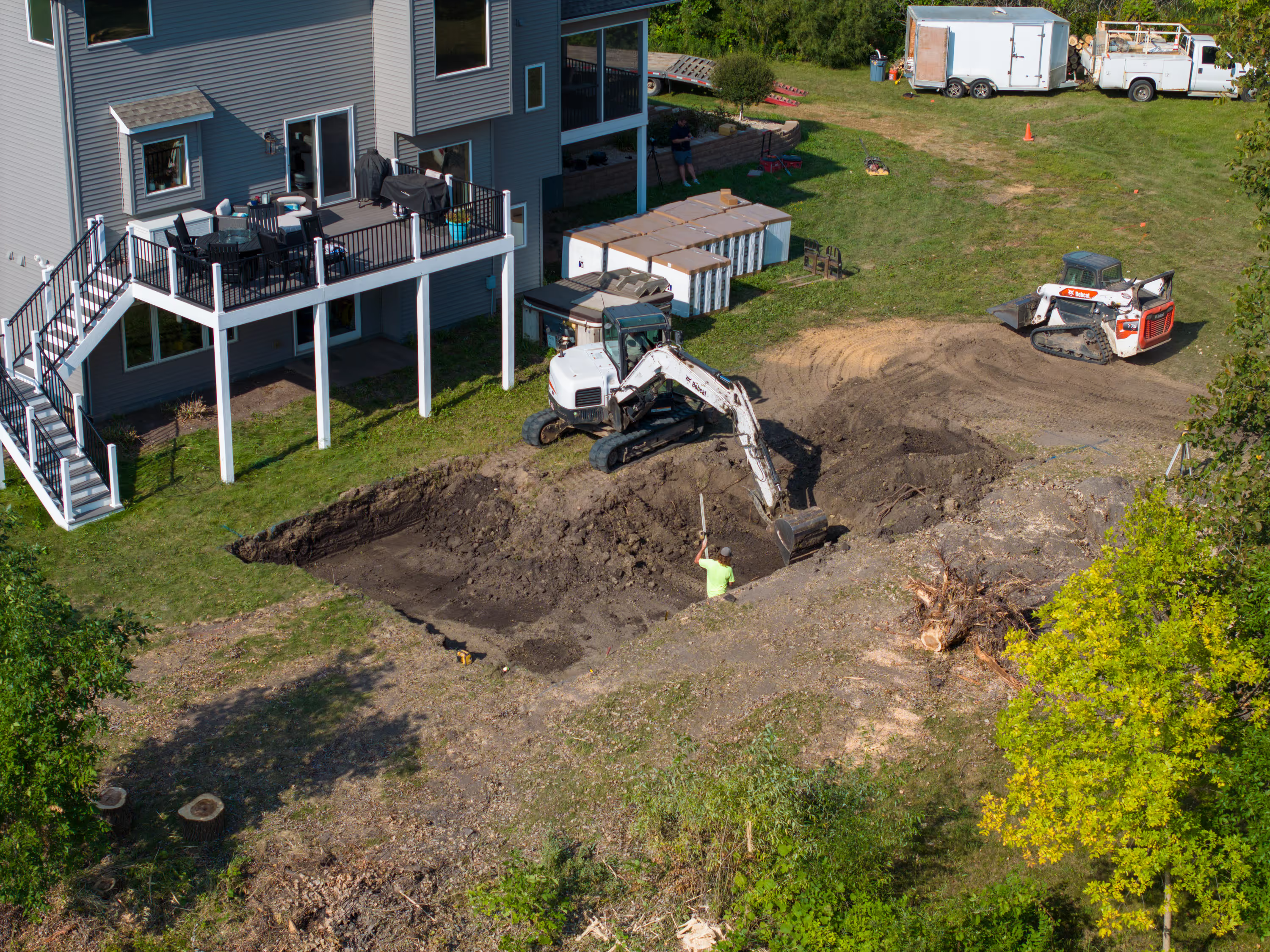
When building a pool in the Twin Cities, consider the best types of concrete.
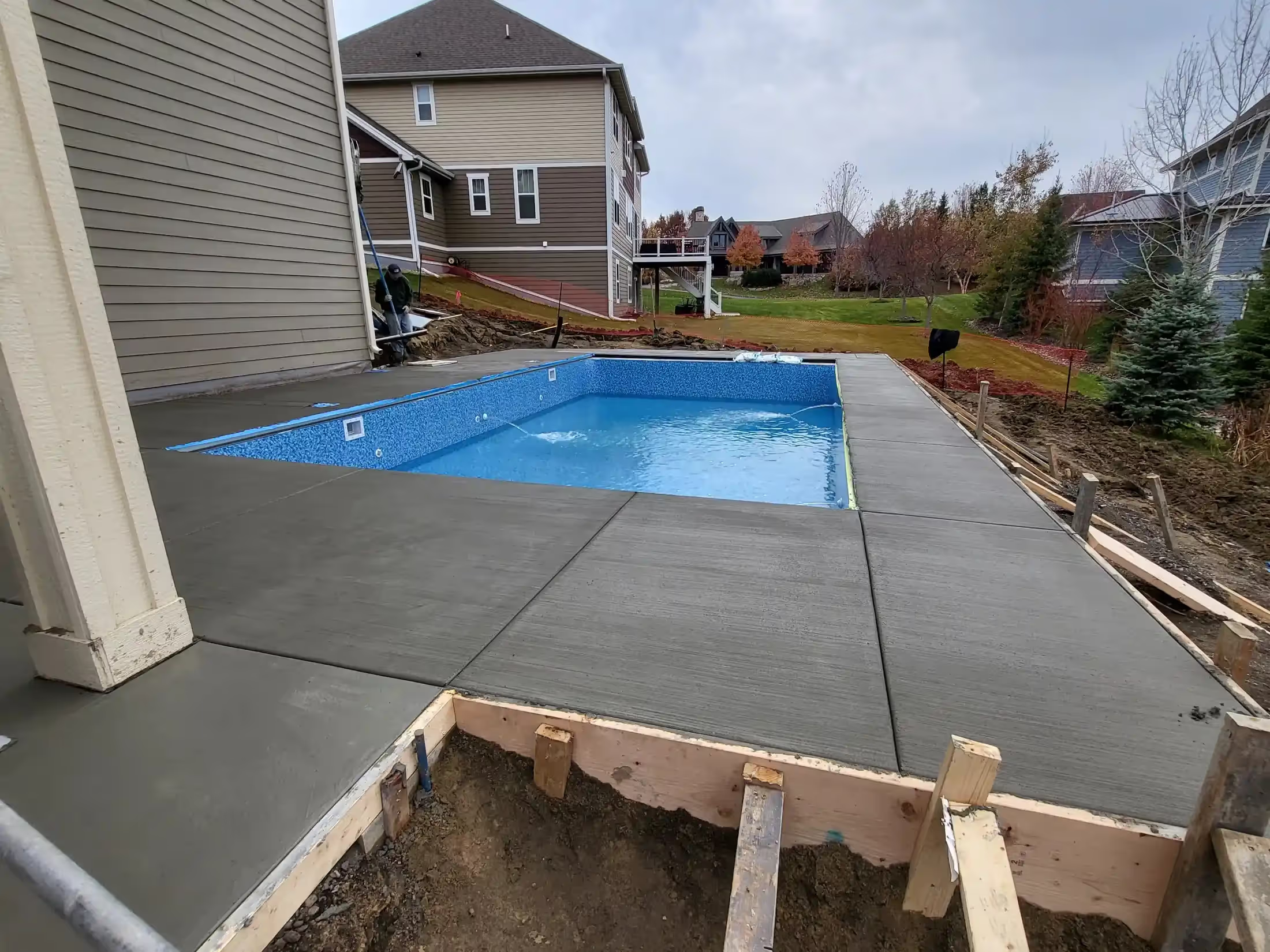
Your pool deck represents nearly as much visual impact as the pool itself, while serving critical functional roles in safety, durability, and overall enjoyment. At Plan Pools, we've installed hundreds of swimming pools across the Twin Cities, and we've learned exactly which decking materials stand up to Minnesota's challenging climate while creating beautiful outdoor living spaces.
Minnesota's extreme temperature swings, freeze-thaw cycles, and moisture exposure create uniquely demanding conditions for pool decking. Materials that perform beautifully in moderate climates often fail prematurely in our environment, leading to cracking, heaving, surface degradation, and costly replacements.
The right decking material must handle dramatic temperature variations (from -30°F in winter to 95°F in summer), freeze-thaw cycles that can occur 40-60 times annually, chemical exposure from pool water and treatment products, constant moisture exposure during swimming season, and the need for slip-resistant surfaces around wet areas.
Your pool deck also serves as the primary circulation and gathering space around your pool. It needs to be comfortable underfoot on hot summer days, provide safe traction when wet, complement your home's architecture, and deliver decades of service without excessive maintenance.
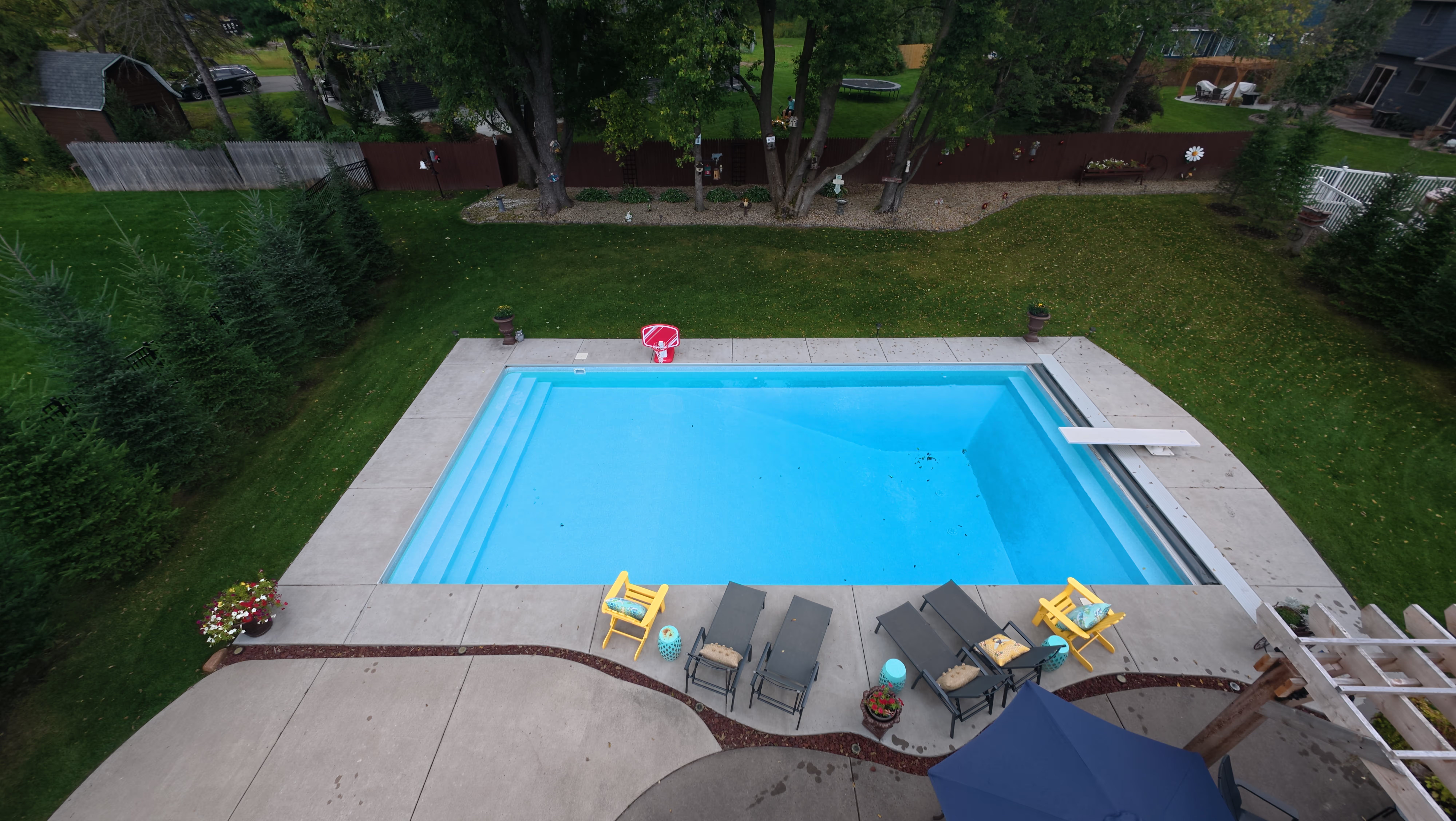
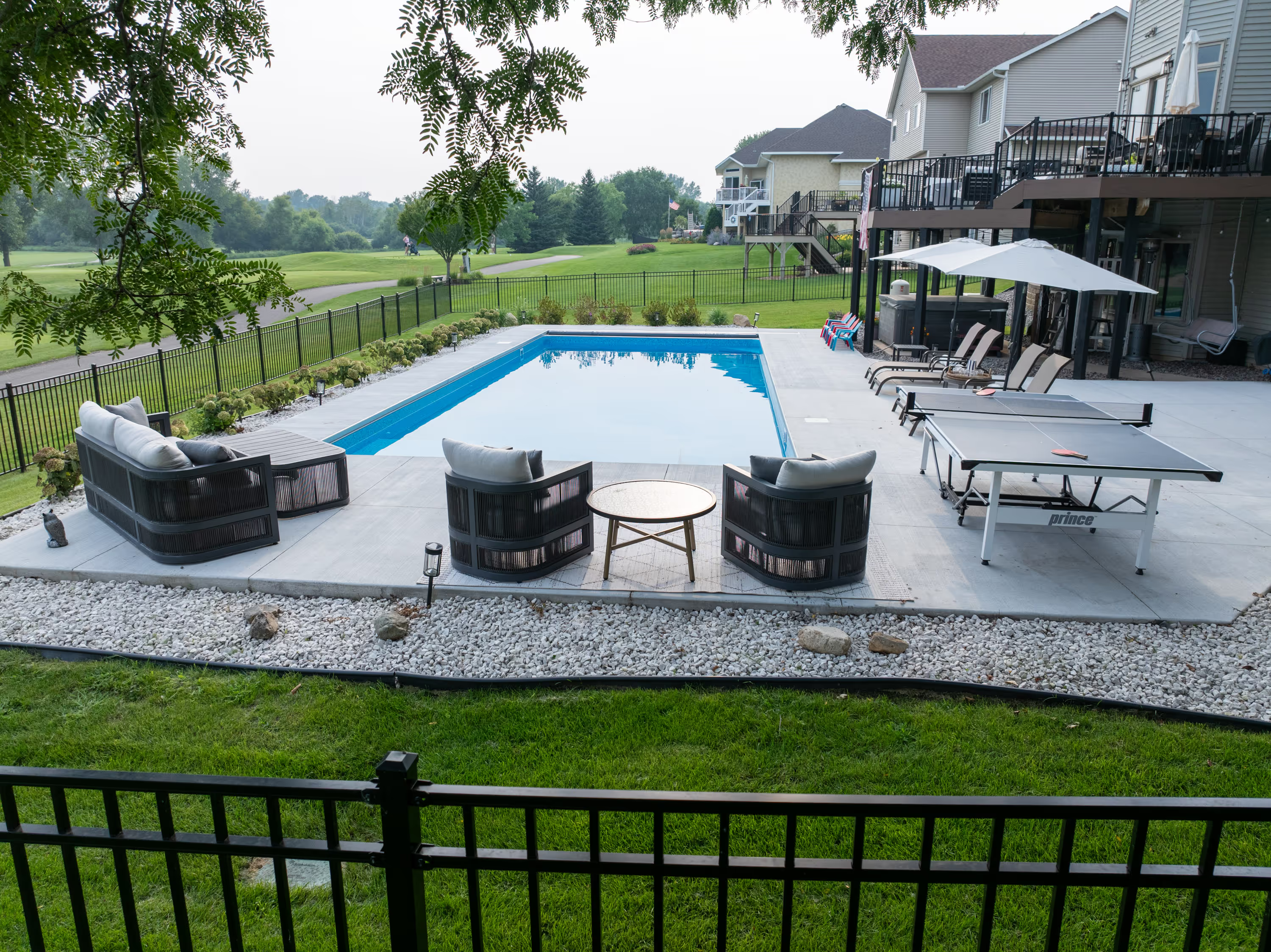
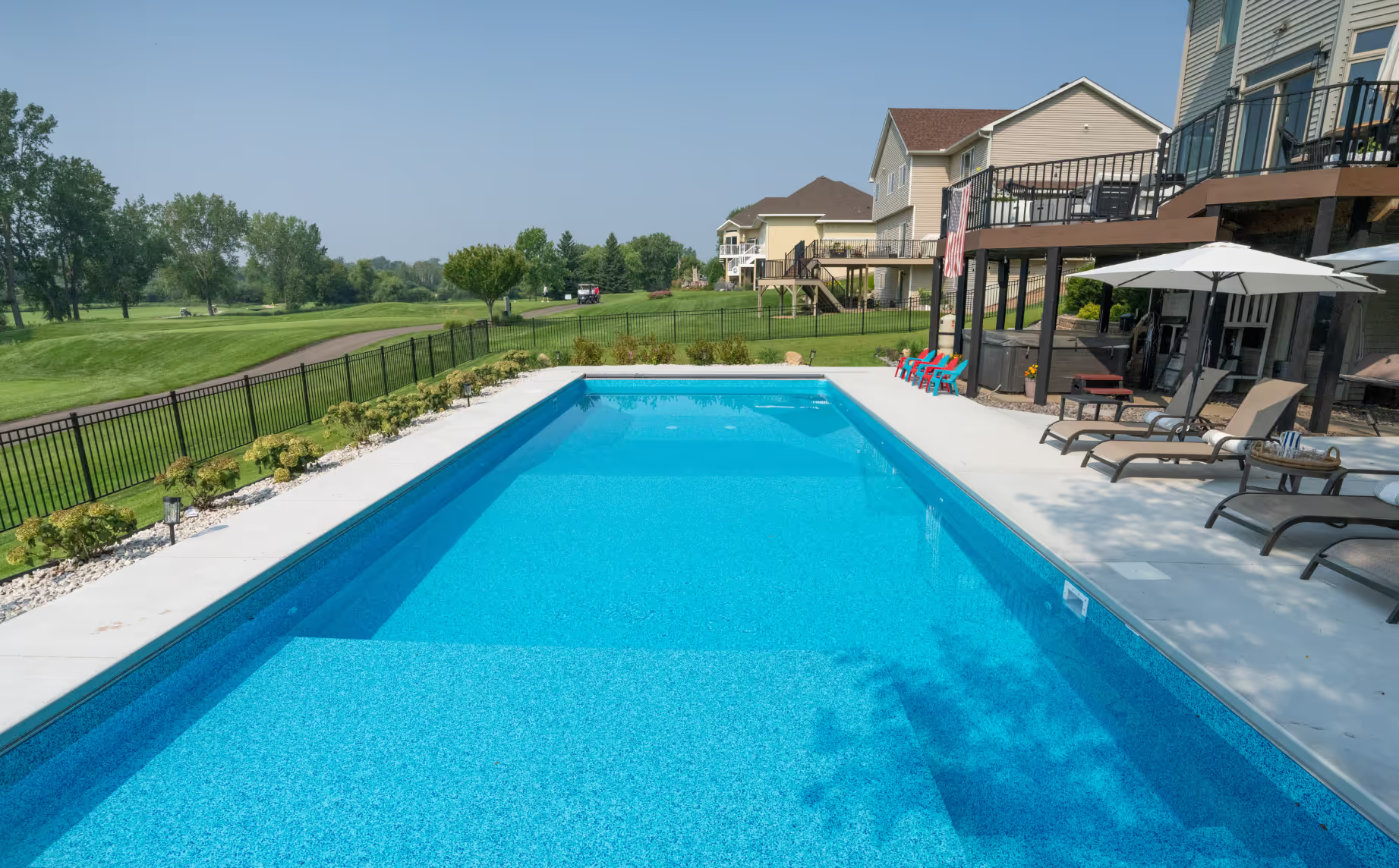
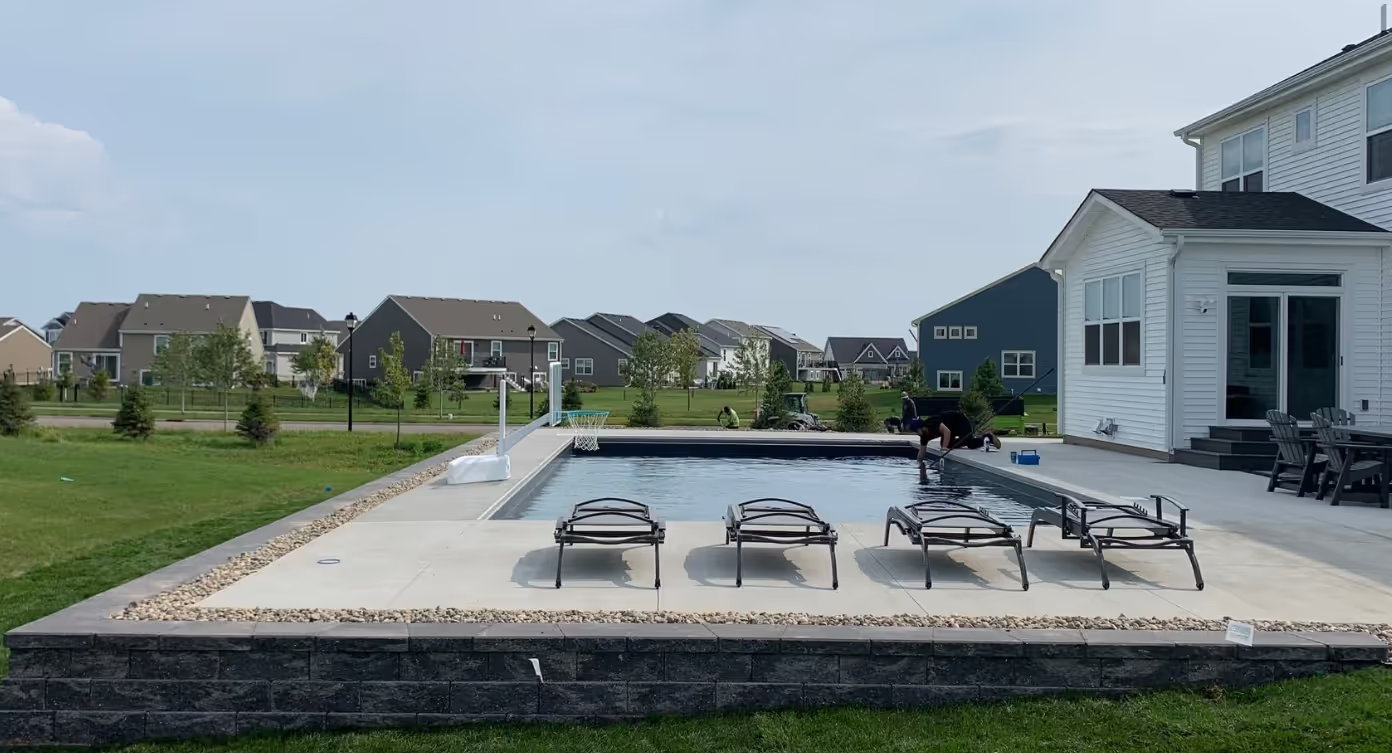
Traditional poured concrete remains the most popular pool decking material in Minnesota for compelling reasons related to both performance and value.
Performance Advantages in Minnesota Climate
Properly installed concrete withstands freeze-thaw cycles better than most alternatives when correctly mixed, finished, and sealed. Modern concrete specifications for Minnesota pool decks typically include 4,000-5,000 PSI strength, air entrainment (4-7% air content to allow for freeze expansion), low water-cement ratio for density and durability, and proper curing time before exposure to chemicals and traffic.
At Plan Pools, we specify concrete mixes optimized for Minnesota's climate and ensure proper installation techniques that maximize lifespan. This includes adequate rebar reinforcement, proper joint placement, and appropriate finishing techniques for slip resistance.
Aesthetic Options with Standard Concrete
Many homeowners assume poured concrete means plain gray surfaces, but modern techniques offer extensive customization including various textures (broom finish, exposed aggregate, stamped patterns), integral color options, decorative scoring and borders, and combination approaches with different finish areas.
Cost-Effectiveness
Standard concrete provides the best value for Minnesota pool decks, typically costing $8-15 per square foot installed. For a typical pool deck of 800-1,200 square feet, this translates to $6,400-$18,000 for quality installation.
This cost-effectiveness becomes even more apparent when you consider longevity. Properly installed concrete pool decks in Minnesota regularly last 25-40 years with basic maintenance, while many alternative materials require replacement or major repairs within 10-20 years.
The Plan Pools Soil Compaction Advantage
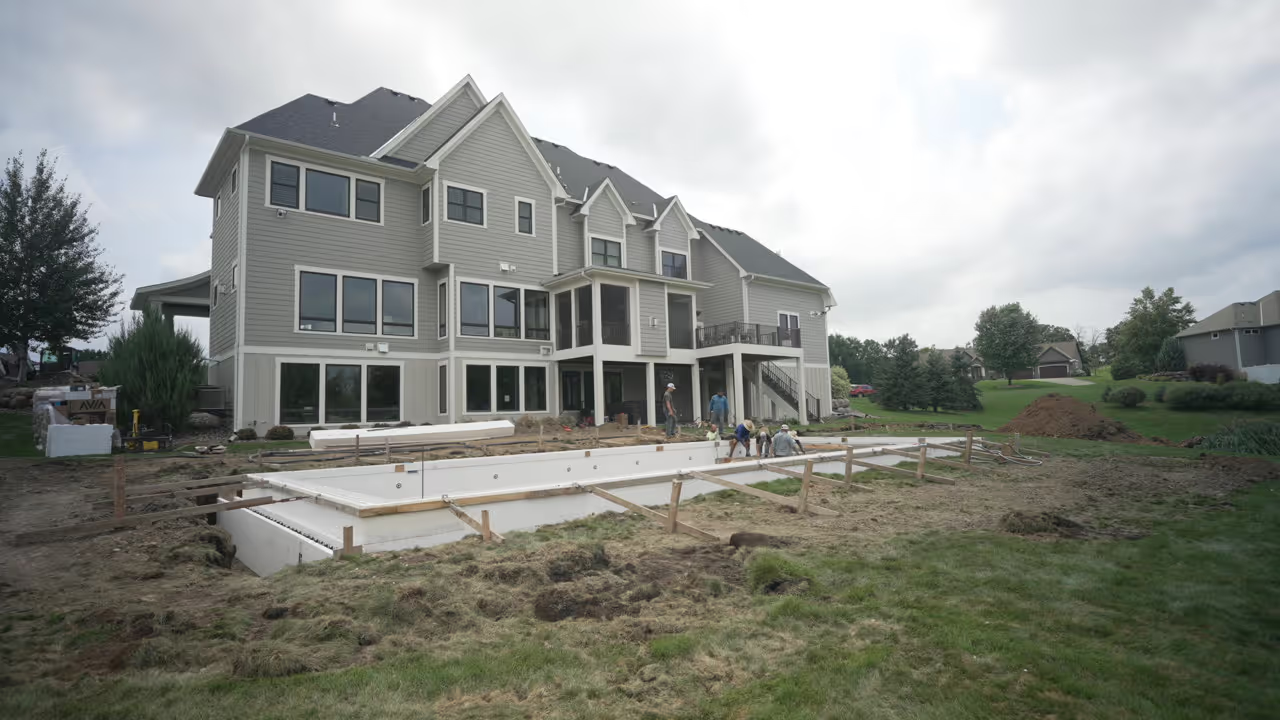
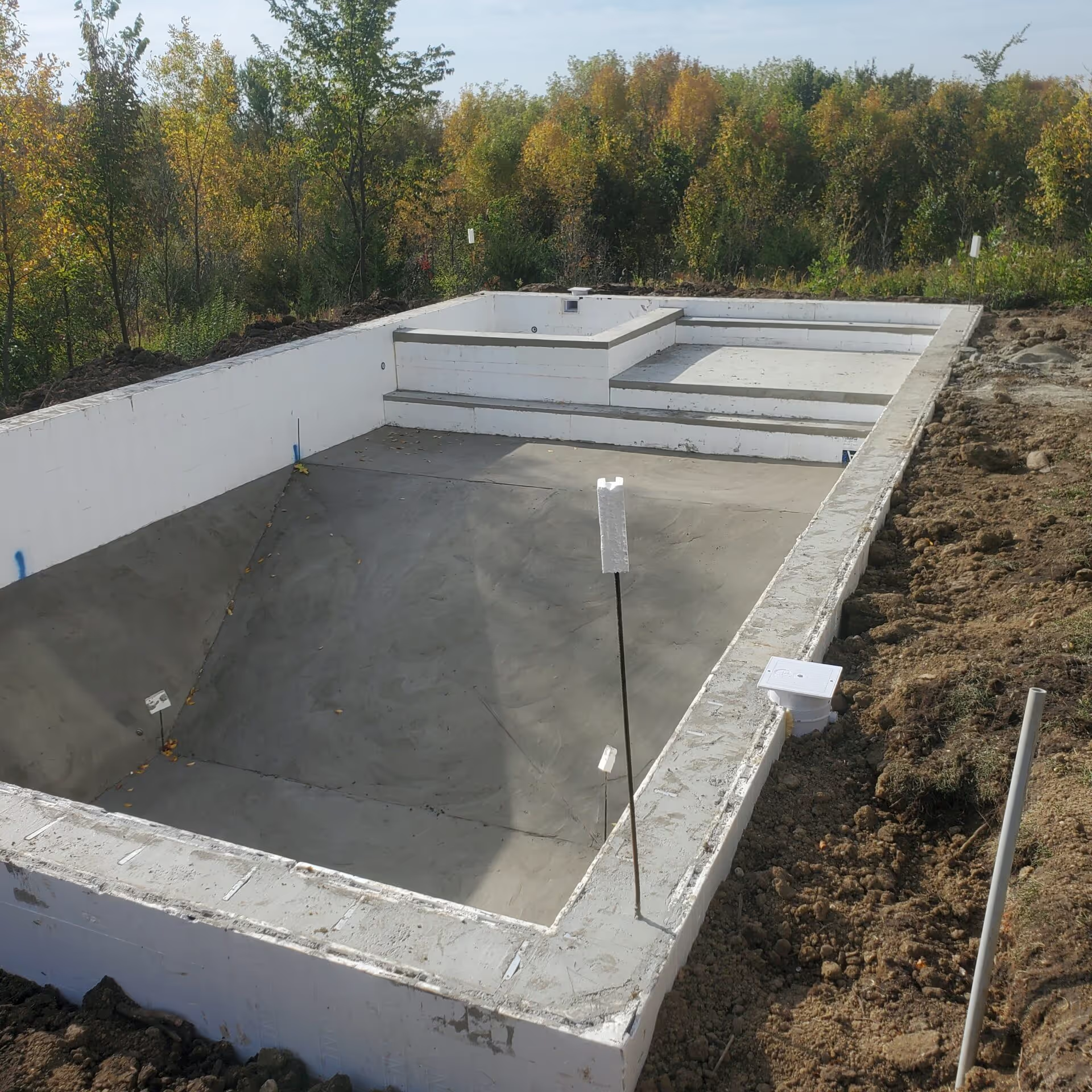
The longevity of any concrete deck depends critically on the stability of the substrate beneath it. This is where our ICF pool construction delivers a significant advantage over steel wall alternatives.
Steel wall pools require support systems behind the walls that prevent thorough soil compaction during backfilling. This inadequate compaction leads to settling and movement over time, which transmits directly to your pool deck. The result? Cracks, separations, and uneven surfaces that develop within just a few years.
Our ICF construction allows for complete backfilling and thorough compaction around the entire pool structure. The rebar-reinforced concrete inside the insulated form creates a solid, stable base that resists movement. This superior compaction means your concrete deck sits on stable, properly prepared ground that won't settle and cause premature damage.
We've seen pool decks on our ICF installations remain crack-free and level for 15-20+ years, while steel wall pool decks often show significant cracking within 5-10 years. This difference saves Minnesota homeowners $15,000-$30,000 in deck replacement costs over the pool's lifetime.
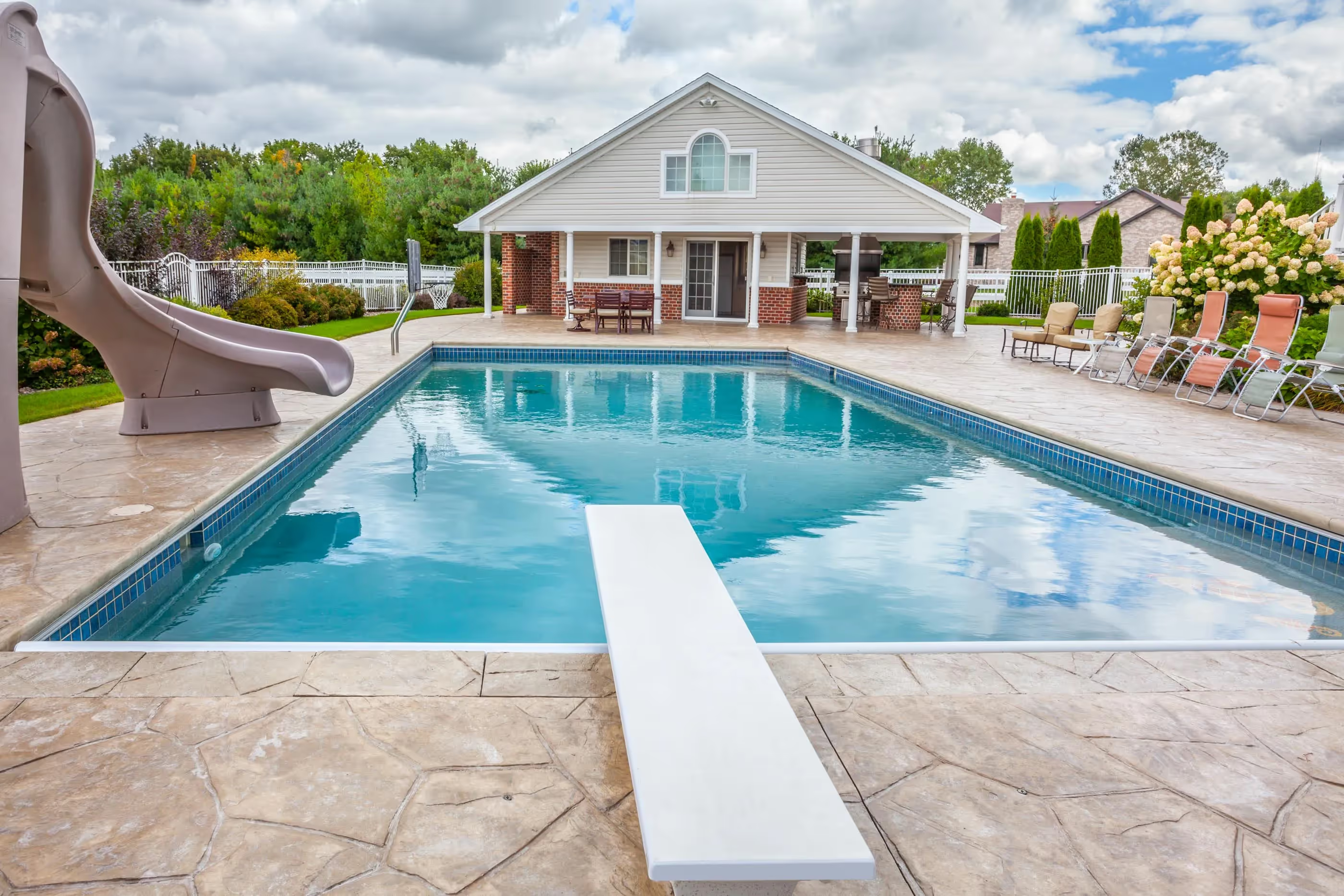
Stamped concrete offers the aesthetic appeal of more expensive materials while maintaining concrete's durability advantages in Minnesota's climate.
Design Possibilities
Modern stamping techniques can replicate natural stone patterns (flagstone, slate, limestone), brick and paver patterns, wood plank appearances, and custom geometric designs. Color options include integral colors throughout the concrete, acid stains for variegated appearances, dry-shake color hardeners, and combinations of multiple coloring techniques.
Minnesota Climate Considerations
Stamped concrete performs well in Minnesota when properly installed, but requires attention to specific details including adequate air entrainment in the concrete mix, proper sealing with breathable, UV-resistant sealers, regular sealer maintenance (every 2-4 years), and appropriate joint placement to control cracking.
The textured surface of stamped concrete provides excellent slip resistance when wet—a critical safety feature around pools. However, deep stamp patterns can be slightly more difficult to clean than smooth surfaces, requiring periodic power washing to remove accumulated debris and organic matter.
Investment Analysis
Stamped concrete typically costs $12-25 per square foot installed, depending on complexity, colors, and finishing details. For an 800 square foot deck, expect investment of $9,600-$20,000.
This premium over standard concrete buys distinctive aesthetic appeal without sacrificing the durability advantages that make concrete ideal for Minnesota pool decks. When you consider that alternative materials like natural stone might cost $25-50 per square foot, stamped concrete offers impressive value.
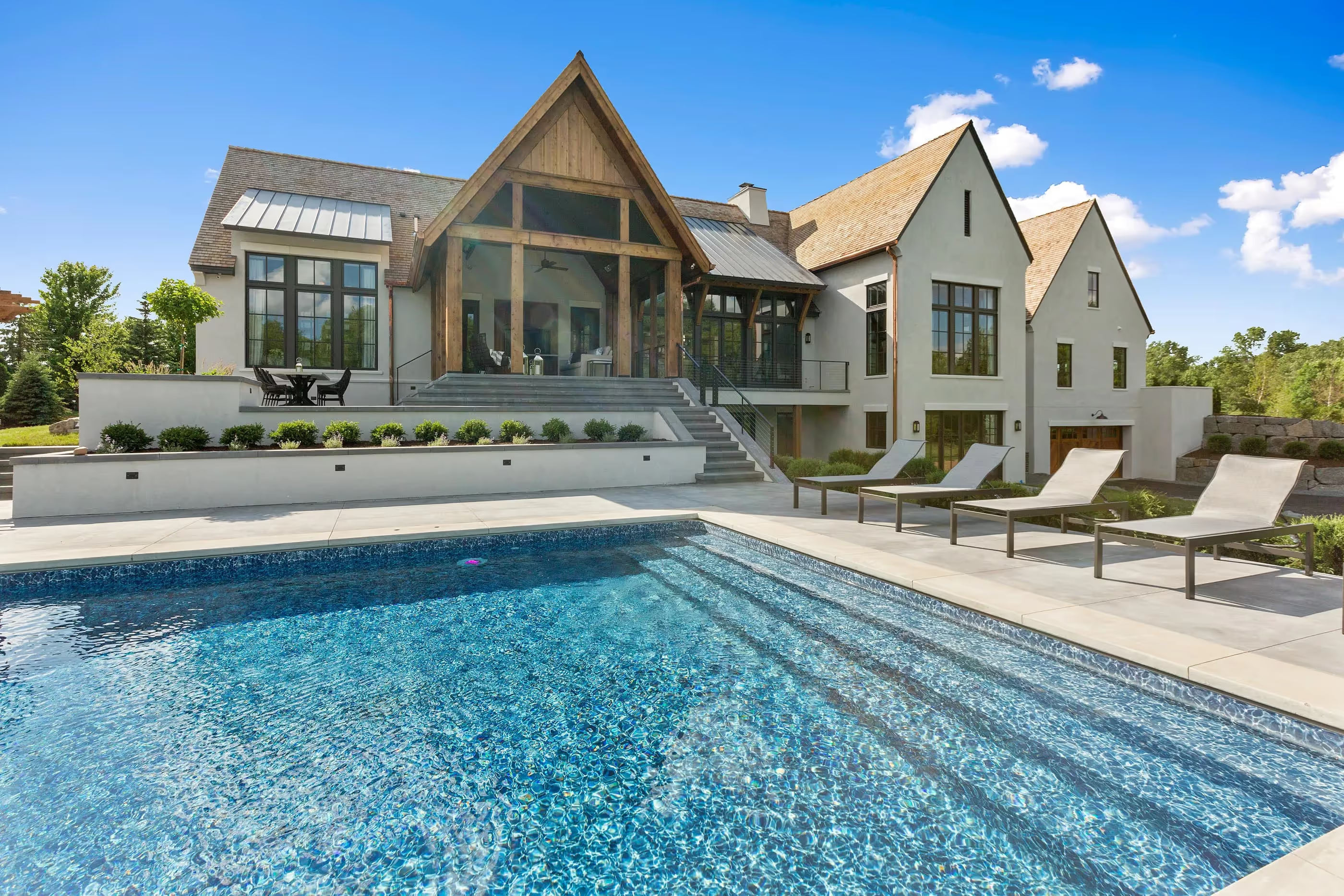
Exposed aggregate finishes reveal the decorative stones within the concrete mix, creating textured, slip-resistant surfaces with natural beauty.
Functional Benefits for Pool Decks
The exposed stone surface provides excellent traction when wet, making it one of the safest pool decking options available. The textured surface remains cooler underfoot on hot summer days compared to smooth concrete. The variegated appearance naturally camouflages minor imperfections, stains, and signs of age. The surface is highly durable and resistant to wear from traffic and pool chemicals.
Aesthetic Considerations
Exposed aggregate offers natural beauty that complements Minnesota landscapes. Stone color and size options include neutral tones (limestone, quartz, white granite), warm tones (red granite, brown river rock), cool tones (blue granite, gray limestone), and mixed combinations.
At Plan Pools, we often recommend exposed aggregate for pool decks because it balances safety, aesthetics, durability, and value. The initial cost runs $10-18 per square foot, placing it between standard and stamped concrete while offering unique benefits.
Minnesota-Specific Performance
Exposed aggregate performs exceptionally well in Minnesota's freeze-thaw cycles when properly installed with air-entrained concrete. The exposed stones create a slightly irregular surface that accommodates minor movement without showing cracks as obviously as smooth concrete. This makes exposed aggregate an excellent choice for areas where minor ground movement might occur.
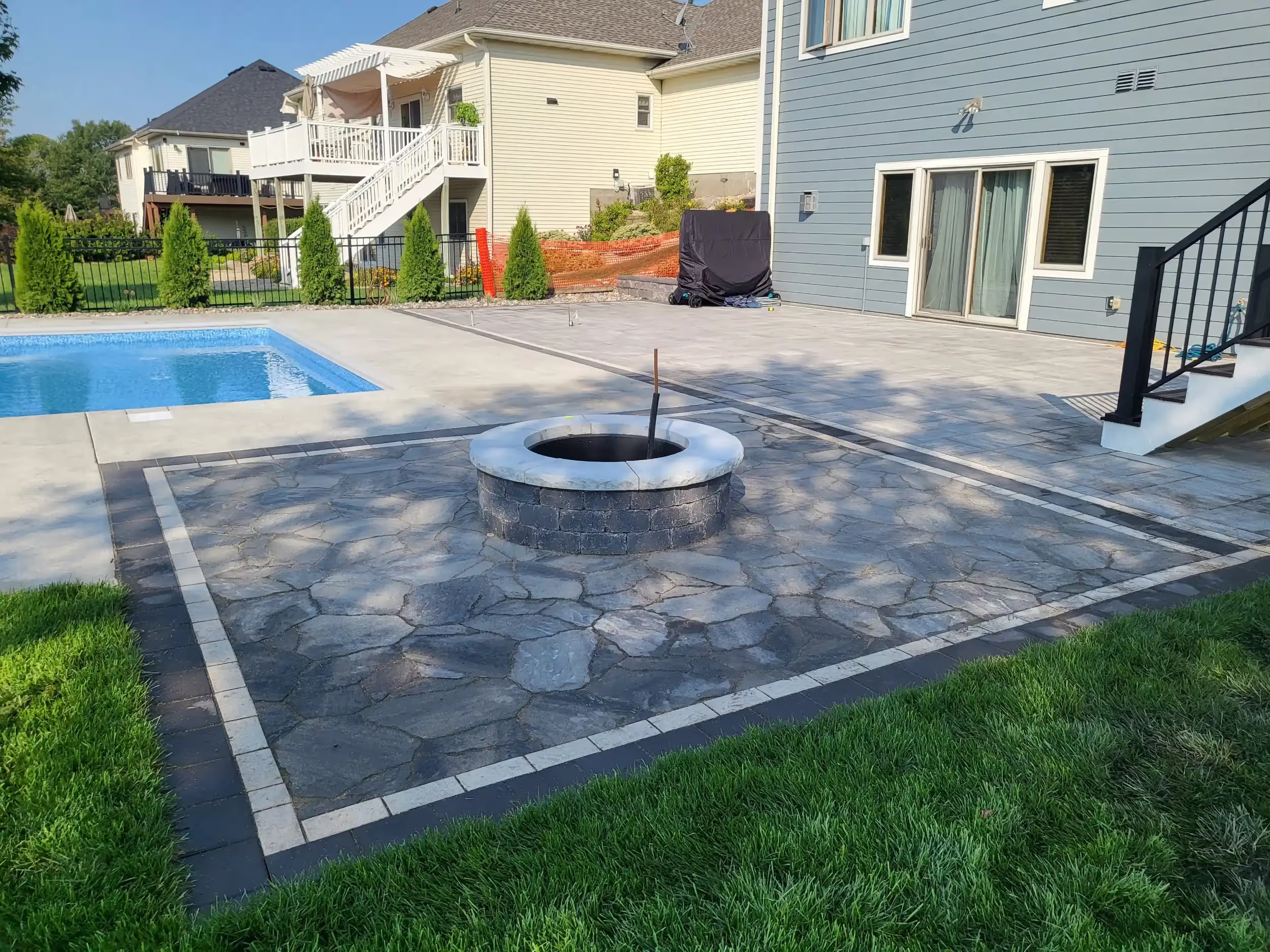
Concrete pavers and natural stone pavers offer distinct aesthetic appeal and some unique advantages, but come with important considerations for Minnesota pool decks.
Concrete Pavers
Modern concrete pavers provide extensive design flexibility with interlocking patterns, varied colors and textures, and ability to create complex geometric designs. The individual unit construction allows for minor ground movement without cracking, and damaged pavers can be individually replaced rather than requiring extensive repairs.
However, concrete pavers in Minnesota face specific challenges including frost heave (individual pavers can lift or sink with freeze-thaw cycles), joint maintenance (sand-filled joints require periodic refilling and weed control), and snow removal difficulties (plow blades can catch edges and dislodge pavers).
Installation costs for concrete pavers typically run $15-30 per square foot, including proper base preparation. For Minnesota installations, this base preparation is critical—requiring 6-8 inches of compacted base material, proper drainage slope, and edge restraints.
Natural Stone Pavers
Flagstone, bluestone, and limestone pavers create stunning pool decks with authentic natural appearance. However, they represent a significant investment ($25-50+ per square foot) and require careful material selection for Minnesota climate.
Not all natural stones tolerate freeze-thaw cycles equally. Dense, non-porous stones like certain granites and bluestone perform best, while porous sedimentary stones may spall and flake after repeated freezing. Professional guidance on stone selection is essential for Minnesota applications.
When Pavers Make Sense
Despite higher costs and maintenance requirements, pavers excel in certain situations including areas with known drainage or settlement issues (where their flexibility prevents catastrophic failure), highly visible patios where premium aesthetics justify premium investment, and phased projects where future expansion is planned.
For pool deck projects, we often recommend combining materials—using durable poured concrete for the immediate pool surround (where slip resistance and easy maintenance are critical) and upgrading to pavers for secondary patio areas where aesthetics take precedence.
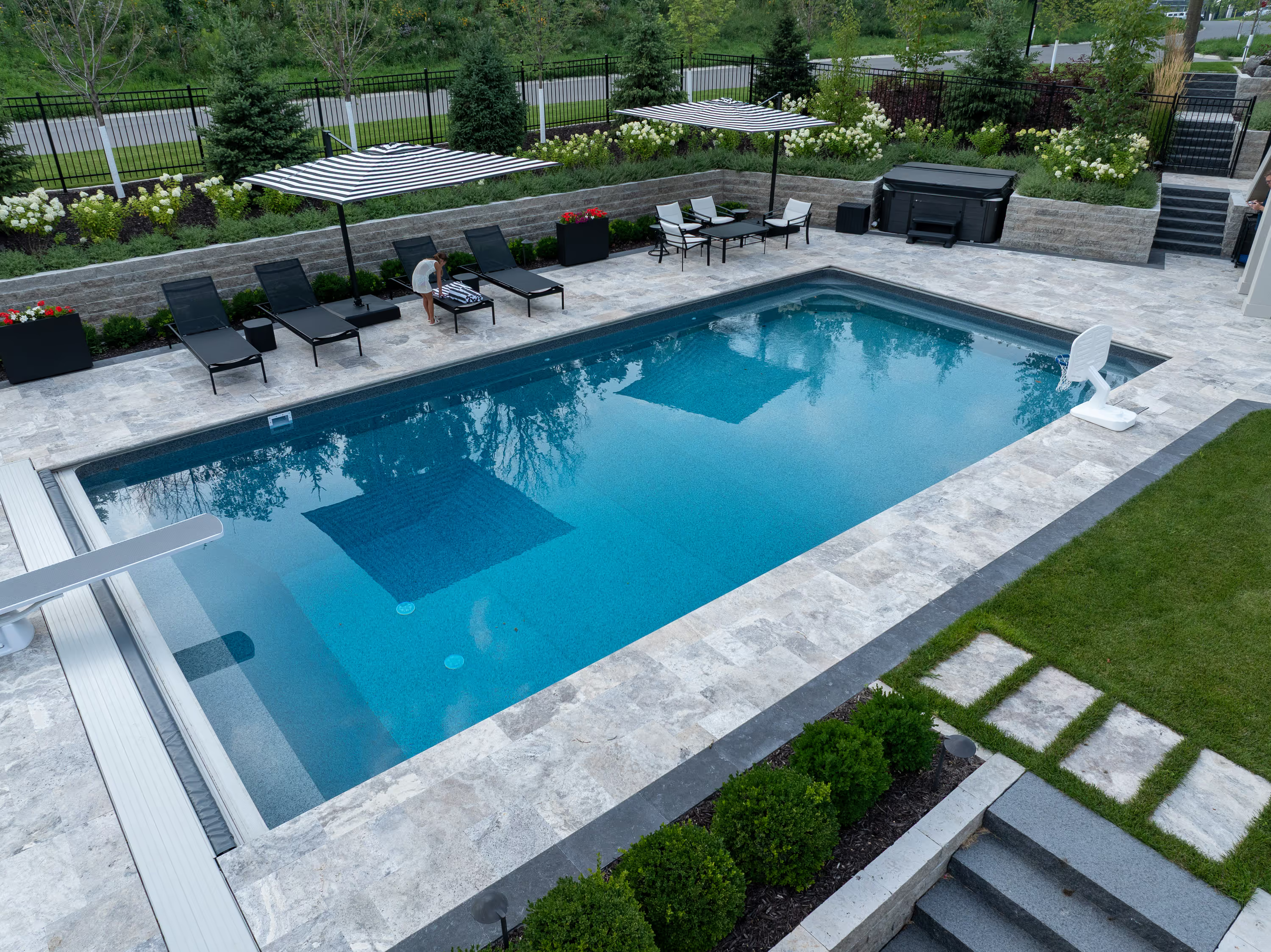
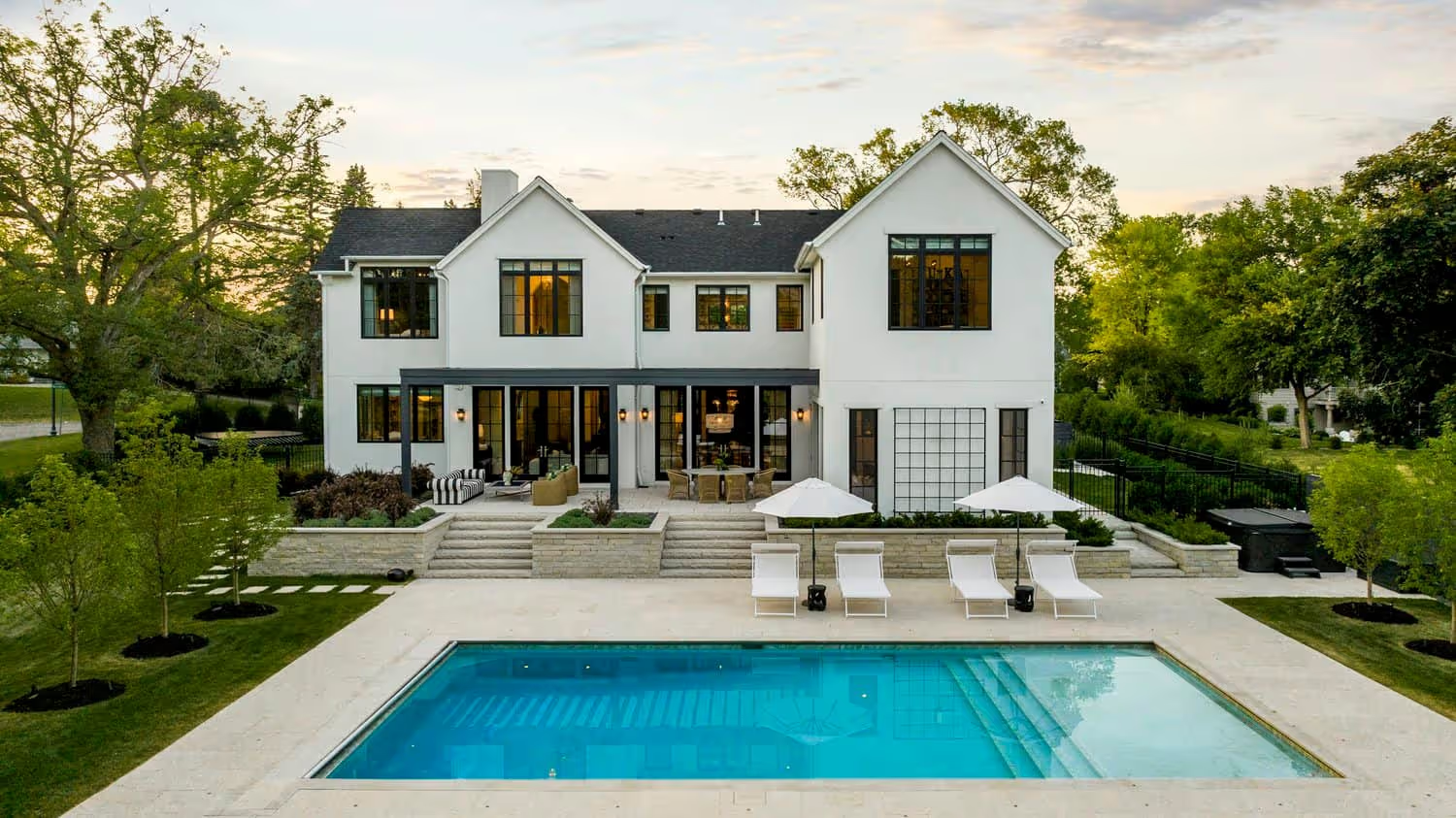
Natural travertine has become increasingly popular for pool decks in upscale installations, offering distinctive appearance and some unique properties.
Travertine Benefits
Travertine remains notably cooler underfoot than many alternatives—an appealing feature for barefoot traffic on hot summer days. The naturally textured surface provides good slip resistance, and the stone's neutral tones complement virtually any landscape design.
Minnesota Climate Concerns
However, travertine faces significant challenges in Minnesota's climate. The stone is relatively porous, absorbing water that can freeze and cause damage. Without proper sealing and ongoing maintenance, travertine can spall, crack, and deteriorate within 5-10 years in Minnesota conditions.
If you choose travertine for your Minnesota pool deck, expect annual sealing with penetrating sealers specifically formulated for freeze-thaw protection, regular cleaning to prevent organic matter from holding moisture against the stone, and potential replacement of individual pavers that show freeze damage.
Installation costs for travertine run $20-40 per square foot, and ongoing maintenance costs significantly exceed alternatives. This makes travertine a choice for homeowners who prioritize aesthetics and have both budget and commitment for ongoing maintenance.
Clay brick pavers offer timeless aesthetic appeal but face practical challenges in Minnesota pool applications.
Traditional clay brick absorbs moisture readily, leading to freeze damage over time. Modern "paver bricks" designed for hardscape applications perform better than standard building bricks but still struggle with Minnesota's extreme freeze-thaw cycles compared to concrete alternatives.
If brick aesthetics appeal to you, consider stamped concrete in brick patterns—delivering the look without the durability concerns, or using brick for accent borders combined with more durable materials for primary surfaces.
Many of our most successful pool deck projects at Plan Pools combine materials strategically to balance aesthetics, function, and budget.
A typical combination might include poured concrete or exposed aggregate for the immediate 4-6 foot pool surround (prioritizing slip resistance, easy cleaning, and durability), transitioning to stamped concrete or pavers for the main patio area (adding aesthetic interest), and incorporating natural stone or brick accents for borders, step treads, or focal areas.
This layered approach allows you to allocate budget effectively—investing in durable, low-maintenance materials where function is critical while incorporating premium aesthetics where they provide maximum visual impact.
Regardless of material choice, proper installation techniques are critical for Minnesota pool deck longevity.
Base Preparation
Thorough excavation to stable soil, minimum 4-6 inches compacted aggregate base, proper slope for drainage (minimum 1/4 inch per foot away from pool), and stable edge support and forms are all essential.
Concrete Specifications
For any concrete decking, specify 4,000-5,000 PSI concrete strength, 4-7% air entrainment, low water-cement ratio (maximum 0.45), proper rebar or mesh reinforcement, and control joints placed every 8-10 feet.
Surface Treatments
Apply penetrating sealers within 30 days of installation, plan for resealing every 2-4 years, use slip-resistant finishes in wet areas, and protect from pool chemicals and deicing salts.
At Plan Pools, we work collaboratively with Minnesota's premier landscape contractors and hardscape specialists to create comprehensive outdoor living spaces. Our ICF pool construction provides the stable, properly compacted base that allows your pool deck investment to deliver decades of service.
For complex hardscape projects incorporating retaining walls, paver patios, and custom stone work, hire specialists like Davis Contracting, Fredrickson Masonry, Preferred 1 Concrete and Cascade Concrete Coatings who understand Minnesota's unique installation requirements.
For complete landscape design incorporating your pool and deck into a cohesive outdoor environment, Minnesota Landscapes and Country Creek Builders bring expertise in creating functional, beautiful spaces that thrive in our climate.
Consider your priorities across these factors when selecting pool deck materials:
Budget: Standard concrete ($8-15/sq ft) offers best value; premium materials can reach $40-50/sq ft
Maintenance commitment: Concrete requires minimal maintenance; pavers and natural stone demand regular attention
Aesthetic goals: Stamped concrete and pavers offer most design flexibility
Longevity: Properly installed concrete can last 25-40+ years; pavers may require releveling in 10-20 years
Safety: Textured concrete and exposed aggregate provide excellent wet traction
At Plan Pools, we're committed to educating our clients about material choices and installation quality. When you're ready to create a pool and deck combination that will serve your family beautifully for decades, contact us for a consultation.
Contact us to discover why Minnesota families trust Plan Pools for complete pool and hardscape solutions.