A salt water pool is still a chlorine pool, it just makes its own. Here is how salt and chlorine systems really compare on water feel, skin and eyes, cost, and maintenance, and which fits your family.
A salt water pool is still a chlorine pool. It just makes its own chlorine from salt instead of you adding it by hand. For most Minnesota families, salt water systems mean softer feeling water, gentler effects on skin and eyes, and less weekly maintenance, at a higher upfront cost. Traditional chlorine pools cost less to set up but ask more of you week to week. At Plan Pools, we build saltwater pools as our standard because the experience is better for families who actually want to relax in their backyard.
Let's be upfront. We wrote this so it would show up when you search for salt water versus chlorine pools in Minnesota, and we are glad you found it. We build pools for a living, so yes, we want to earn your business. That said, the answer below is the same honest answer we give every family who sits down with us. You can decide for yourself whether a Plan Pools saltwater pool is right for you.
The difference between a salt water pool and a chlorine pool is how the chlorine gets into the water. A salt water pool uses a salt chlorine generator, also called a salt cell, to turn dissolved salt into chlorine automatically. A traditional chlorine pool requires you to add chlorine tablets or liquid by hand on a regular schedule. Both pools are sanitized by chlorine in the end. One just produces it for you, and one asks you to manage it yourself.
This surprises a lot of homeowners. People often assume salt water pools are chlorine free, but they are not. The salt level in a salt water pool is very low, far less salty than the ocean, and most swimmers barely notice it. What they do notice is how the water feels, which we will get to below.
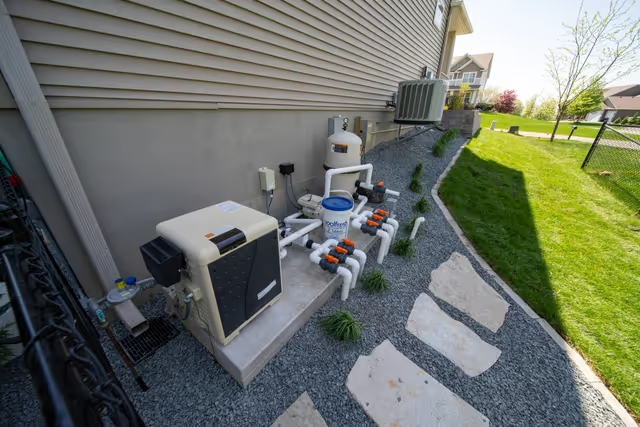
A salt water system passes pool water across an electrically charged cell. That process splits the salt into chlorine, which sanitizes the water, and then the chlorine converts back into salt, so the cycle repeats. The result is a steadier, more consistent level of chlorine than most people achieve by adding it manually. According to the CDC, proper and consistent chlorination is what keeps pool water safe, and a salt system makes that consistency easier to maintain.
Many families find a salt water pool is gentler on skin and eyes than a traditional chlorine pool. Because the chlorine is generated steadily at lower concentrations rather than added in spikes, swimmers often report less of the red eyes, itchy skin, and strong chemical smell associated with heavily chlorinated water. The water also tends to feel softer and silkier, which is one of the most common reasons our customers choose salt.
That said, a well maintained traditional chlorine pool can also be comfortable to swim in. The harshness people remember from public pools usually comes from poorly balanced water, not from chlorine itself. The advantage of salt is that it makes consistent, comfortable water easier to achieve without constant attention.
A salt water pool usually costs more upfront because the salt chlorine generator is an added piece of equipment. A traditional chlorine pool has a lower starting cost since it does not need that generator. Over time, the math shifts. Salt water owners spend less on chlorine products year to year, though they will eventually need to replace the salt cell, which is a periodic expense.
For most families, the decision is less about long term dollars and more about how they want to spend their time. If you want to spend less of your summer managing chemicals, salt water is worth the upfront investment. If you are comfortable handling weekly chlorine yourself and want the lowest starting price, a traditional chlorine setup can make sense. We walk through real numbers in our guide on what a good inground pool should cost in Minnesota.
A salt water pool generally needs less hands on maintenance week to week. The generator produces chlorine on its own, so you are mostly checking and adjusting levels rather than dosing the pool by hand every few days. You still need to test the water, keep the pH balanced, clean the salt cell periodically, and handle normal pool care like skimming and filtering.
A traditional chlorine pool needs more regular attention. You add chlorine on a schedule, monitor levels closely during hot weather and heavy use, and manage shock treatments. None of this is difficult, but it adds up across a Minnesota summer. If you want a sense of the full ownership picture, our article on the biggest factors in pool ownership costs covers it in detail.
Salt can be hard on certain pool materials over time, which is exactly why the type of pool you build matters. Salt is corrosive to some metals and can affect certain surfaces, so the construction has to be built to handle it. This is one of the reasons we build insulated concrete wall vinyl liner pools rather than steel wall pools. Steel and salt are a poor match over the long haul.
We cover this directly in our article on why saltwater systems and fiberglass pools do not mix as well as ICF pools handle them. If you plan to run a salt system, build a pool designed for it from the start.
Because salt is present in the water year round, the walls, liner, and components all need to tolerate it. Our insulated concrete form pools use a concrete wall and a custom vinyl liner, which pair well with saltwater systems and avoid the rust problems steel wall pools can develop. Building the right pool for salt up front saves you from corrosion headaches later.
The salt versus chlorine choice is not really a climate decision, but pool construction absolutely is. Minnesota's freeze and thaw cycles put stress on a pool every single year, and that is where the bigger long term decisions get made. We explain this in our piece on how Minnesota's freeze thaw cycle affects your pool.
What matters most for Minnesota families is pairing the system you want, salt or chlorine, with construction that survives our winters and keeps energy costs down. Our insulated concrete pools cut heating costs by up to 60 percent compared with steel wall pools, which means more comfortable swimming across our short season no matter which sanitation system you choose.
The sanitation system does not meaningfully change how fast a pool heats. What changes heating speed and cost is the pool's construction and insulation. A poorly insulated pool loses heat constantly, so your heater works harder no matter whether you run salt or chlorine. This is where Minnesota's short season makes construction the real story. Our insulated concrete pools hold heat far better than steel wall pools, which means you spend less to stay warm and you can open earlier in spring and swim later into fall. We cover this in our article on how insulated concrete pools extend your swimming season.
Salt water pools are generally considered very family friendly. The low salt level and steady, gentle chlorination make the water comfortable for children's skin and eyes, and many families feel it is more pleasant for kids who spend hours in the pool. As with any pool, supervision and proper fencing remain the most important safety measures, and consistent sanitation keeps the water healthy. According to CDC healthy swimming guidance, maintaining proper chlorine and pH levels is what protects swimmers from waterborne germs, and a salt system helps hold those levels steady.
In many cases an existing chlorine pool can be converted to a salt water system by adding a salt chlorine generator and the right amount of salt. The bigger question is whether the pool's construction can handle salt over the long term. Steel wall pools are a poor fit for salt because of corrosion, while concrete wall pools handle it well. If you think you might want salt water down the road, the smartest move is to build a pool designed for it from the start, which is how we approach every project. You can read more on our concrete pool page.
Choose a salt water pool if you want softer feeling water, gentler effects on skin and eyes, and less weekly chemical management, and you are comfortable with a higher upfront cost. Choose a traditional chlorine pool if you want the lowest starting price and do not mind handling chlorine yourself. For most families who want their backyard to be a place to relax rather than a chore, salt water is the more enjoyable long term choice, which is why it is our standard build.
If you are searching for a salt water pool builder in the Twin Cities, we would love to earn your business. Plan Pools is a family owned pool builder serving communities across the metro, including Lakeville and Eagan, and we build saltwater insulated concrete pools designed to last decades. You can see our work on our completed projects page and start a conversation any time through our contact page.
The first step is simple. Fill out the form, send a copy of your lot survey and a few photos of your yard, and we will give you an honest idea of cost and what is possible.