Take these essential steps to prepare your pool for Minnesota's winters.
Minnesota's harsh winters demand proper pool winterization to protect your investment from freeze damage, equipment failure, and costly spring repairs. At Plan Pools, we've perfected winterization procedures that keep Minnesota pools safe through our brutal cold while simplifying spring opening. Whether you handle winterization yourself or hire professionals, understanding the process helps you make informed decisions that protect your pool for decades.
Minnesota winters subject pools to conditions that would devastate improperly prepared systems. With temperatures regularly dropping below -20°F, frost penetration reaching 42+ inches deep, freeze-thaw cycles occurring 40-60 times annually, and extended periods of frozen conditions (November through March), protecting your pool from freeze damage isn't optional—it's essential.
Water expands approximately 9% when it freezes, creating tremendous pressure on pool structures, plumbing, and equipment. A single night of unexpected freezing can cause thousands of dollars in damage to pipes, filters, pumps, heaters, and pool walls.
Proper winterization protects against frozen pipes bursting, filter tanks cracking from ice expansion, pump housings splitting, heater exchanges rupturing, pool walls cracking or heaving, automatic cover mechanisms freezing, and liner damage from ice formation.
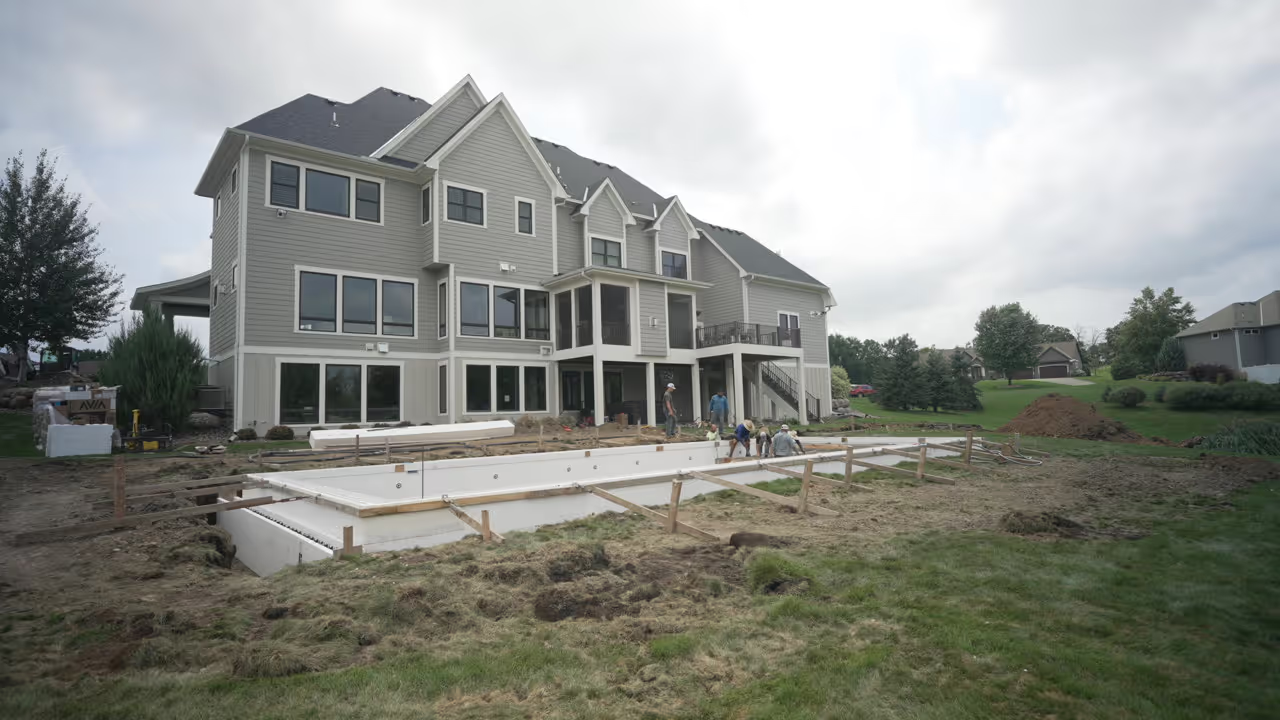
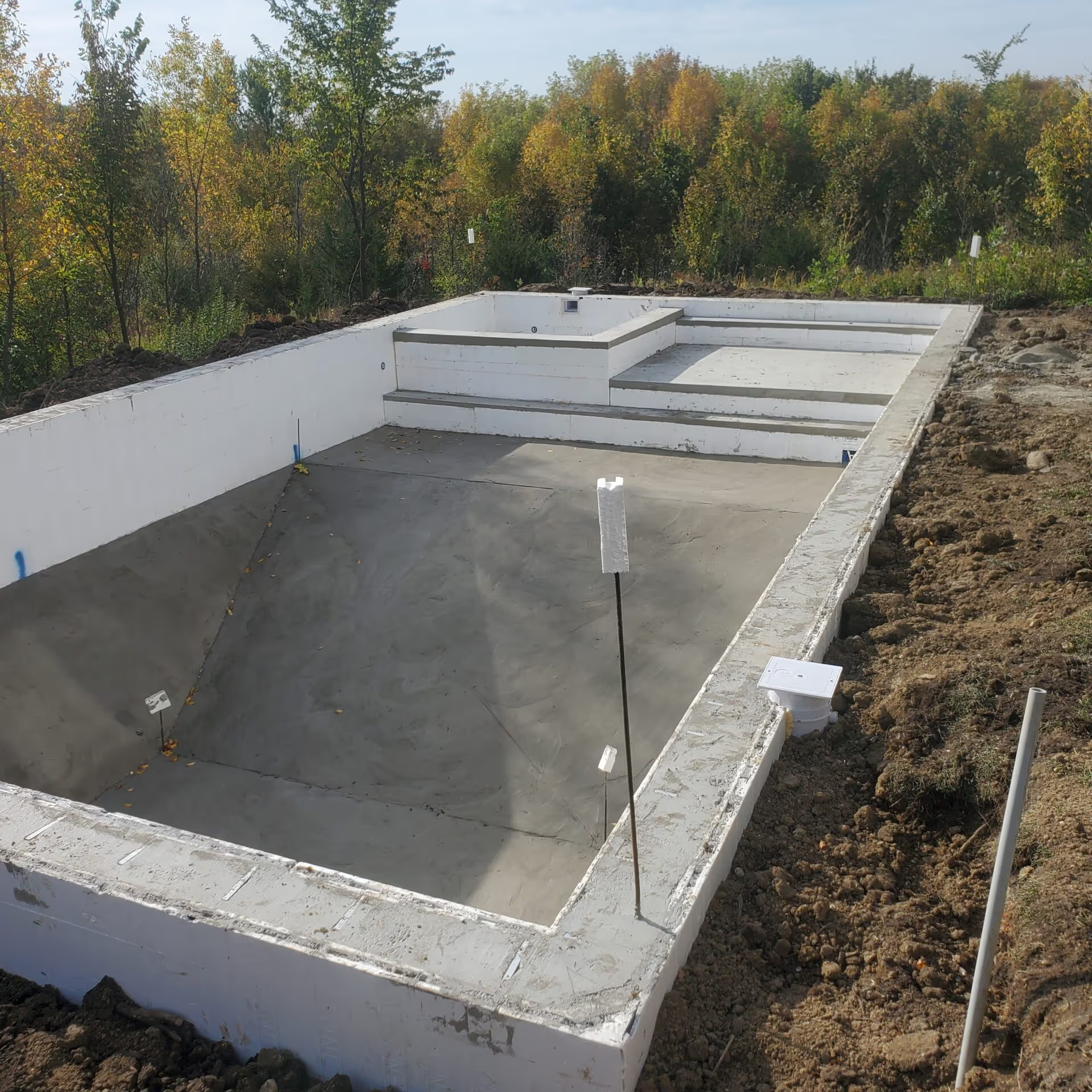
At Plan Pools, our ICF concrete construction provides inherent freeze protection advantages. The insulated foam surrounding the concrete walls moderates ground temperature around the pool, reducing frost penetration and minimizing heave pressure. This built-in protection doesn't eliminate the need for proper winterization, but it does provide a margin of safety that steel wall pools lack.
The timing of your pool closing significantly impacts both process difficulty and equipment protection.
Traditional Closing Timeline
Most Minnesota pool owners close their pools between late September and mid-October. This timing balances extending swimming season (capturing warm September days) with avoiding unexpected early freezes and providing manageable water temperatures for closing procedures.
Closing before water temperature drops below 50°F makes the process more comfortable and allows chemicals to circulate effectively. Once water temperature reaches 40°F, chemical distribution becomes difficult and biological activity slows significantly.
The Plan Pools Advantage: Extended Seasons
Our ICF pools' superior insulation allows many families to swim comfortably into late September or early October, long after steel wall pool owners have closed for the season. The insulated walls keep water temperatures 8-12°F warmer throughout the shoulder seasons, extending your swimming enjoyment by 3-6 weeks compared to conventional pools.
When you're ready to close, the same insulation that extended your season continues protecting your investment. The moderated ground temperatures around ICF pools reduce freeze risk during those unpredictable October or November cold snaps before you've completed winterization.
Weather Monitoring
Minnesota's unpredictable fall weather demands flexibility. Monitor extended forecasts closely in late September and early October. If an unexpected cold snap threatens, you may need to accelerate your closing schedule. Having winterization supplies prepared in advance allows quick response to weather changes.
Follow these comprehensive steps to properly winterize your Minnesota pool:
Step 1: Final Cleaning and Balancing
Begin winterization with thorough cleaning while water temperature remains above 50°F. Vacuum pool floor and walls completely, brush tile line and walls to remove organic matter, skim surface debris, clean skimmer and pump baskets, backwash or clean filter thoroughly, and inspect pool for damage requiring off-season repair.
Chemical balancing before closing prevents staining, scale formation, and organic growth during the off-season. Test and adjust pH to 7.2-7.6 (slightly lower than summer range), alkalinity to 80-120 ppm, calcium hardness to 175-225 ppm, and add winterizing chemical kit according to manufacturer directions.
Many winterizing kits include algaecide, stain preventer, and clarifier formulated for extended dormancy. At Plan Pools, we recommend premium winterizing chemicals designed specifically for Minnesota's extended off-season (5-6 months).
Step 2: Lowering Water Level
The appropriate water level for Minnesota winter depends on your pool type and cover system.
For pools with mesh safety covers, lower water 12-18 inches below tile line or skimmer. This prevents ice expansion from damaging the tile line and allows the cover to sit below pool coping without touching water surface.
For solid covers with automatic pumps, maintain water 4-6 inches below tile line. The cover's drain system will manage precipitation accumulation throughout winter.
Never completely drain your Minnesota pool for winter. The concrete structure and vinyl liner need water pressure to maintain integrity. An empty pool subjected to groundwater pressure from frozen soil can heave, shift, or develop structural damage. Our ICF pools' robust construction provides extra stability, but maintaining proper water level remains important.
Use your pool pump to lower water level initially, then switch to submersible pump for final adjustment. Discharge water following local regulations—some Twin Cities municipalities restrict draining to storm sewers.
Step 3: Equipment Winterization
Minnesota winters will destroy unprotected pool equipment. Proper drainage and antifreeze use are essential.
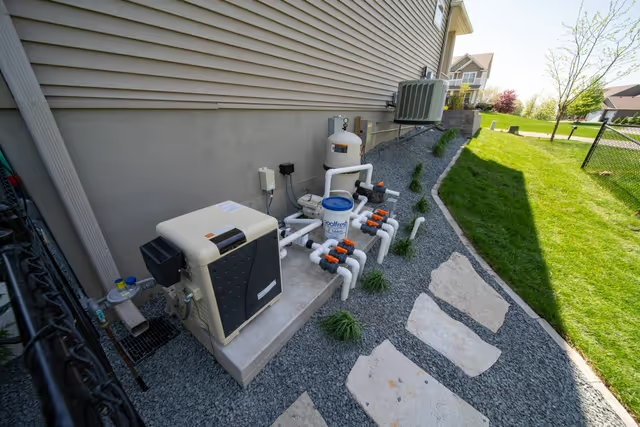
Pump Winterization: Turn off power at breaker, remove drain plugs from pump housing, open strainer lid to ensure complete drainage, store plugs in pump basket so they're available for spring opening, and if pump is exposed to weather, cover with weather-resistant material.
Modern variable speed pumps contain sensitive electronics that benefit from additional protection. Some Minnesota pool owners remove pumps entirely for indoor storage, though properly drained pumps can safely remain in equipment enclosures.
Filter Winterization: For sand filters, set valve to winterize position (between settings to keep valve open), remove drain plug from filter tank bottom, open air relief valve to allow complete drainage, and leave valve in open position all winter.
For cartridge filters, release pressure and remove lid, pull cartridge for cleaning and indoor storage, drain filter tank completely, and leave the tank open (some owners remove tanks for indoor storage).
DE filters follow similar procedures to sand filters, but many professionals recommend removing DE grids for indoor storage to prevent damage from any residual moisture freezing.
Heater Winterization: Heaters contain extensive plumbing that must be completely drained. Remove all drain plugs (typically 3-5 per heater), blow out water lines with compressed air or shop vac, leave plugs in visible location for spring reinstallation, and for gas heaters, consider turning off gas supply at source.
Heat pumps require special attention as they contain refrigerant lines and sensitive electronics. Follow manufacturer instructions precisely, as improper winterization can void warranties.
Step 4: Plumbing Line Protection
Frozen water in underground plumbing lines causes the majority of expensive winter damage. Minnesota pool owners must completely clear all water from pipes.
Blowing Out Lines: Professional-grade air compressors (capable of 10-15 CFM at 15-20 PSI) effectively clear pool plumbing. Connect compressor to skimmer line, close main drain valve, blow air through return lines until only air escapes, repeat for all return lines individually, and blow out skimmer lines.
For pools with multiple skimmers, blow out each line separately. Watch for air bubbles emerging from all return jets, indicating complete water removal.
Antifreeze Protection: After blowing lines, add pool-grade antifreeze (propylene glycol-based, never automotive antifreeze) to provide additional protection. Pour 1-2 quarts antifreeze into each skimmer line, add 1 quart to main drain line, pour 1-2 quarts into each return line, and install winter plugs in all lines after antifreeze addition.
This antifreeze doesn't prevent freezing but rather protects pipes if any residual water remains and freezes. The propylene glycol base won't damage pool surfaces or equipment like automotive antifreeze would.
At Plan Pools, we design plumbing systems with proper pitch to facilitate drainage. The fewer low spots and pockets in your plumbing, the easier winterization becomes and the lower your risk of freeze damage.
Step 5: Accessory Protection
Remove and store all removable equipment including ladders and handrails (store indoors), pool cleaners and hoses (drain completely and store indoors), solar blankets and summer covers (clean, dry, and store indoors), deck furniture (store indoors or in weather-resistant storage), and decorative features (remove anything susceptible to freeze damage).
For items that must remain in place (built-in features, underwater lighting), ensure complete drainage and consider antifreeze protection.
Step 6: Pool Cover Installation
Your winter pool cover represents your final defense against debris, light (which promotes algae), and safety hazards.
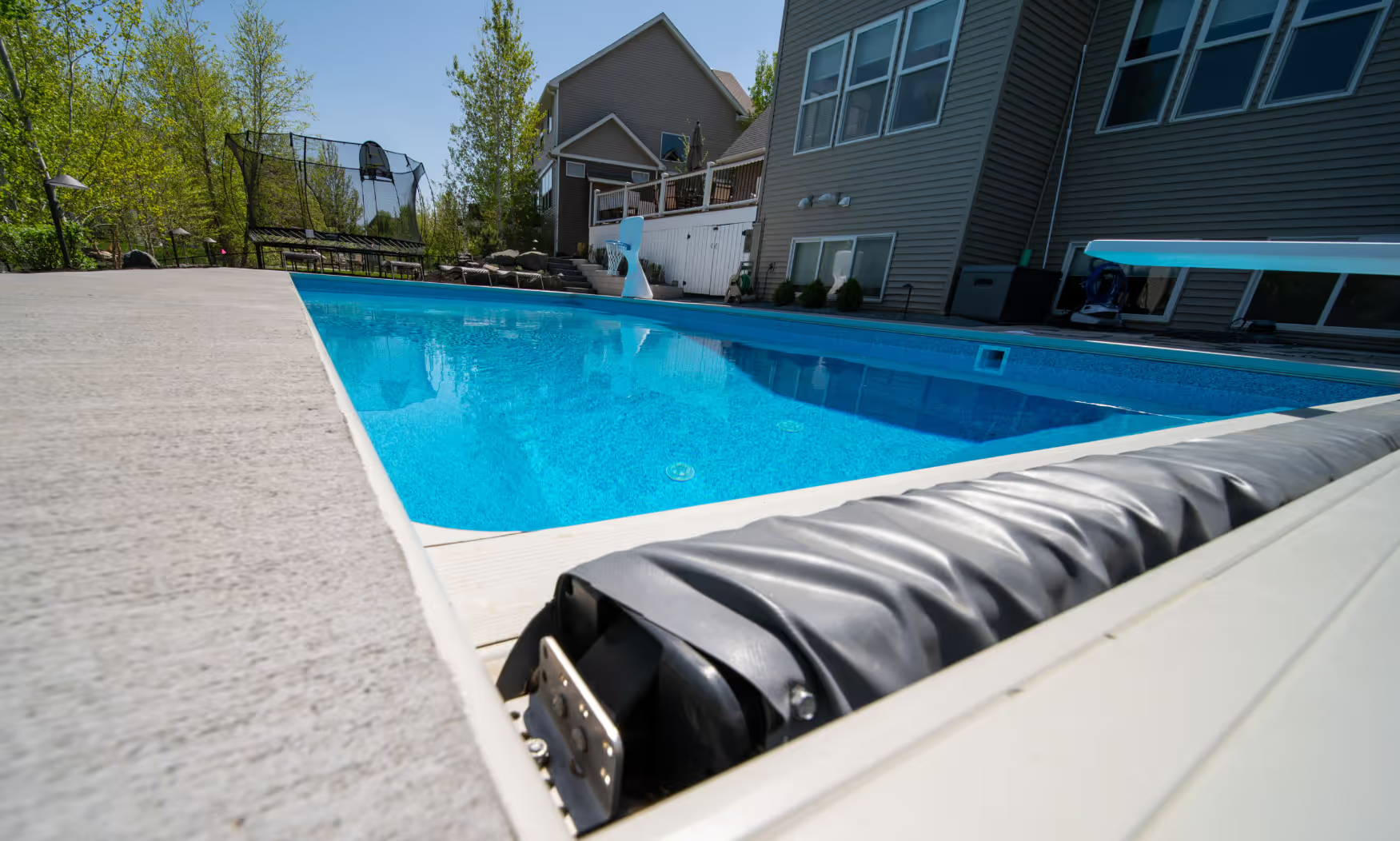
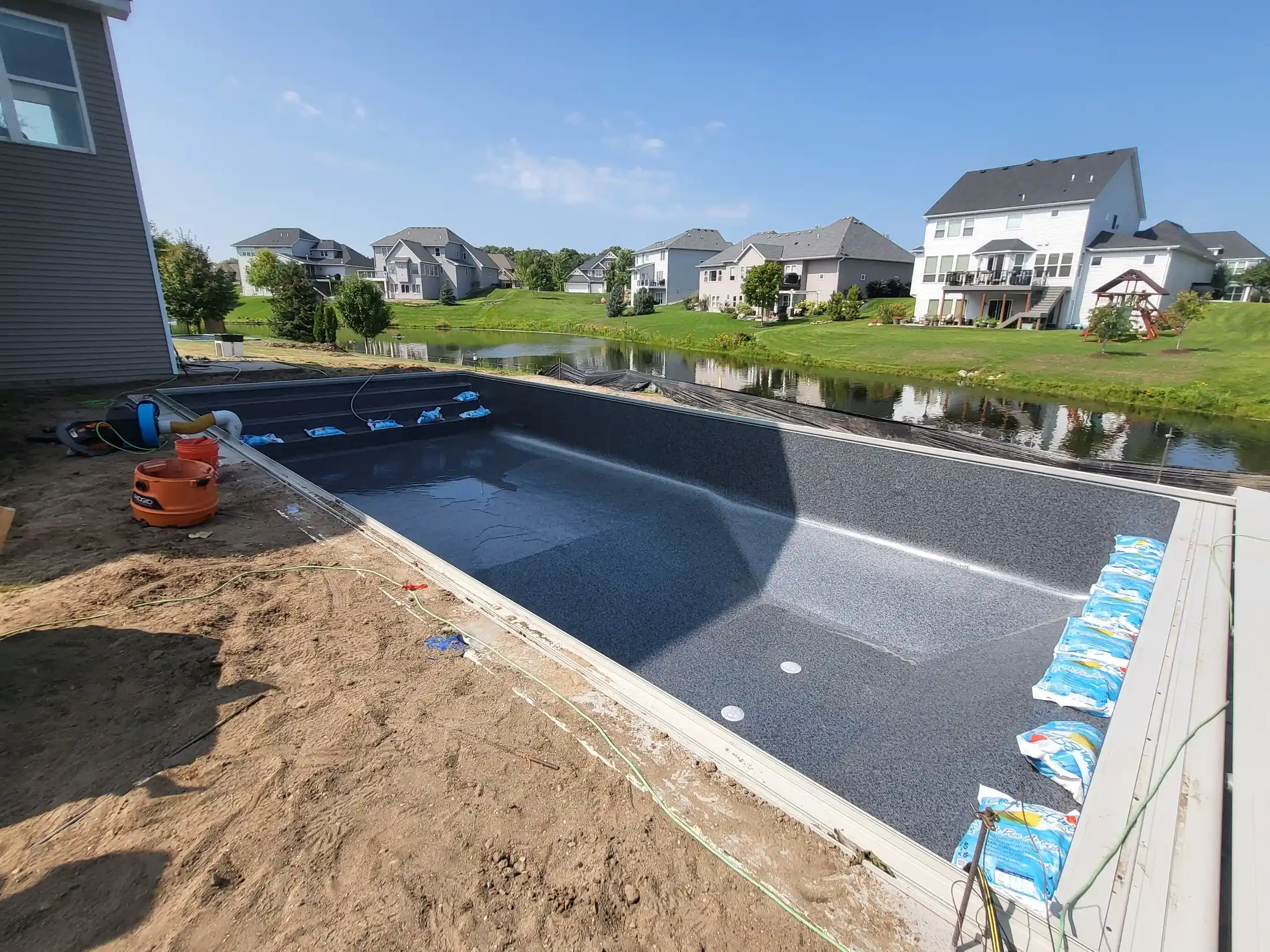
Mesh Safety Covers: Professional-grade mesh safety covers provide security, debris protection, and water drainage. Installation requires anchors installed around pool perimeter (brass inserts drilled into concrete deck), tension springs at each anchor point, cover stretched tight across pool with minimal sag, and proper spring tension to support weight while allowing water drainage.
Quality mesh covers are rated to support thousands of pounds, providing critical safety protection for children, pets, and wildlife. The mesh allows rain and snow melt to drain through while blocking leaves and debris.
For Minnesota installations, mesh covers work well on pools that can accommodate lower water levels. The cover sits above the frozen ice surface throughout winter.
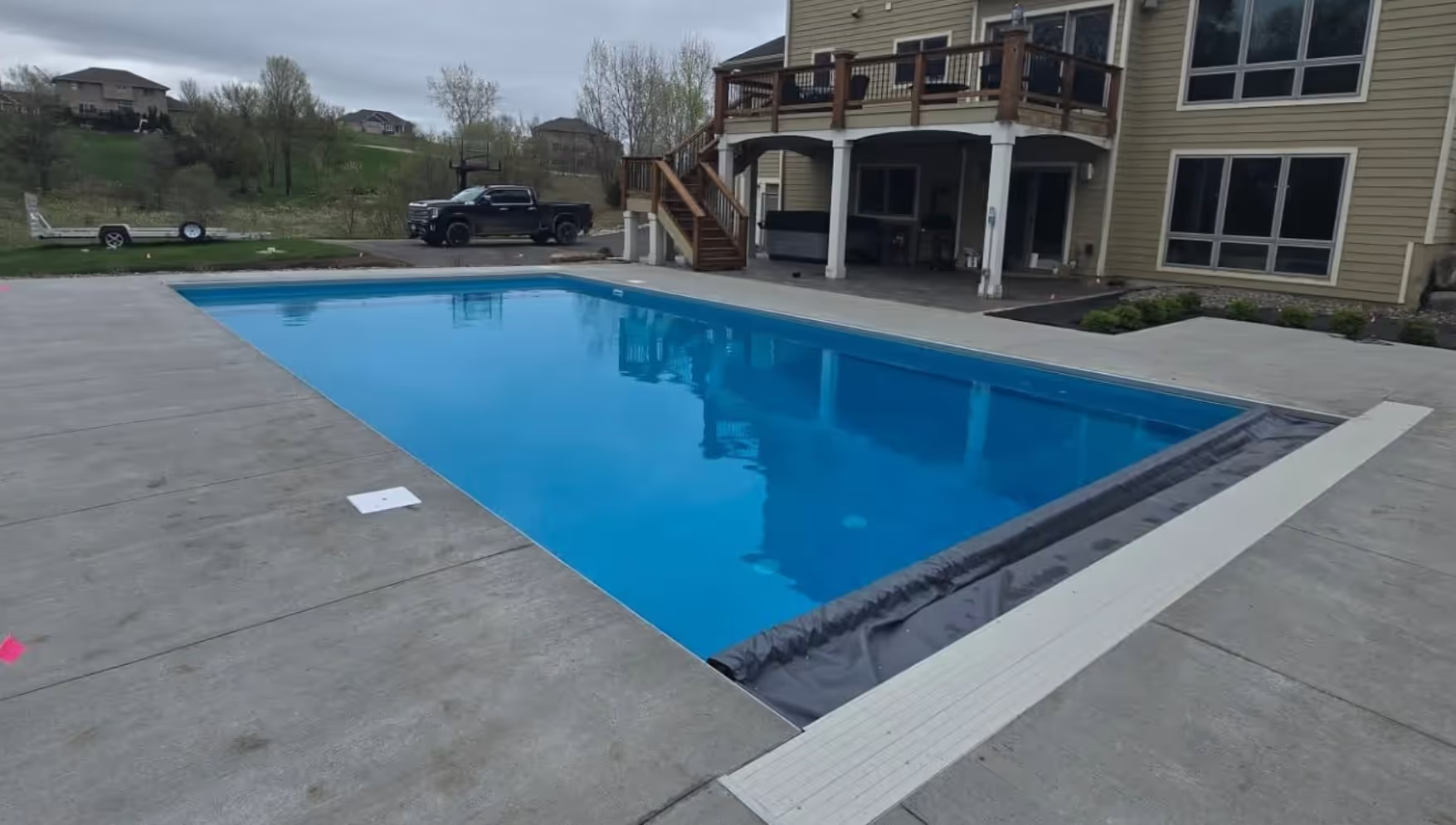
Solid Safety Covers: Solid covers with automatic drainage systems prevent all light penetration (stopping algae) while managing precipitation accumulation. Installation includes anchors around perimeter, cover with sewn-in drain channels, automatic cover pump powered by integrated float switch, and pump discharge away from pool area.
Solid covers require more maintenance throughout winter, as you must ensure the automatic pump remains functional and water doesn't accumulate excessively on the cover. However, they typically result in cleaner pool water at spring opening.
For pools using solid covers, water level must remain higher (4-6 inches below tile line) to properly support the cover while preventing it from touching the frozen ice surface.
The Plan Pools Cover Commitment: At Plan Pools, we include premium automatic safety covers as standard equipment because Minnesota's climate and safety concerns make them essential rather than optional. Our installations ensure proper anchor placement, correct cover tension, reliable operation, and compliance with Minnesota safety regulations.
These covers provide security, weather protection, debris prevention, algae control, and retained heat (if installed before complete closing).
Step 7: Final Winterization Checks
Before completing winterization, verify all drain plugs removed from equipment, antifreeze added to all plumbing lines, winter plugs installed in return jets and skimmer, water level appropriate for cover type, pool chemicals properly balanced, cover properly installed and tensioned, equipment protected from weather, and all removable accessories stored.
Document your winterization date and procedures. This information helps you plan spring opening timing and provides records for any warranty claims if damage occurs.
Plan Pools' ICF construction provides significant winterization advantages that Minnesota pool owners appreciate throughout our extended off-season.
Temperature Moderation The insulated foam surrounding ICF pool walls creates a thermal buffer that moderates ground temperature fluctuations. This moderation reduces frost penetration around the pool, minimizes heave pressure on pool structure, protects plumbing lines near pool structure, and reduces risk of ice damage to walls.
Steel wall pools lack this temperature moderation. The uninsulated metal conducts ground temperature directly to the pool interior, creating maximum freeze stress on structure and plumbing.
Structural Integrity ICF pools' rebar-reinforced concrete walls, surrounded by rigid foam insulation and properly compacted backfill, resist freeze-thaw movement. This robust construction means ICF pools emerge from Minnesota winters without the shifting, settling, or structural movement that can plague steel wall installations.
Steel wall pools' flexible structure and inadequate backfill compaction mean winter freeze-thaw cycles can cause wall movement, bulging, or separation from pool bottom. These structural shifts require expensive repairs and accelerate liner replacement needs.
Plumbing Protection ICF construction allows plumbing lines to be positioned within the insulated envelope, providing protection from extreme ground temperatures. This positioning doesn't eliminate winterization requirements, but it does provide additional safety margin if antifreeze protection isn't perfect.
Steel wall pools' plumbing typically runs outside the pool structure in unprotected soil, exposed to maximum frost penetration and freeze risk.
Off-Season Confidence Minnesota pool owners using Plan Pools' ICF construction report greater confidence throughout winter, knowing their pool structure can withstand our extreme conditions. The lifetime structural warranty on our ICF walls means you don't worry about freeze damage causing catastrophic failures that would require expensive structural repairs.
Many Minnesota pool owners handle winterization themselves, while others prefer professional service. Each approach offers distinct advantages.
DIY Winterization Advantages: Cost savings ($200-400 versus professional fees), scheduling flexibility (close exactly when desired), familiarity with your specific pool system, and immediate response to weather changes.
Professional Winterization Advantages: Proper equipment for blowing out lines, experience identifying potential problems, insurance coverage if errors cause damage, comprehensive service including all steps, and time savings for busy families.
At Plan Pools, we offer professional winterization services to clients who prefer expert care. Our technicians understand the specific characteristics of ICF pools and ensure complete protection using proper procedures and materials.
For clients handling their own winterization, we provide detailed guidance and can troubleshoot any concerns that arise during the process.
The care you take during fall winterization directly impacts spring opening difficulty and expense. Properly winterized Minnesota pools open easily with clear water ready for chemical balancing and heating. Improperly winterized pools may face green, swampy water requiring extensive cleaning, equipment damage requiring repair or replacement, stained surfaces needing professional treatment, or structural damage from freeze heaving.
The extra time and attention during fall winterization saves considerably more time, money, and frustration when spring arrives and you're eager to start swimming.
Everything about Plan Pools' approach—from ICF construction to premium equipment selection to comprehensive customer guidance—focuses on delivering pool ownership that works beautifully in Minnesota's challenging climate.
Our insulated concrete construction provides inherent freeze protection that steel wall pools can't match. Our included automatic safety covers meet Minnesota safety requirements while protecting your investment throughout our extended off-season. Our salt water systems and premium automation simplify spring opening and summer maintenance. Our design-build process creates properly pitched plumbing that drains completely during winterization.
When you invest in a Plan Pool, you're not just getting a swimming pool—you're getting a comprehensive system engineered specifically for decades of reliable Minnesota service.
For comprehensive outdoor maintenance and winterization assistance, we work with trusted contractors including Minnesota Landscapes and Country Creek Builders who understand the unique requirements of our climate.
For financial planning around pool maintenance and operating costs, Performance Financial provides expert guidance to Minnesota families managing significant home investments.
Ready to create your Minnesota pool oasis with construction that withstands our toughest winters? Contact Plan Pools at planpools.com to discover why Twin Cities families trust our ICF pools for decades of worry-free ownership.