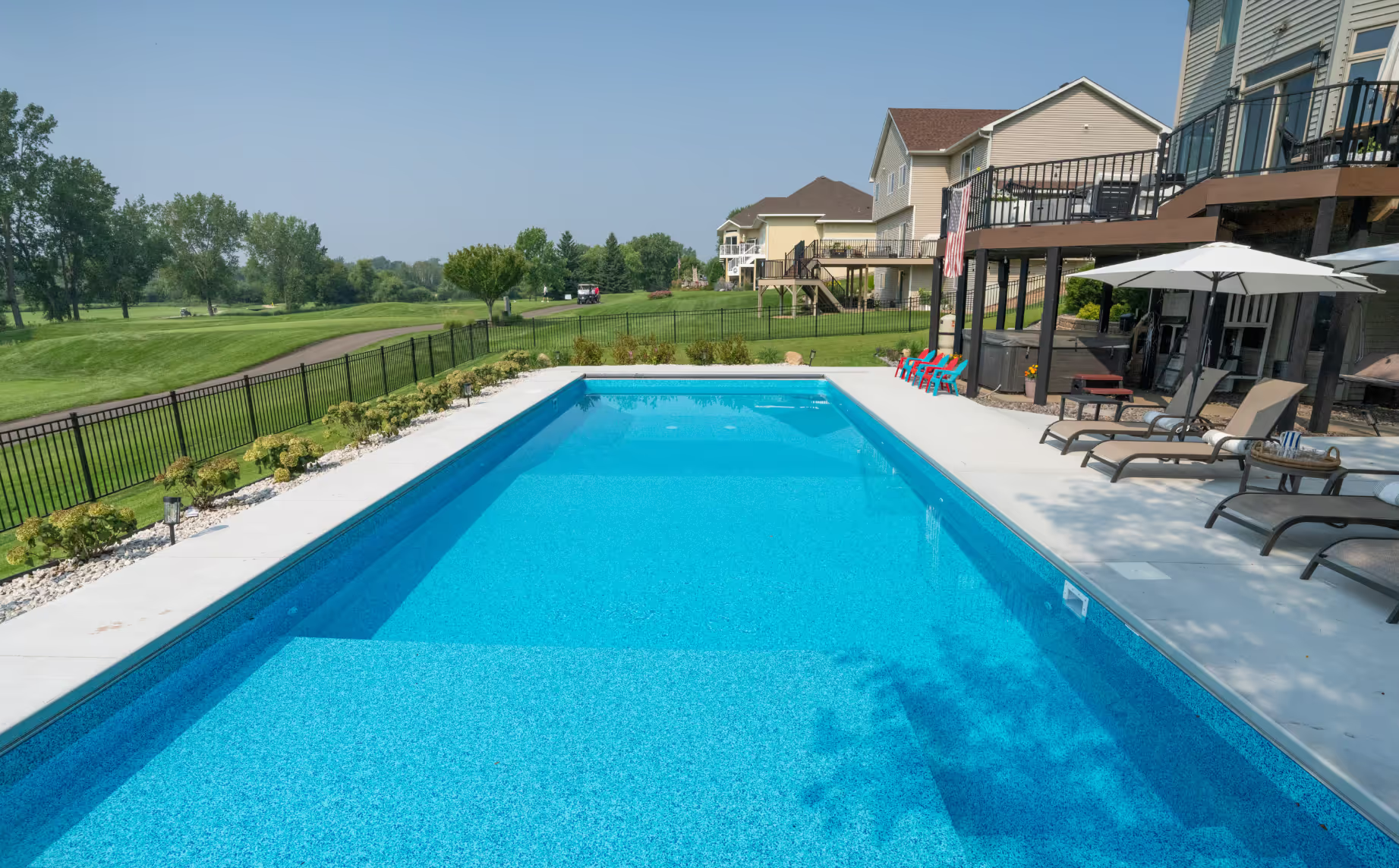
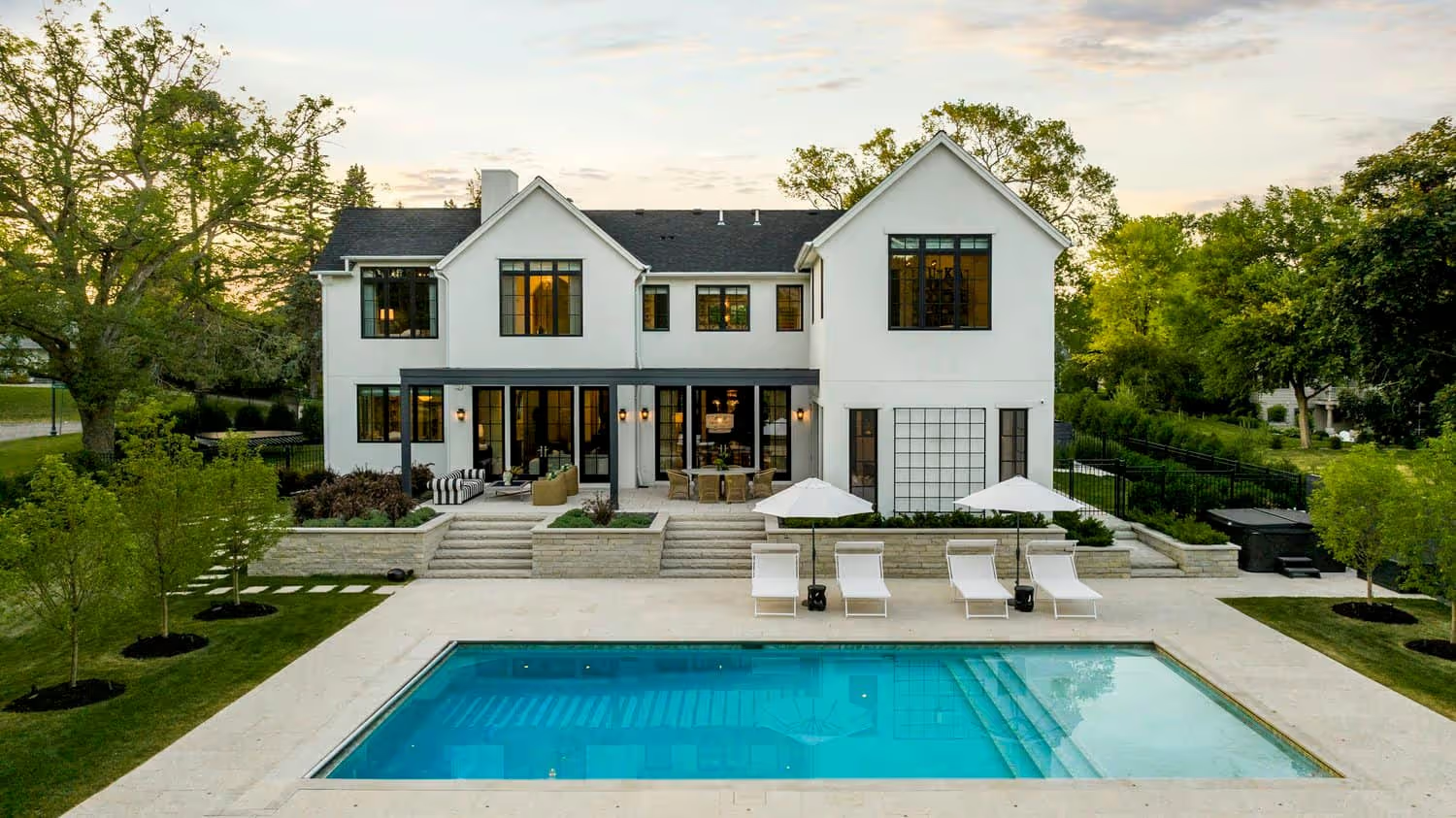
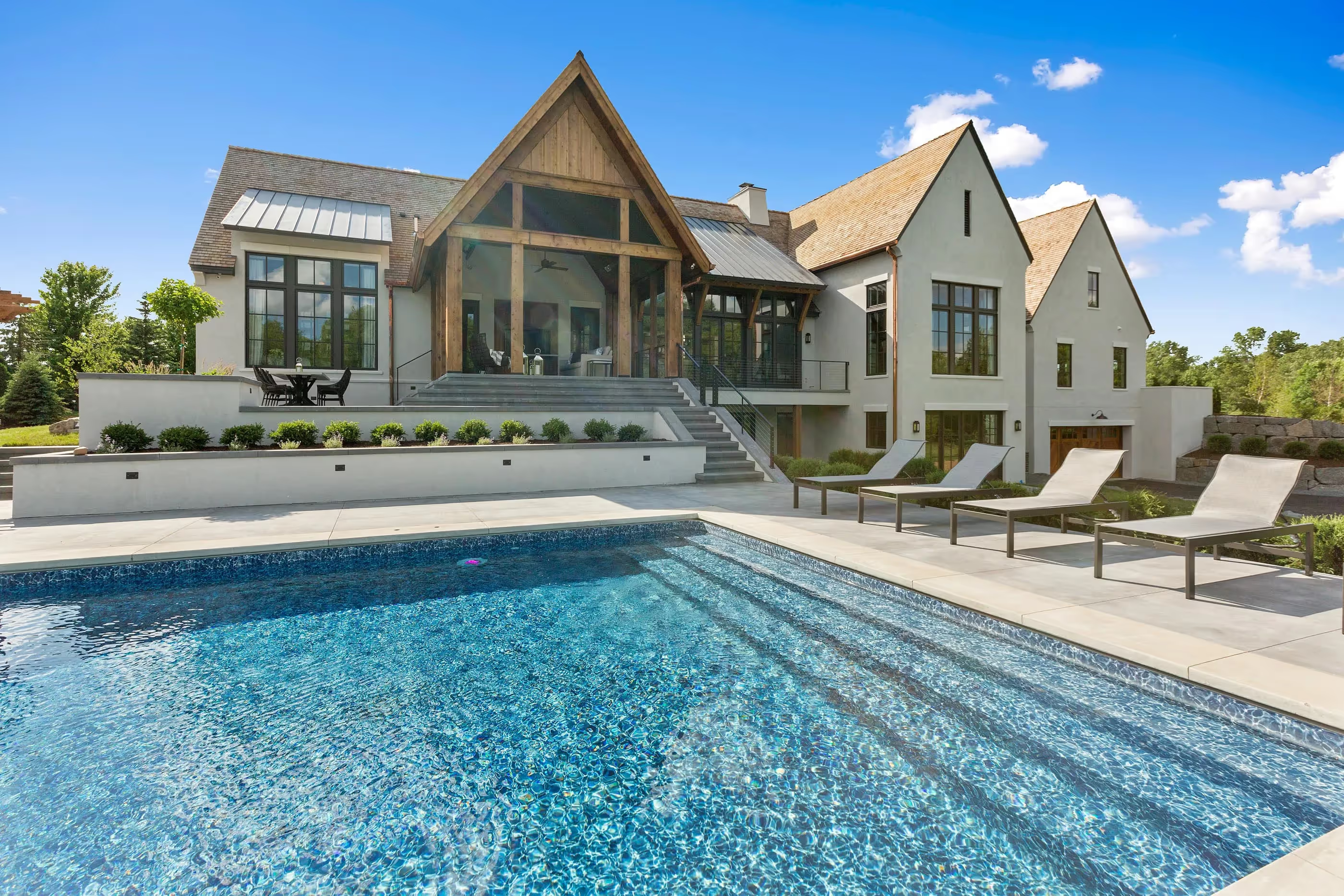
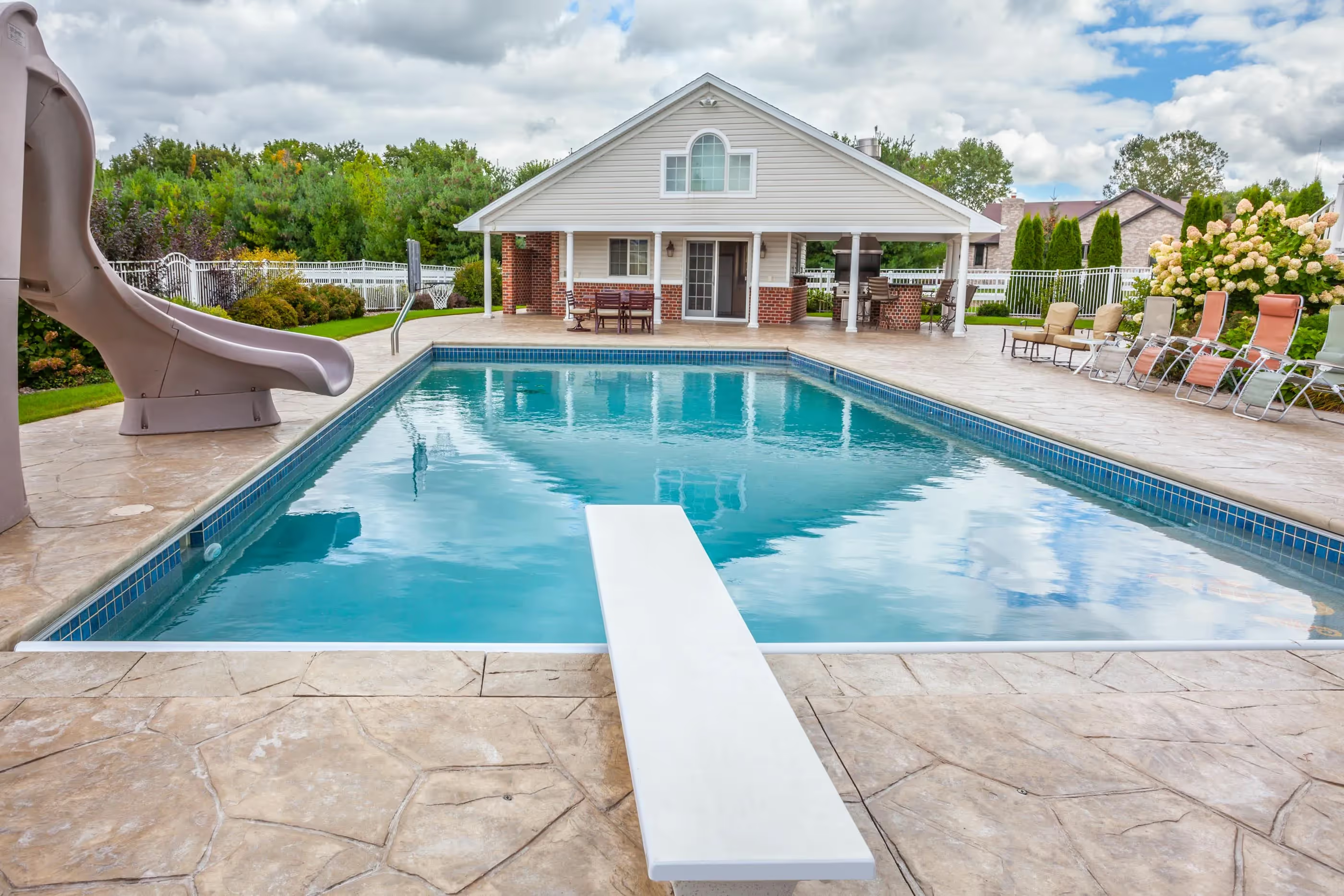
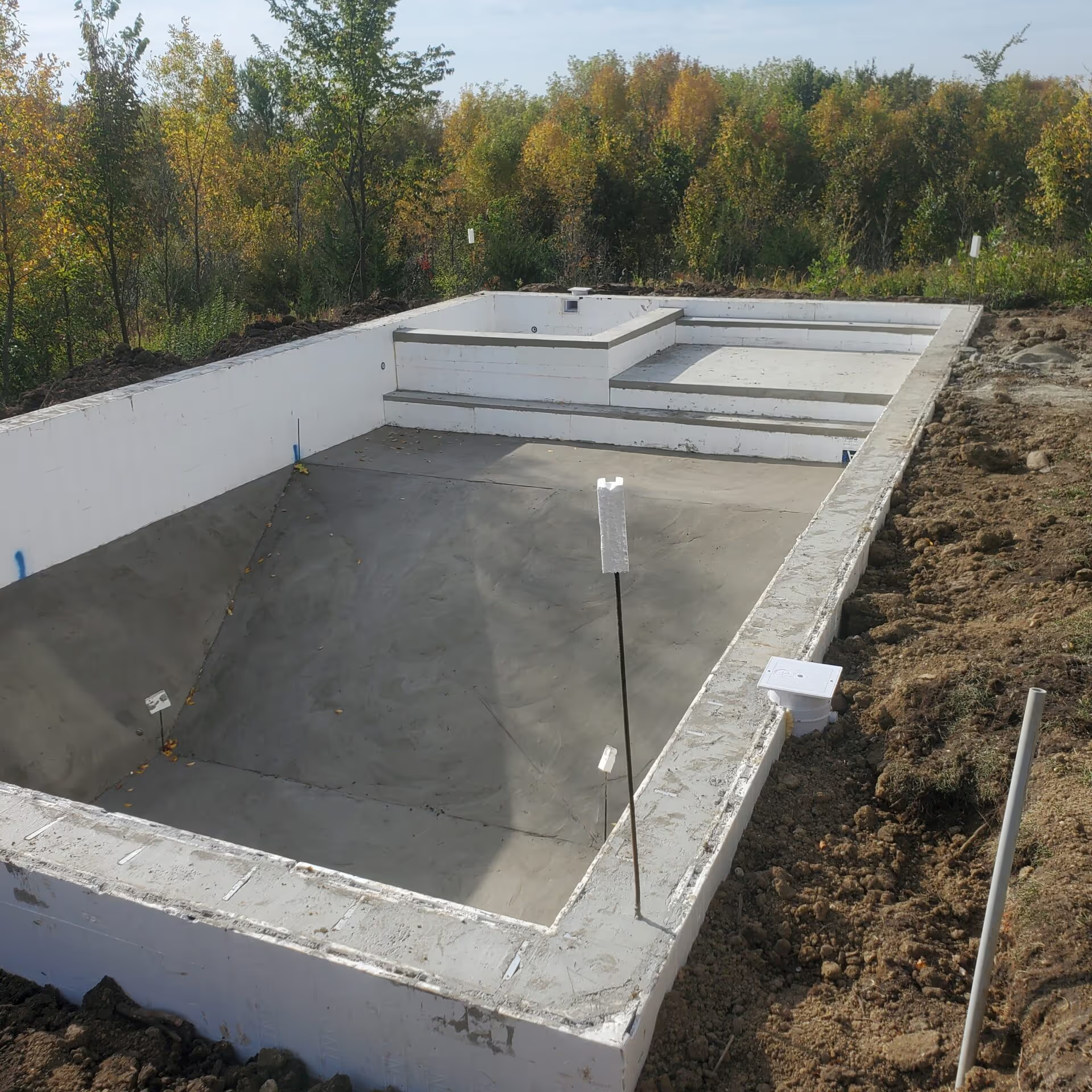
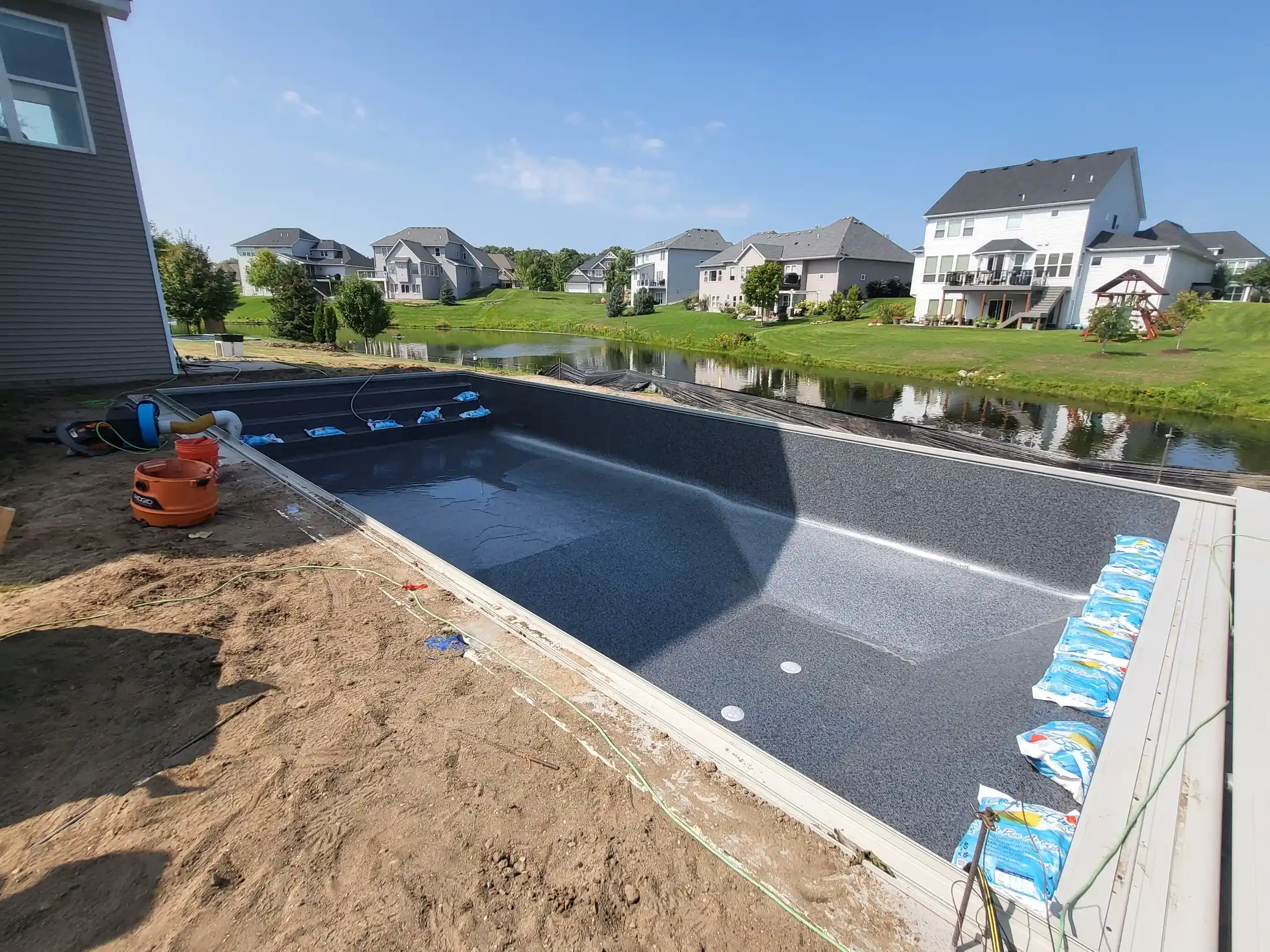
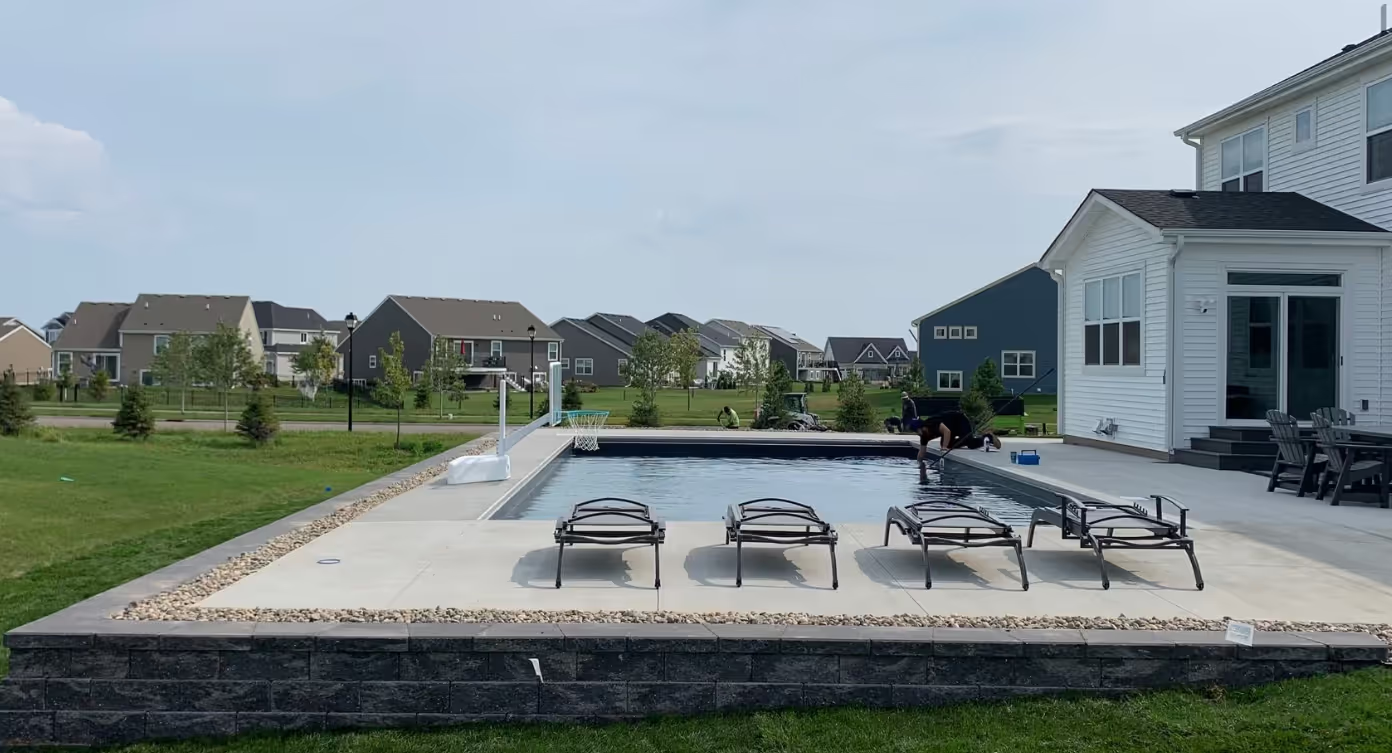
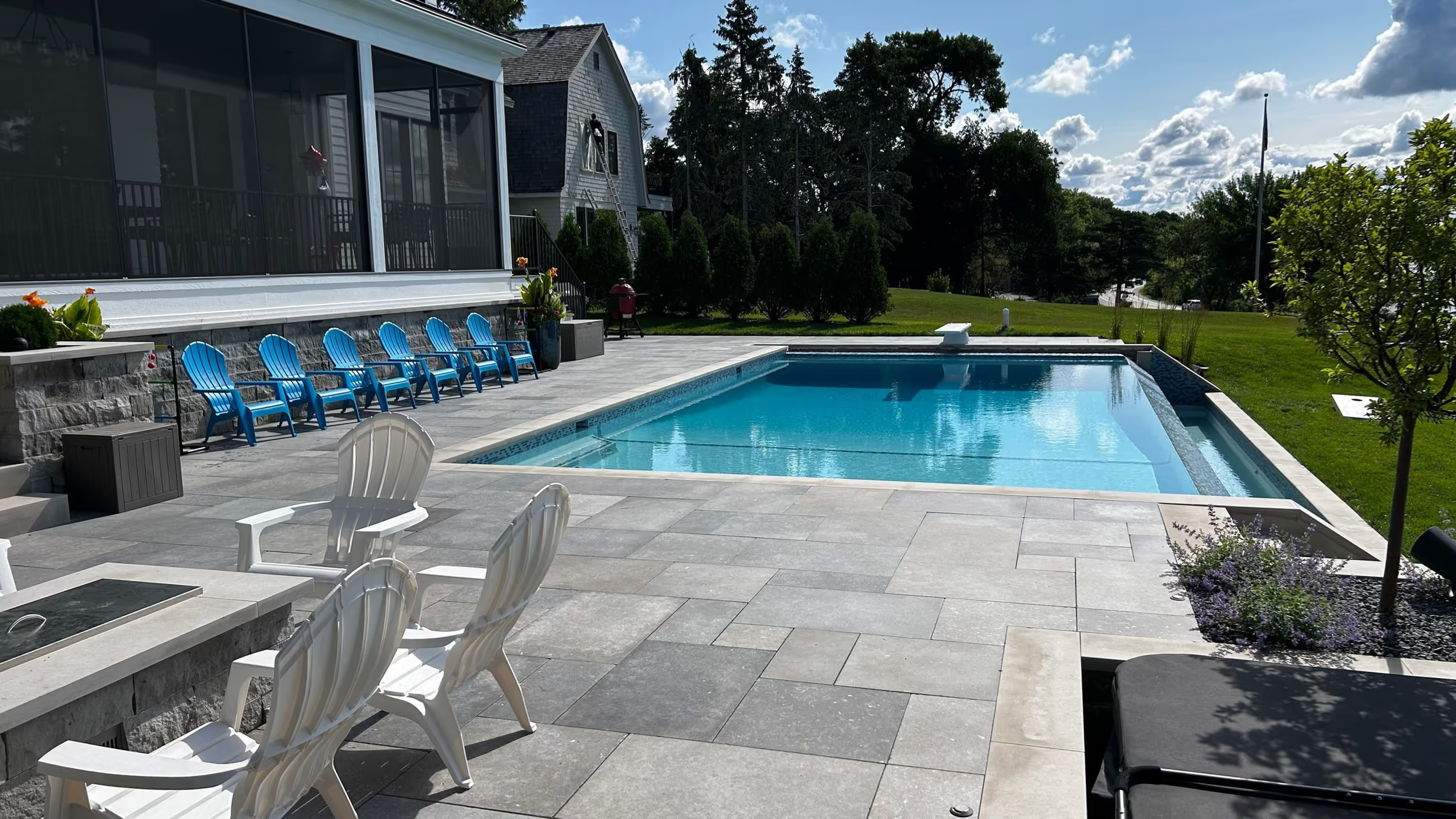
When determining if you should add a hot tub to your Minnesota pool, consider these costs and options.
When planning your Minnesota pool, one question often arises: should we include a hot tub or spa as part of the project? The appeal is obvious—extend your outdoor water enjoyment beyond the compressed swimming season, create a year-round backyard destination, and add therapeutic benefits that a pool alone can't provide.
At Plan Pools, we've designed and built countless pool-spa combinations throughout the Twin Cities metro area. We've also helped customers understand when adding a hot tub makes sense and when it doesn't. Here's everything Minnesota pool owners need to know about integrating a spa with their pool.
Unlike homeowners in Florida or Arizona who can swim comfortably 9-10 months per year, Minnesota pool owners get 4-5 months of swimming at best. For families who want year-round water enjoyment, a hot tub transforms your backyard from a seasonal amenity to a true four-season destination.
Minnesota Spa Season:
A quality hot tub extends your outdoor water season from ~120 days (pool only) to 365 days (pool + spa).
There's something uniquely satisfying about hot tubbing in Minnesota winters:
The Contrast: Stepping from cold winter air into steaming water creates an invigorating sensory experience that warm-climate residents never experience.
The View: Watching snowfall while relaxing in hot water, seeing winter stars through steam, and enjoying peaceful winter nights creates magical moments.
The Conversation: Hot tubs naturally create intimate social settings. Some of the best family conversations and friend gatherings happen in the spa on cold winter nights.
The Health Benefits: Heat therapy for sore muscles, stress relief, improved circulation, and better sleep—all valuable during long Minnesota winters.
Beyond the experiential benefits, hot tubs provide legitimate health advantages:
Muscle Recovery: Hydrotherapy jets provide targeted massage for sore muscles—valuable for athletes, active families, and anyone with physical labor jobs.
Arthritis Relief: Warm water reduces joint pain and stiffness, allowing easier movement and reduced discomfort.
Stress Reduction: Warm water immersion activates parasympathetic nervous system, reducing stress hormones and promoting relaxation.
Better Sleep: Regular evening hot tub use can improve sleep quality—the body temperature drop after exiting the spa promotes natural sleepiness.
Circulation Improvement: Warm water causes blood vessels to dilate, improving circulation throughout the body.
Social Connection: Shared spa time with family strengthens relationships through focused, device-free interaction.
When adding a spa to your pool project, you have three primary options:
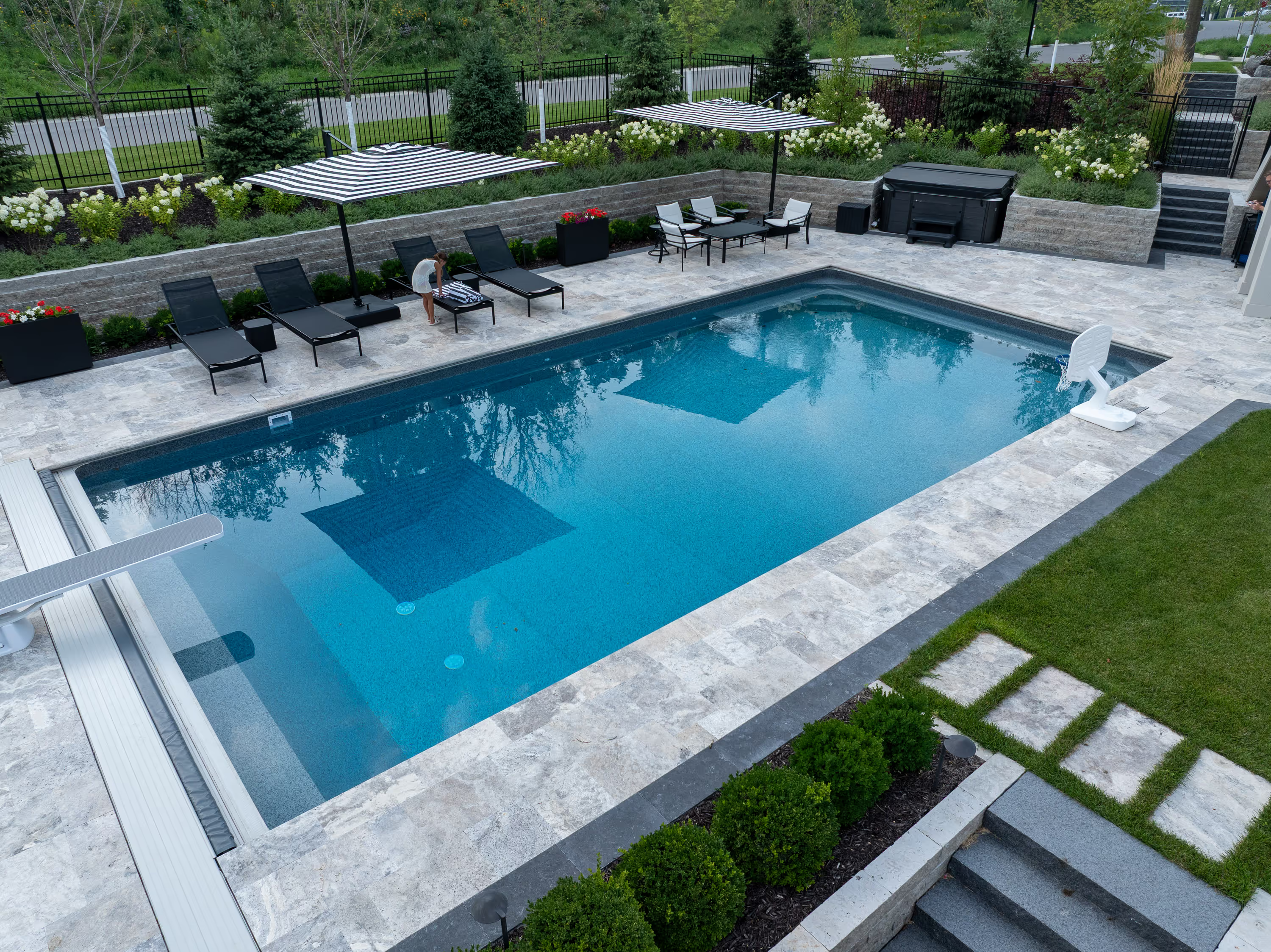
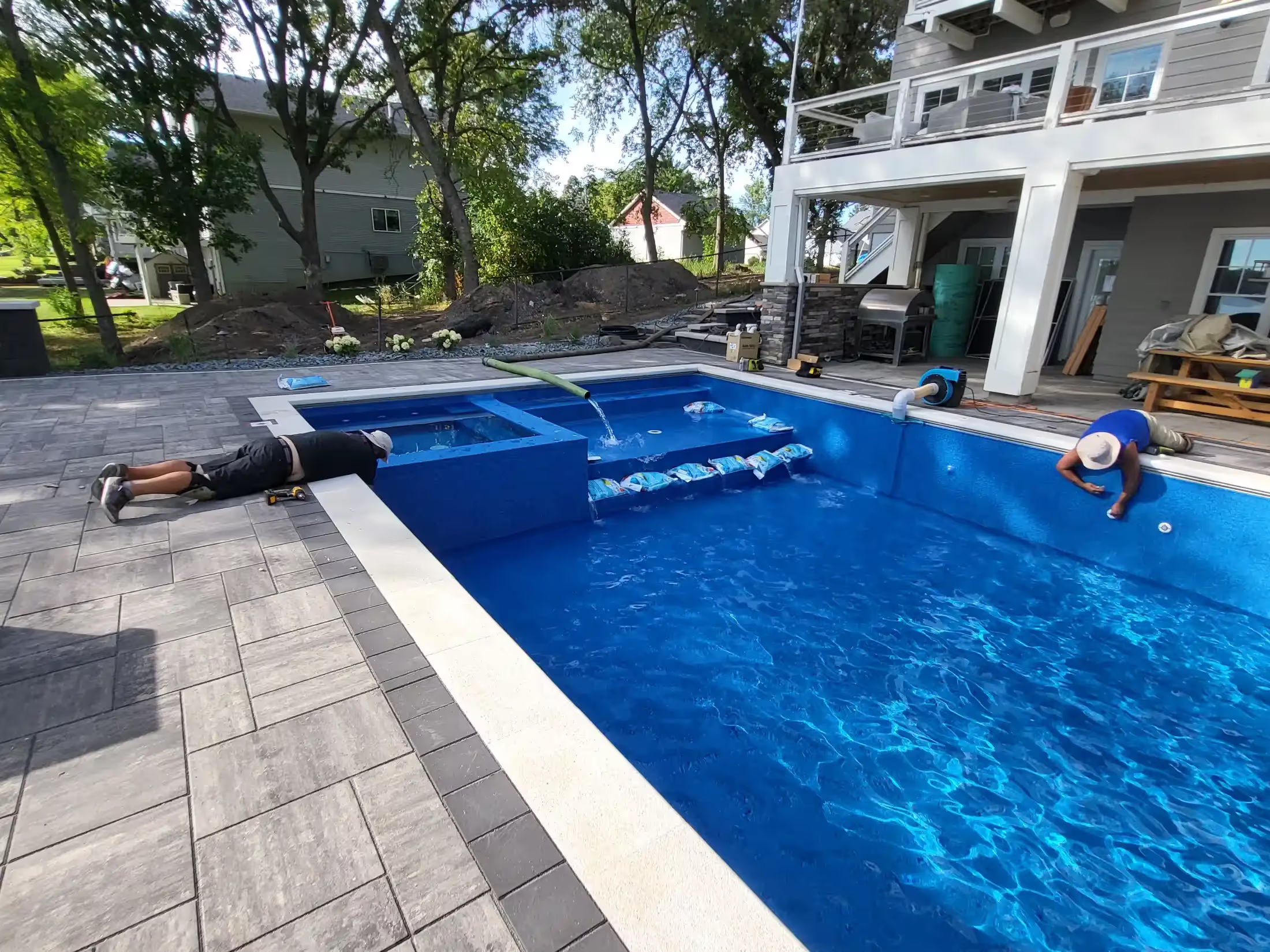
Description: The spa shares a wall with the pool, often positioned at the pool's shallow end or corner. Water flows between pool and spa through an opening or spillway.
How It Works:
Advantages:
Unified Aesthetic: Pool and spa appear as single, cohesive design element rather than separate features.
Shared Equipment: Can share filtration, some pumping, and water treatment, reducing overall equipment costs.
Spillway Effect: Water spilling from spa into pool creates beautiful visual and auditory effect, adding movement and interest.
Space Efficiency: Takes up less total deck space than separate spa.
Shared Construction: Building spa during pool construction is more cost-effective than adding spa later.
Disadvantages:
Shared Water Chemistry: Pool chemistry (typically 80-82°F water) and spa chemistry (102-104°F water) are different. Compromises are required, and spa water may not be ideally balanced for hot water conditions.
Heating Challenges: Heating spa to 102°F while keeping pool at 82°F requires careful system design. Spa often cools down toward pool temperature unless constantly heated.
Limited Spa Features: Attached spas typically have fewer jets and less sophisticated seating than standalone hot tubs.
Winterization Complexity: Cannot use spa in winter without keeping entire pool system operational—impractical in Minnesota.
Typical Costs: $15,000-$30,000 additional (on top of pool cost)
Description: Standalone hot tub positioned near pool on same deck or patio area, but with completely independent systems.
How It Works:
Advantages:
Year-Round Operation: Completely independent of pool, allowing winter use without keeping pool system running.
Optimal Spa Performance: Purpose-built for hot water operation with proper jet systems, seating configuration, and insulation.
Independent Chemistry: Spa water chemistry can be optimized for hot water conditions without affecting pool balance.
Flexible Timing: Can use spa while pool is covered for winter or during shoulder season when pool isn't heated.
Better Insulation: Dedicated hot tubs have superior insulation designed for maintaining 102°F water efficiently.
Disadvantages:
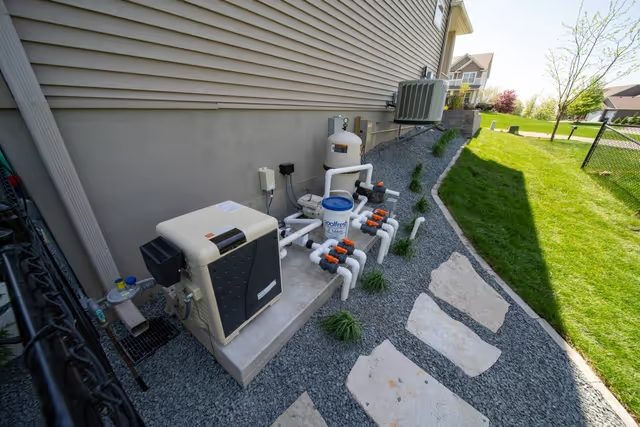
Higher Equipment Costs: Requires complete separate equipment package (heater, pump, filter, controls, etc.).
More Deck Space Required: Takes up additional patio/deck area beyond pool footprint.
Separate Aesthetic: Pool and spa look like two distinct features rather than integrated design.
Additional Maintenance: Separate water chemistry management, filter maintenance, and system care.
Typical Costs: $8,000-$15,000 for quality spa plus $3,000-$6,000 for installation, electrical, and integration
Description: Standalone hot tub positioned away from pool area—perhaps on a private deck, near outdoor fire pit, or in a completely different backyard area.
Advantages:
Privacy: Create intimate spa area separate from main entertaining space.
Flexible Location: Position spa to maximize views, privacy, or morning sun exposure.
Independent Use: Spa can be used by parents while kids use pool, reducing conflicts.
Phased Installation: Add spa later without disrupting pool area.
Disadvantages:
Separate Maintenance: Requires separate equipment pad, electrical service, and maintenance access.
Less Integration: Spa and pool feel like completely separate features.
Additional Costs: Requires extended electrical runs, separate equipment pad, and potentially additional hardscaping.
Typical Costs: Similar to adjacent separate spa, potentially higher due to electrical and site work requirements
Hot tub sizes range from compact 2-3 person models to large 7-8 person spas:
For Families:
For Couples:
Plan Pools Recommendation: Most Minnesota families are happiest with 5-6 person spas that accommodate family use but don't overconsume energy.
Depth Options:
Seating Types:
Minnesota Consideration: Deeper spas retain heat better and provide better protection from cold air. Consider 38-42 inch depth for Minnesota installations.
The quality and configuration of jets dramatically affects spa enjoyment:
Jet Types:
Jet Placement:
Minnesota Priority: Focus on upper body and shoulder jet systems—these address the tension from winter cold, shoveling snow, and general Minnesota winter stress.
Operating a hot tub efficiently in Minnesota requires attention to insulation and heating:
Insulation Quality: Look for spas with:
Heating Systems:
Cover Quality: This is critical in Minnesota. A quality insulated cover is the difference between reasonable operating costs and astronomical electric bills. Look for:
Operating Costs for Minnesota:
Quality Insulated Spa (5-6 person):
Poor Insulation or No Cover:
Important: These costs assume maintaining spa at 102°F year-round. Lowering temperature when not in use saves money but requires re-heating time.
Hot tubs require substantial electrical service:
Standard Spas:
Large Spas:
Minnesota Code Compliance:
Typical Electrical Installation Costs: $1,500-$3,500 depending on distance from panel and panel capacity
Hot tubs are heavy—5-6 person spas can weigh 4,000-6,000 pounds when filled with water and occupants.
Foundation Options:
Concrete Pad:
Paver Base:
Composite Spa Pads:
Plan Pools Recommendation: Concrete pad is most reliable for Minnesota conditions. Properly installed, it will support the spa through decades of freeze-thaw cycles without settling or shifting.
Don't forget to plan for:
Equipment Access: Spa equipment must be accessible for maintenance and repairs. Allow 3-4 feet clearance on the equipment side.
Service Access: Technicians need space to work. Don't position spa tight against fences or walls.
Electrical Disconnect: Required by code, must be visible from spa and within specified distance (typically 10-15 feet).
Winter Access: Consider snow removal paths—you'll want clear access to your spa even in January blizzards.
Position your spa to maximize:
Privacy from Neighbors: Screen with landscaping, fencing, or strategic positioning
Views You Want: Face spa seating toward attractive views—your pool, landscaping, or natural areas
Morning or Evening Sun: Consider when you'll use spa most. Morning users want eastern exposure; evening users want western sun for late afternoon warmth.
Protection from Wind: Minnesota winds make spa use uncomfortable. Position to minimize wind exposure or add windbreak landscaping.
Spa water chemistry requires more attention than pool chemistry:
Higher Temperatures: 102°F water accelerates chemical reactions and bacterial growth. More frequent testing and adjustment needed.
Smaller Water Volume: Chemical imbalances develop quickly in small water volume (400-600 gallons typical spa vs. 15,000-20,000 gallons typical pool).
Heavy Bather Load: Spas have high bather load per gallon of water, introducing oils, lotions, and contaminants rapidly.
Testing Frequency:
Key Parameters:
Minnesota Hard Water Issue: Like pools, Minnesota's hard water affects spas. Expect to manage calcium hardness actively and use scale preventatives.
Spa filters work hard and require frequent maintenance:
Frequency:
Why It Matters: Dirty filters reduce jet pressure, strain pumps, and reduce heating efficiency. In Minnesota winters, overworked pumps can fail.
Unlike pools that can go years between complete water replacement, spas need regular drain/refill cycles:
Frequency: Every 3-4 months with normal use, more frequently with heavy use
Why: TDS (total dissolved solids) build up in spa water faster than pool water due to smaller volume and heavier bather load. High TDS makes water chemistry management difficult or impossible.
Minnesota Timing: Plan drain/refill for warmer weather (May-September) when possible. Winter drain/refill requires keeping spa warm enough that refill lines don't freeze—challenging in sustained sub-zero temperatures.
This is a key decision for Minnesota spa owners:
Option 1: Operate Year-Round
Pros:
Cons:
Cost: $600-$1,200 annually in electricity, plus year-round chemical costs
Option 2: Winterize Seasonally
Pros:
Cons:
Cost: Minimal electricity, reduced chemical use, but professional winterization ($150-$300) plus spring opening ($150-$300)
Plan Pools Recommendation: If you're investing in a spa, operate it year-round. The winter enjoyment is the primary value proposition. If you won't use it in winter, a spa may not be worth the investment.
Let's look at realistic total costs:
Integrated Attached Spa:
Separate Quality Hot Tub:
Year-Round Operation:
Seasonal Operation (May-October only):
10-Year Ownership (Year-Round Operation):
Cost Per Use: If used 3 times per week year-round: 1,560 uses over 10 years$31,000 ÷ 1,560 = $19.87 per use
For families that use spa regularly (especially in winter), this represents good value for year-round outdoor enjoyment and therapeutic benefits.
Will we actually use it?
Spas are wonderful when used regularly but expensive dust collectors when neglected. Before committing, honestly assess:
If the answers are yes, a spa adds tremendous value. If you're unsure, consider starting with just a pool and adding a spa later if you find yourself wishing for winter water enjoyment.
Only with a completely independent spa (separate equipment). Integrated spas share pool equipment and cannot operate separately in winter without keeping entire pool system running—impractical in Minnesota.
Summer (70°F start): 3-6 hours to reach 102°FWinter (40°F start after drain/refill): 12-24 hours to reach 102°FMaintaining temperature: Modern insulated spas maintain 102°F constantly with minimal energy input
Only if you're winterizing it (not using it). For year-round operation, keep spa filled, heated, and covered. Never leave spa partially filled or empty during winter—freeze damage can occur.
Technically possible but expensive. Retrofitting an integrated spa requires cutting into existing pool structure, adding equipment, and extensive renovation. Usually costs 50-75% of new pool construction. Better to add separate standalone spa if desired.
Saltwater systems for spas exist but are less common than for pools. Hot water accelerates salt cell corrosion. Many spa manufacturers don't recommend salt systems for spas. Consider premium ozone or UV sanitation as alternatives to traditional chlorine.
Adding a spa to your Minnesota pool project can transform your backyard from a seasonal amenity into a year-round destination. The therapeutic benefits, winter enjoyment, and extended season value make spas particularly appealing for Minnesota homeowners.
Best candidates for pool-spa combination:
Better off with pool only:
At Plan Pools, we help families make informed decisions about spa integration. We design pool-spa combinations that work beautifully together, or we build exceptional pools that can accommodate spa addition later if desired.
Our ICF pool construction provides the ideal foundation for spa integration—whether attached during initial construction or separate standalone installation. The superior structural integrity and thermal performance of ICF construction complements high-quality spa installations perfectly.
Ready to explore whether a spa makes sense for your project? Contact Plan Pools today. We'll discuss your goals, usage patterns, and budget to design the perfect combination of pool and spa for your Minnesota backyard.
Because the best outdoor spaces are designed for year-round enjoyment, and in Minnesota, that often means combining summer swimming with winter soaking. That's what we create at Plan Pools, throughout Lakeville, Prior Lake, Eden Prairie, Maple Grove, and the entire Twin Cities metro area.