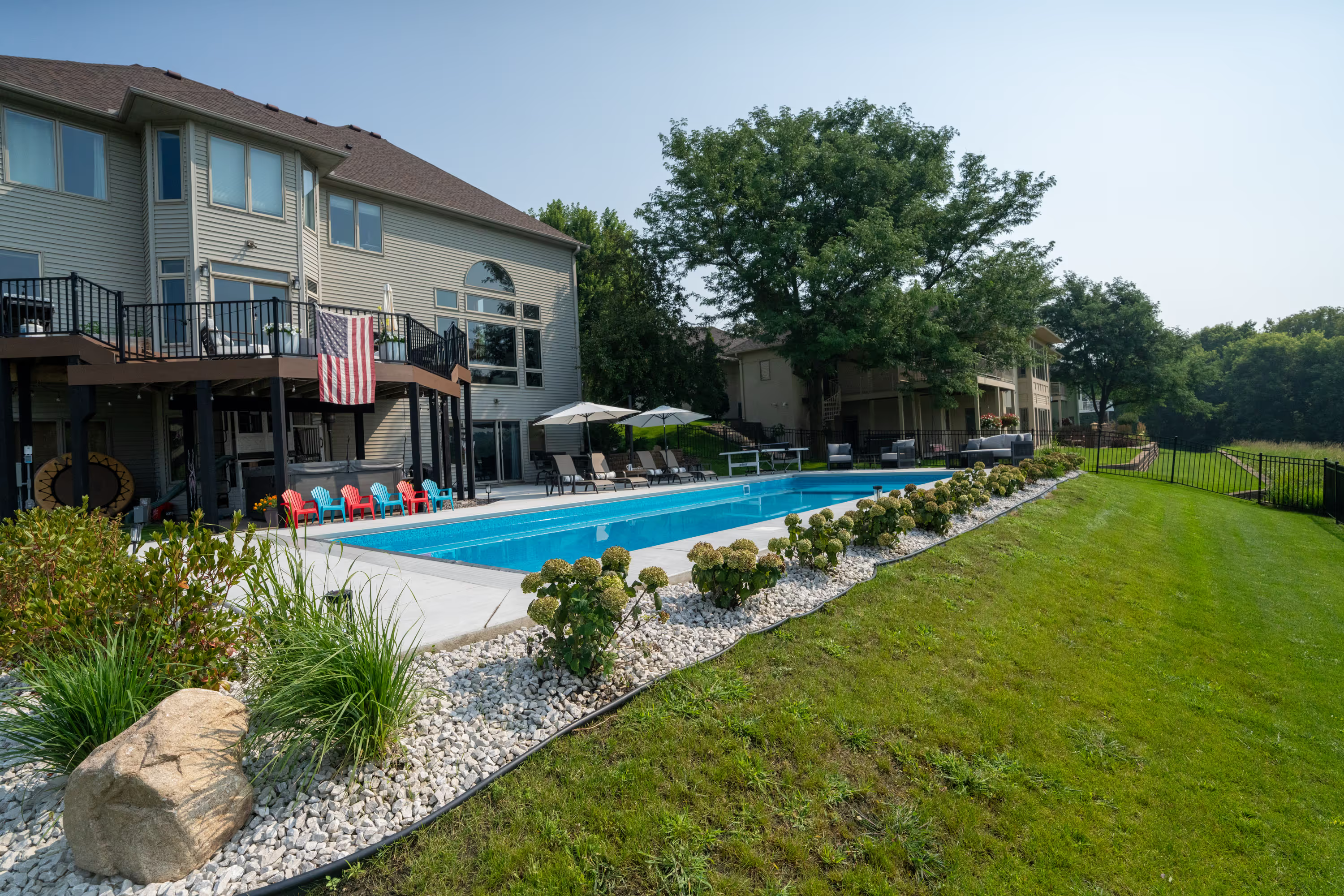
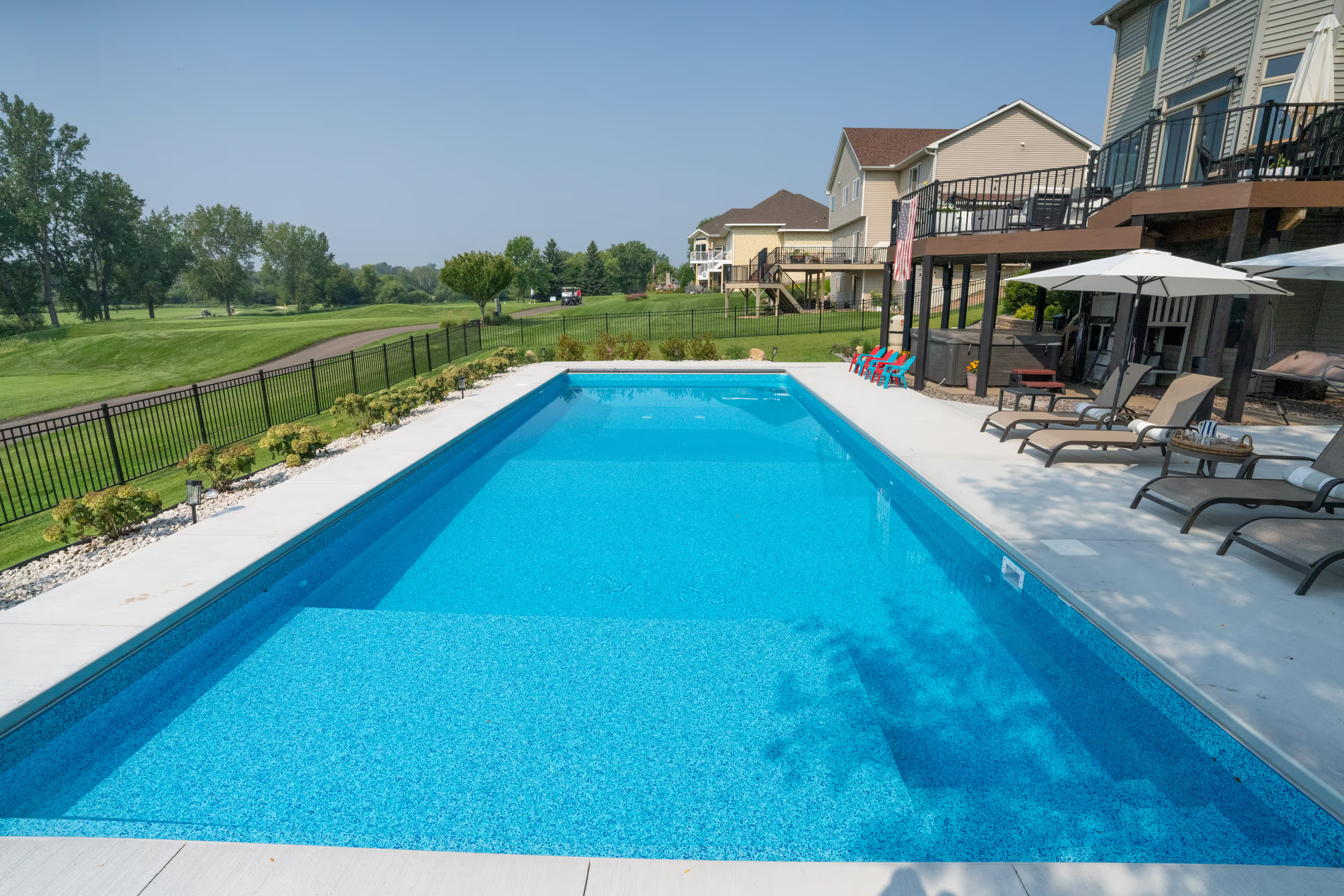
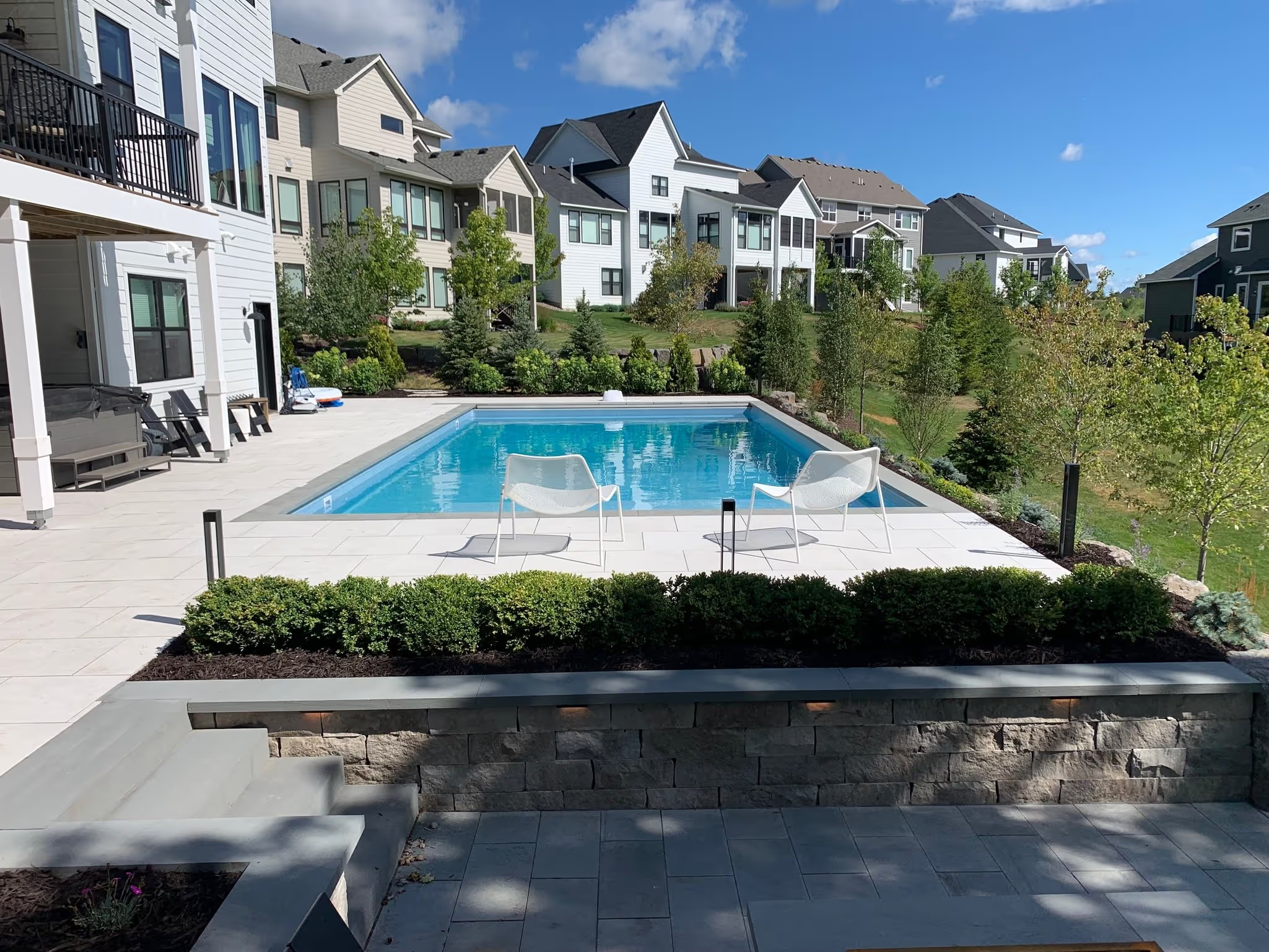
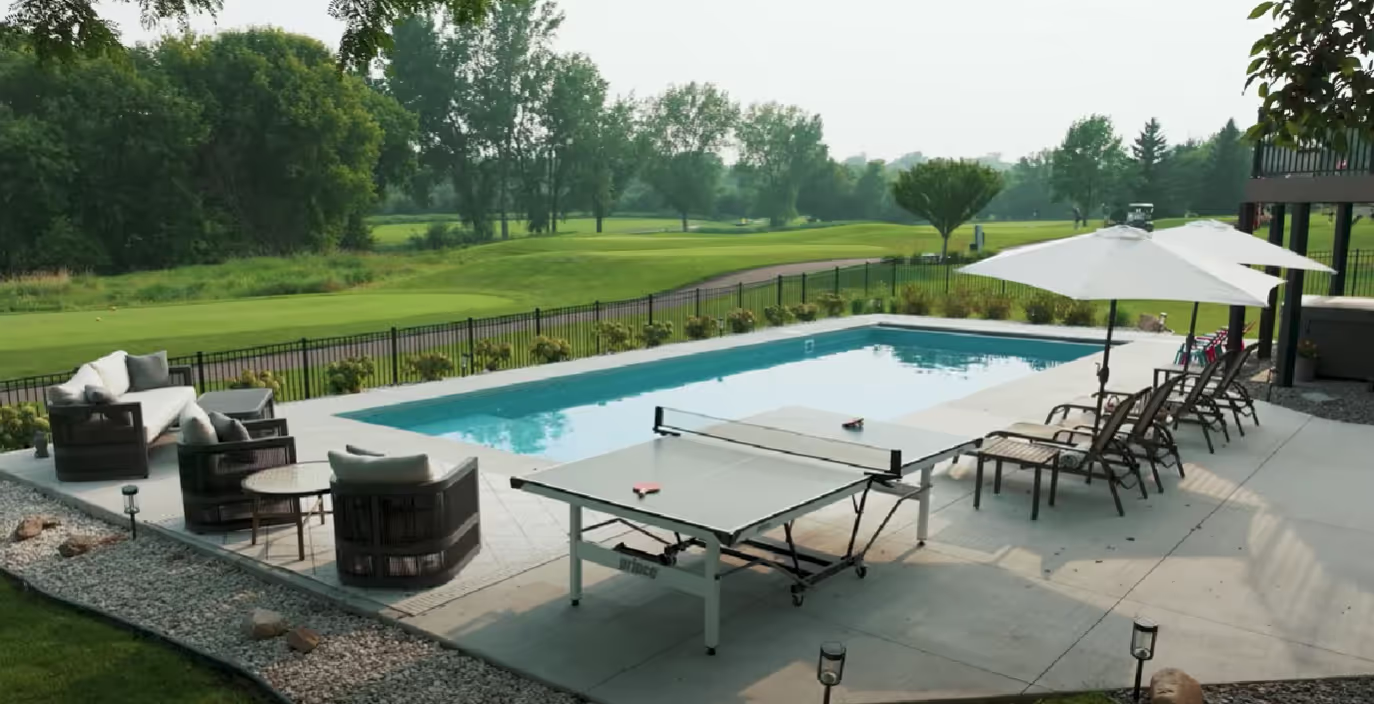
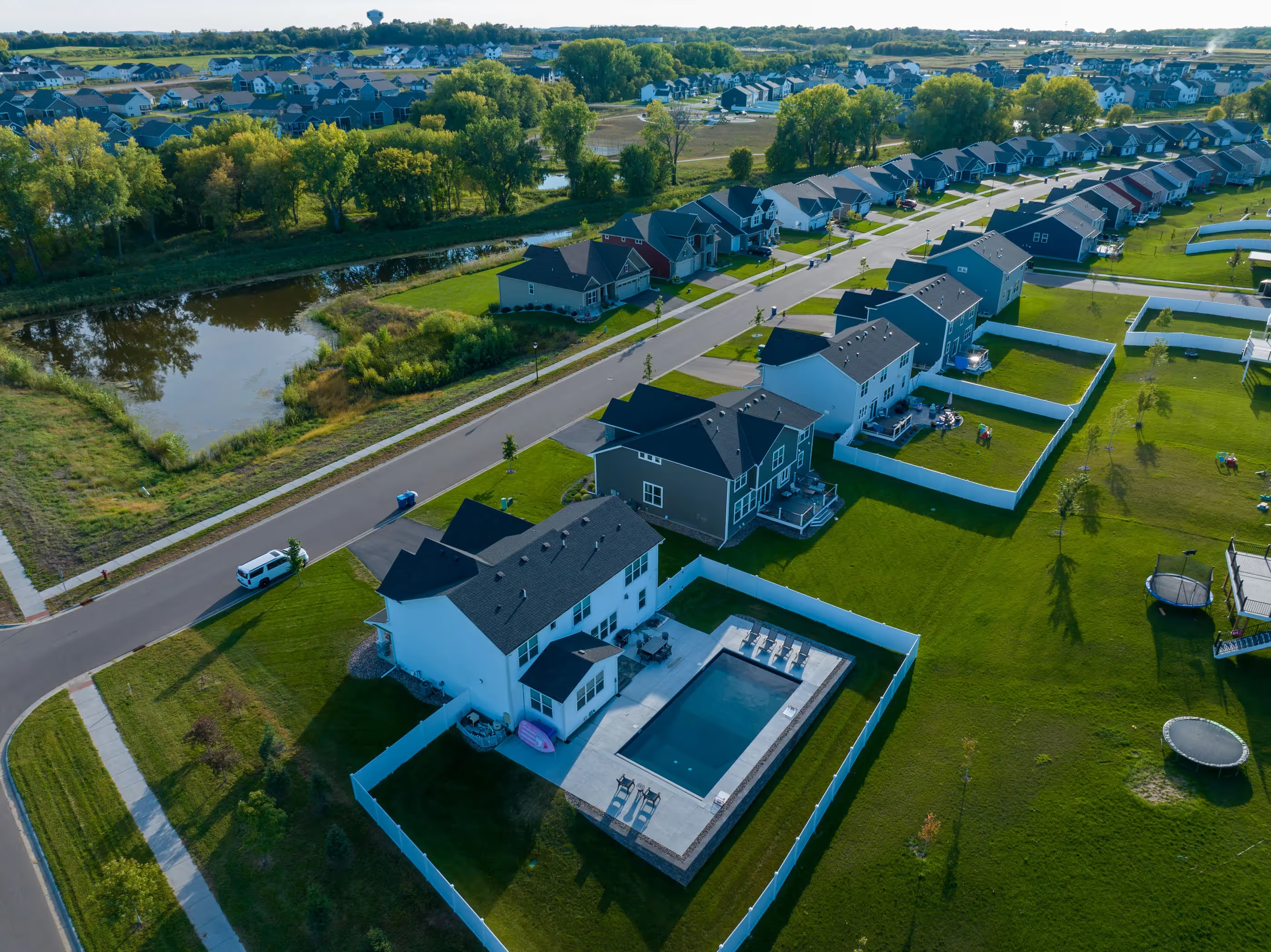
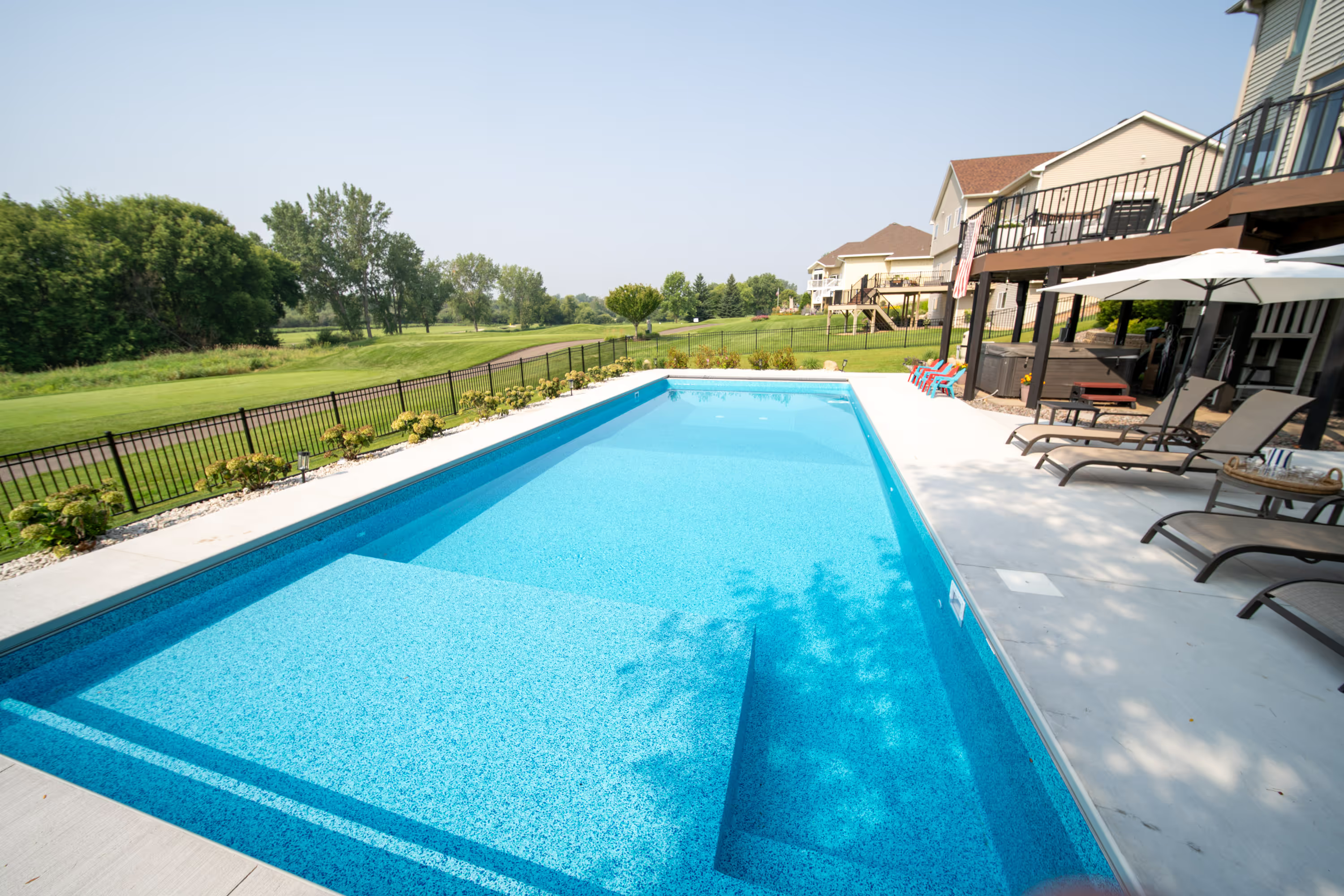
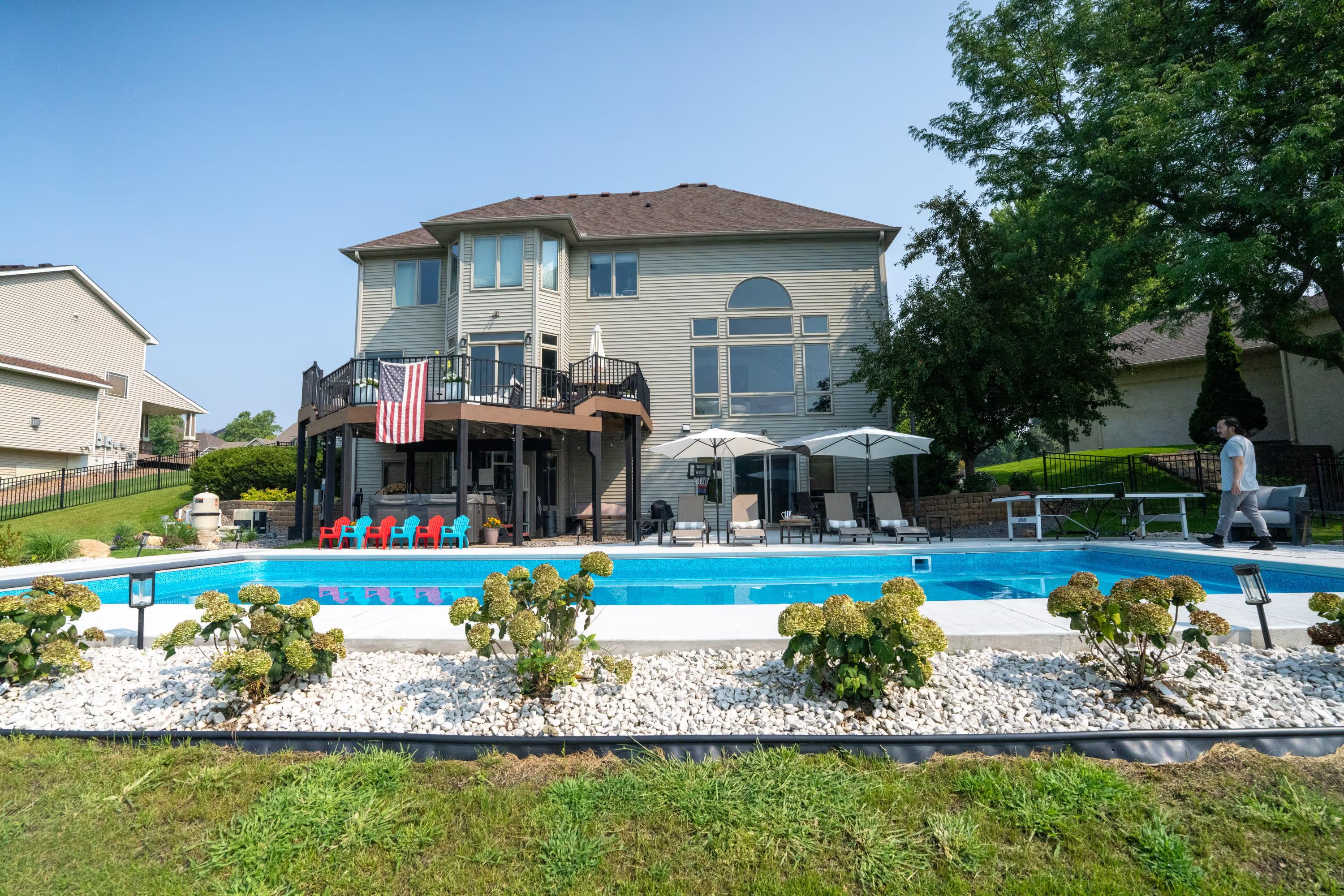
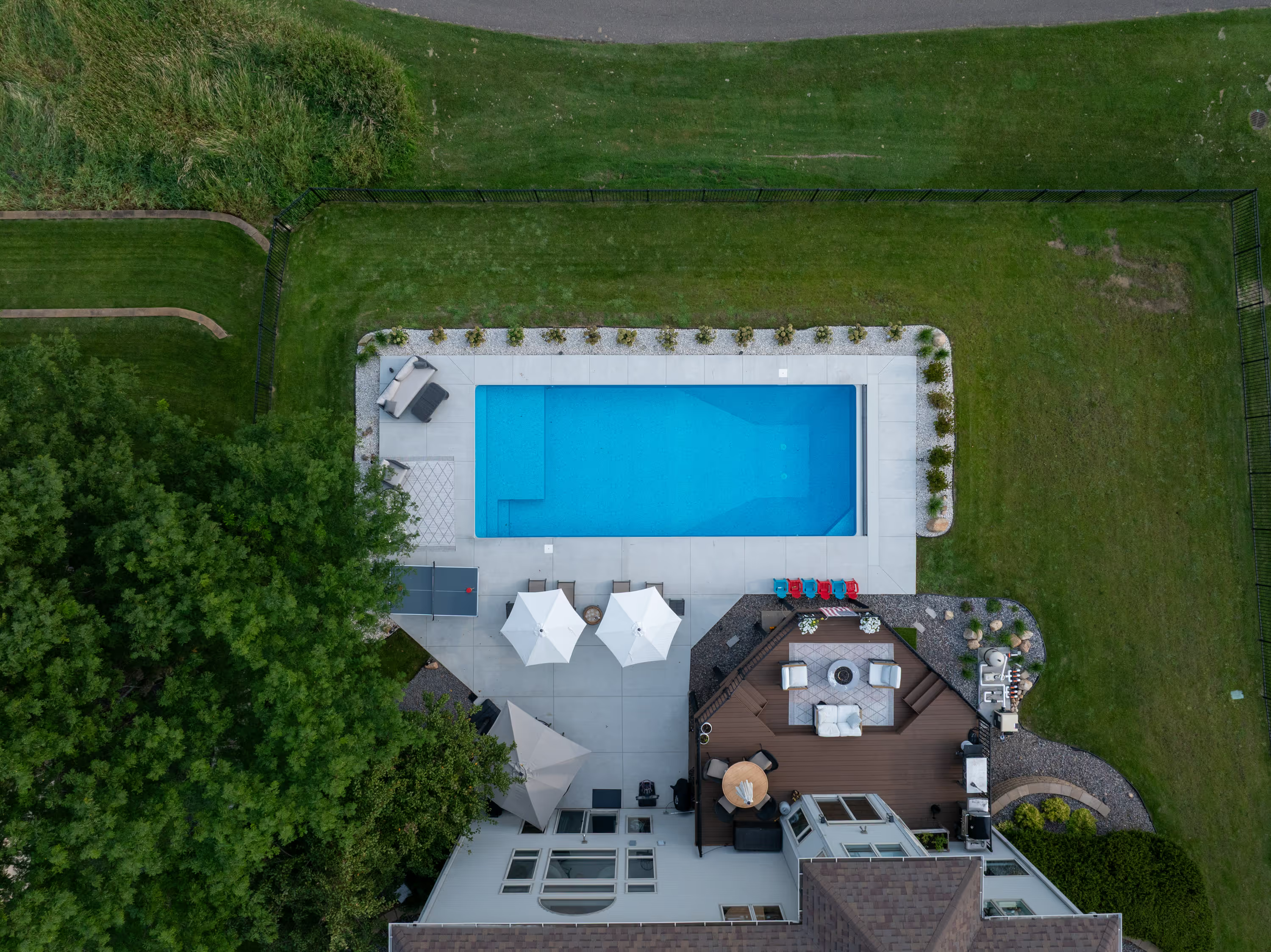
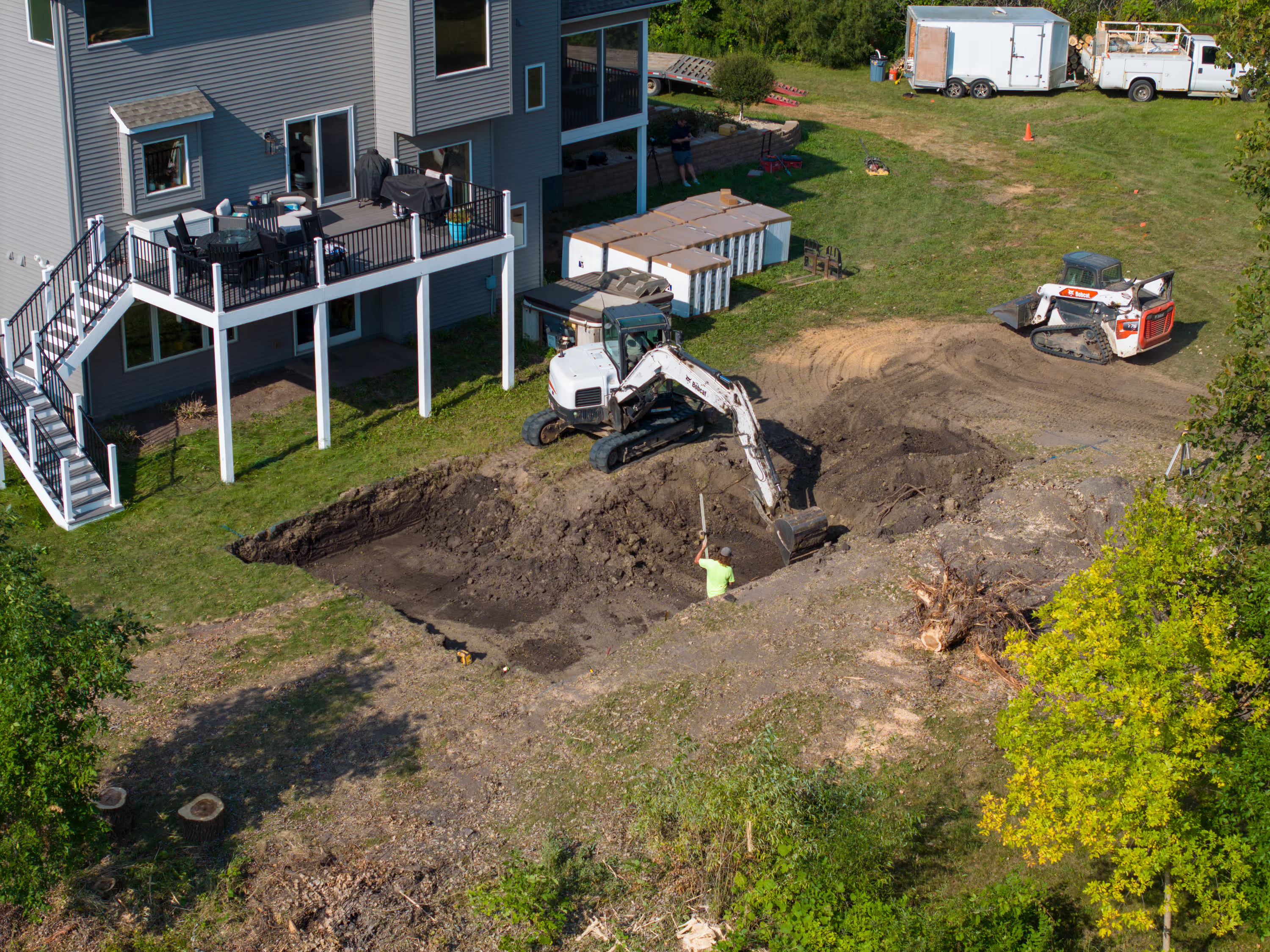
What should come first - the pool or the patio? Our experts weigh in.
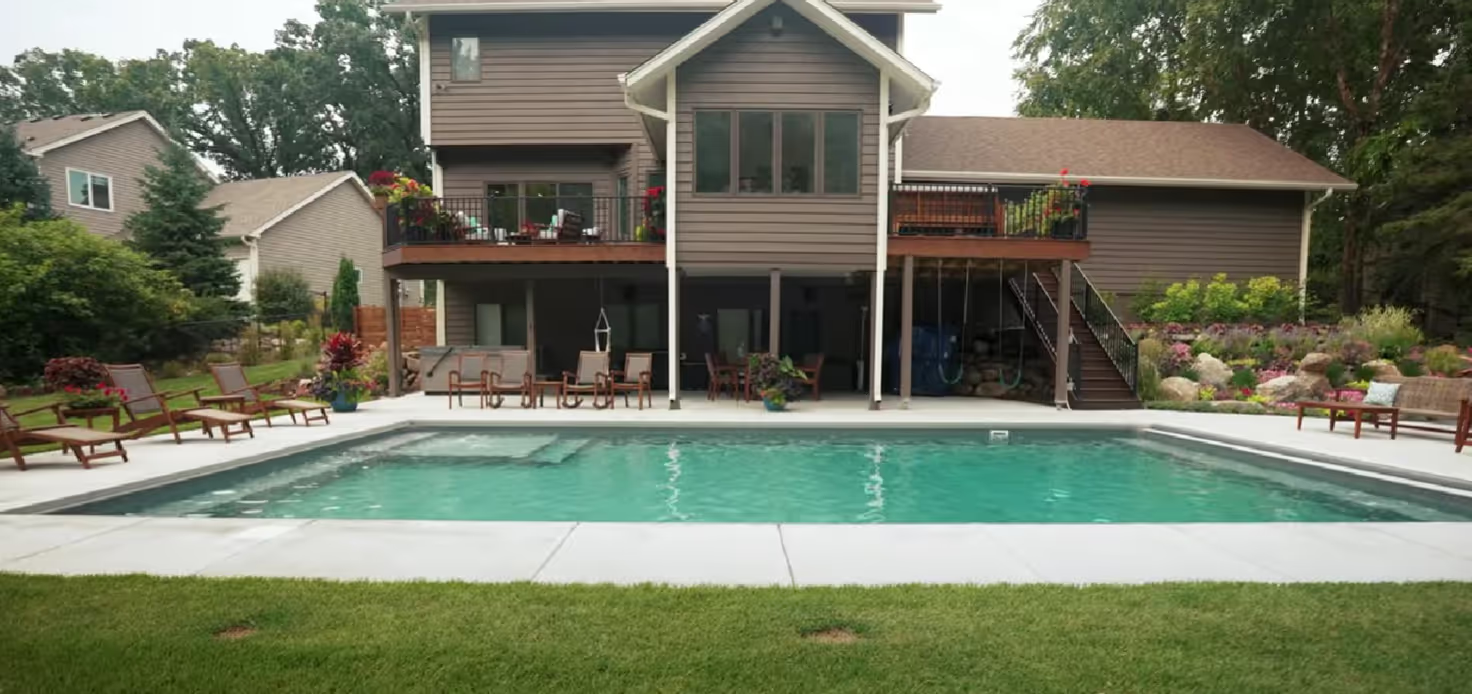
If you're planning a complete backyard transformation that includes both a swimming pool and new outdoor living spaces, one of the most critical decisions you'll make happens before any work begins: sequencing. Should you build your pool first and then add the patio? Install the patio and then cut into it for the pool? Or try to do everything simultaneously?
At Plan Pools, we've managed hundreds of complete backyard transformations across the Twin Cities metro area. We've seen every possible sequencing approach, and we've learned which strategies lead to beautiful, long-lasting results and which create expensive problems down the road.
The answer isn't always the same—it depends on your property conditions, project scope, budget timing, and long-term vision. Here's everything Minnesota homeowners need to know about sequencing pool and hardscape construction for optimal results.
Unlike interior renovations where you can relatively easily adjust timelines, outdoor construction involves:
Heavy Equipment Access: Excavators, concrete trucks, and material deliveries need clear paths to work areas. Installing a patio first might block access for pool excavation equipment.
Soil Compaction: Pool installation requires extensive excavation and backfilling with thorough compaction—essential for Minnesota's freeze-thaw cycles. This heavy equipment can damage existing hardscaping.
Drainage Integration: Pools and patios must work together as a unified drainage system. Poor sequencing can create water management nightmares.
Structural Connections: Pool decking, retaining walls, and patio spaces often physically connect. The quality of these connections depends heavily on construction sequence.
Cost Implications: The wrong sequence can mean paying twice for the same work or accepting compromised quality to avoid demolition costs.
For most Minnesota backyard transformations, we recommend building the pool and immediate pool decking first, then expanding to patios, outdoor kitchens, and other living spaces. Here's why:
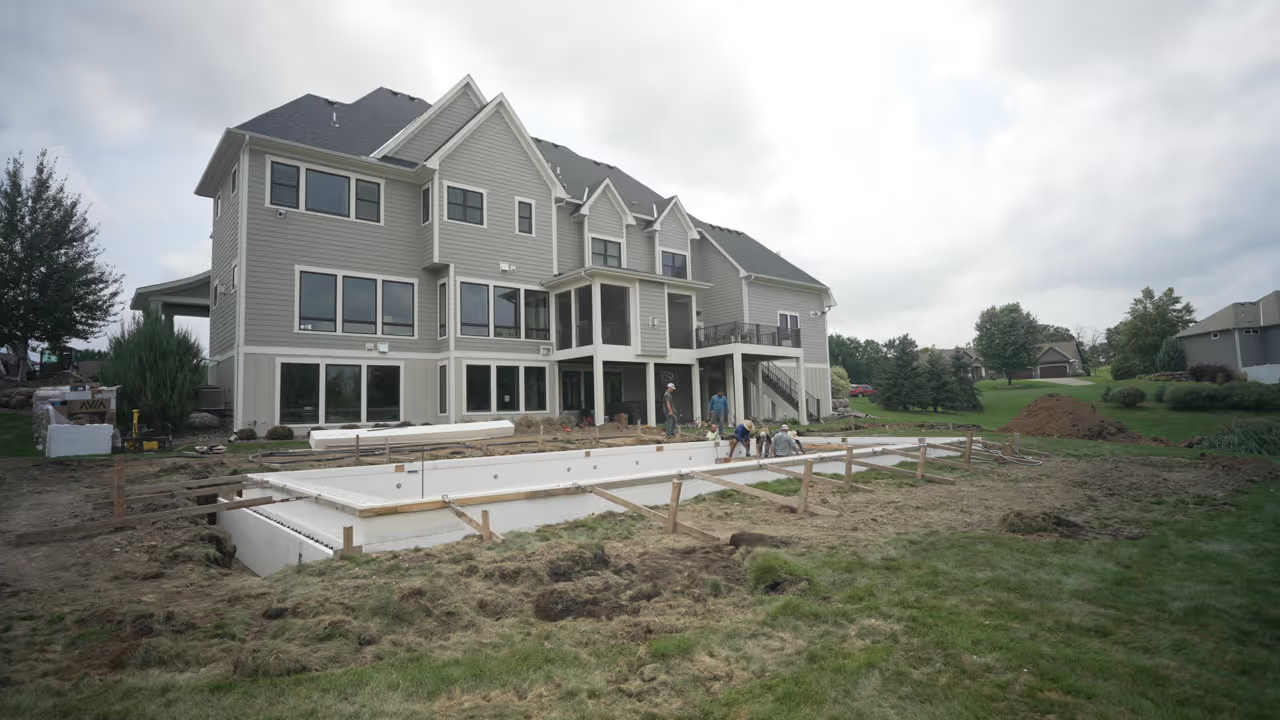
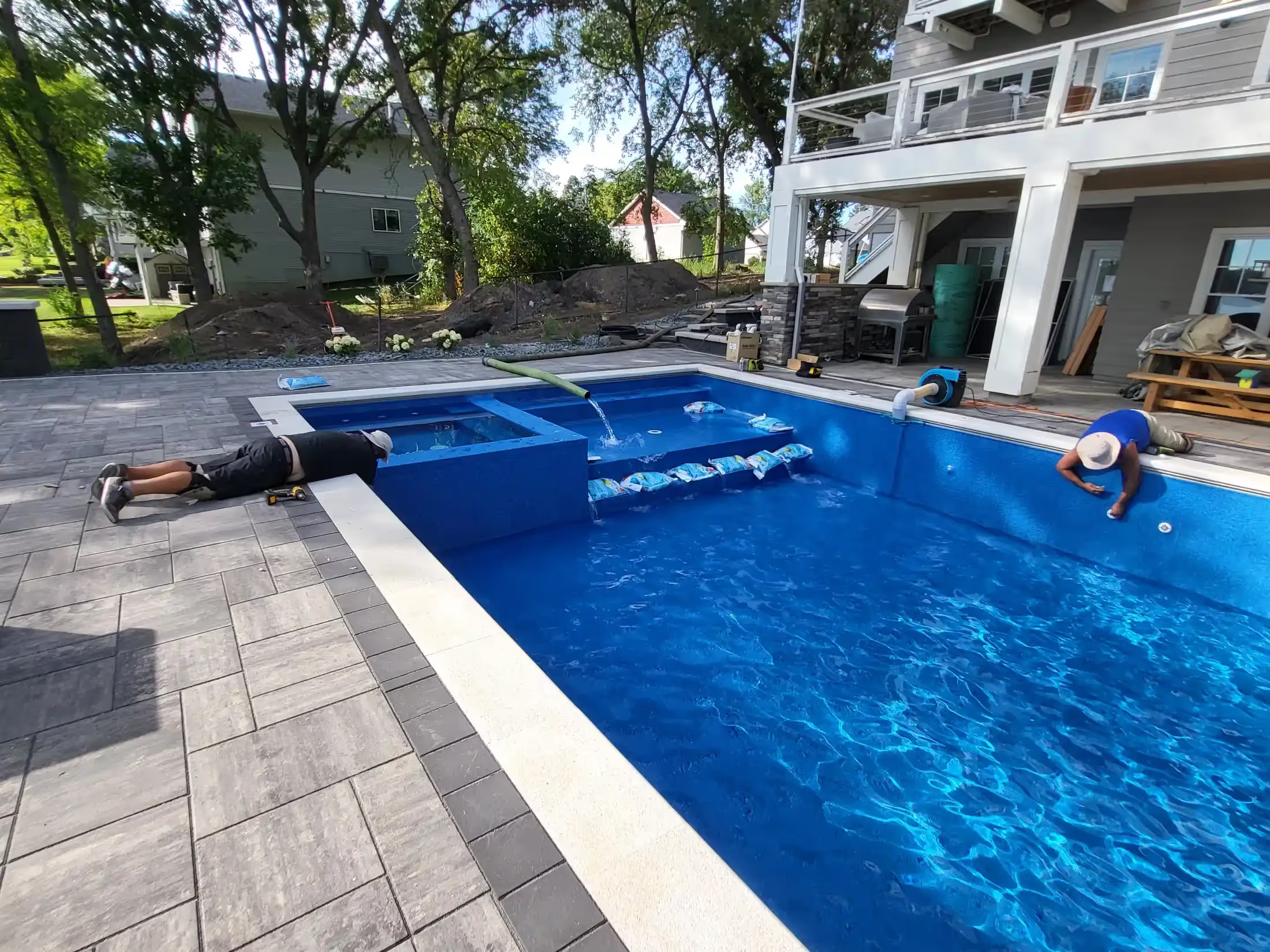
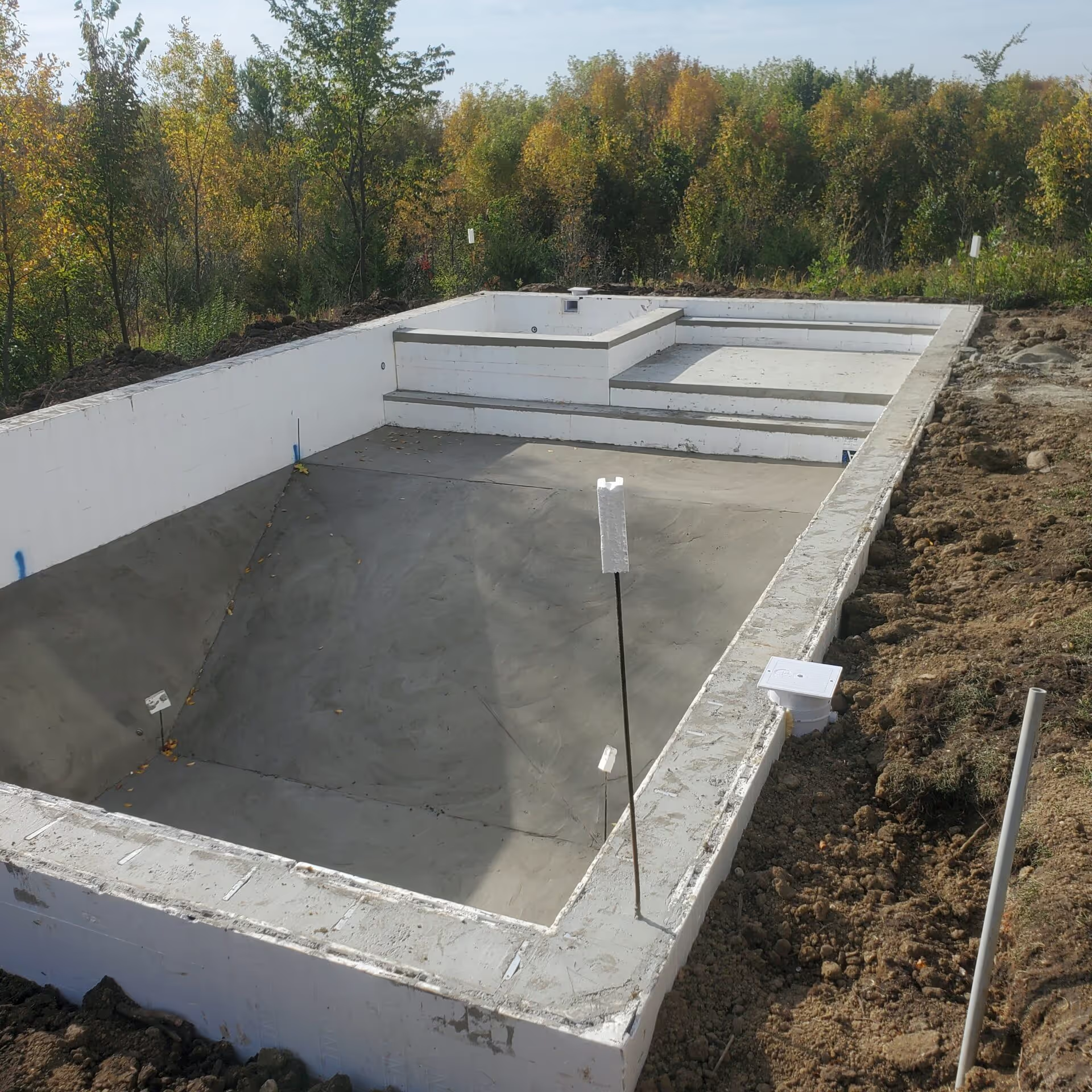
Pool excavation requires large equipment—excavators, dump trucks, concrete trucks, and material deliveries. A typical pool excavation for an ICF pool from Plan Pools involves:
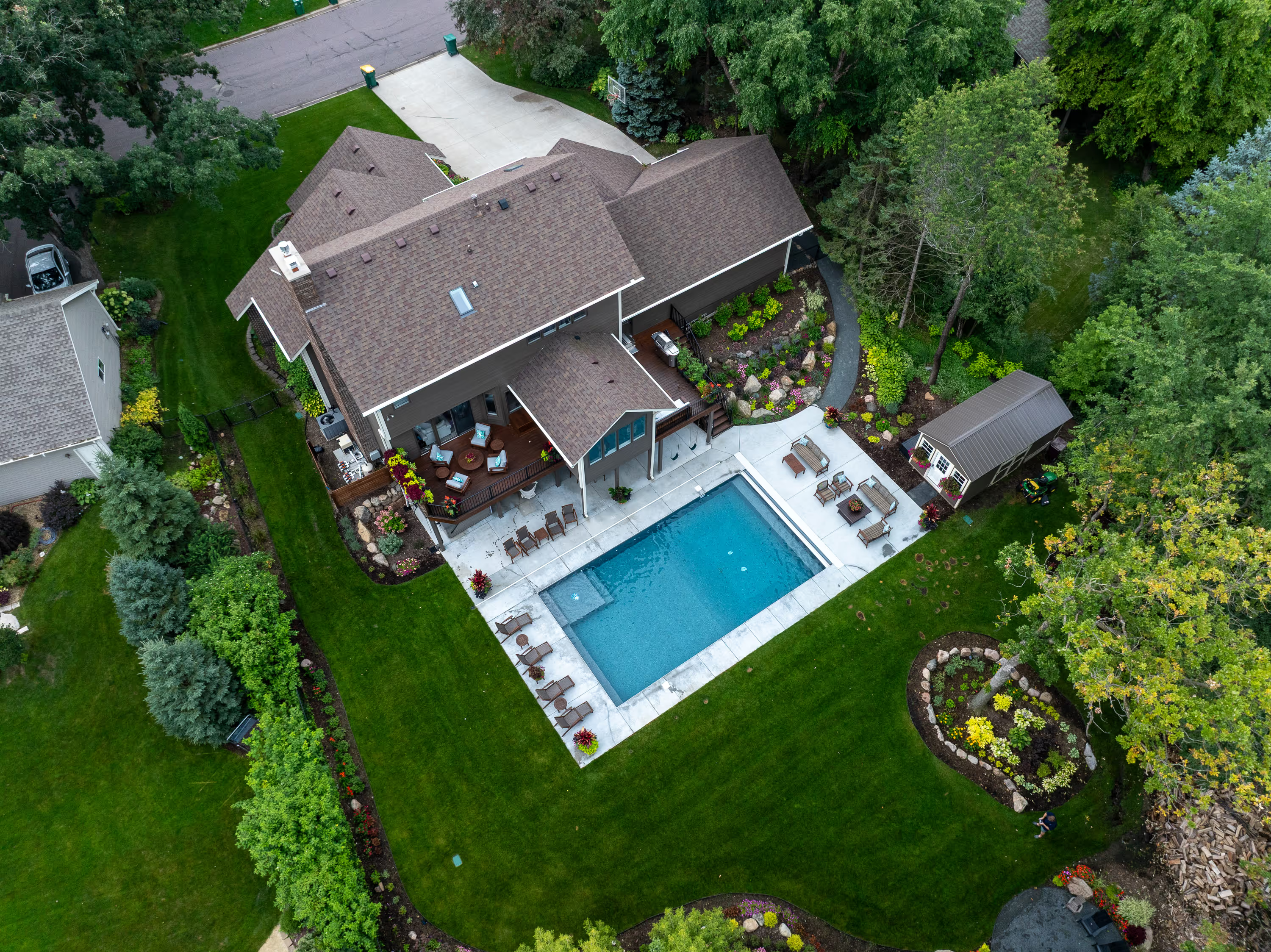
If you've already installed your patio, fire pit area, or outdoor kitchen, this heavy equipment must either drive over your new hardscaping (risking damage) or take circuitous routes that may not be possible on your property.
Building the pool first means equipment has clear access. Once the pool is complete, your landscape contractor can bring in their equipment through the same access routes without damaging finished work.
Minnesota receives substantial rainfall—approximately 30 inches annually in the Twin Cities. Your pool area must manage this water effectively, directing it away from both the pool structure and your home's foundation.
When you build the pool first, you establish the primary drainage patterns. Pool decking typically slopes away from the pool at 1-2% grade, directing water toward planned drainage areas. Your landscape contractor can then design patio and hardscape drainage to integrate with these established patterns.
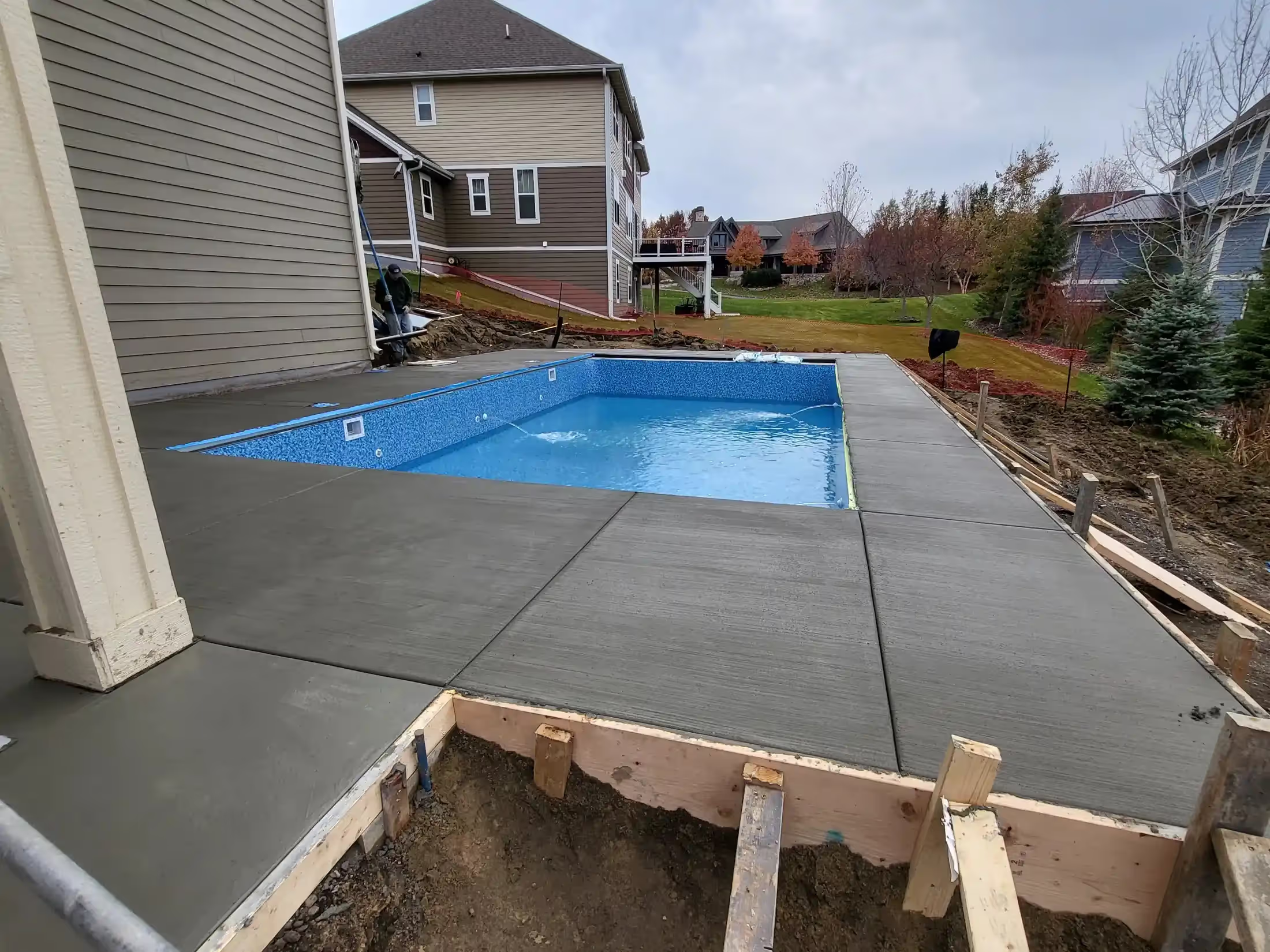
If you build the patio first, you're creating drainage patterns without knowing exactly where the pool will be or how its drainage requirements will affect the broader system. This often leads to retrofitting drainage solutions—cutting through new hardscaping, adding drains, or regrading areas that were supposedly "finished."
This is particularly critical in Minnesota, where freeze-thaw cycles punish any poorly compacted soil. At Plan Pools, we take soil compaction seriously because we know Minnesota's climate will expose any shortcuts.
ICF pool construction allows for superior backfill compaction compared to steel wall pools. We thoroughly compact in lifts as we backfill around the pool structure. This process involves heavy equipment that would damage existing patios or pavers if they were already in place.
After pool backfilling, the soil needs time to settle—typically several weeks to several months. If you immediately install extensive hardscaping on this recently disturbed soil, you risk settlement and cracking as the soil continues to consolidate.
Building the pool first allows settlement to occur before your landscape contractor installs patios and walkways. Any minor settling can be addressed during final grading before hardscape installation.
The concrete pool deck that immediately surrounds your pool needs adequate curing time before it should bear the weight of heavy equipment or construction materials. In Minnesota's variable weather, concrete takes 28 days to reach full strength, though light foot traffic is possible much sooner.
If your patio installation requires equipment or material staging on the new pool deck before it's fully cured, you risk surface damage, cracking, or settlement issues.
The pool-first sequence allows:
Most complete backyard transformations involve multiple contractors:
Having the pool complete before other contractors begin their work creates clear phases and reduces the risk of one contractor's work damaging another's. It also establishes firm reference points for the other trades—they know exactly where the pool is, what the final grade is, and what drainage patterns exist.
When your pool is complete, you can see exactly how it looks, how it relates to your home and yard, and where natural traffic patterns develop. This real-world feedback is invaluable when designing the rest of your outdoor living spaces.
You might discover that the perfect spot for your fire pit isn't where you originally imagined, or that you want a larger patio area on one side of the pool than originally planned. With the pool complete, you can make these adjustments before committing to hardscape installation.
While pool-first is our general recommendation, some situations warrant different approaches:
If your property has very limited access and the only route to the pool area requires crossing where your patio will eventually be, you might need to:
Option A: Install a temporary access route (gravel base, construction mats) over the planned patio area, complete the pool, then remove the temporary route and install the patio.
Option B: Install the patio with a planned "construction opening" that can be removed and replaced after pool installation. This works only if the opening is large enough for equipment and won't compromise the patio's structural integrity.
Option C: Delay the patio entirely until pool construction is complete, even if it means an extra season before your outdoor living space is finished.
If you have existing patio space that will remain and you're adding a pool nearby, careful planning is essential:
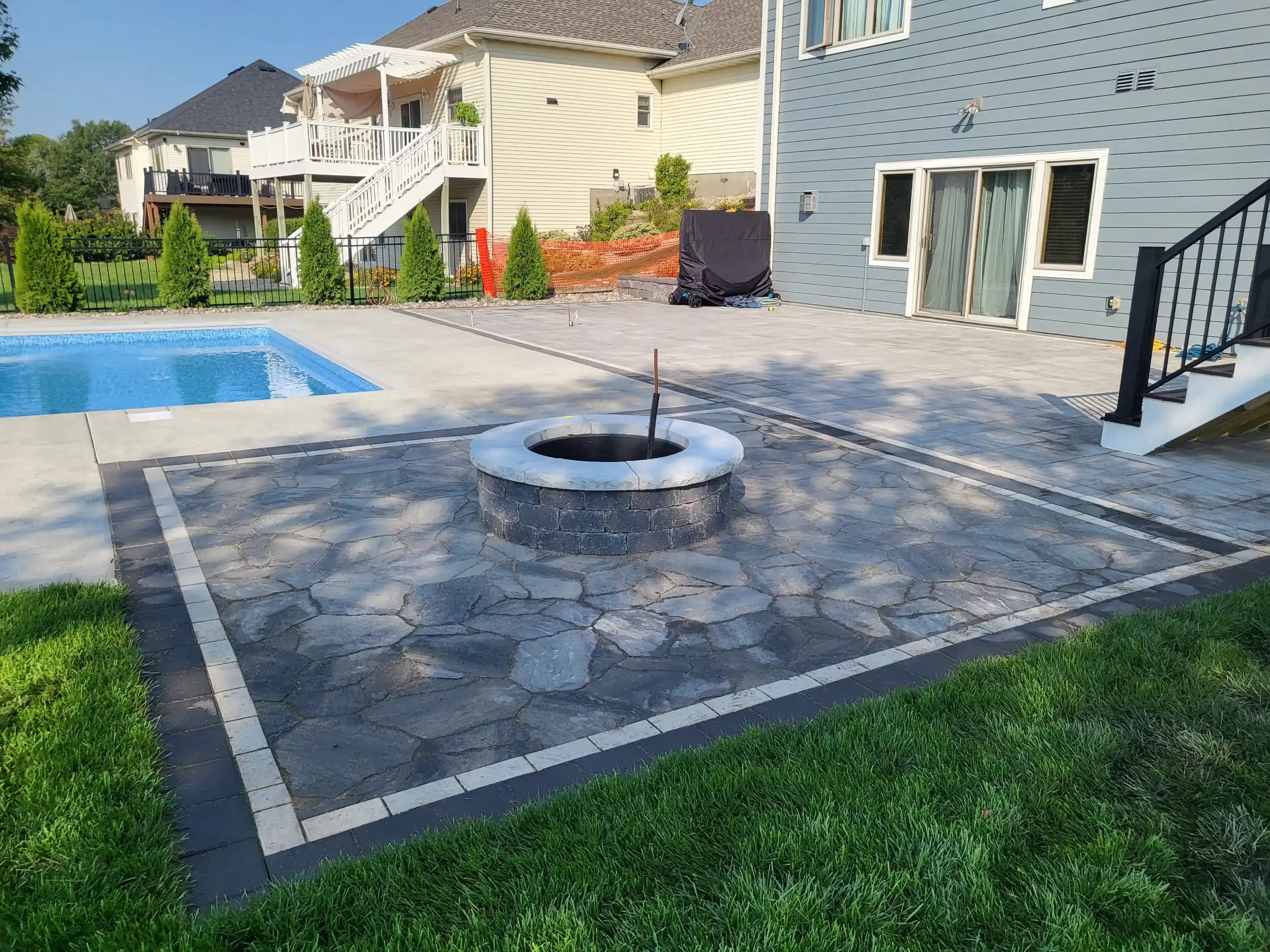
At Plan Pools, we evaluate existing hardscaping carefully. Sometimes the cost of protecting old work exceeds the cost of replacing it with new hardscaping that's properly integrated with your new pool.
Some homeowners choose to phase their backyard transformation over multiple years for budgetary or personal reasons:
Year 1: Install pool and minimal pool deck
Year 2: Add patio, outdoor kitchen, and expanded entertaining areas
Year 3: Complete landscaping, lighting, and finishing touches
This approach works well and actually aligns with the pool-first recommendation. The key is planning the entire vision upfront even if execution spans multiple years. Your pool contractor should know about future patio plans, and your landscape contractor should see the pool design before creating patio plans.
If your property requires significant retaining walls that will support or abut pool decking, these walls may need to be constructed before or simultaneously with the pool:
In these situations, Plan Pools works closely with retaining wall specialists to coordinate sequencing that addresses structural requirements while still optimizing the overall construction flow.
Some homeowners want to accelerate the timeline by having pool and patio work happen simultaneously. While sometimes feasible, this approach carries risks:
Multiple contractors working in the same area simultaneously requires exceptional coordination. Equipment paths must be planned carefully, material staging areas must be designated, and work sequences must be synchronized.
In our experience, even with the best intentions, simultaneous work often leads to delays as contractors wait for each other, conflicts over work areas, and finger-pointing when damage occurs to one contractor's work by another.
When contractors work around each other, they sometimes accept compromises that wouldn't be necessary with sequential construction:
Equipment working in tight quarters near finished or in-progress work inevitably increases damage risk. A concrete truck backing into position might brush against newly laid pavers. An excavator might drop soil on fresh concrete. Workers might track mud across finished areas.
These risks are manageable but they're entirely avoidable with sequential construction.
Minnesota's construction season is compressed—realistically from late April through October for major projects. Homeowners often want to maximize this window by overlapping work.
However, trying to cram everything into a single summer can backfire:
The Better Approach:
This gives you a functioning pool for your first summer, allows proper settlement and curing, and still completes your full vision within 12-18 months.
The Rushed Approach:
One complete summer with your pool is better than one rushed summer with construction chaos and potential quality compromises.
Minnesota's freeze-thaw cycles affect sequencing decisions:
Pool Backfill Settlement: Backfilled soil around pools settles most during the first freeze-thaw cycle. Installing hardscaping before this settlement occurs invites cracking and failure.
Concrete Curing in Variable Temperatures: Spring and fall concrete work requires special attention to curing in variable temperatures. Separating pool concrete work from patio concrete work reduces weather-related risks.
Winter Planning Advantage: Use Minnesota's winter to plan your patio and outdoor living spaces while your pool settles and cures. Come spring, your landscape contractor has finalized plans and can begin work immediately.
Both pools and significant hardscaping require permits in most Twin Cities communities. The permitting process affects sequencing:
Pool Permits: Typically take 2-4 weeks for initial review, potentially longer with revisions. At Plan Pools, we handle all permitting and have established relationships with local building departments in Lakeville, Prior Lake, Eden Prairie, Maple Grove, and throughout the metro.
Hardscape Permits: Requirements vary by community and project scope. Large patios, retaining walls over certain heights, and outdoor structures often require separate permits.
Sequential Advantage: Obtaining pool permits first while your landscape contractor develops patio plans allows for efficient use of planning time. Patio permits can be submitted while pool construction proceeds, potentially allowing hardscape work to begin soon after pool completion.
Choosing the wrong sequence can have significant cost implications:
Scenario 1: Patio First, Pool Second (Problem)
Scenario 2: Pool First, Patio Second (Correct)
Some design-build firms offer complete backyard transformations with single-source responsibility. While Plan Pools focuses on pools and works collaboratively with landscape partners, we help coordinate pricing and sequencing for complete projects.
When you work with coordinated teams that plan sequencing upfront, you often get:
When customers want both a pool and extensive hardscaping, here's how we coordinate for optimal results:
Before any construction begins, we work with you and your landscape contractor (or recommend premier partners if you don't have one) to develop the complete vision:
You receive 3D renderings showing the complete finished project, even though construction will happen in phases.
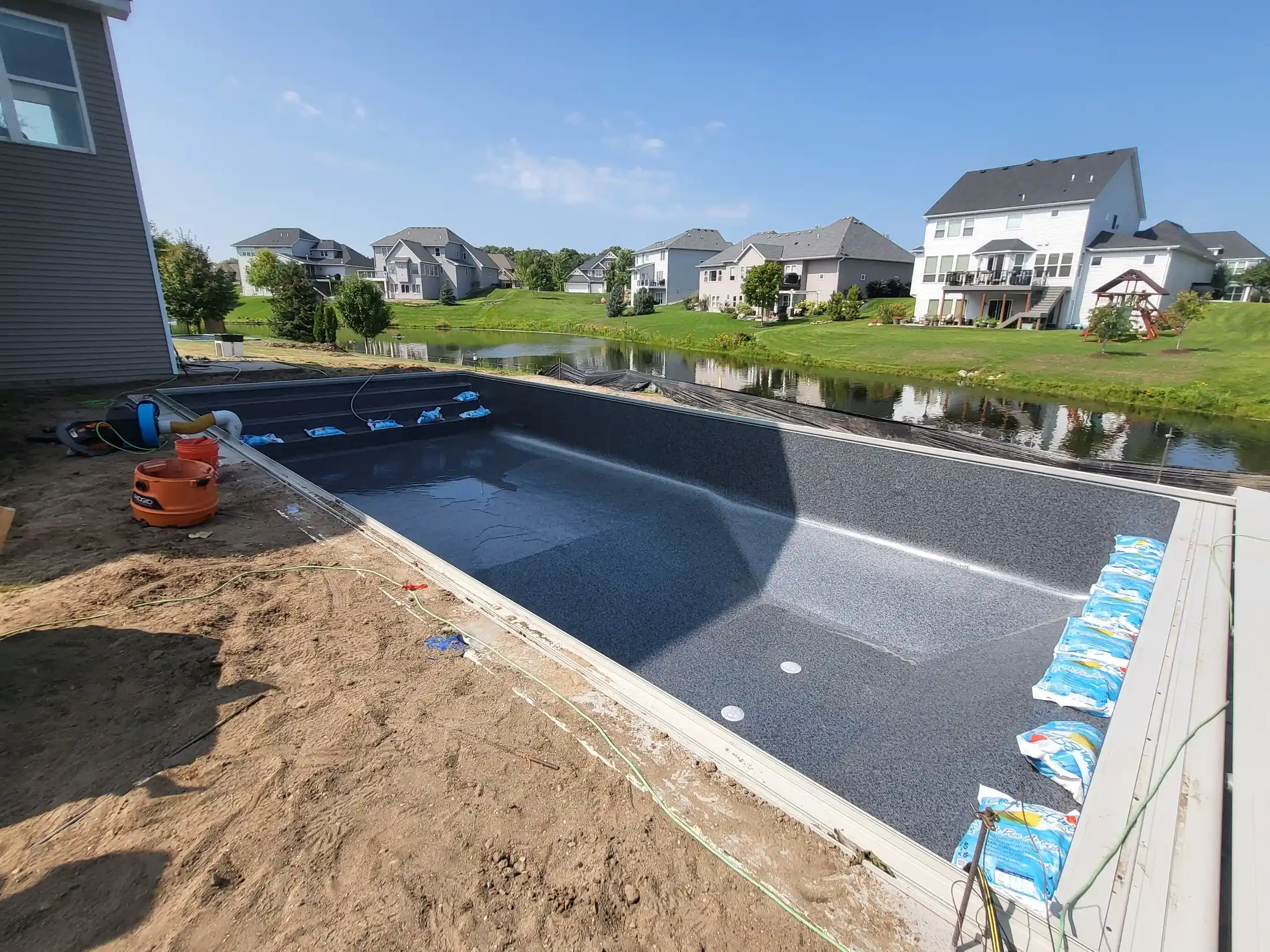
We install your ICF pool using our proven process:
During this phase, we coordinate with your landscape contractor to ensure:
We recommend 4-8 weeks between pool completion and beginning extensive hardscaping. This allows:
Many customers use this period to enjoy their pool for the rest of the first summer, then complete hardscaping the following spring.
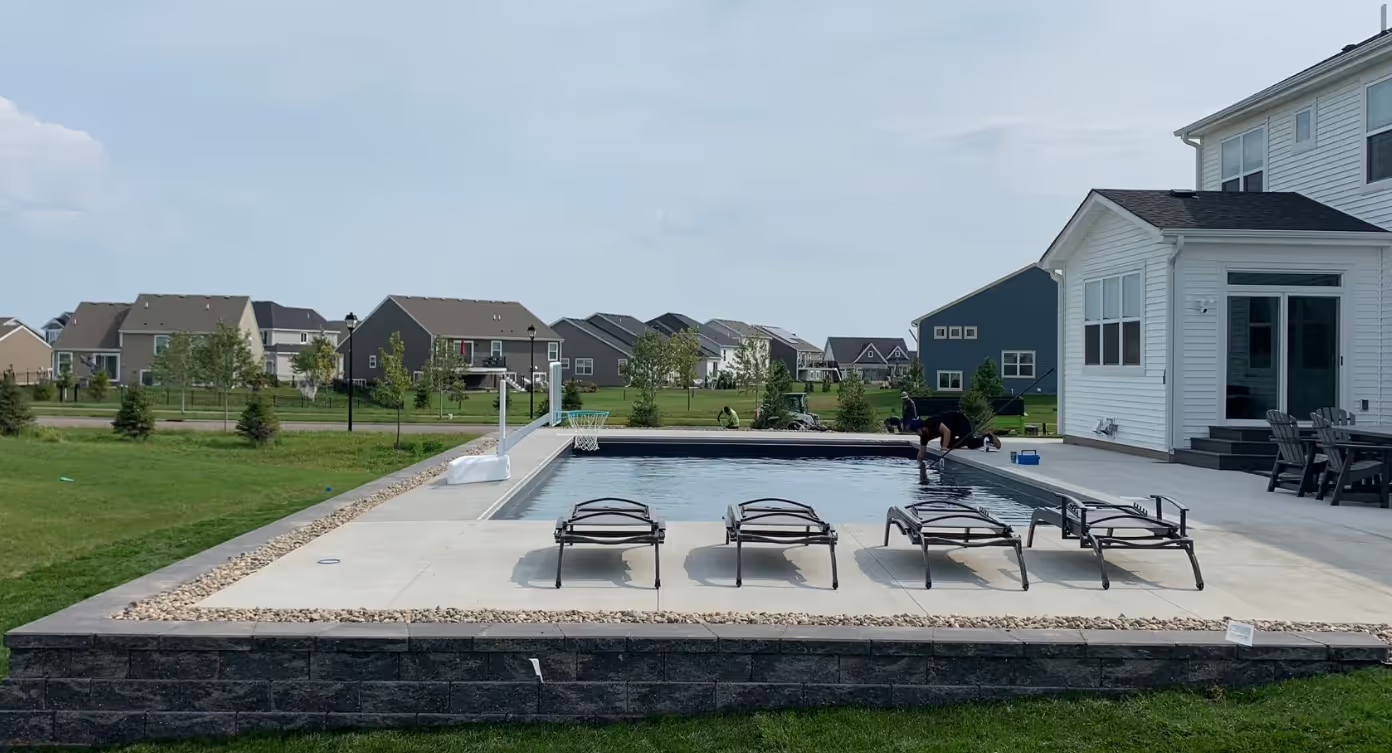
Your landscape contractor installs:
Because the pool is complete and settled, they can work confidently knowing exactly how everything integrates.
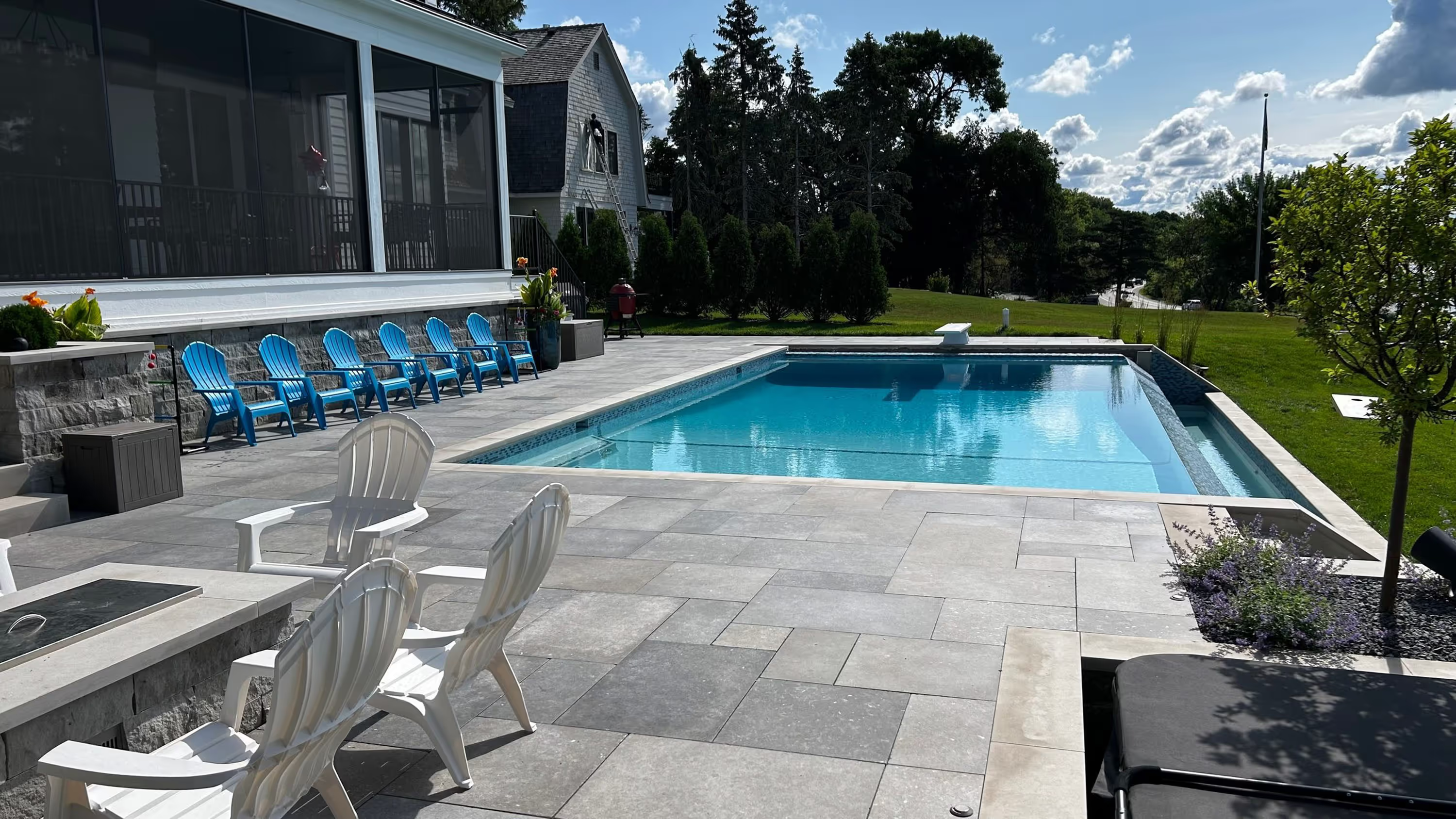
Final touches complete your backyard transformation:
Starting pool construction without a clear vision for the complete backyard leads to:
Solution: Develop the complete plan before breaking ground, even if you'll execute in phases.
Rushing to install hardscaping on recently backfilled soil creates:
Solution: Allow adequate settlement time, particularly before the first Minnesota winter freeze-thaw cycle.
When your pool contractor and landscape contractor don't communicate:
Solution: Insist on coordination meetings and shared plans from the start.
Trying to save money by:
These "savings" cost far more when problems emerge in Minnesota's harsh climate.
Solution: Invest in quality construction methods from the start. At Plan Pools, we use ICF construction specifically because it's the right approach for Minnesota, not because it's the cheapest.
The Plan:
The Sequence:
The Result: Beautiful integrated space with no settlement issues, proper drainage, and quality throughout. Total investment: $185,000. Customer satisfaction: Exceptional.
The Mistake:
The Problems:
The Lesson: Trying to save time by rushing can cost more in the long run.
Consider these factors when planning your project sequence:
Can you tolerate multi-year completion? Pool-first with patio the following year is ideal. Need everything this summer? Careful planning and realistic expectations are essential.
Phasing construction over multiple years can make a large project more financially manageable. Complete the pool first (highest priority for summer enjoyment), then add patio when budget allows.
Limited access favors pool-first (while access is clear). Significant grade issues might require retaining walls before pool installation. Each property is unique.
If pool use is your top priority, build pool first and enjoy it while planning patio. If integrated entertaining space is the goal, invest time in complete planning before starting construction.
At Plan Pools, we've perfected the process of creating complete backyard transformations throughout the Twin Cities metro area. Whether you're in Lakeville, Maple Grove, Eden Prairie, Stillwater, or anywhere in between, we'll help you develop the optimal construction sequence for your project.
Our ICF pool construction creates the foundation for a lasting backyard transformation:
We work collaboratively with premier landscape contractors throughout the region, coordinating timing, sharing plans, and ensuring your complete project comes together seamlessly.
We recommend 4-8 weeks minimum, with preference for waiting until the following spring if your pool is completed mid-to-late summer. This allows complete curing and initial settlement before hardscaping installation.
Generally yes, though you'll need to coordinate with your landscape contractor about access, debris management, and scheduling. Most customers prefer to complete hardscaping either before or after peak swimming season for this reason.
If existing patio is in the construction access route or within 10-15 feet of the pool excavation area, damage is likely. We'll evaluate your specific situation and recommend protection measures or planned replacement.
Some design-build firms offer both services. Plan Pools focuses exclusively on pools but works closely with landscape partners. The key is coordination and communication regardless of whether one company or multiple companies handle the work.
Proper sequencing typically adds no cost—in fact, it often reduces cost by avoiding damage, repairs, and compromised work. Poor sequencing can add 5-15% to total project cost through fixes and rework.
The decision to build your pool before or after your patio isn't just about scheduling—it's about creating a backyard transformation that will provide decades of enjoyment without costly problems.
For most Minnesota projects, the pool-first approach offers clear advantages: equipment access, proper settlement time, integrated drainage design, and the ability to refine plans based on how you actually use your pool space.
At Plan Pools, we guide you through this decision based on your specific property, budget, timeline, and vision. We coordinate with landscape professionals to ensure your complete backyard transformation comes together beautifully, built to withstand Minnesota's challenging climate for generations.
Ready to start planning your backyard transformation? Contact Plan Pools today. We'll visit your property, discuss your complete vision, and develop a sequencing strategy that delivers the results you want without the problems you don't.
Because the best backyard transformations aren't rushed—they're planned carefully, built properly, and enjoyed for a lifetime. That's the Plan Pools promise, from design through completion and beyond.