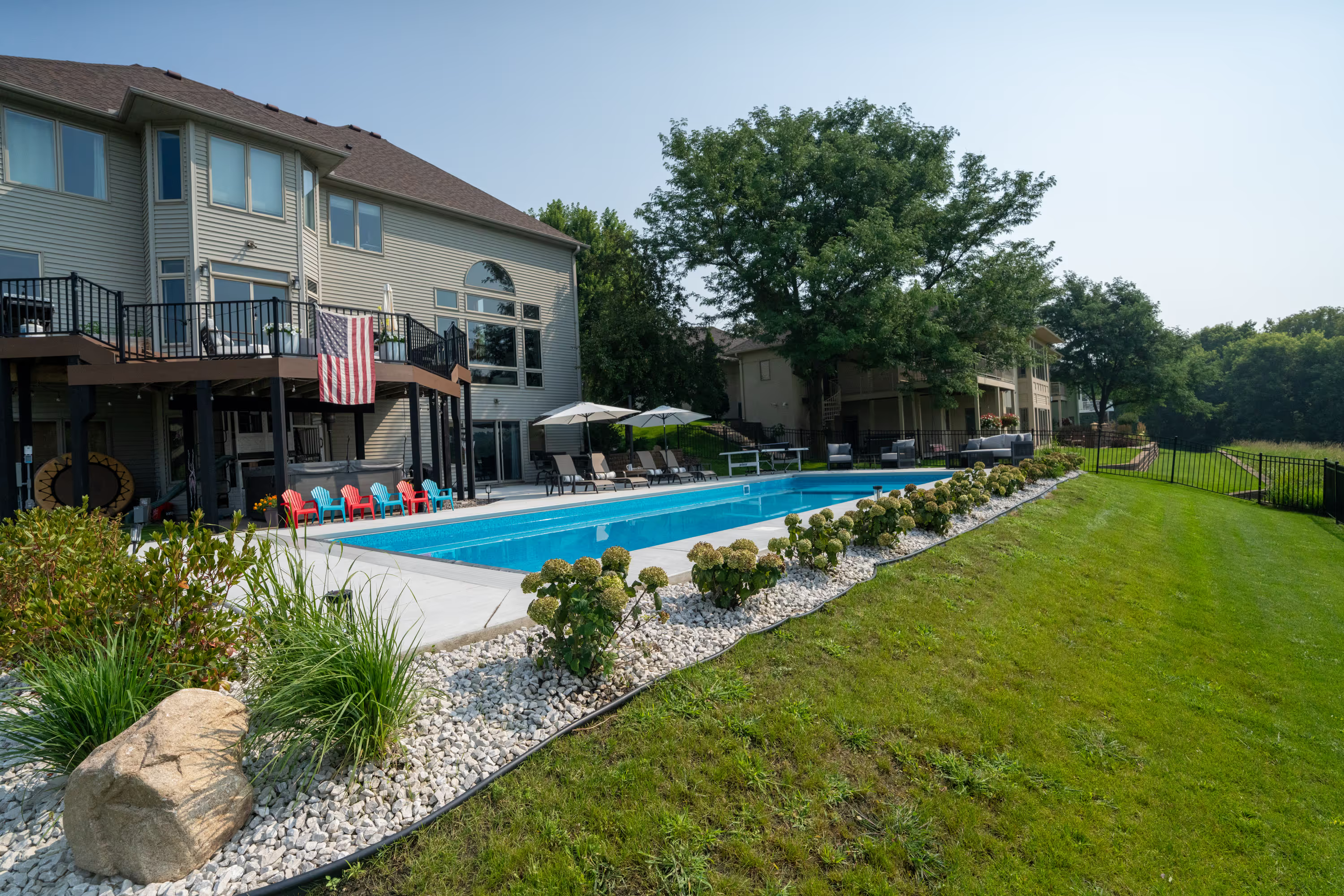
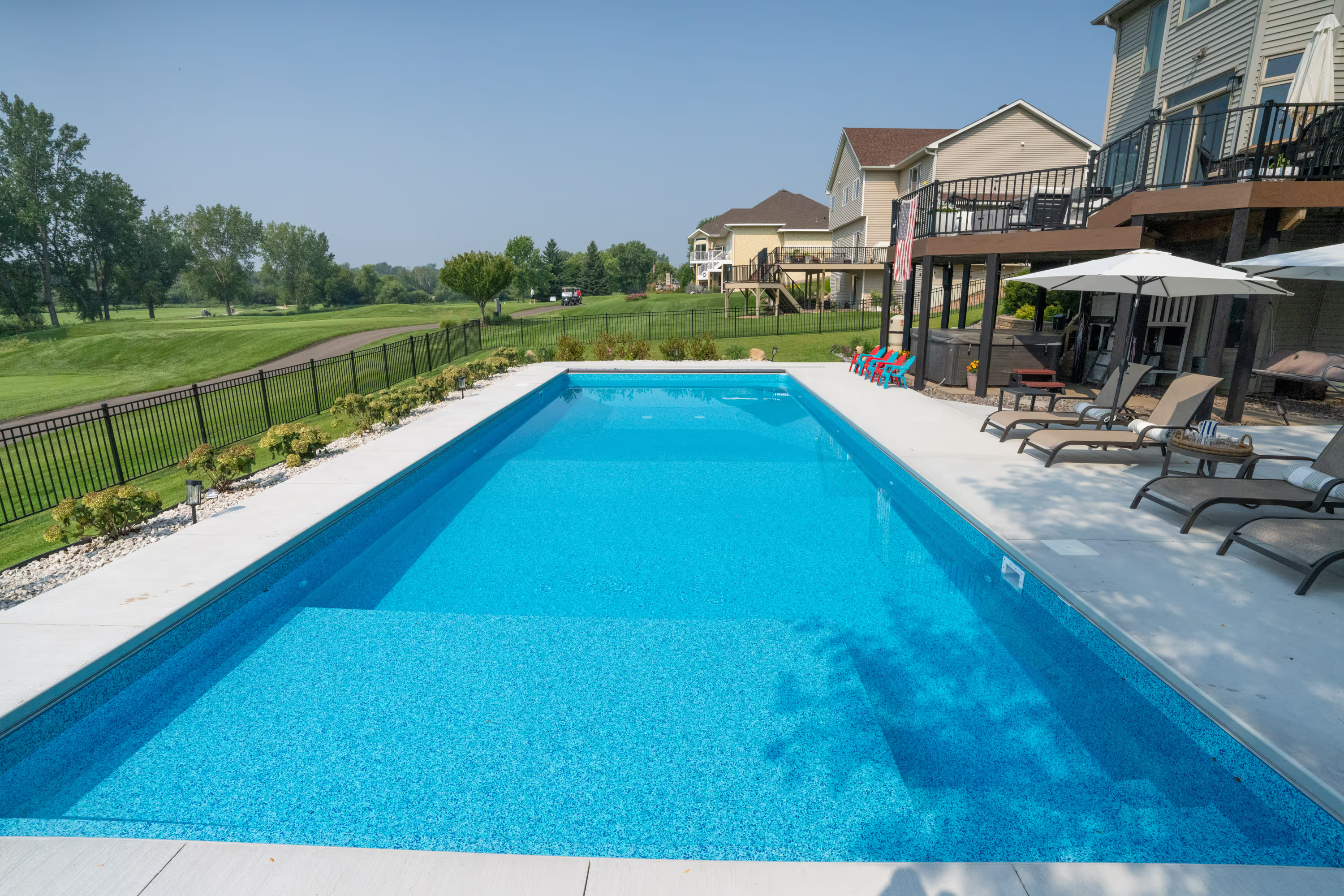
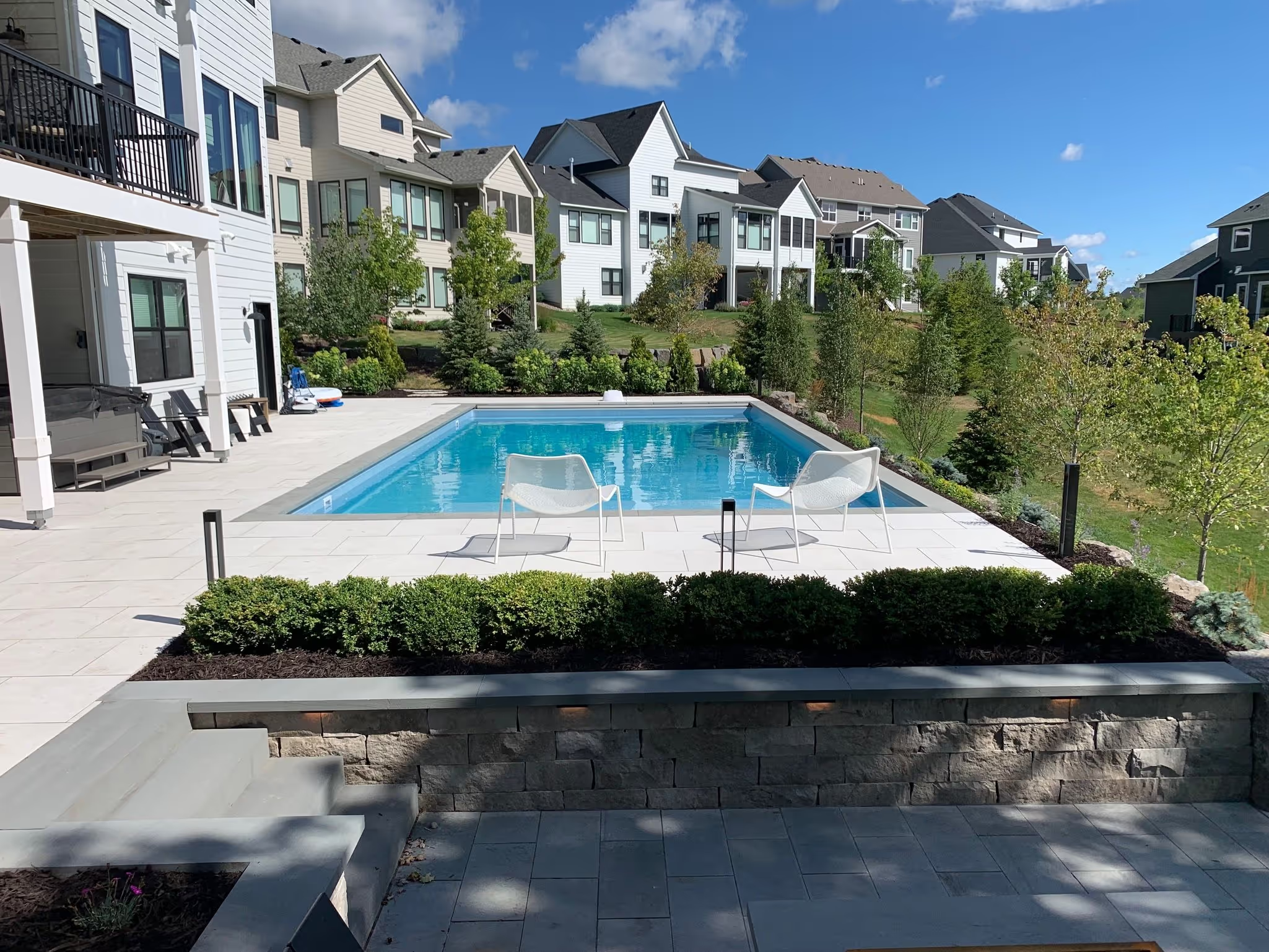
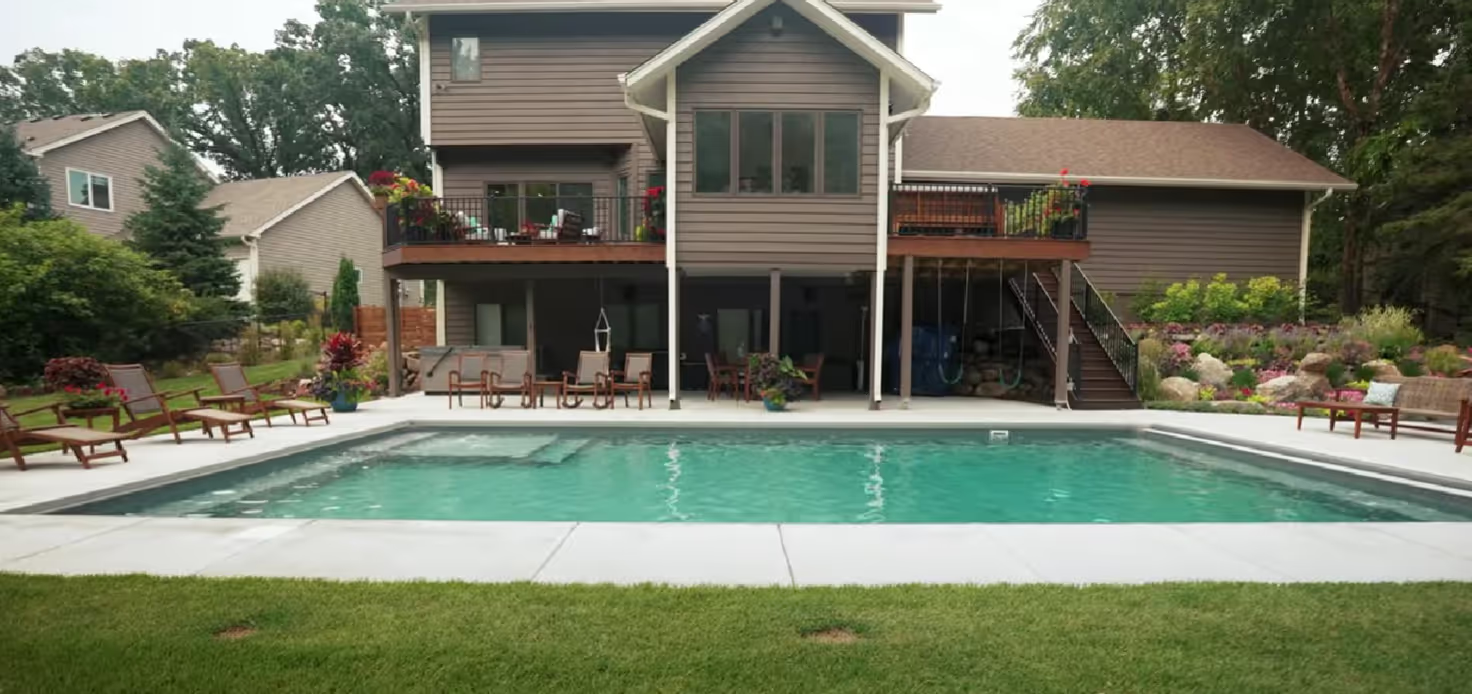
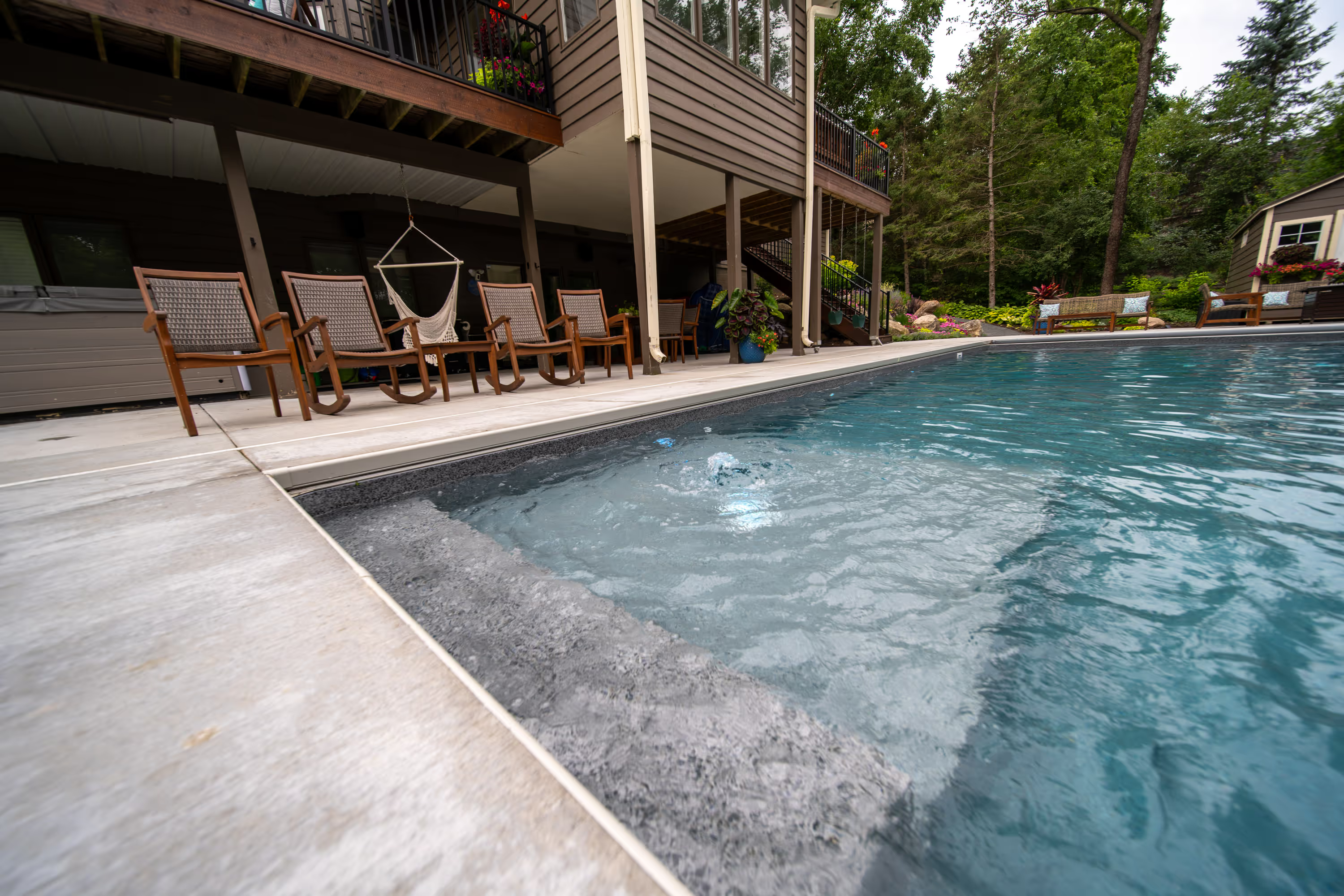
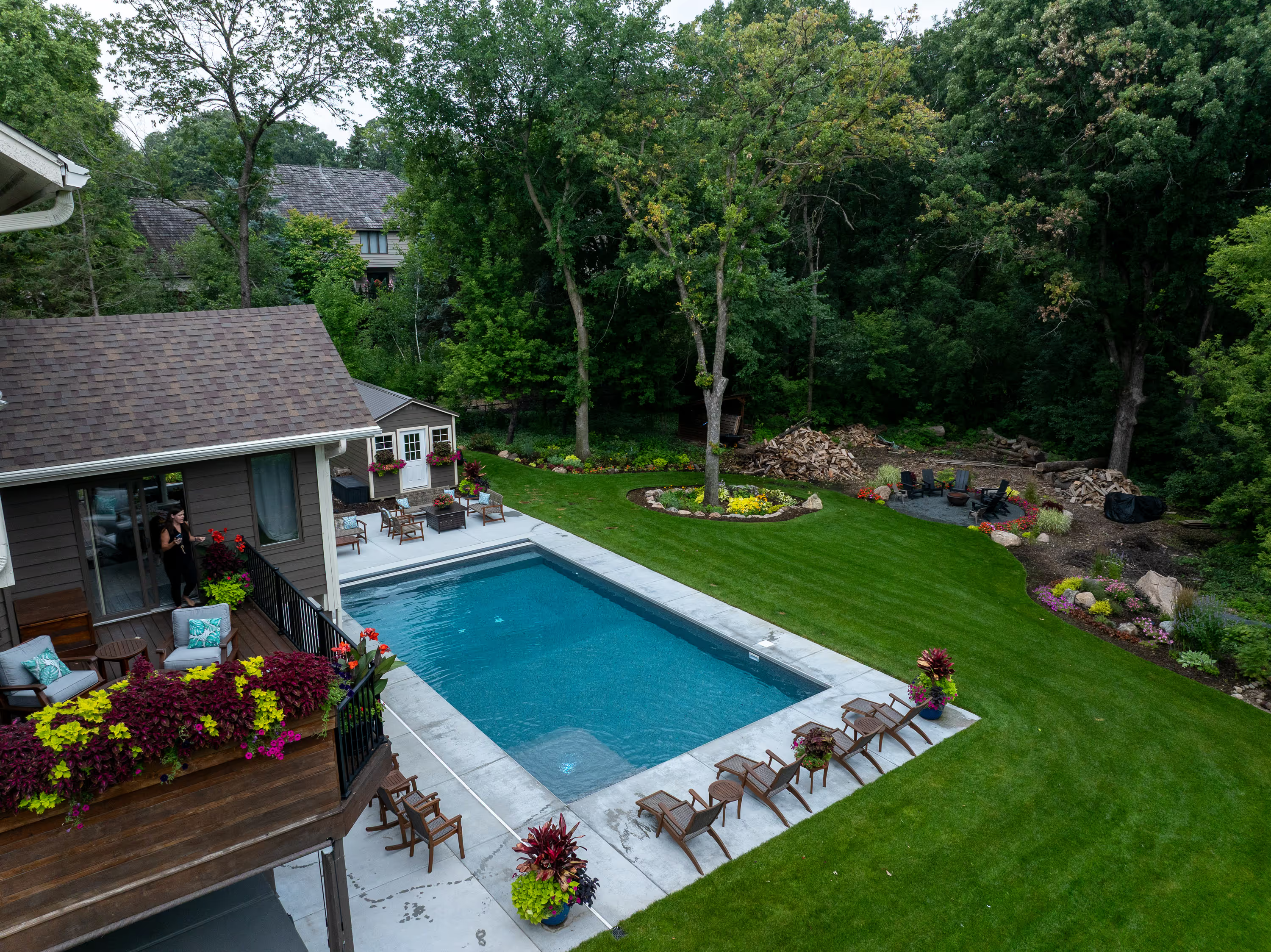
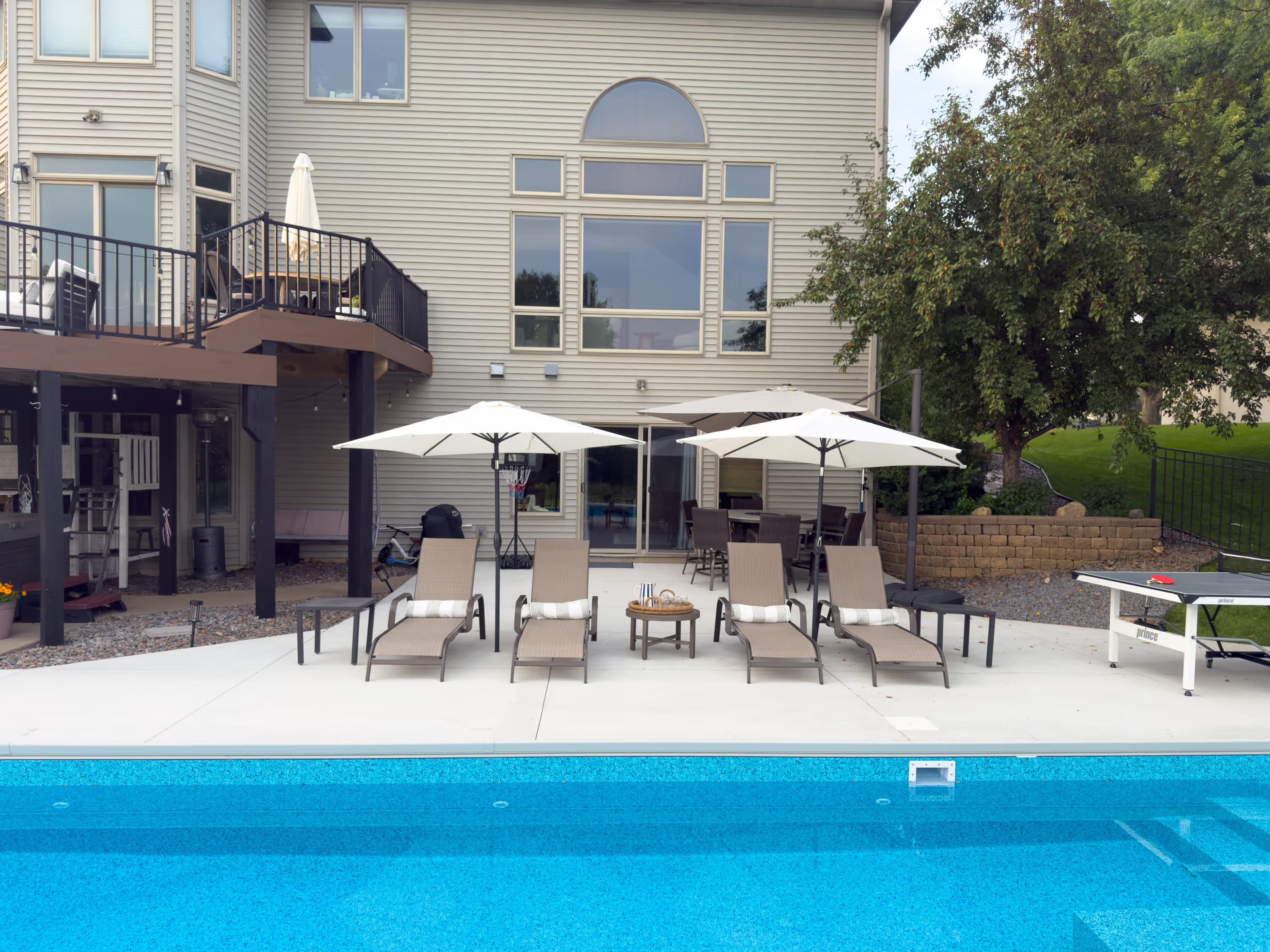
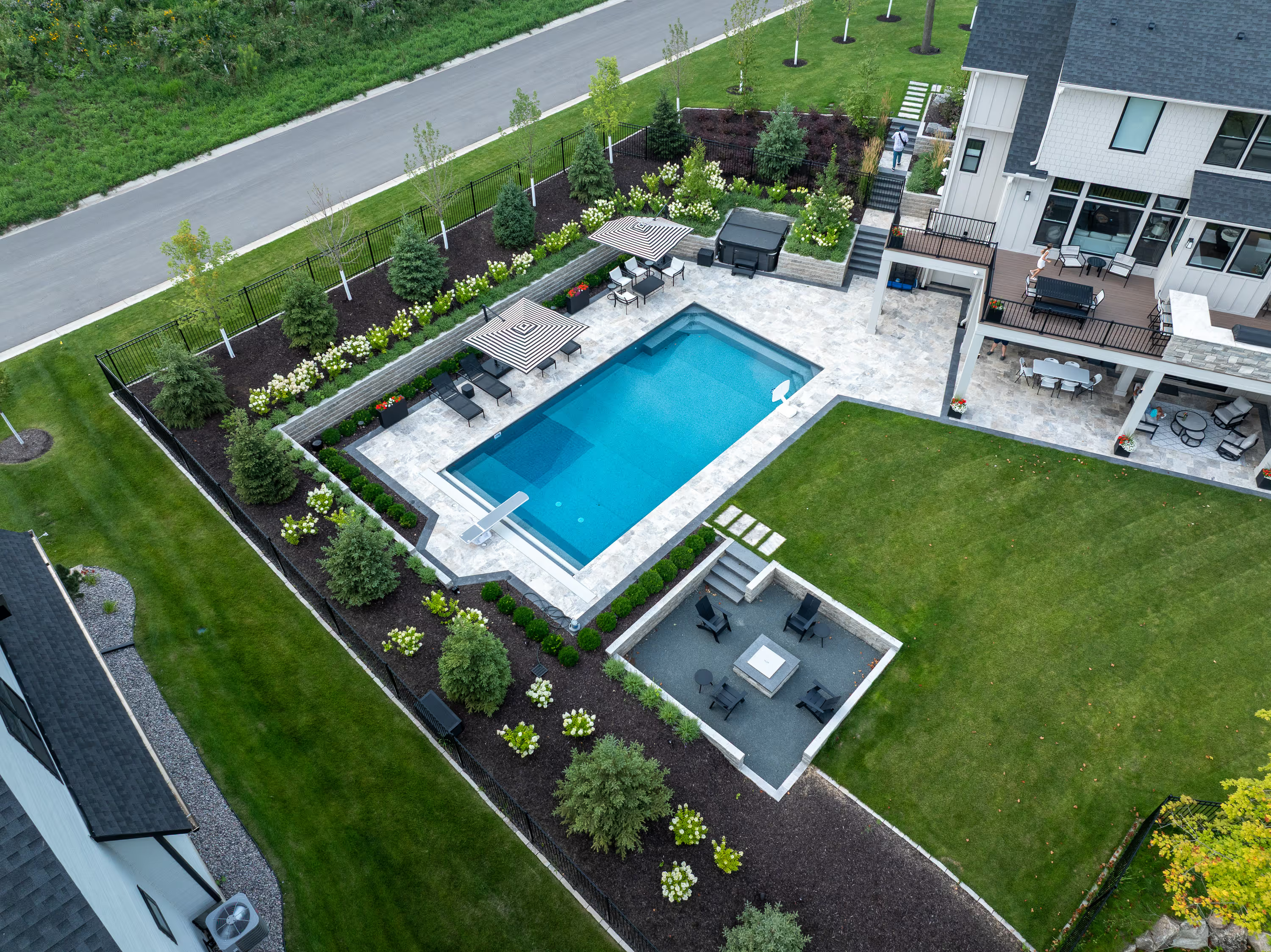
Which plants thrive near a pool? Consider these top recommendations.

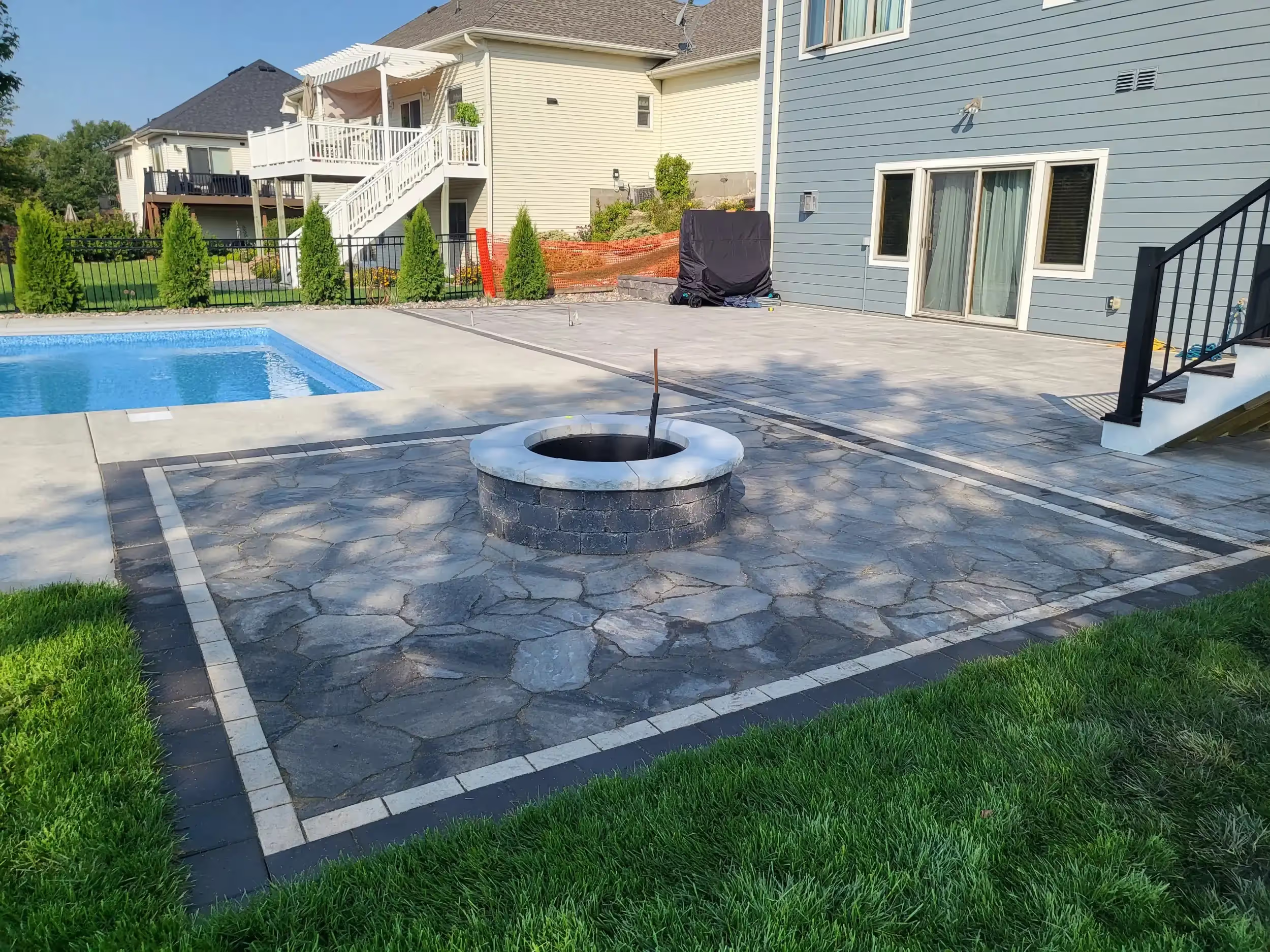
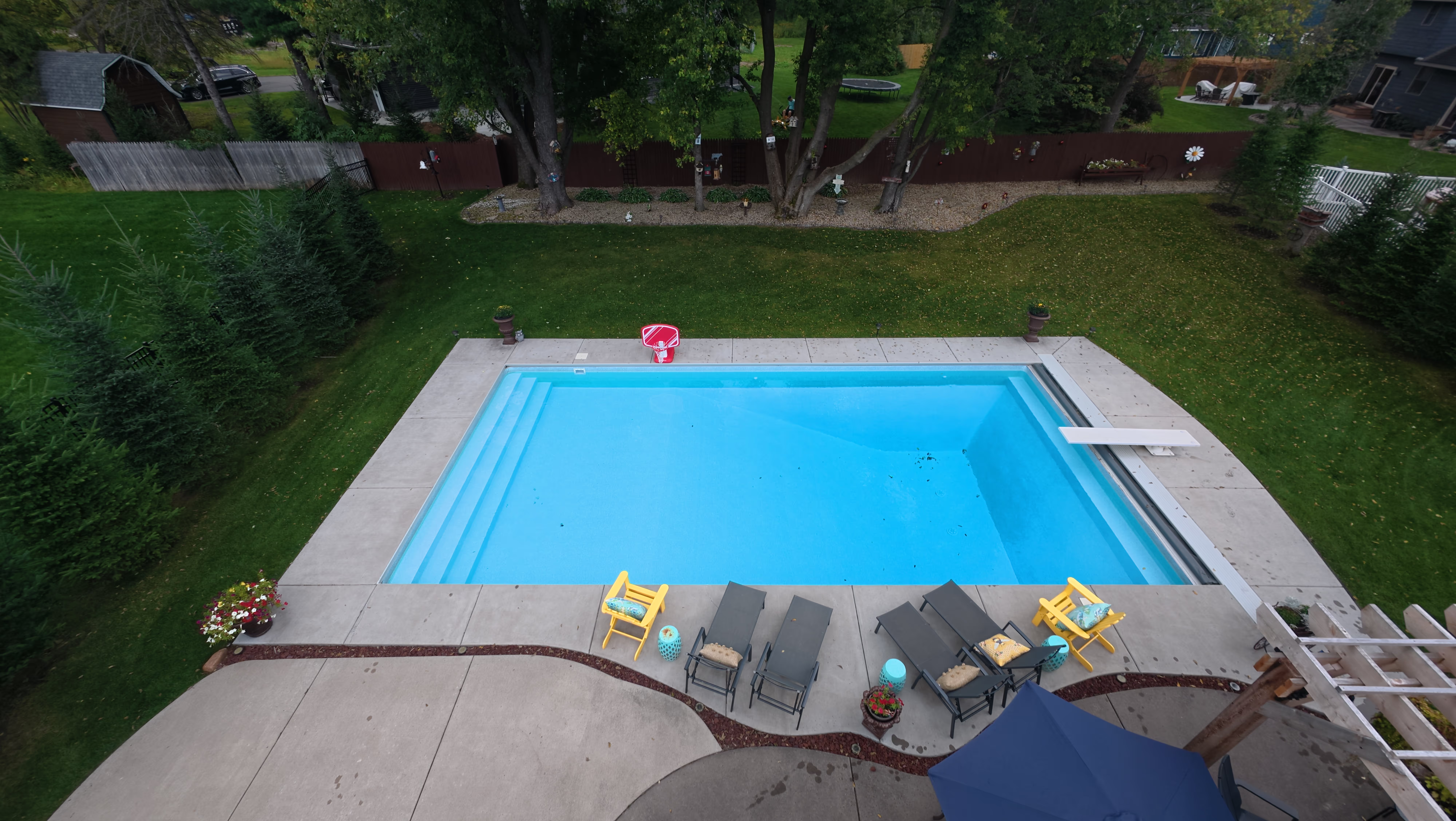
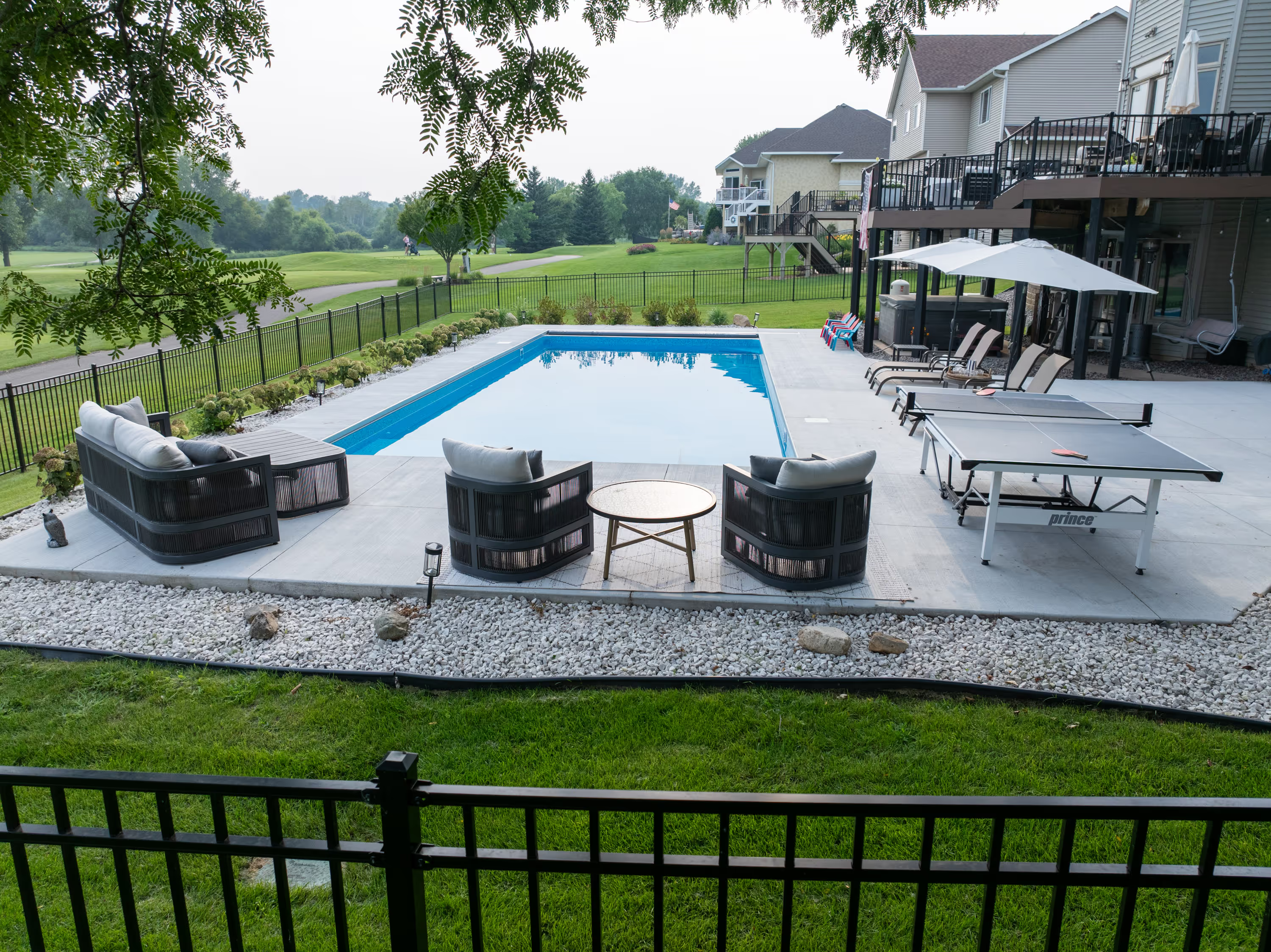
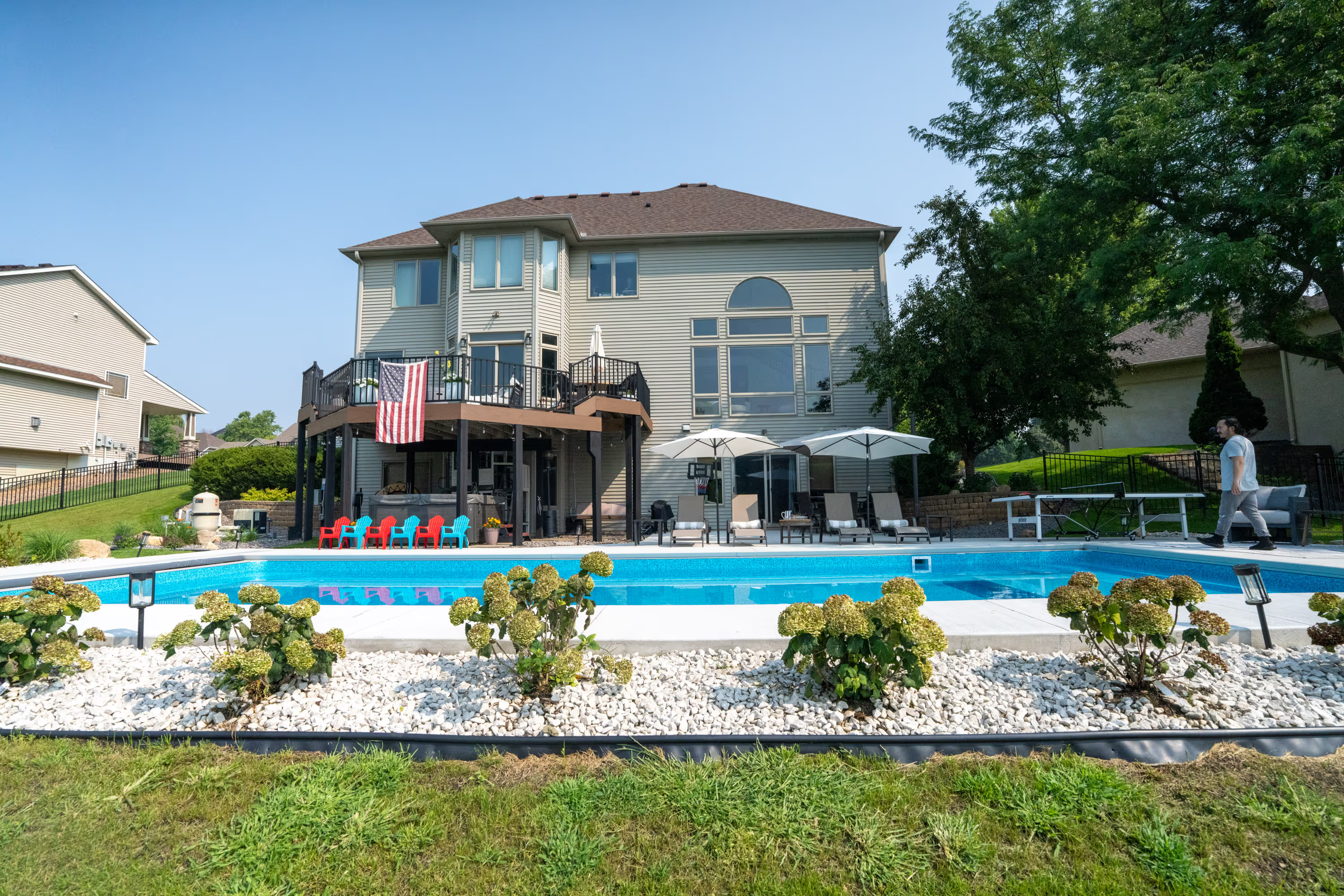
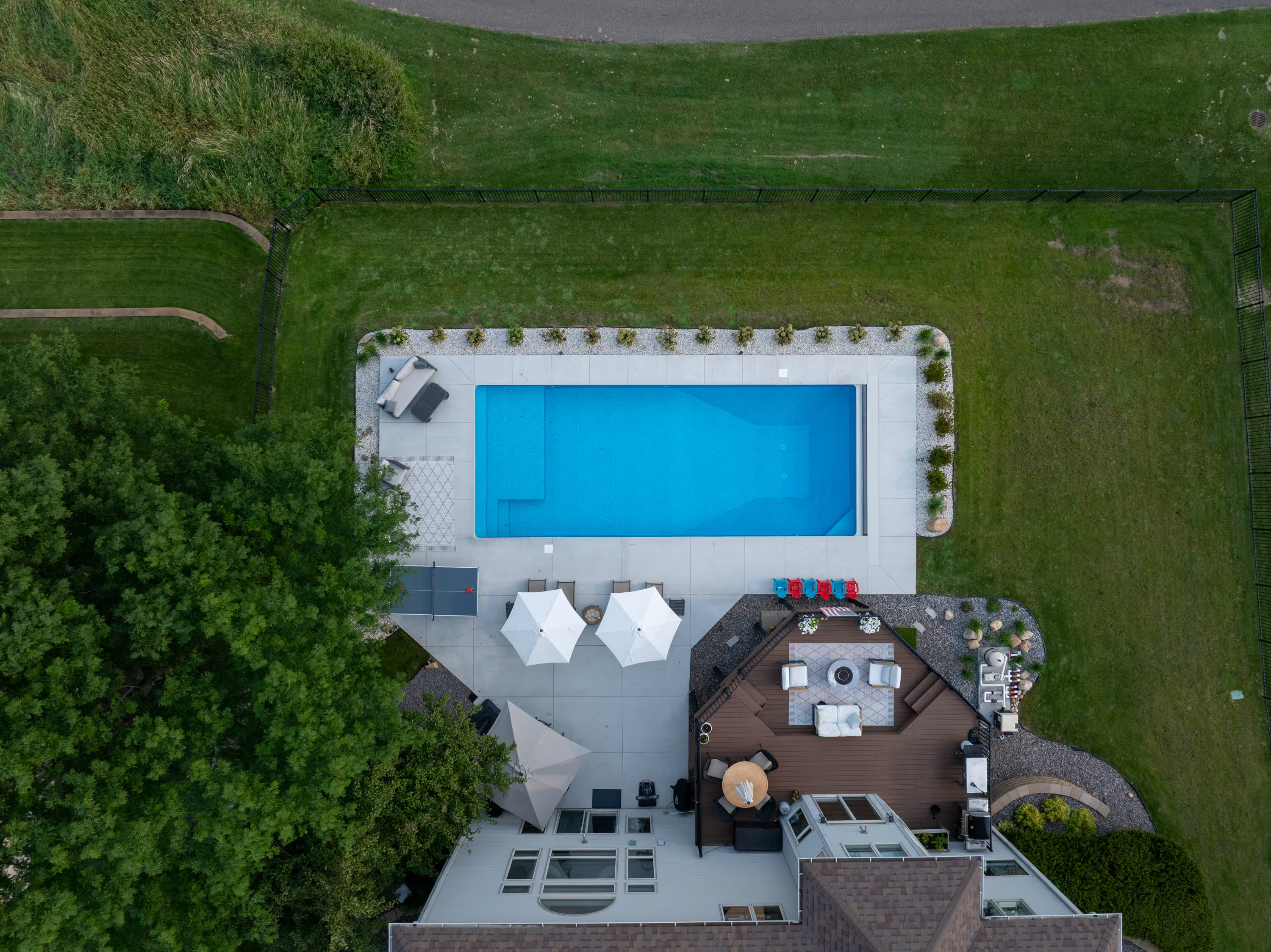
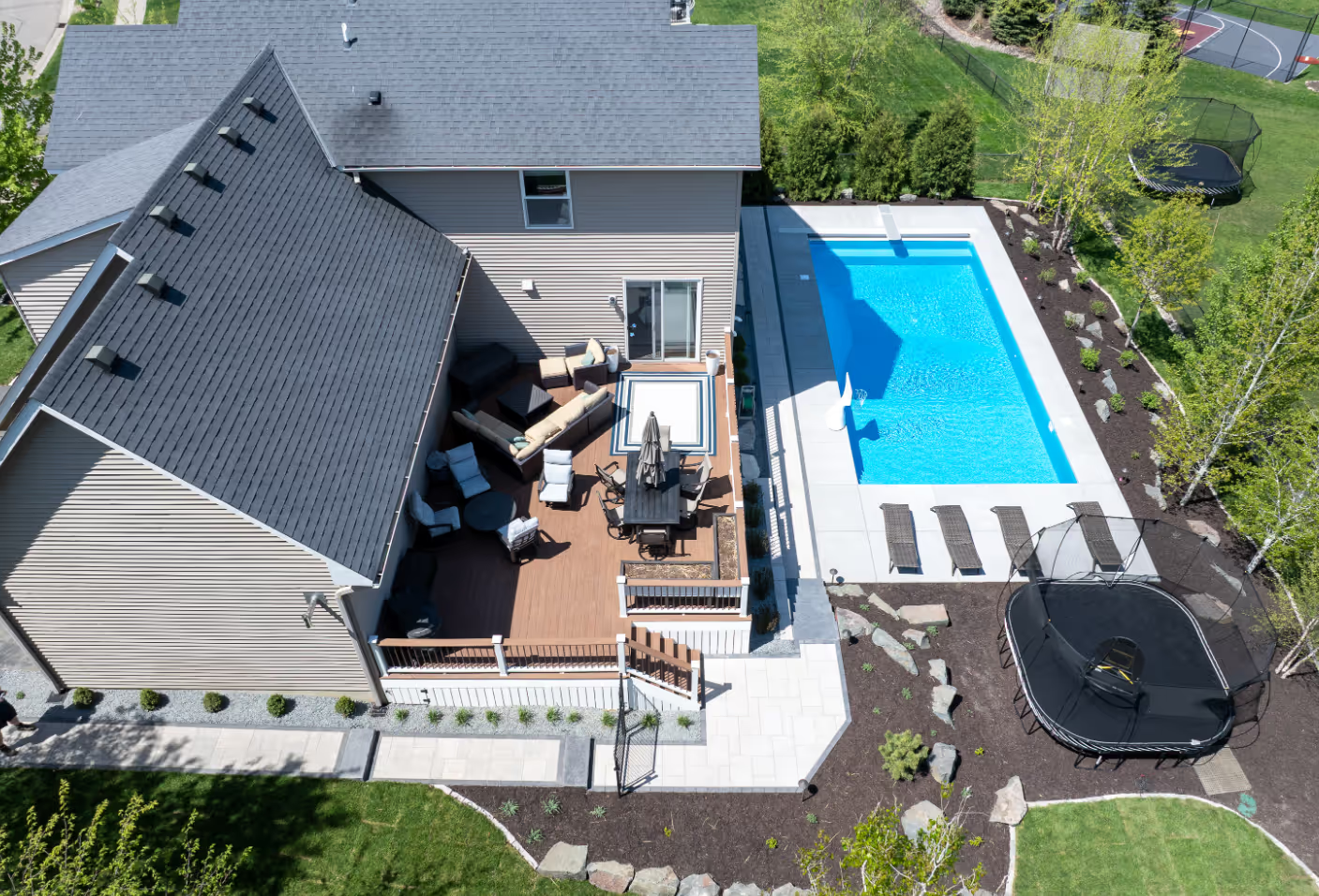
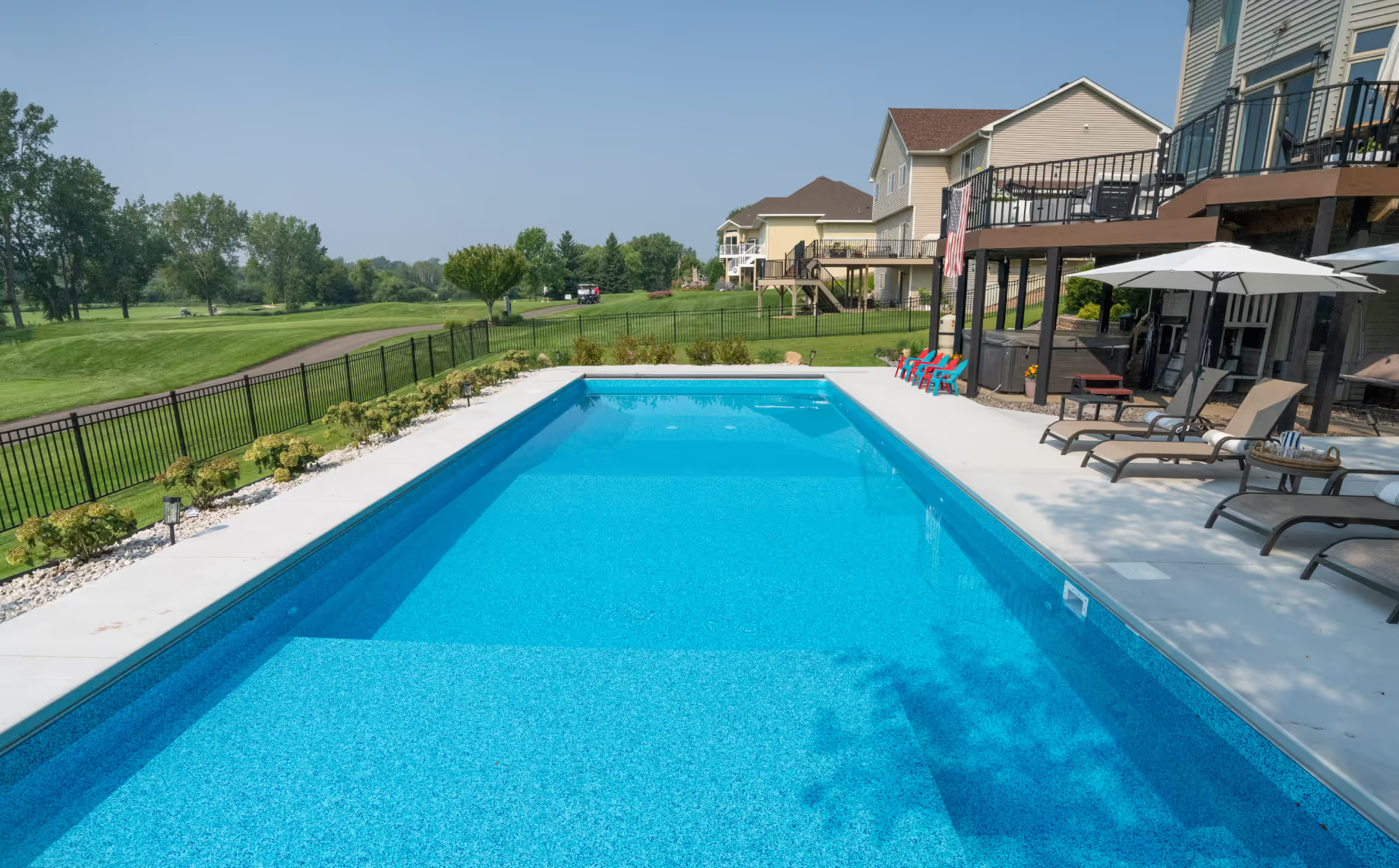
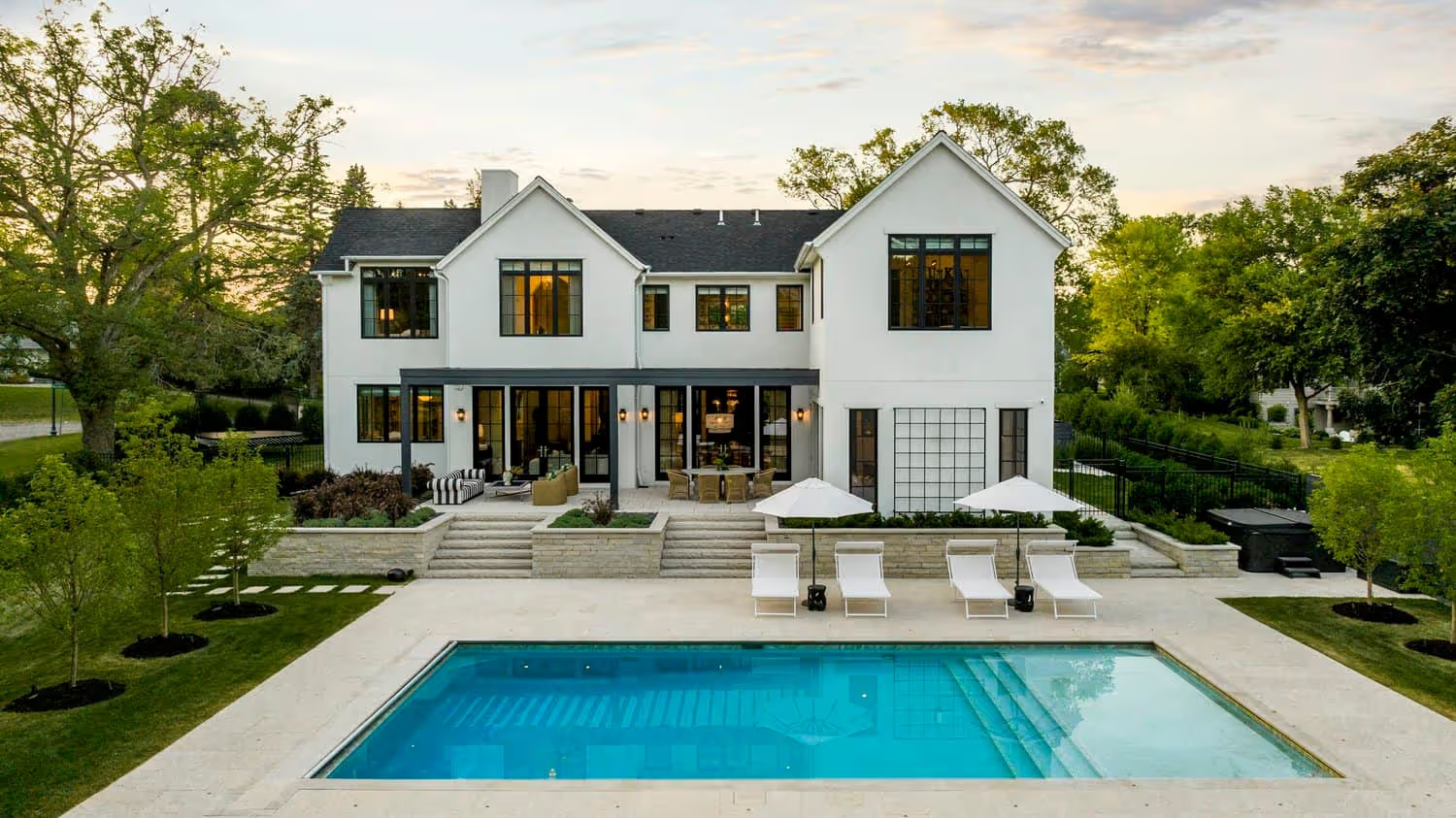
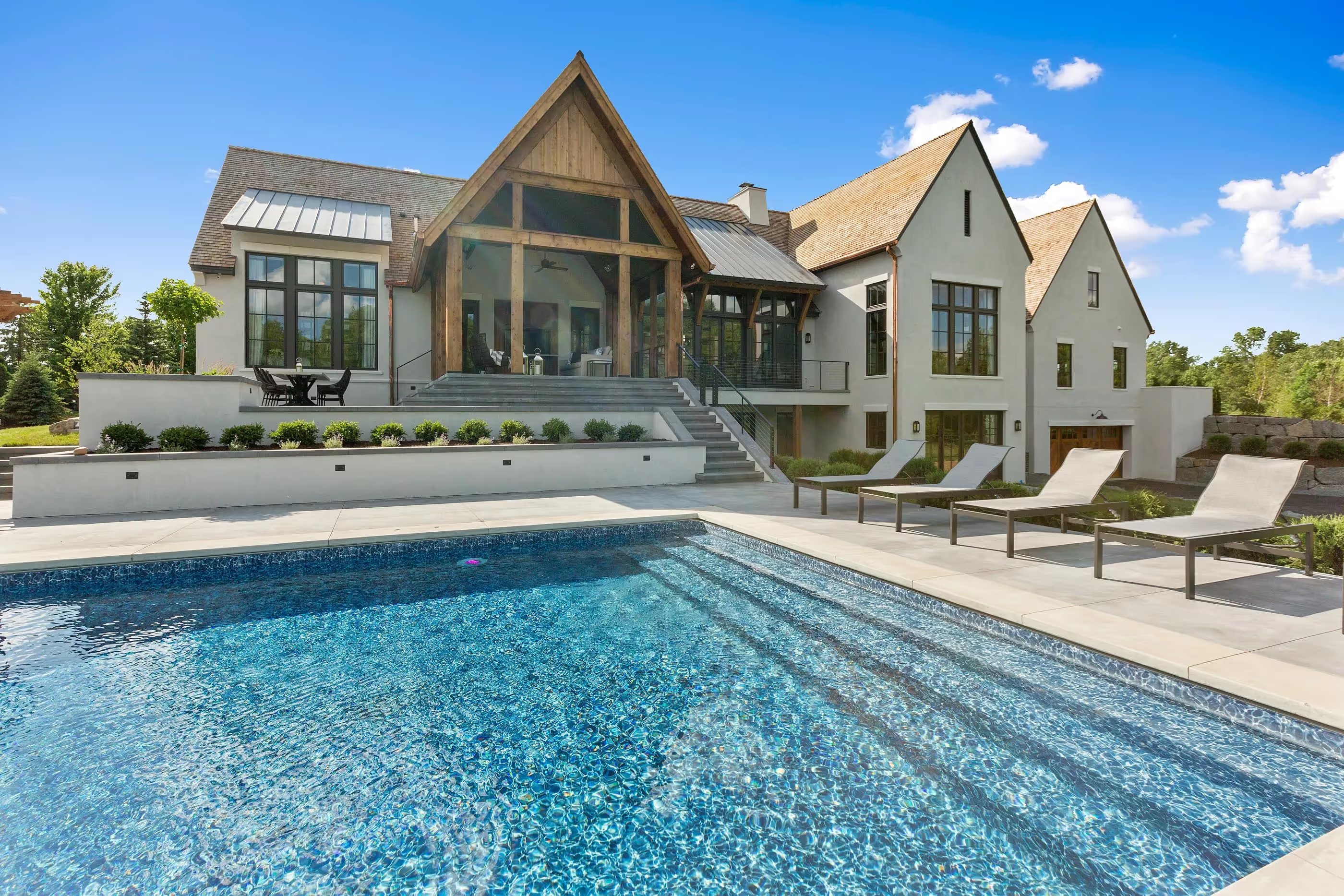
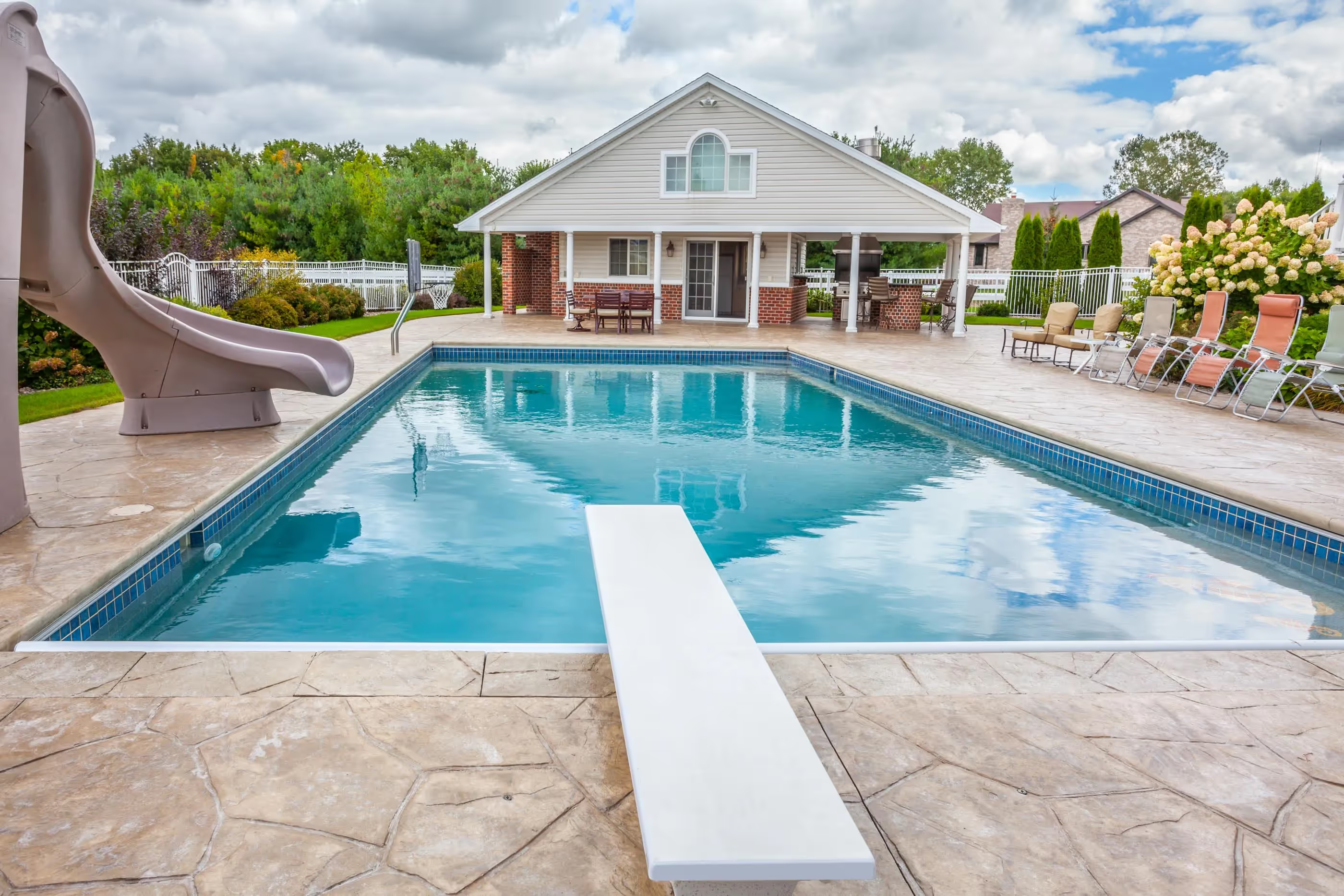
Creating a stunning poolscape goes far beyond the pool itself. The landscaping surrounding your pool transforms a simple swimming hole into a true backyard oasis. But Minnesota pool owners face a unique challenge: finding plants that can handle not just our harsh winters and short growing season, but also the specific stresses of the pool environment.
At Plan Pools, we work closely with premier landscape contractors throughout the Twin Cities metro area, and we've learned through hundreds of installations which plants thrive near pools and which ones create ongoing headaches. Here's everything Minnesota homeowners need to know about selecting the perfect plants for their poolscape.
Whether you're using traditional chlorine or the superior salt water chlorination systems that Plan Pools installs as standard, your plants will face exposure to pool chemicals. Splashing, wind spray, and wet swimmers tracking water onto surrounding areas all expose nearby plants to higher salt or chlorine levels than typical garden conditions.
Salt-tolerant plants are essential, especially if you're using a salt water system (which you should be—it's gentler on skin, eyes, and equipment while providing superior sanitation).
Pool decking and water surfaces reflect intense heat and light during Minnesota's summer months. This creates a microclimate around your pool that's significantly warmer and brighter than the rest of your yard. Plants need to tolerate these intense conditions without scorching or requiring excessive water.
The hardscaping around pools—concrete decking, pavers, and stonework—creates impermeable surfaces that prevent rainfall from reaching plant roots. Pool area plants often exist in small planting beds or between hardscape features, where soil dries out rapidly. You need plants that tolerate periodic drought once established.
This is where Minnesota differs dramatically from warmer climates. Your poolscape plants must survive our brutal winters, including:
Aggressive root systems can damage pool structures, plumbing, and hardscaping. This is particularly important for pools with less robust construction methods, though even ICF pools from Plan Pools can experience issues if large trees are planted too close.
You need plants with non-invasive root systems that won't buckle your pool deck or infiltrate plumbing lines as they mature.
This Minnesota favorite thrives in pool environments thanks to its moderate salt tolerance and adaptability. It provides:
Plant dwarf burning bush 4-6 feet from pool edges to allow air circulation while providing visual interest. It tolerates both full sun and partial shade, making it versatile for various exposures around your pool.
For groundcover and low borders directly adjacent to hardscaping, Blue Star juniper is exceptional:
This is ideal for planting between pool deck and fence lines or in narrow beds where space is limited.
Several spirea varieties excel in Minnesota pool environments:
Goldflame Spirea (Spiraea x bumalda 'Goldflame'): Provides colorful foliage that emerges red, matures to gold, and offers pink summer flowers. Compact at 2-3 feet tall.
Little Princess Spirea: Pink blooms, compact rounded form, extremely hardy, and tolerates a wide range of conditions.
All spireas offer:
Also called shrubby cinquefoil, potentilla is a workhorse for Minnesota poolscapes:
Potentilla performs best in full sun and well-drained soil—perfect for pool edges.
For larger screening or backdrop plantings, ninebark offers:
Plant larger ninebark varieties 6-10 feet from pool structures to accommodate mature size while providing privacy screening.
Daylilies are nearly perfect for pool landscaping:
Plant daylilies in mixed borders 3-6 feet from pool edges. Choose reblooming varieties for extended color throughout the swimming season.
For areas with intense heat and reflected light, sedums shine:
Autumn Joy Sedum is particularly effective, providing pink flowers in late summer and burgundy seed heads that persist through winter.
Not all salvias survive Minnesota winters, but Salvia nemorosa varieties are reliably hardy:
Varieties like 'May Night' and 'Caradonna' provide consistent performance in pool environments.
This airy perennial offers:
Plant Russian sage where you want visual interest without solid screening. Its airy habit allows breezes through while softening hardscape edges.
Similar to Russian sage but more compact, catmint provides:
Varieties like 'Walker's Low' and 'Six Hills Giant' perform reliably in pool environments.
This native prairie plant thrives in pool conditions:
'Goldsturm' rudbeckia is particularly reliable and long-blooming.
This is arguably the best grass for Minnesota pool landscapes:
Plant Karl Foerster grass as vertical accents or in masses for privacy screening that doesn't block air flow.
For smaller spaces and edging, blue fescue offers:
This native prairie grass is increasingly popular in pool landscaping:
Little bluestem works beautifully in naturalistic poolscapes and prairie-style designs.
Trees near pools require careful selection and placement. Many homeowners want shade around their pool, but trees present several challenges:
Leaf Drop: Deciduous trees drop leaves directly into your pool, creating constant maintenance.
Root Systems: Large trees can damage pool structures, plumbing, and hardscaping as roots seek moisture near the pool.
Seed and Fruit Drop: Messy fruits, seed pods, or helicopter seeds create debris problems.
Aggressive Growth: Fast-growing trees often have aggressive root systems that cause problems within a few years.
Pergolas and Shade Structures: Provide shade without debris or root concerns.
Strategic Placement: Plant trees 20-30 feet from pool edges where they provide afternoon shade without dropping debris into the water.
Smaller Ornamental Trees: Choose compact varieties with tidy habits if you must have trees nearby.
Serviceberry (Amelanchier varieties): Small native trees with spring flowers, edible berries, fall color, and relatively non-aggressive roots. Plant 15-20 feet from pool.
Pagoda Dogwood (Cornus alternifolia): Horizontal branching provides interesting form, white spring flowers, blue berries, and purple fall color. Stays relatively small (15-25 feet). Plant 15+ feet from pool.
Japanese Tree Lilac (Syringa reticulata): Small tree (20-30 feet) with fragrant creamy-white summer flowers. Doesn't spread or seed aggressively. Plant 20+ feet from pool.
For pools with ICF construction from Plan Pools, the robust concrete structure provides better resistance to root infiltration than steel wall pools, but we still recommend keeping significant trees at least 15-20 feet from the pool edge.
Extremely aggressive roots that will buckle hardscaping and infiltrate pool plumbing. Also drops messy seeds and leaf litter.
Root systems seek water aggressively, making pools and plumbing targets. Very messy with constant twig and leaf drop.
Produces massive amounts of cottony seeds, creates constant cleanup, and has aggressive roots.
Apples, crabapples, cherries, and plums drop fruit that creates staining, attracts bees and wasps, and requires constant cleanup.
Roses (except for distant landscape use), barberry, hawthorn, and other thorny plants are hazards near areas where people walk barefoot.
Avoid anything on Minnesota's invasive species list, including:
These create environmental problems and often have aggressive growth habits unsuitable for pool areas.
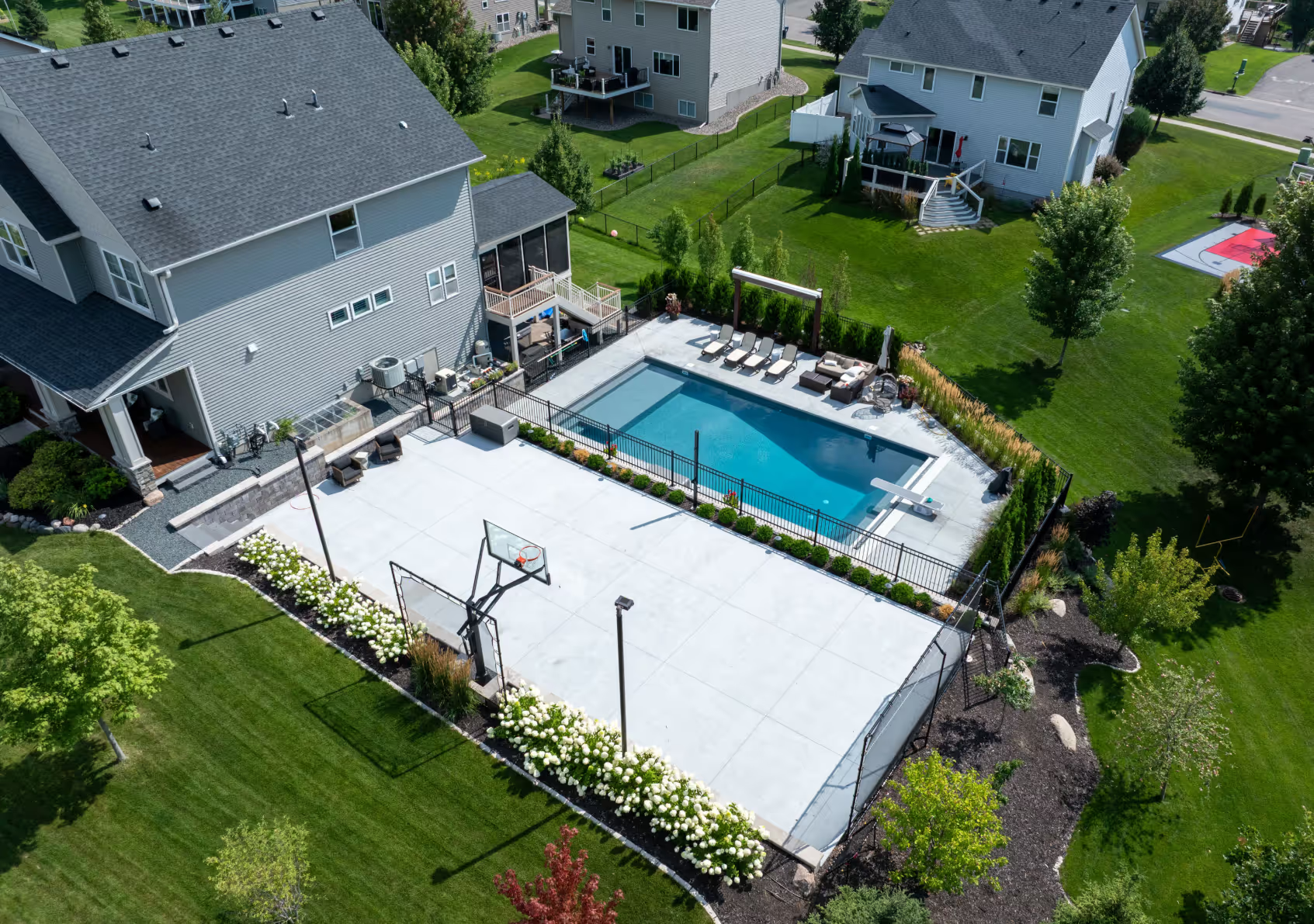
Use plants of varying heights to create visual interest:
Don't plant tall specimens that block views of the pool from your home's main living areas. You want to enjoy watching your pool and seeing family members swimming.
At the same time, consider privacy screening from neighbors. Taller plantings along property lines provide privacy without interfering with pool use and enjoyment.
Minnesota pools are used 4-5 months per year, but you look at your yard 12 months per year. Include:
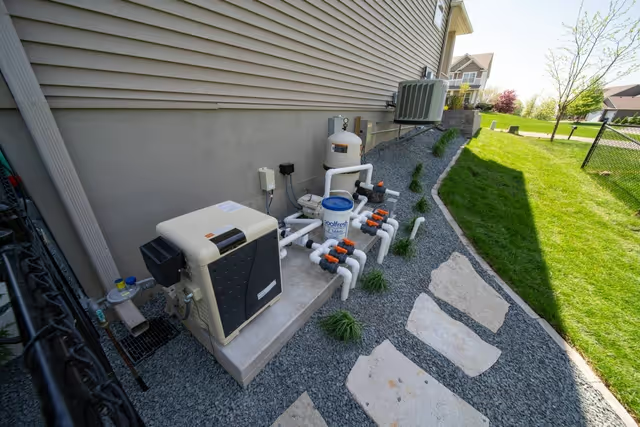
Leave adequate space between plantings and pool equipment, ensuring you can access pumps, heaters, and filters for routine maintenance. Plan Pools' equipment installations are designed for easy access, but your landscaping shouldn't compromise that.
Modern geometric pools suit clean, architectural plantings with grasses and structural perennials. Freeform natural pools complement loose, flowing plantings with native plants and naturalistic design.
At Plan Pools, we create custom pool designs that integrate with your landscape vision from the start.
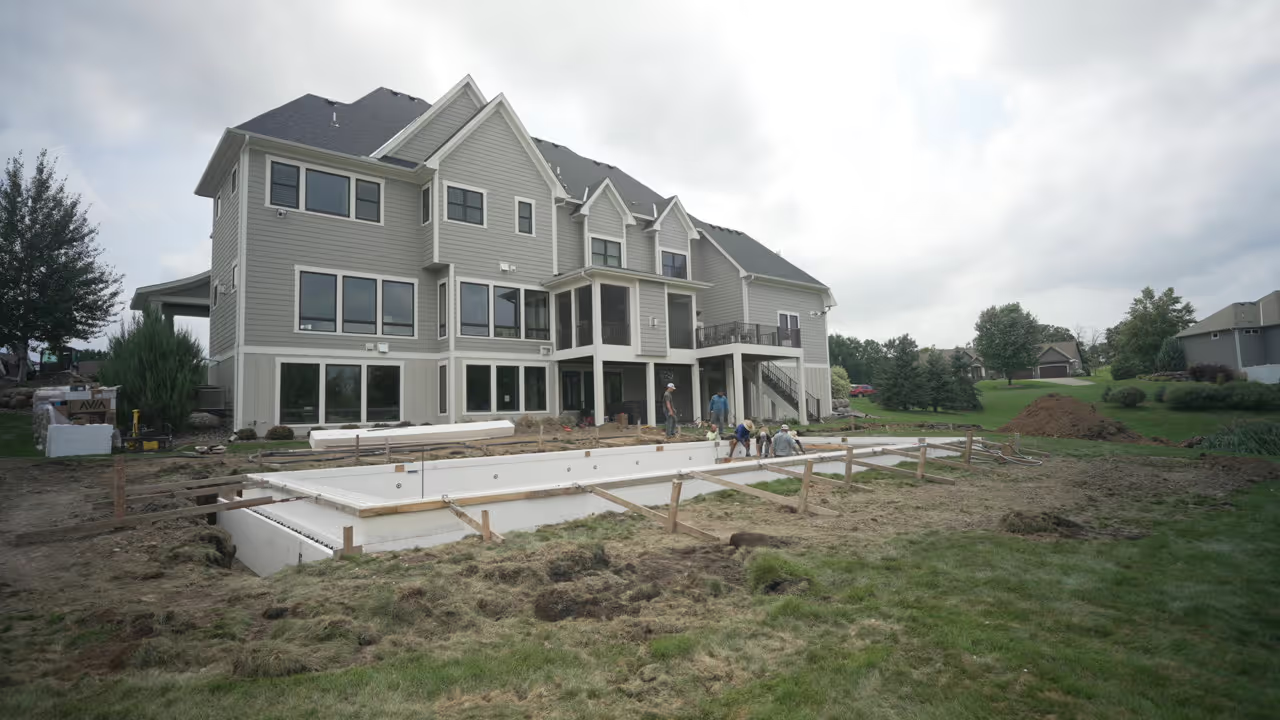
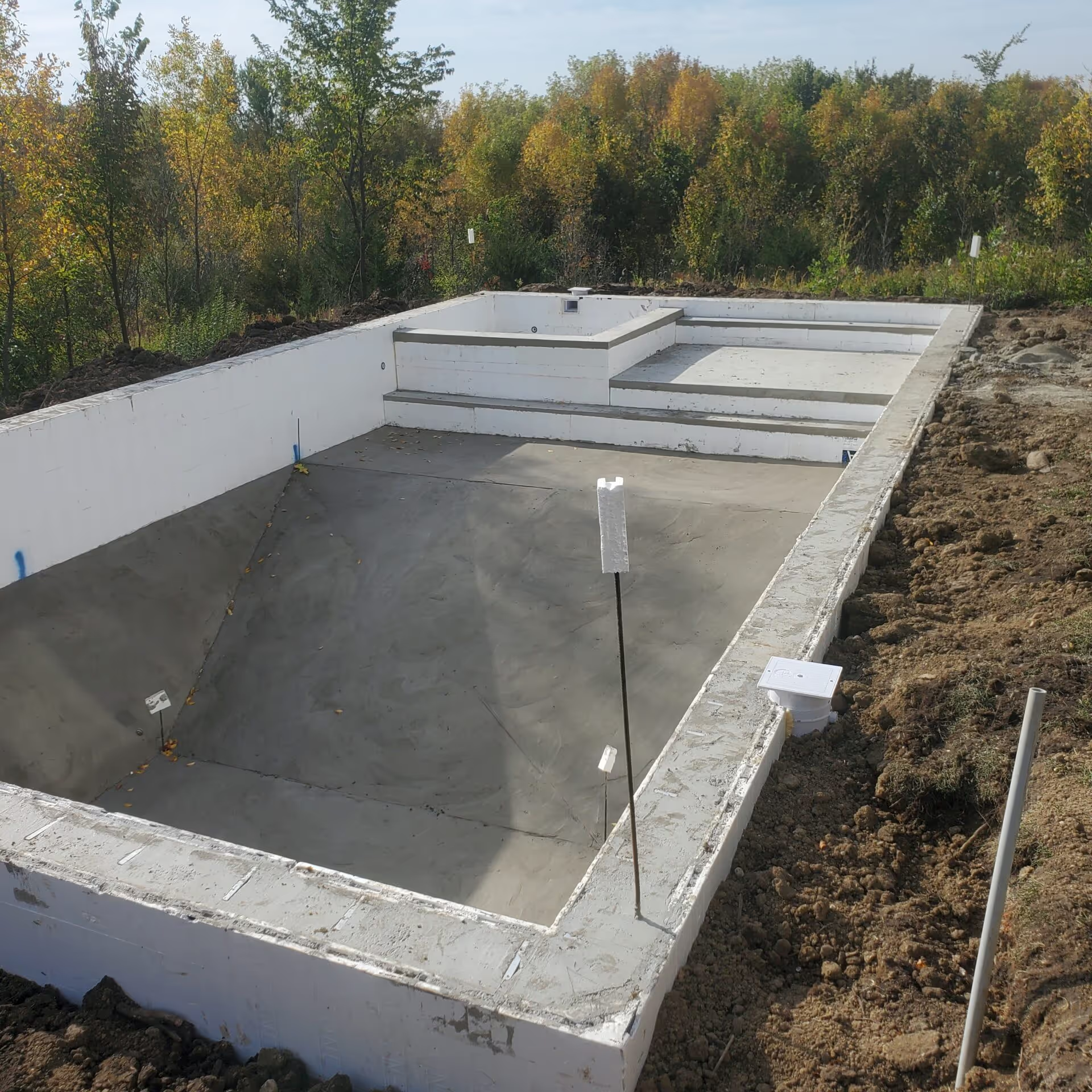
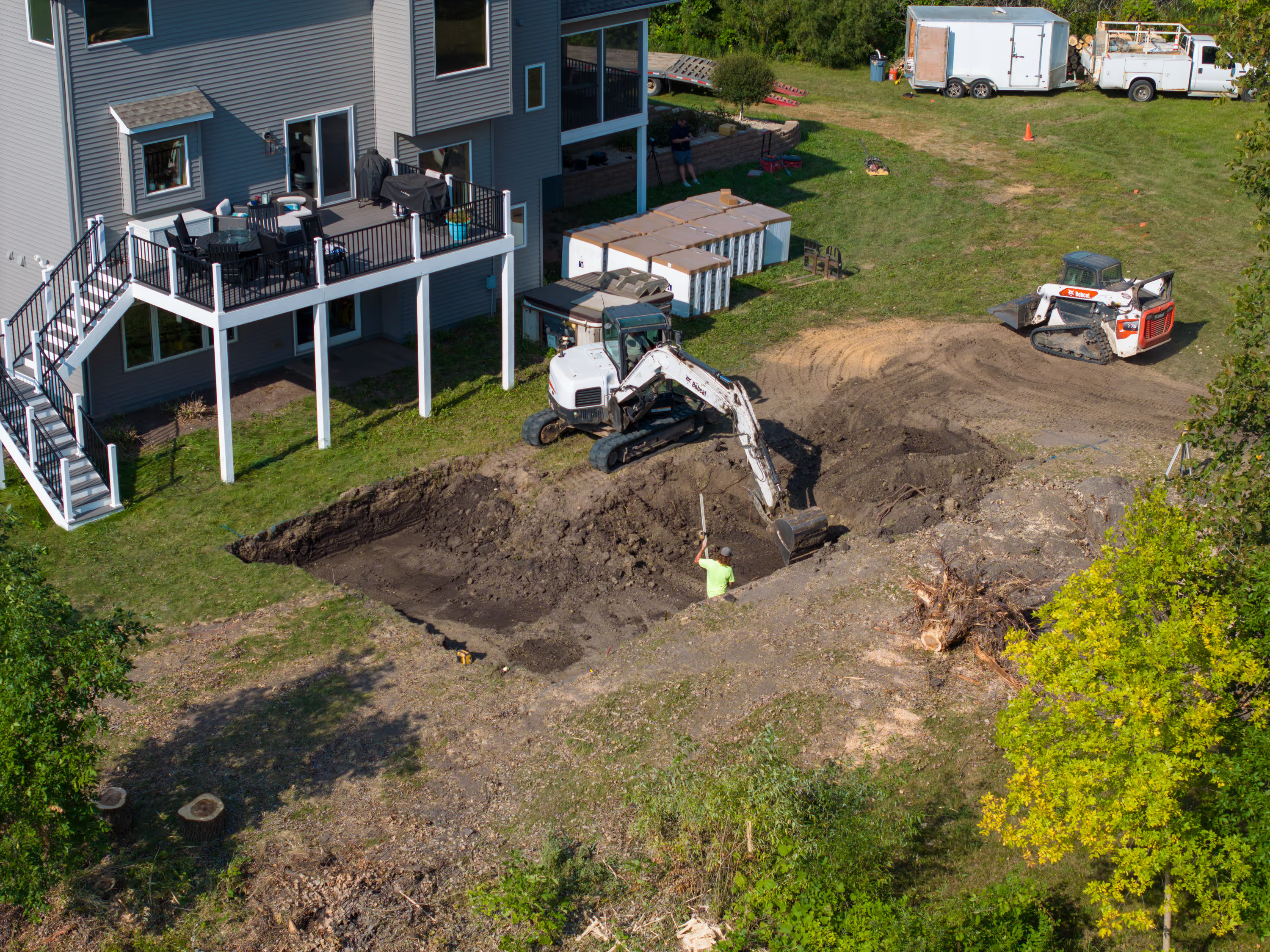
During pool installation, heavy equipment compacts soil around the pool area. This is especially true with ICF construction from Plan Pools, where thorough compaction is essential for long-lasting hardscape and pool structure stability.
Compacted soil lacks the air spaces, organic matter, and drainage that plants need. Before planting near your pool, address soil compaction:
Pool areas must drain away from the pool and surrounding hardscaping. Work with your landscape contractor to ensure:
Pool areas may have elevated pH from concrete dust and runoff. Test your soil before planting and adjust as needed. Most pool area plants prefer slightly acidic to neutral pH (6.0-7.0).
Proper mulch (2-3 inches of shredded hardwood or pine bark) provides multiple benefits:
Avoid stone or rubber mulch immediately adjacent to pools—these heat up excessively and reflect uncomfortable temperatures toward swimmers.
Even drought-tolerant plants need regular water during establishment (first 1-2 years). Once established, most recommended plants will survive on rainfall alone, though occasional supplemental water during drought improves appearance.
Consider drip irrigation for pool area plantings rather than overhead sprinklers. This keeps water off hardscaping (reducing slip hazards) and delivers water efficiently to root zones.
Pool area plants need more frequent deadheading and cleanup than typical garden plants because debris falling into the pool is frustrating. Choose plants with tidy habits and remove spent flowers before they drop.
Fall cleanup is particularly important—cut back perennials before leaves drop, and rake regularly to prevent debris from blowing into your covered pool.
At Plan Pools, we partner with premier landscape contractors throughout the Twin Cities metro area who understand both plant selection and pool construction requirements. When planning your poolscape:
Coordinate Timing: Hardscape work (pool, decking, retaining walls) should be substantially complete before planting to avoid damage to new plantings.
Integrate Design: Your landscape designer should see your pool plans early to create cohesive design that considers sightlines, traffic flow, equipment access, and mature plant sizes.
Protect Pool Construction: Reputable landscape contractors understand the importance of not disturbing compacted soil around pool structures or hardscaping.
Consider Phases: Many homeowners complete initial poolscape plantings in year one, then expand and refine in subsequent years as budget allows and as they see how they use their pool space.
Selecting the right plants for your Minnesota pool landscape isn't just about beauty—it's about choosing specimens that will thrive in the unique microclimate around your pool while withstanding our challenging winters and requiring minimal maintenance.
The plants recommended here have proven themselves across hundreds of Plan Pools installations throughout the Twin Cities metro area. They tolerate salt exposure, reflected heat, periodic drought, and Minnesota's temperature extremes—all while providing the beauty and privacy that transform a simple pool into a true backyard oasis.
Ready to start planning your complete backyard transformation? Contact Plan Pools today. We'll design your ICF pool and work with you to coordinate landscaping that complements your pool and creates the outdoor living space you've been dreaming of.
Because the best pools aren't just about the water—they're about creating complete outdoor environments where your family will make memories for decades to come. That's what we build at Plan Pools, from Lakeville to Maple Grove, Eden Prairie to Stillwater, throughout the entire Twin Cities metro area.