Can you have a salt water pool? Get the details here.
Are you searching for swimming pool contractors near Minneapolis who can build pools compatible with modern salt chlorination systems? If you want the benefits of salt water pool systems—softer water, lower maintenance, reduced chemical costs—you need to understand why fiberglass pools create compatibility concerns while ICF pools pair perfectly with salt systems.
At Plan Pools, we install Pentair salt chlorination systems on the majority of our ICF (Insulated Concrete Form) pools because the combination works beautifully. No gel coat degradation concerns, no warranty limitations, no chemical sensitivity issues. Just clean, soft, silky water with minimal maintenance effort.
This guide explains why salt systems and fiberglass gel coat have compatibility problems, how Minnesota's water chemistry amplifies these issues, and why ICF vinyl liner pools deliver superior salt system performance without compromise.
Salt chlorination systems have become the preferred choice for Minnesota pool owners who want lower maintenance, better water quality, and reduced long-term chemical costs.
Automatic chlorination: Salt cells convert pool salt to chlorine through electrolysis, maintaining proper sanitizer levels automatically. No more buying, storing, or handling chlorine pucks or liquid chlorine.
Softer, silkier water: Salt water pools feel dramatically better on skin, hair, and eyes. The water has a luxurious feel similar to expensive bottled water—without the harsh chemical sensations of traditionally chlorinated pools.
No red eyes or bleached swimsuits: Salt levels (3,000 ppm) are barely noticeable—less than human tears. There's no chlorine smell, no red irritated eyes, and swimsuits maintain their colors season after season.
Lower long-term costs: While salt systems cost $1,500-$2,500 upfront, they save $300-$500 annually in chemical costs. Over 20 years, that's $6,000-$10,000 in savings—far exceeding the initial investment.
Better for sensitive skin: Minnesota families with eczema, sensitive skin, or chemical sensitivities appreciate salt water's gentler nature. Kids and adults with skin issues swim comfortably without irritation.
Simplified maintenance: Test pH and alkalinity weekly, add salt once or twice per season, and clean the salt cell 1-2 times yearly. That's dramatically less work than traditional chlorine systems requiring frequent testing and chemical additions.
Minneapolis area pool owners report:
The trend is clear: Salt chlorination has become the standard for quality Minnesota pool installations. The question isn't WHETHER to install a salt system—it's WHICH pool construction type works best with salt chlorination.
Fiberglass manufacturers have a complex relationship with salt chlorination systems. While they'll sell you salt systems, warranty fine print and maintenance requirements reveal underlying concerns about gel coat compatibility.
Gel coat is polyester resin with pigments creating the colored surface. This material was developed decades ago for pools chlorinated with traditional methods—not salt systems generating chlorine continuously at electrode surfaces.
Salt water accelerates gel coat deterioration through several mechanisms:
Osmotic stress: Salt water creates osmotic pressure that can penetrate compromised gel coat, pulling water into fiberglass layers beneath. This causes blistering and delamination requiring expensive repairs.
pH drift: Salt chlorinators tend to raise pH over time, requiring frequent adjustment. High pH conditions (above 7.8) promote calcium scaling on gel coat and accelerate surface degradation.
Calcium scaling: Minnesota's hard water combined with salt chlorination creates ideal conditions for calcium carbonate scaling. These deposits bond aggressively to gel coat, requiring acid washing that further damages the surface.
Enhanced porosity: As gel coat becomes porous with age, salt water penetrates more readily than fresh water, accelerating deterioration of both gel coat and underlying fiberglass.
Read fiberglass pool warranties carefully regarding salt chlorination:
Common warranty limitations:
The message is clear: Manufacturers know salt systems stress gel coat, so they limit warranty coverage and impose strict maintenance requirements. If anything goes wrong, they'll point to "improper maintenance" to deny claims.
Minneapolis fiberglass owner experience: "We installed a salt system on our fiberglass pool despite dealer warnings about 'proper maintenance.' Three years later, we have calcium scaling that won't come off without aggressive acid treatment. The dealer says acid washing will void our gel coat warranty. We're stuck between living with ugly scaling or voiding our warranty to remove it."
Salt systems in hard water areas (most of Minnesota) create staining challenges:
Calcium deposits form preferentially on rough or porous surfaces. As gel coat ages and becomes rough, calcium staining accelerates. Salt systems accelerate this progression.
Metal staining can occur if trace metals in pool water (iron, copper, manganese) combine with chlorine from salt cells. These stains bond to gel coat surfaces and resist normal removal methods.
Organic staining from algae or environmental debris bonds more aggressively to rough gel coat than smooth vinyl liners. Salt system operation doesn't prevent these stains—it may enhance them on compromised surfaces.
Removal is problematic: Stain removal requires aggressive treatments (acid washing, harsh chemicals, abrasive scrubbing) that accelerate gel coat deterioration. You remove stains but damage the surface that will stain more readily going forward.
ICF pools with vinyl liners pair perfectly with salt chlorination systems without compatibility concerns, warranty limitations, or chemical sensitivity issues.
Vinyl is chemically inert to salt chlorination. Salt water doesn't degrade, roughen, or damage vinyl liner materials. The liner provides a smooth, non-porous barrier that resists staining and scaling far better than gel coat.
No osmotic stress concerns: Vinyl liners don't have porosity issues like gel coat. Water can't penetrate the liner to cause underlying damage.
Stains don't bond permanently: Any staining that occurs on vinyl liners is temporary and disappears when liners are eventually replaced as routine maintenance. With gel coat, stains become permanent problems requiring expensive remediation.
pH tolerance is greater: Vinyl liners tolerate wider pH ranges (7.0-7.8) without damage. This gives more latitude for pH drift from salt systems without risking material damage.
Replacement eliminates any issues: If anything somehow damaged a vinyl liner from salt system operation (rare), liner replacement for $4,500-$6,000 provides a completely new surface. Gel coat damage requires $10,000-$15,000 refinishing that doesn't even provide new material.
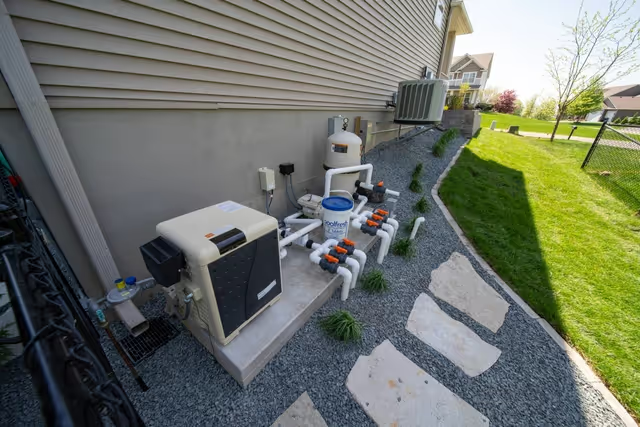
We install Pentair salt chlorination systems as standard equipment on most ICF pools because the combination works perfectly:
System specifications:
Installation benefits:
Long-term performance:
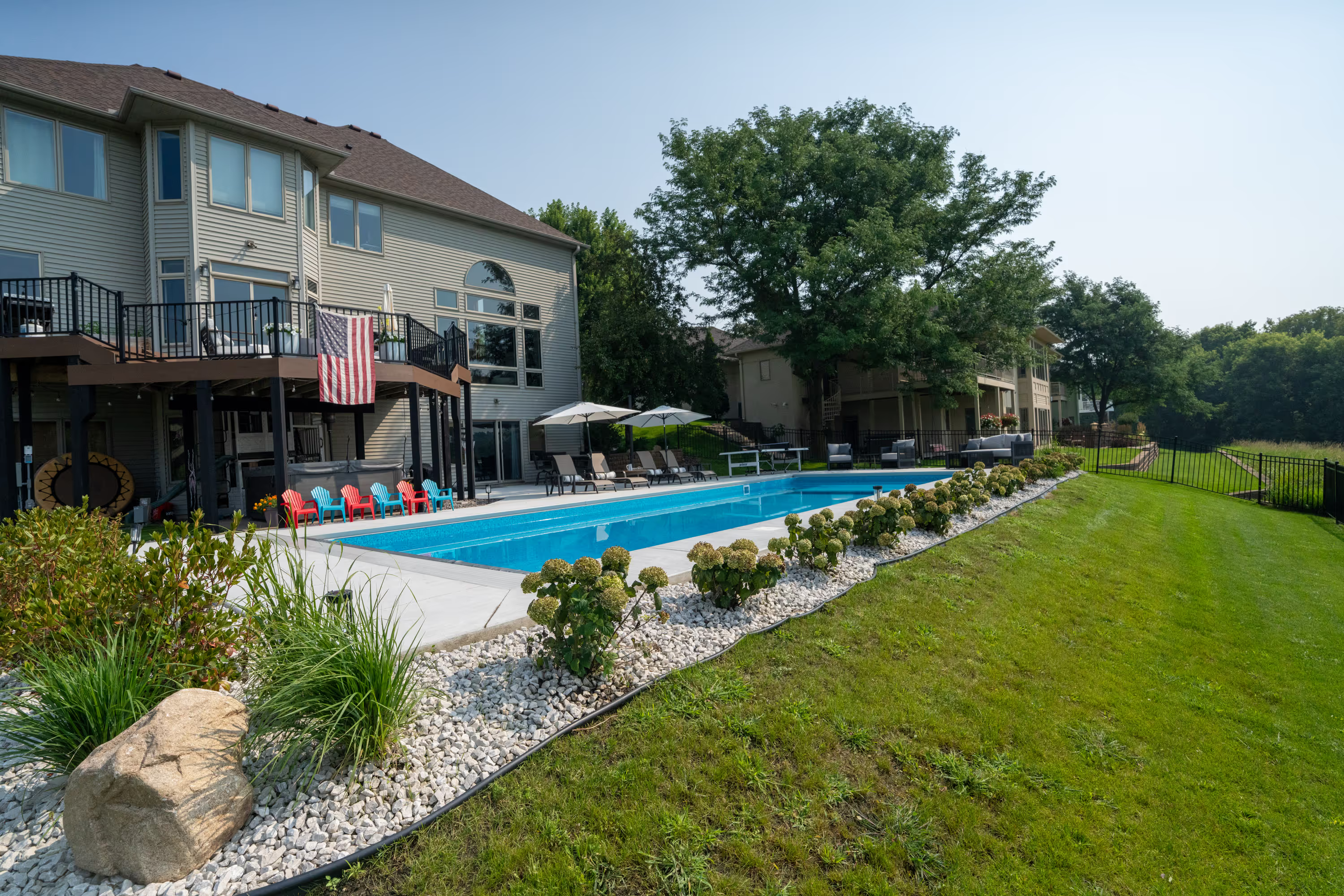
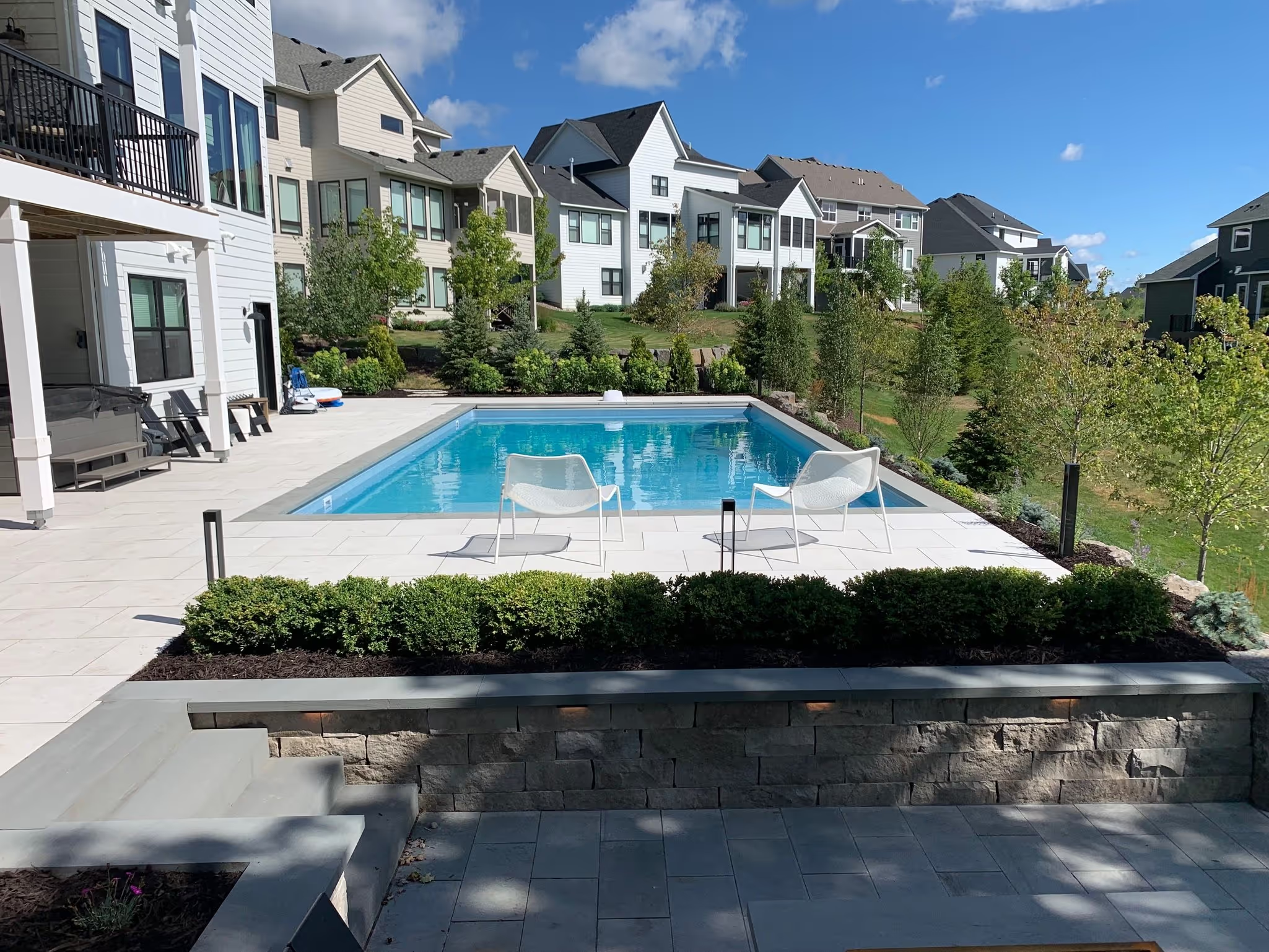
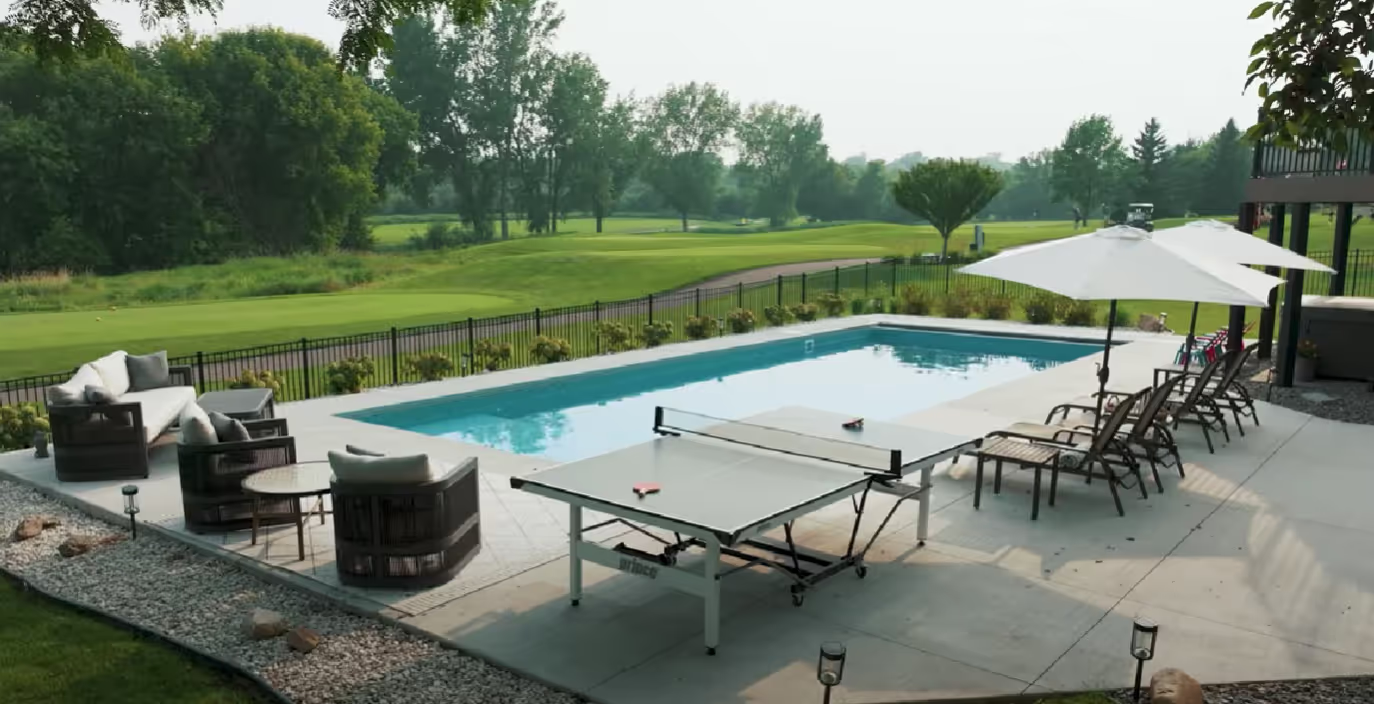
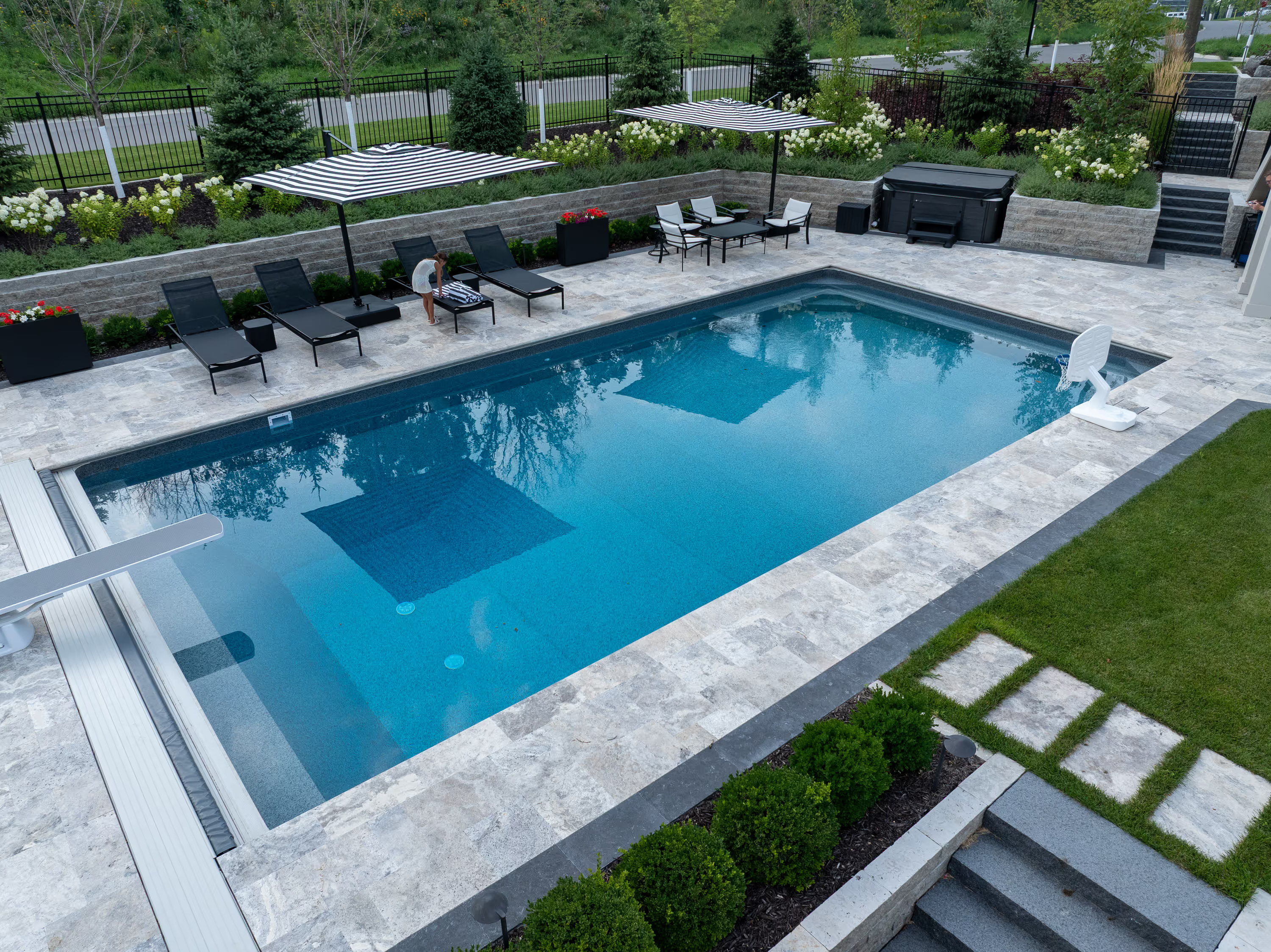
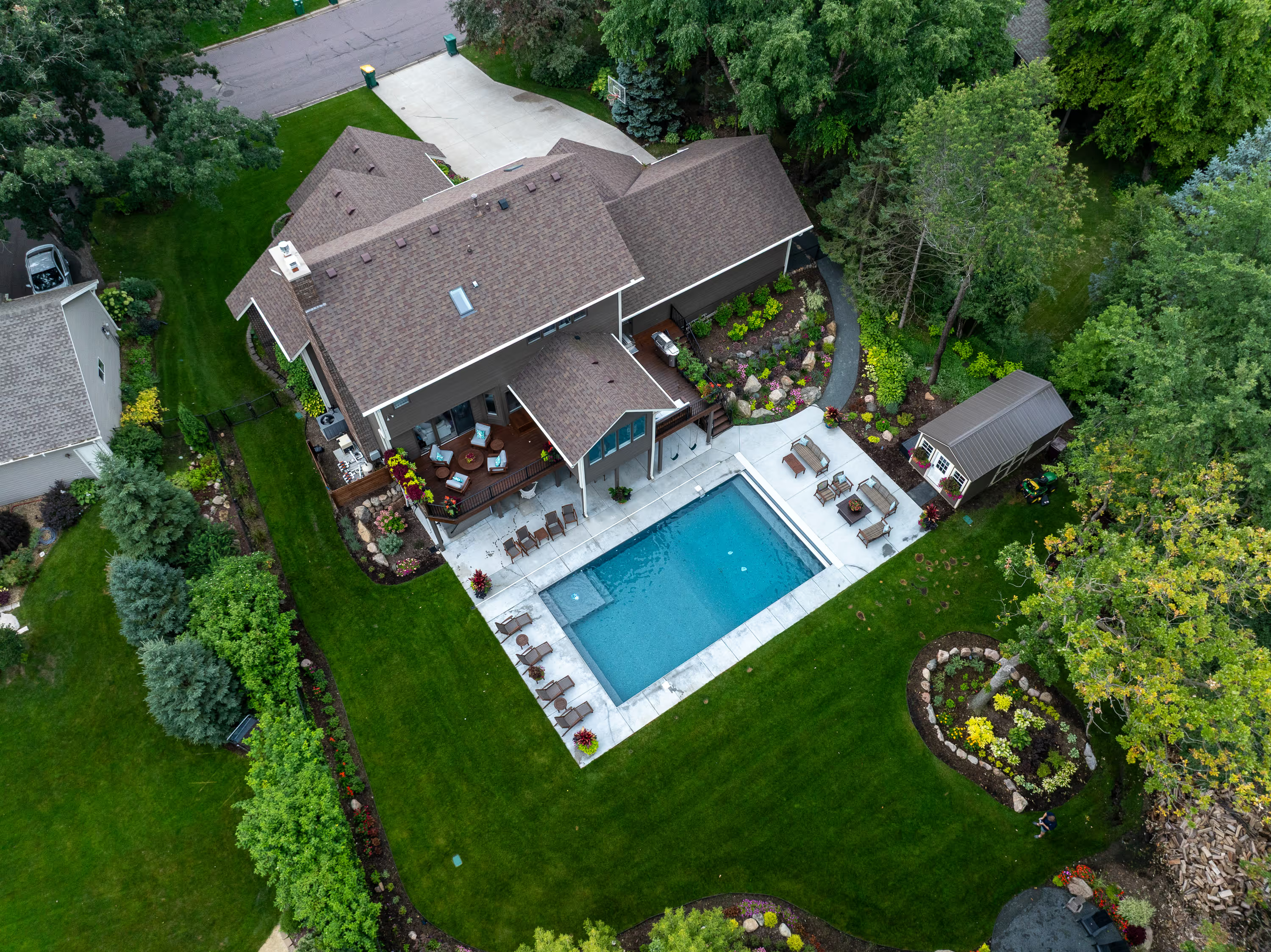
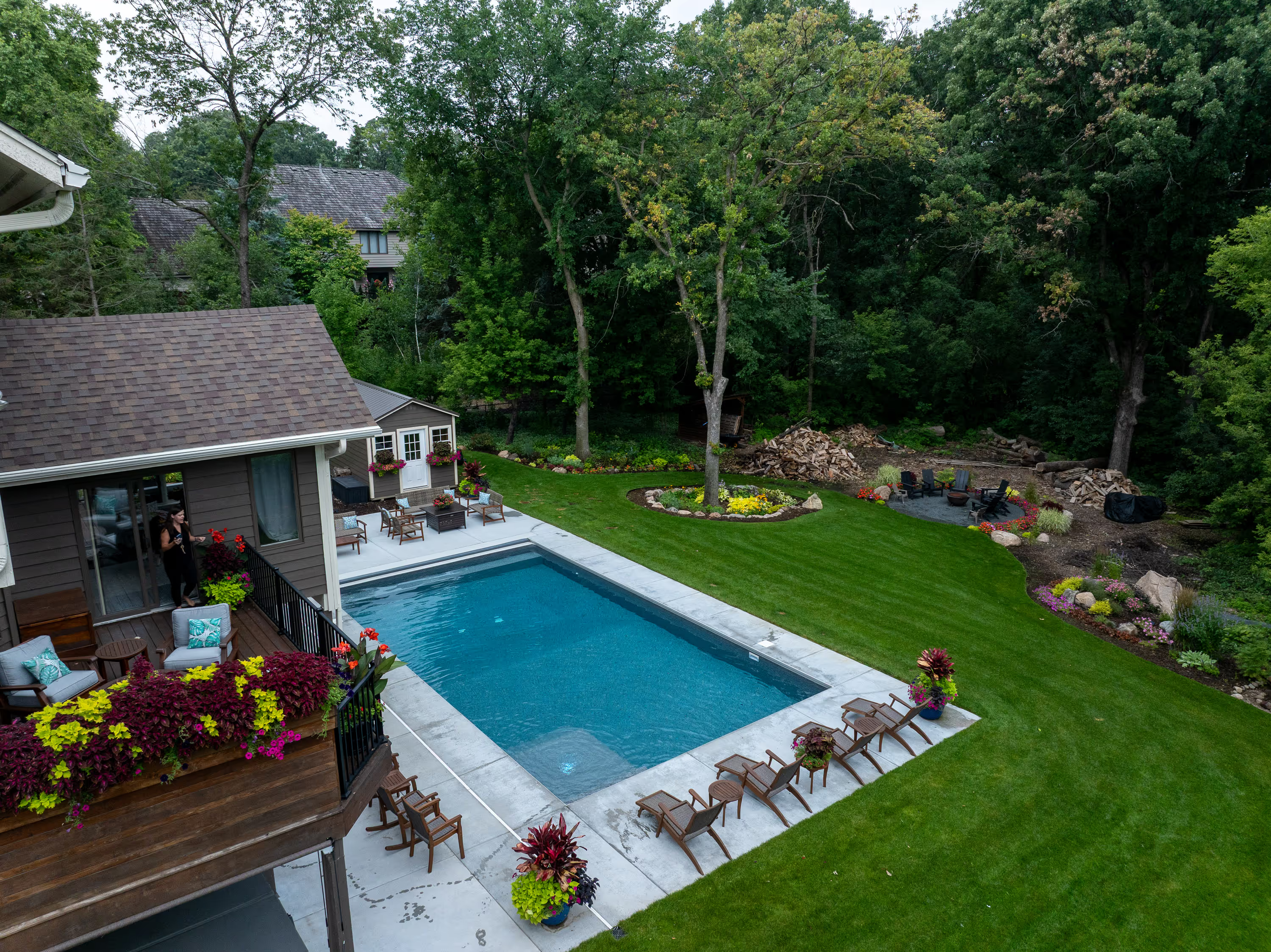
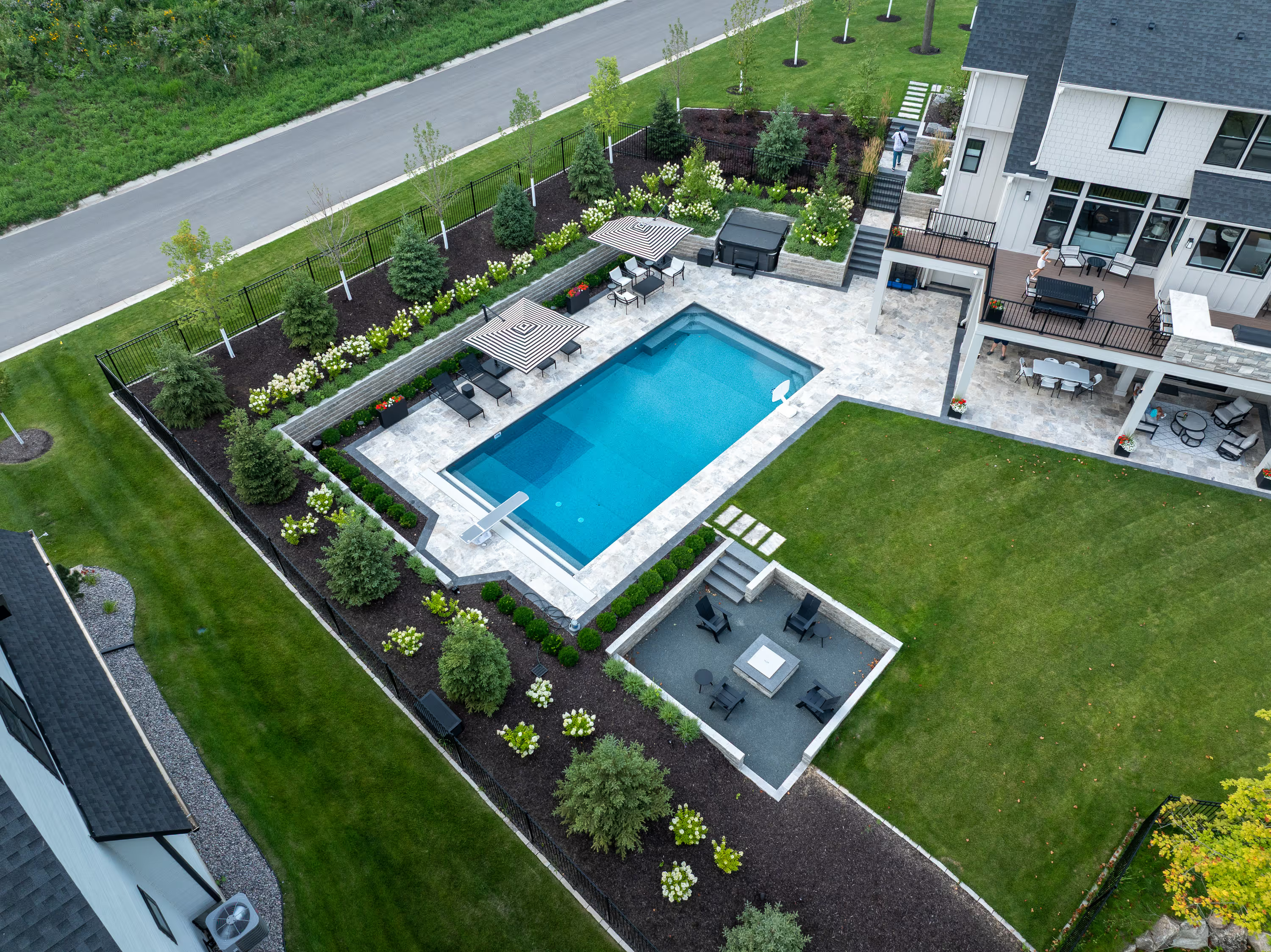
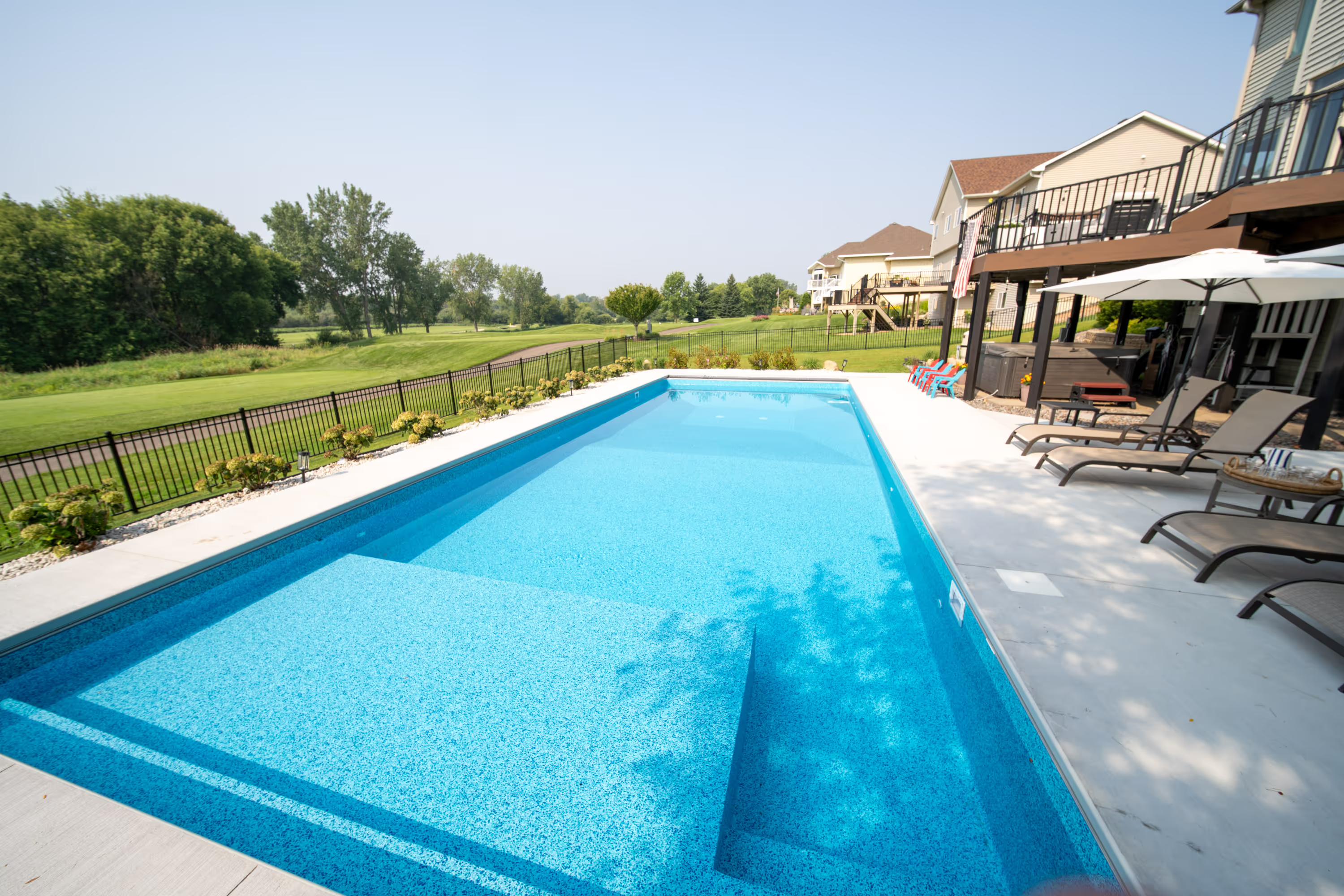
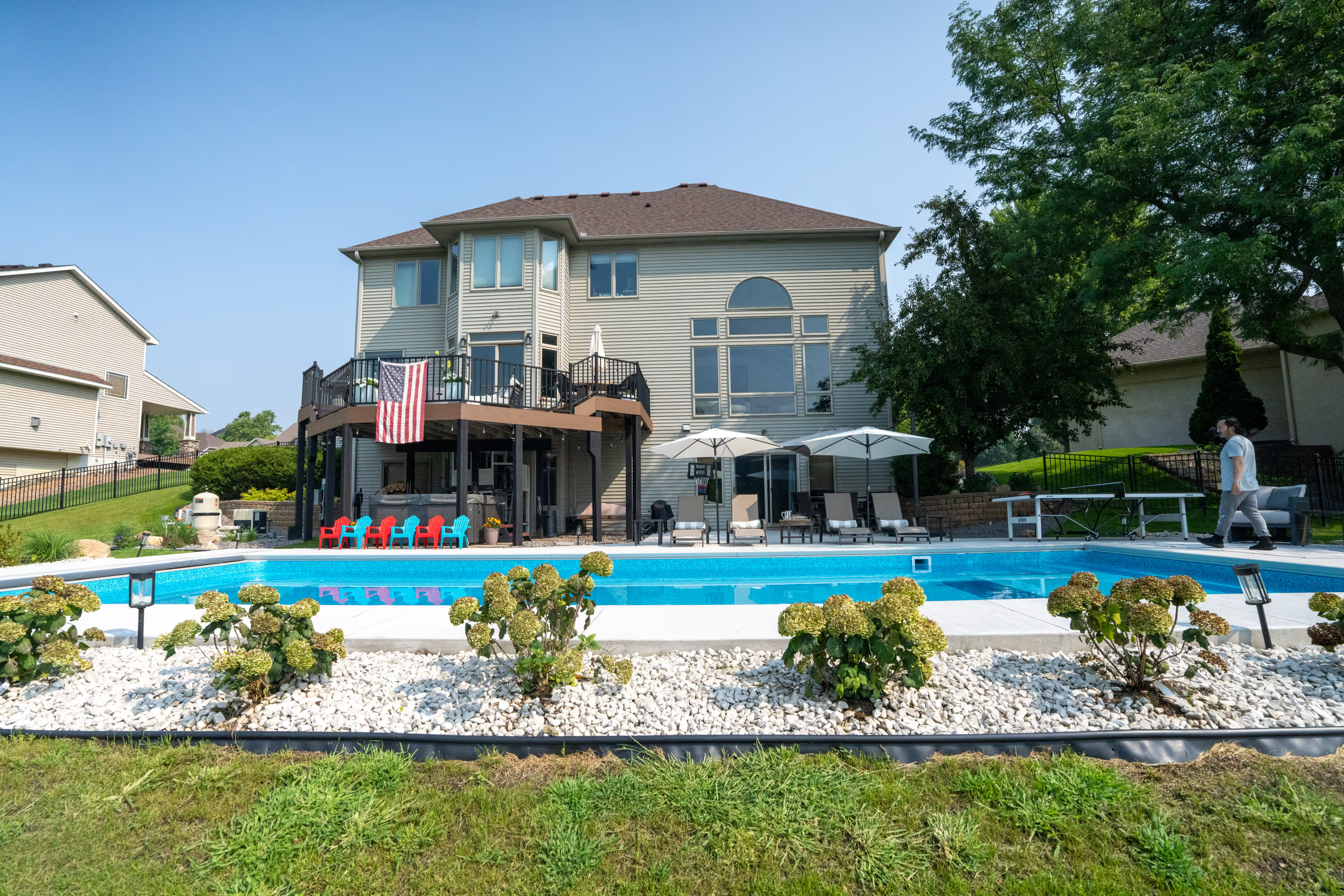
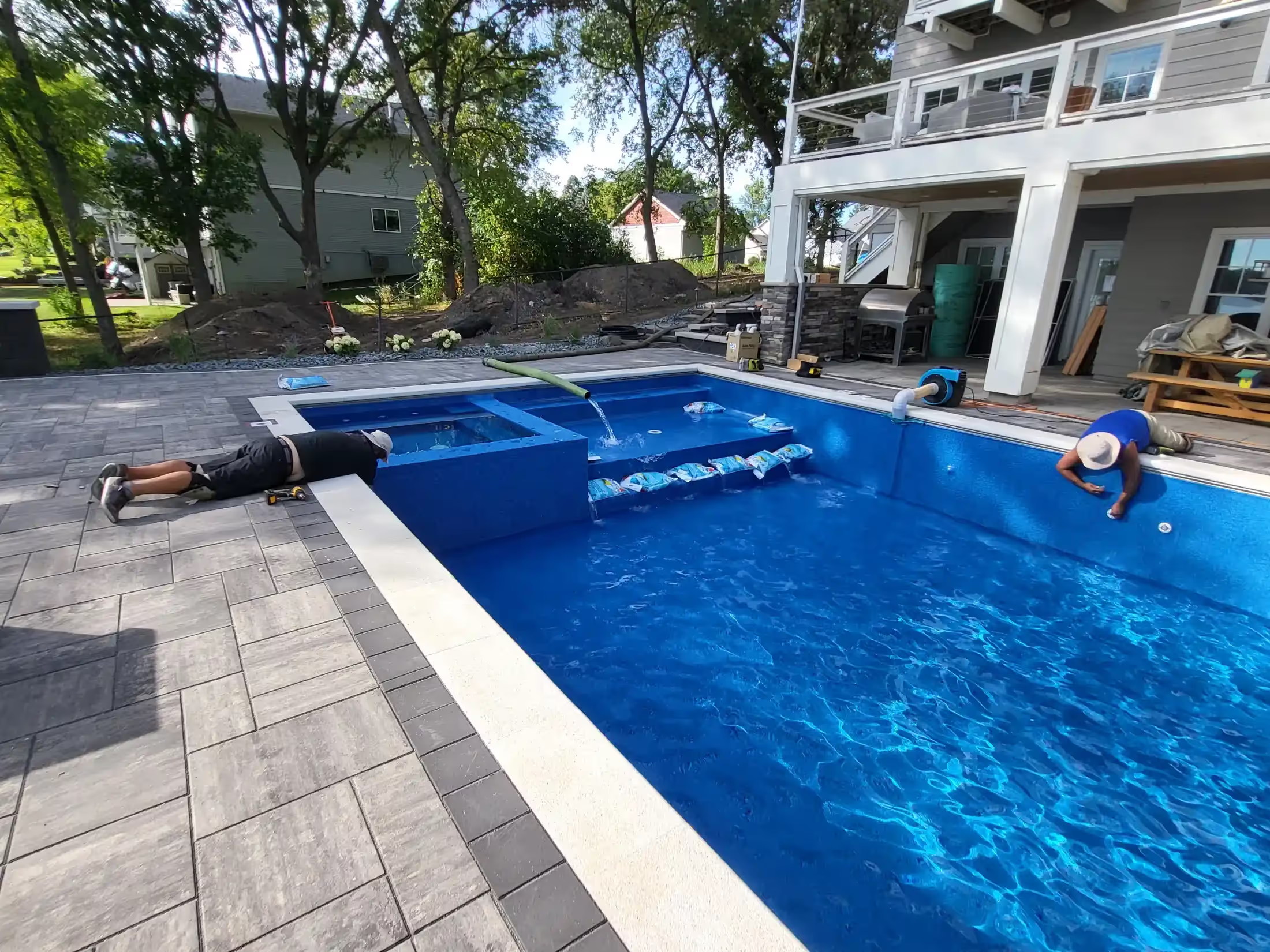
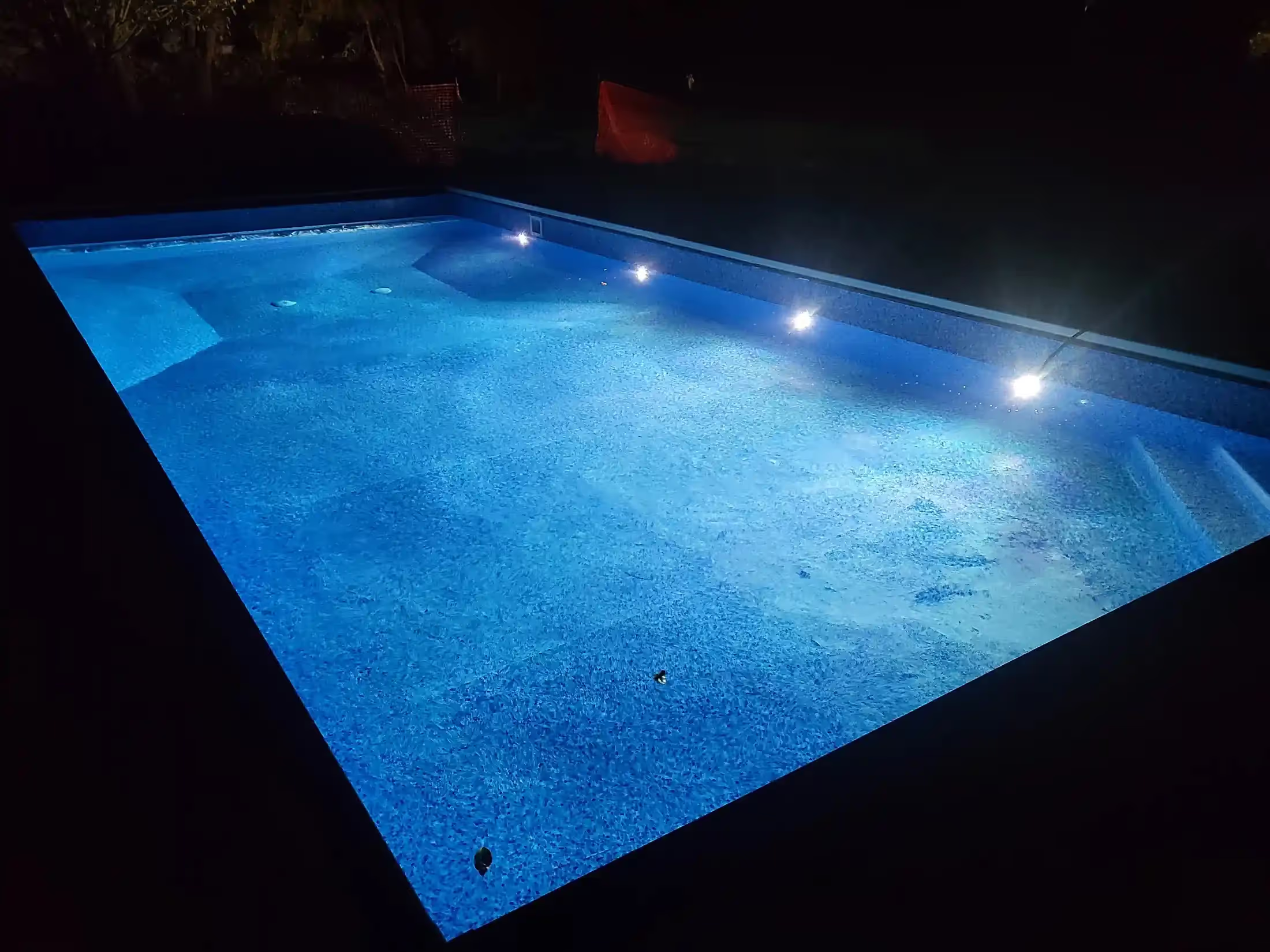
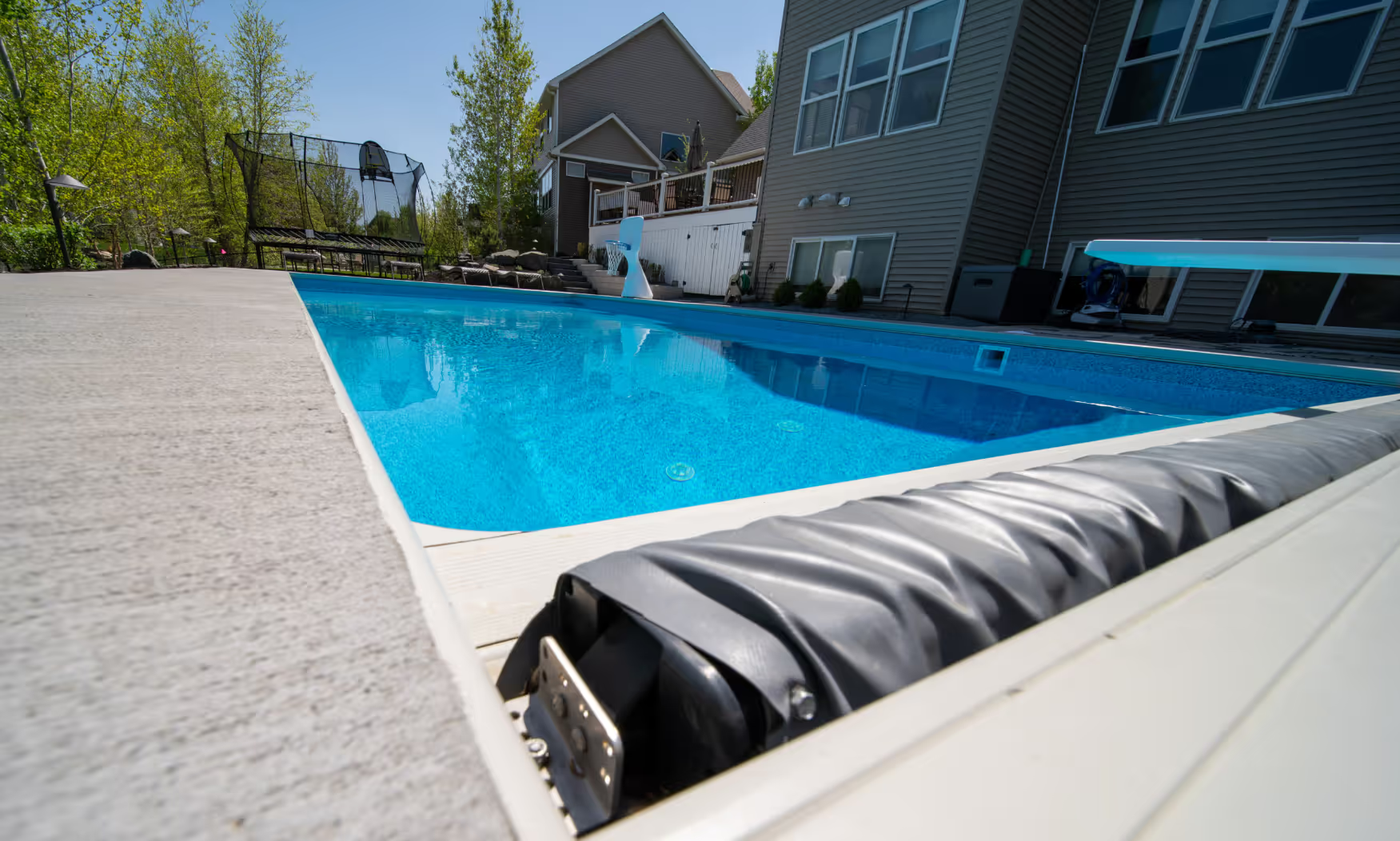
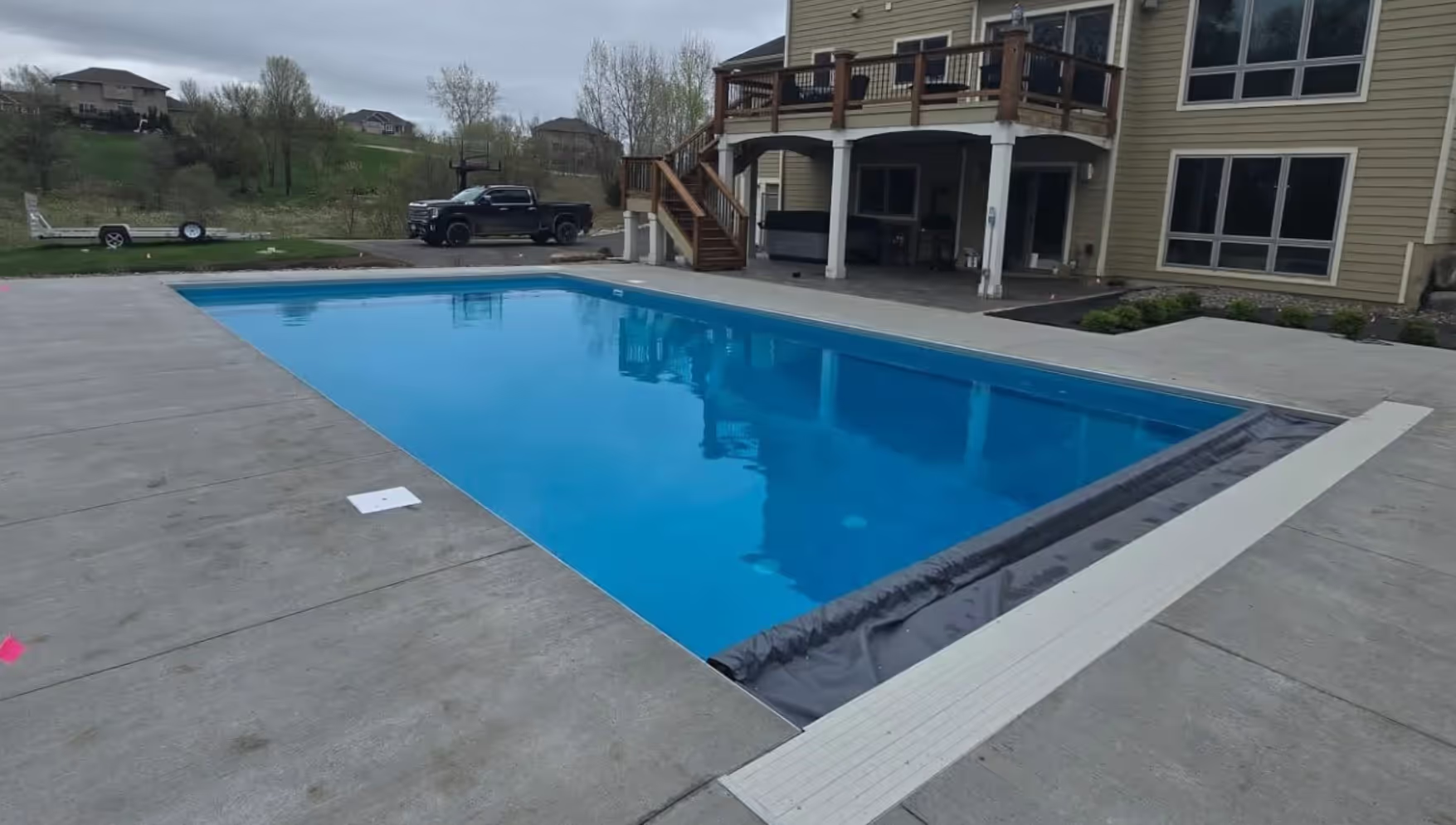
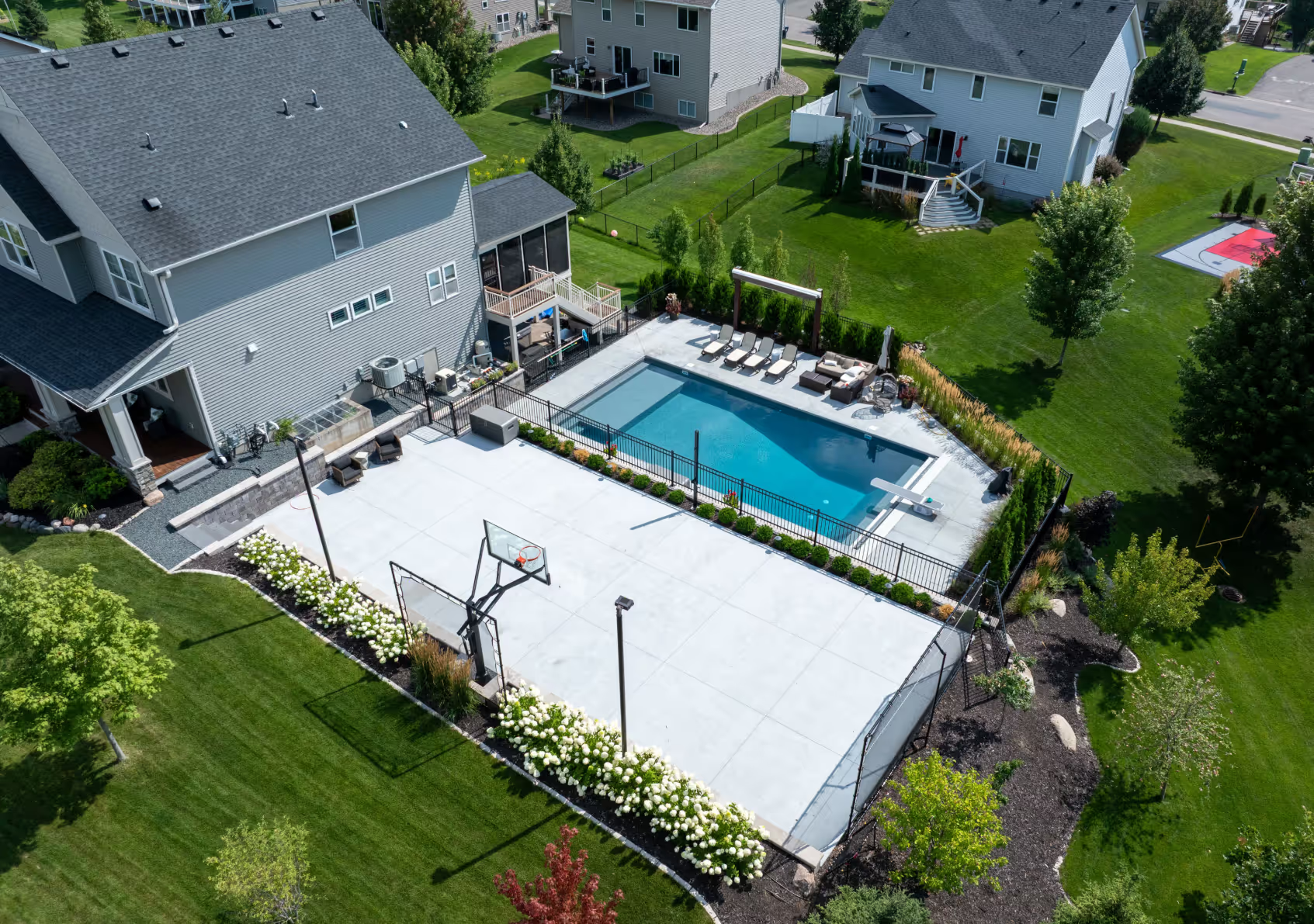
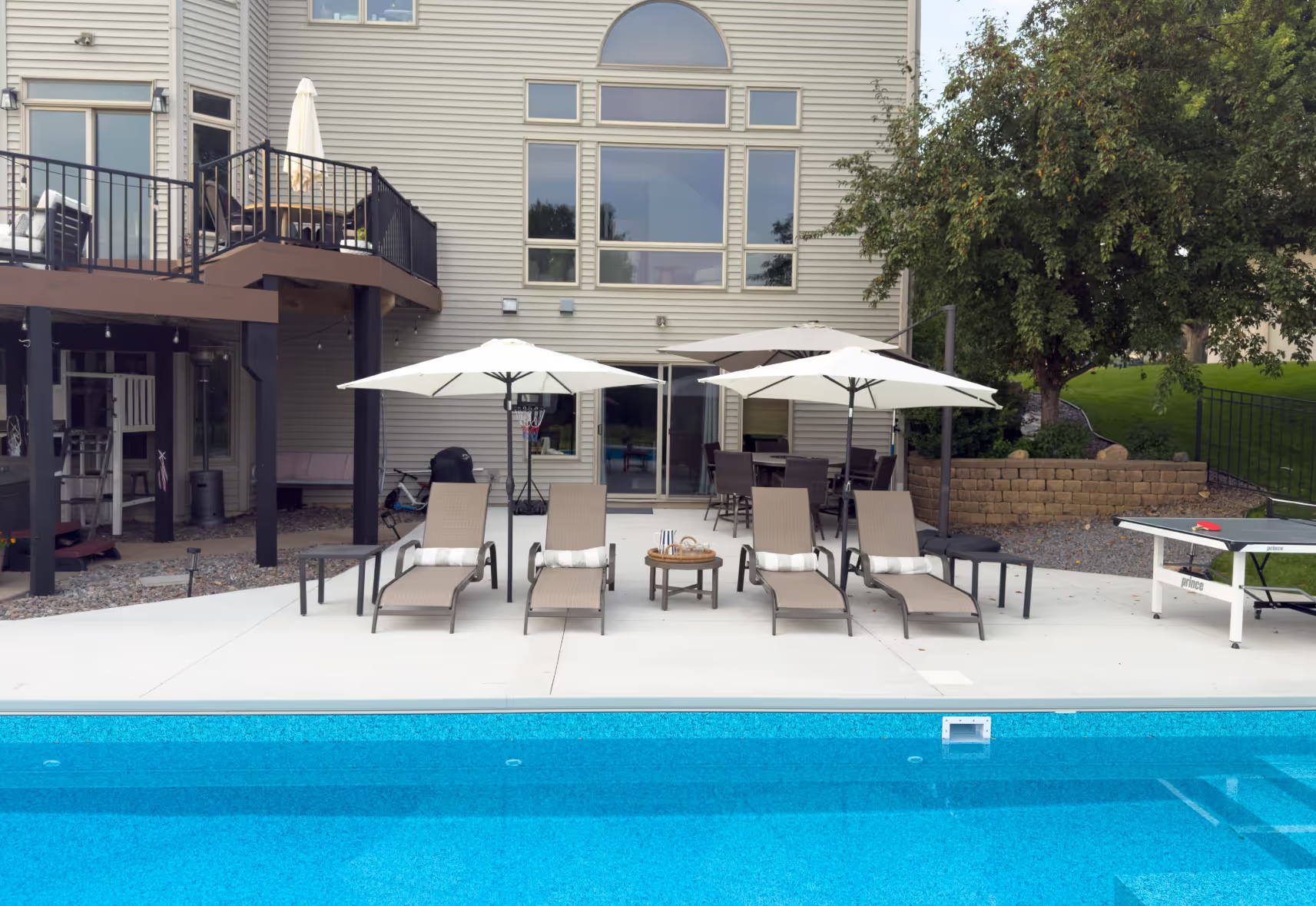
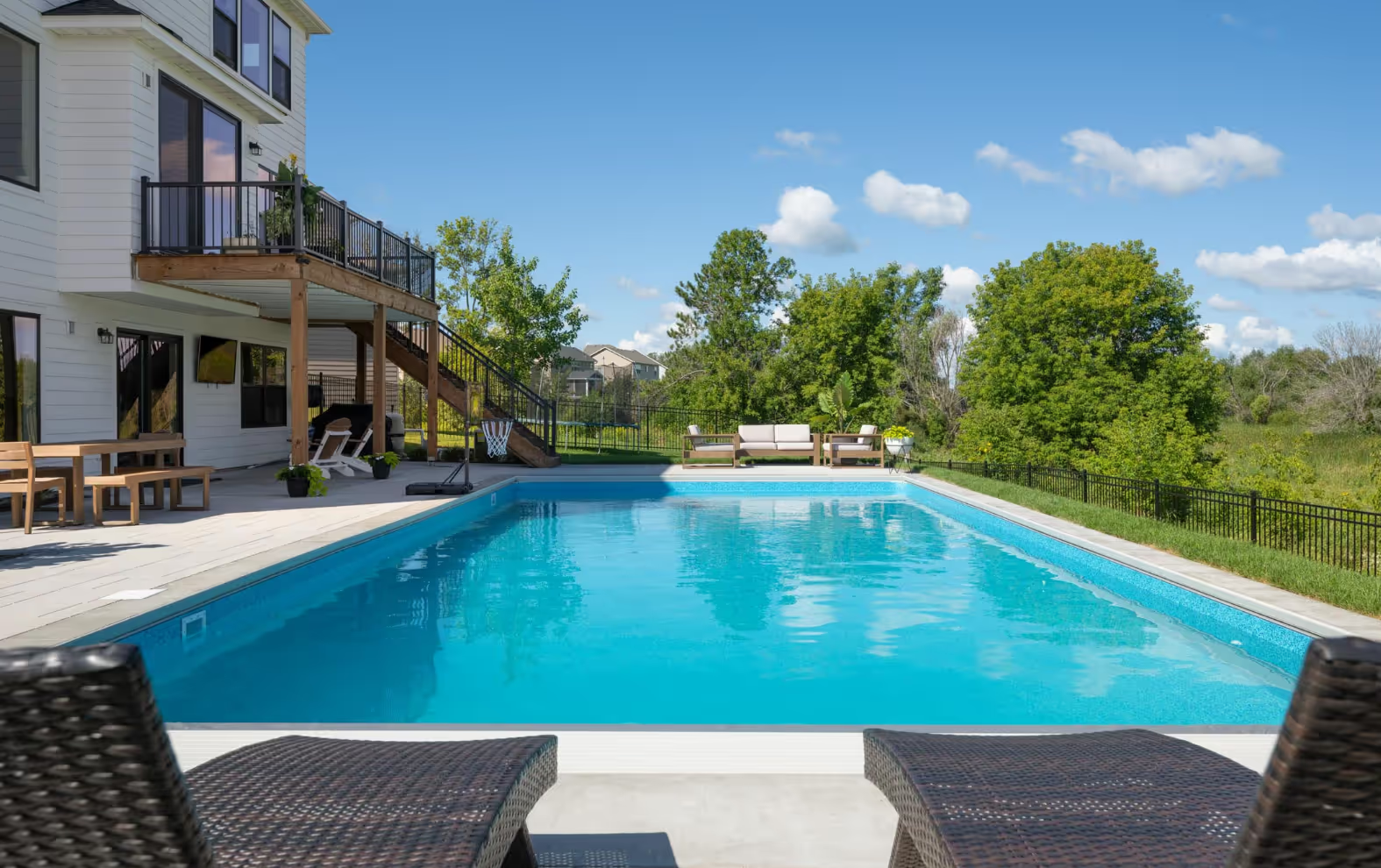
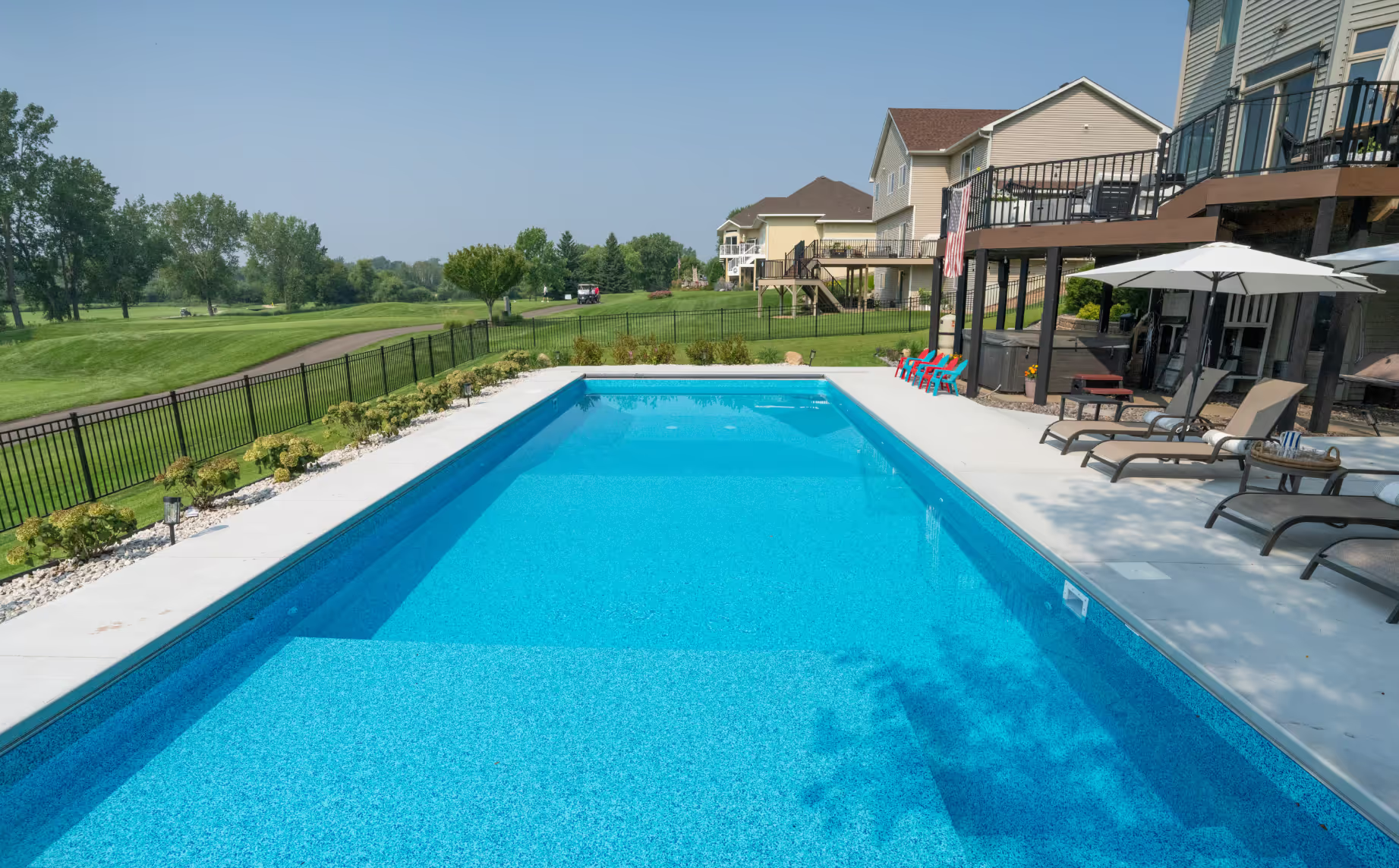
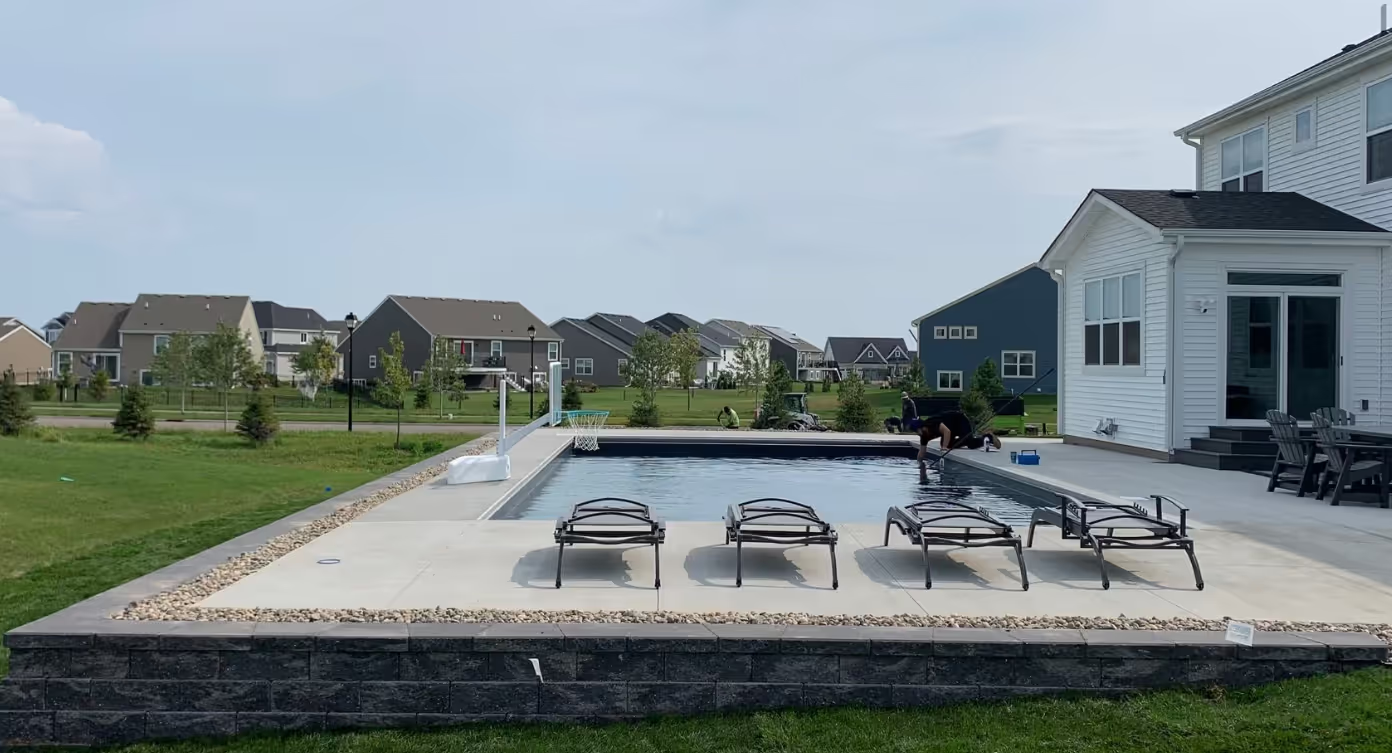
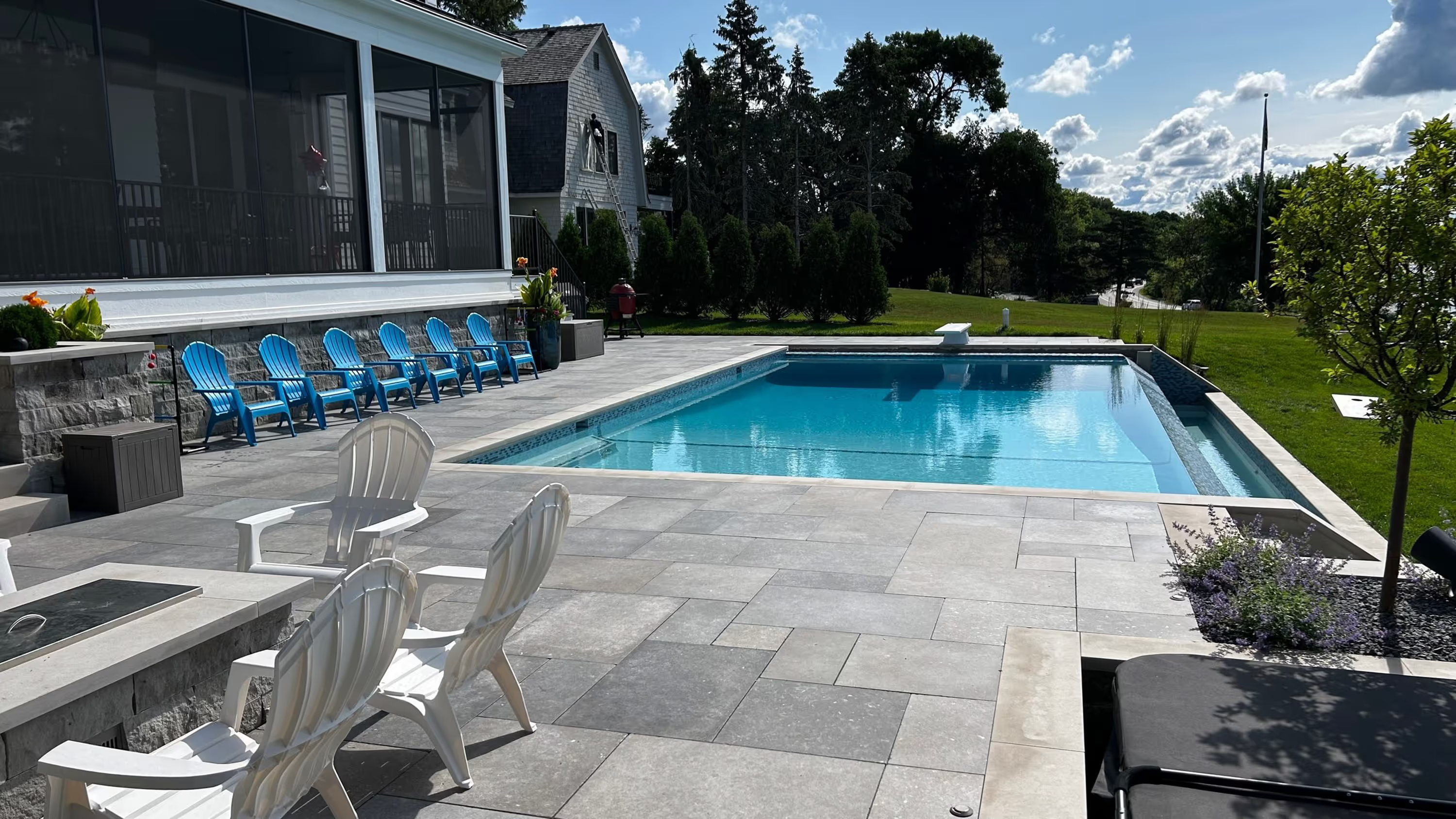
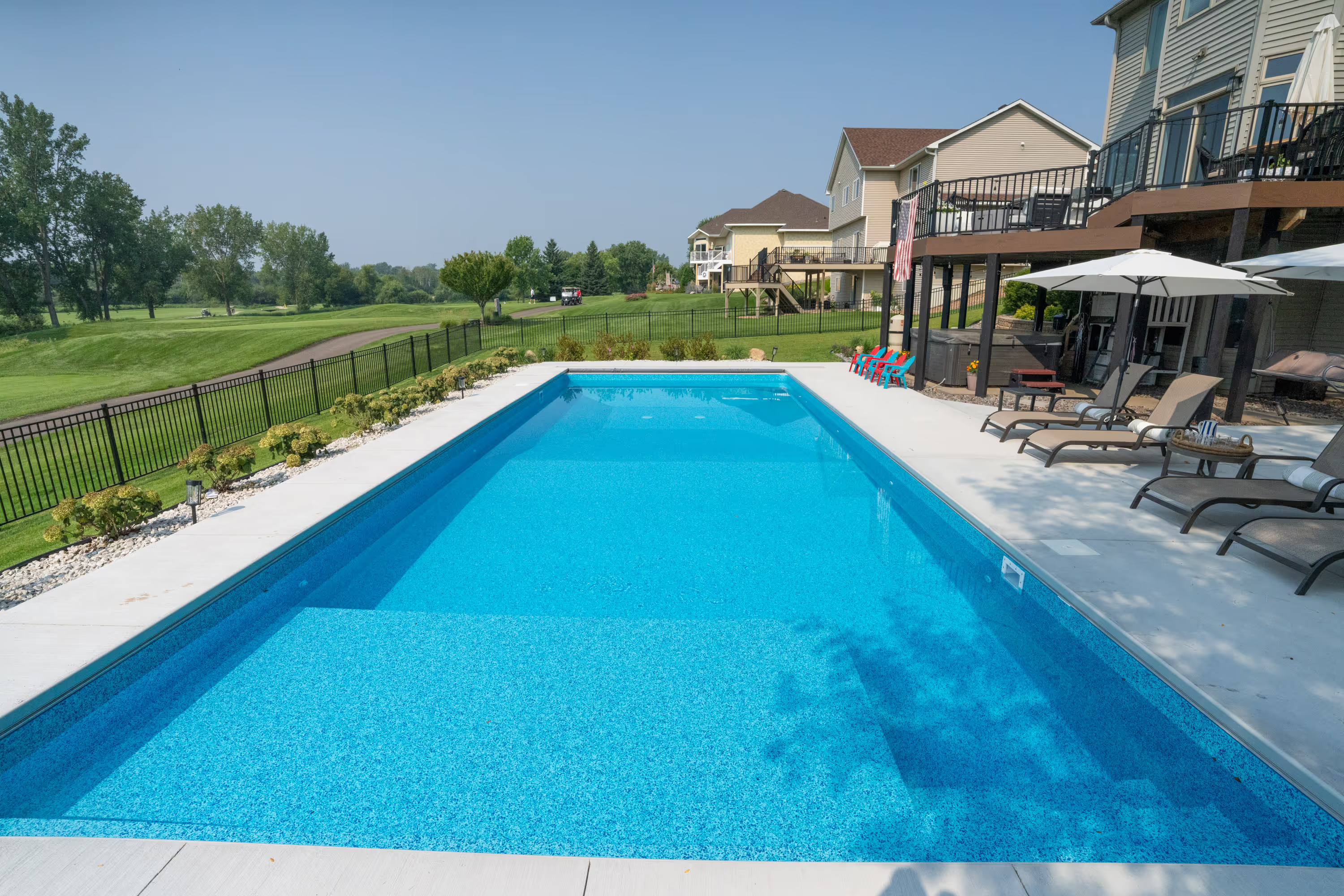
ICF pool with salt system (Plan Pools customer):
Fiberglass pool with salt system (competitor installation):
The difference is dramatic: ICF pools deliver the salt system benefits Minneapolis families want—soft water, low maintenance, minimal costs—without the complications and concerns that plague fiberglass installations.
Minnesota's water characteristics create specific challenges that make fiberglass-salt combinations even more problematic while highlighting ICF's advantages.
Minneapolis-St. Paul water hardness:
This matters because: Hard water combined with salt chlorination creates ideal conditions for calcium scaling on pool surfaces. Gel coat's rough, porous surface (as it ages) provides perfect nucleation sites for scale formation.
ICF vinyl liner pools resist scaling because smooth vinyl provides fewer nucleation sites and any scale that forms can be brushed off easily during routine cleaning.
Salt cells raise pH through the electrolysis process. In Minnesota's hard water, this pH increase promotes calcium precipitation and scaling.
Fiberglass gel coat requires tight pH control (7.2-7.6 ideal) to prevent both etching (low pH) and scaling (high pH). This narrow acceptable range creates constant maintenance burden.
Vinyl liners tolerate wider pH ranges (7.0-7.8) comfortably, giving Minneapolis families more latitude and reducing maintenance frequency.
Minnesota's temperature extremes (summer highs to winter lows) stress pool surfaces. Gel coat experiences expansion/contraction that creates micro-cracking, which salt water then penetrates.
Vinyl liners handle temperature cycling better due to flexibility. ICF structure provides thermal mass stabilizing temperatures. The combination delivers superior performance in Minnesota's challenging climate.
One of salt chlorination's primary benefits is reduced maintenance. But fiberglass gel coat's sensitivity to salt undermines this advantage. ICF vinyl liner pools deliver the low-maintenance experience salt systems promise.
Weekly requirements:
Monthly requirements:
Annual requirements:
Total maintenance burden: High, undermining salt system's low-maintenance promise.
Weekly requirements:
Monthly requirements:
Annual requirements:
Total maintenance burden: Minimal, delivering the low-maintenance experience salt systems promise.
Minneapolis family comparison:
Fiberglass pool owner: "We chose salt specifically to reduce maintenance. But the gel coat sensitivity means we're constantly monitoring and adjusting chemistry to prevent scaling and staining. We spend MORE time on pool maintenance than friends with traditional chlorine systems. The salt system benefits are largely negated by gel coat problems."
ICF pool owner (Plan Pools customer): "Our salt system is everything we hoped for. Test pH weekly, add a little acid if needed, and that's about it. The water stays crystal clear, feels amazing, and requires minimal attention. We spend 15 minutes weekly on pool care—the rest of our time is swimming and enjoying our investment."
Salt chlorination affects more than just pool surfaces—it impacts equipment, plumbing, and fixtures. Pool construction type influences how well these components hold up.
Salt is corrosive to certain metals. Pool equipment, ladders, rails, light fixtures, and plumbing fittings contain metals that salt can corrode if not properly specified.
Fiberglass pools often use lower-grade metals:
Plan Pools specifies salt-compatible materials:
Proper installation matters for salt system longevity:
Salt cell positioning: Should be after heater, after other equipment, in final plumbing before return to pool. This prevents salt exposure to sensitive equipment.
Bonding and grounding: Proper electrical bonding prevents galvanic corrosion that salt water accelerates.
Equipment selection: Plan Pools chooses equipment proven to work well with salt systems in Minnesota's climate.
Quality installation protects your salt system investment and ensures 10-15 years of trouble-free service.
Minneapolis-area families who want salt chlorination systems should choose pool construction that maximizes salt system benefits without introducing compatibility problems:
Perfect compatibility: Vinyl liners work flawlessly with salt chlorination
No warranty concerns: Full warranties without salt-related exclusions
Minimal maintenance: Deliver the low-maintenance promise salt systems offer
Lower costs: Reduced chemical usage without offsetting surface care expenses
Better longevity: Liner replacement includes new surface; gel coat requires expensive refinishing
Superior water quality: Smooth vinyl provides better surface for salt system operation
Plan Pools installs salt chlorination systems on ICF pools throughout Minneapolis, St. Paul, and the Twin Cities metro. We'd be honored to show you why this combination works so well.
Contact Plan Pools today at 952-994-6032 to learn about salt systems and ICF construction. Explore our projects and read customer reviews about salt system performance.
Plan Pools serves Minneapolis, St. Paul, and the entire Twin Cities metro area. We're Minnesota's salt water pool specialists, pairing Pentair salt systems with ICF construction for superior performance.