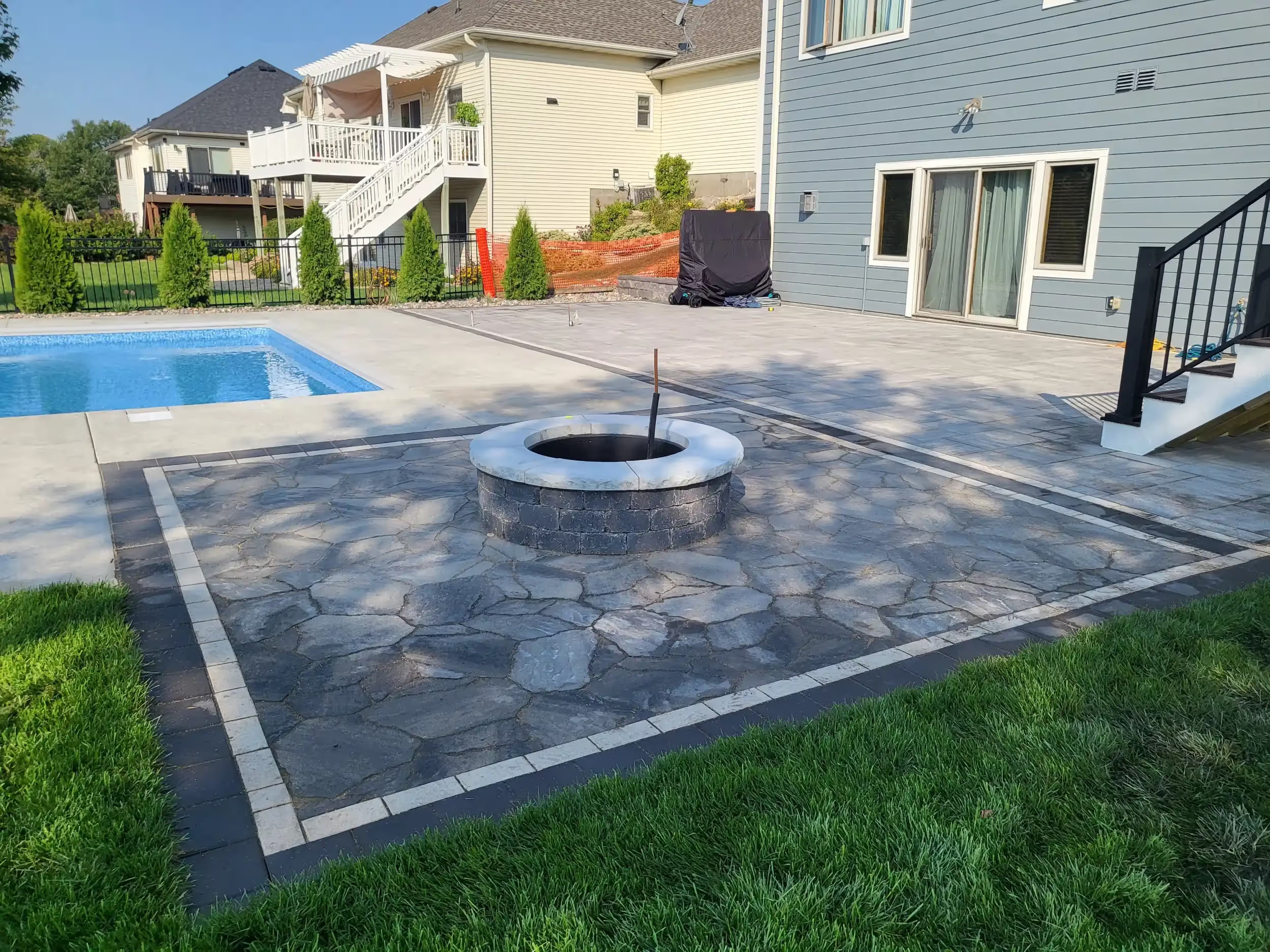
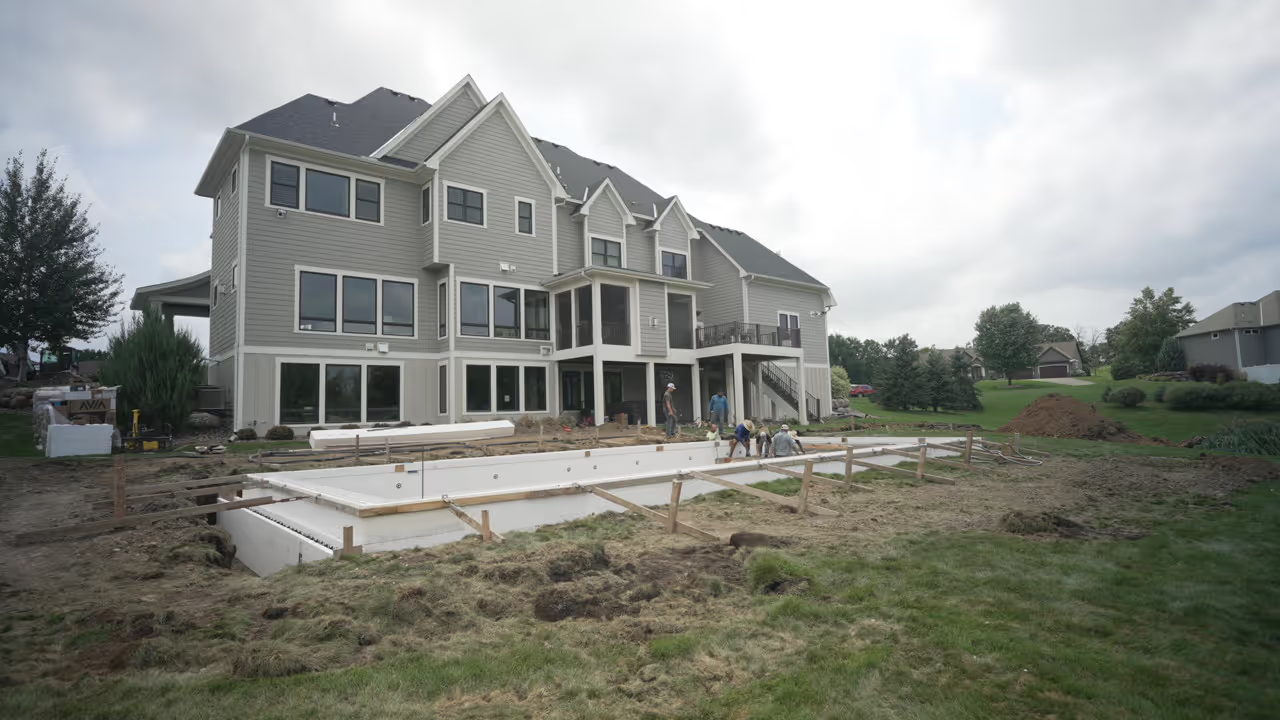
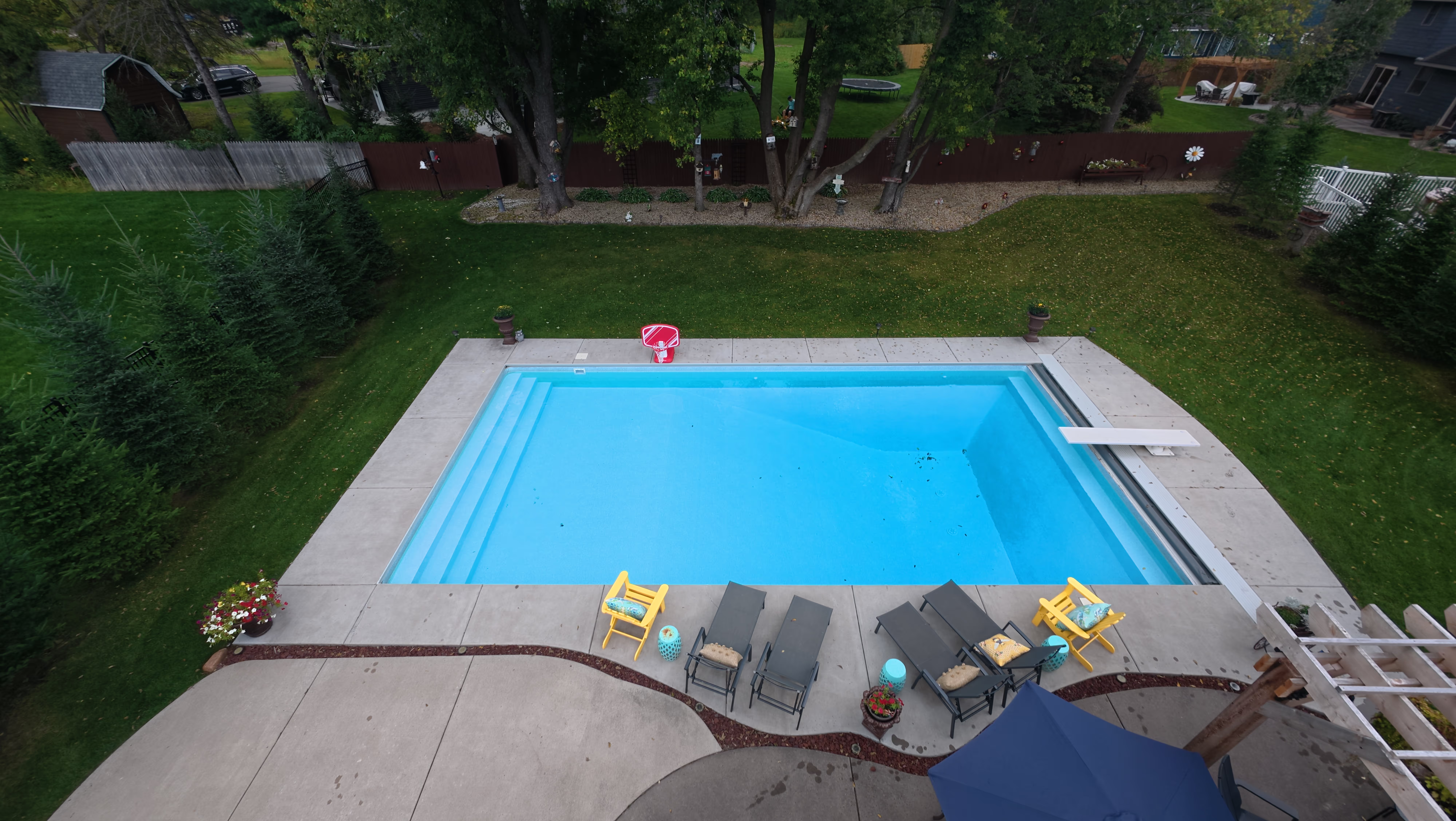
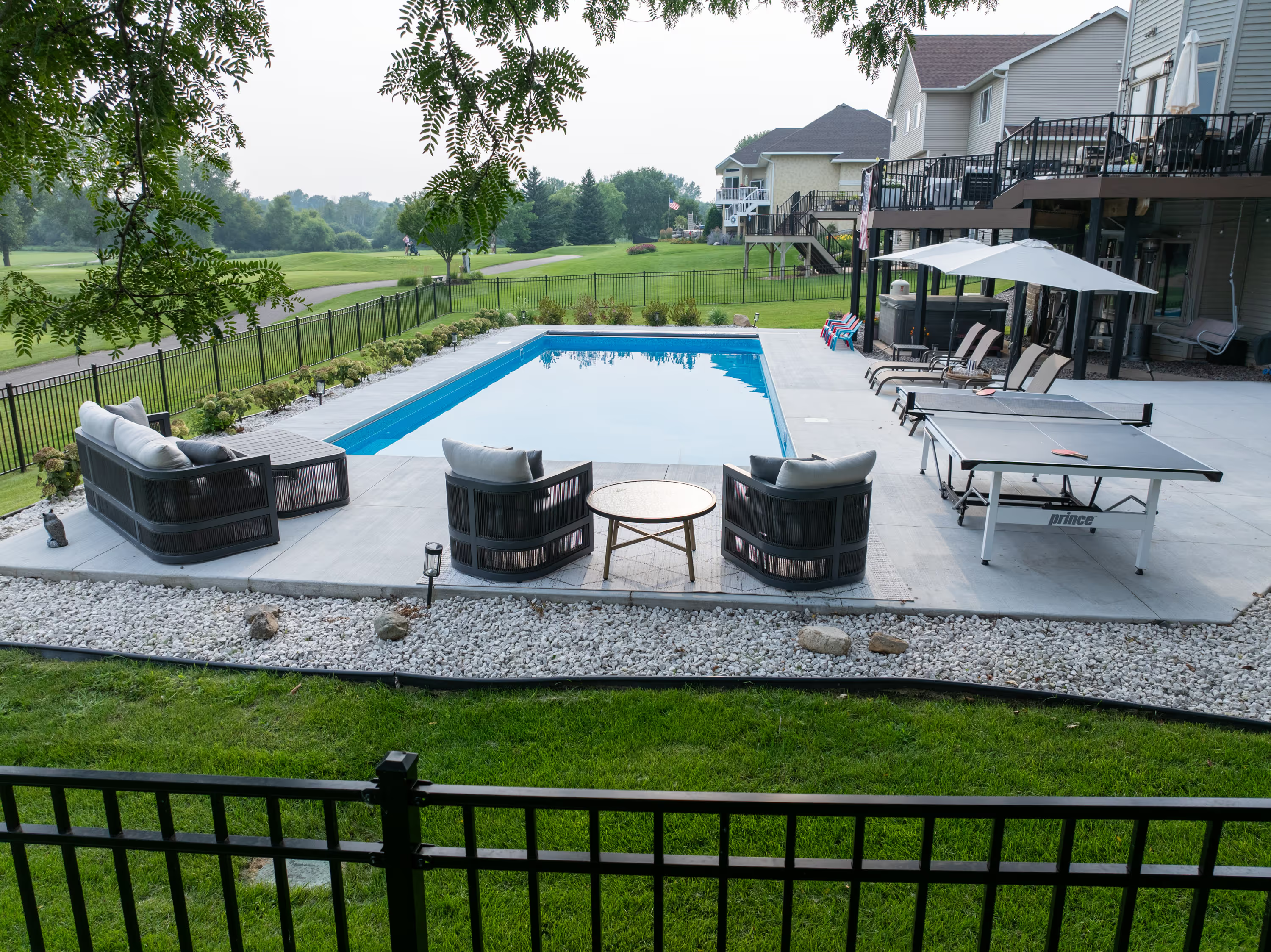
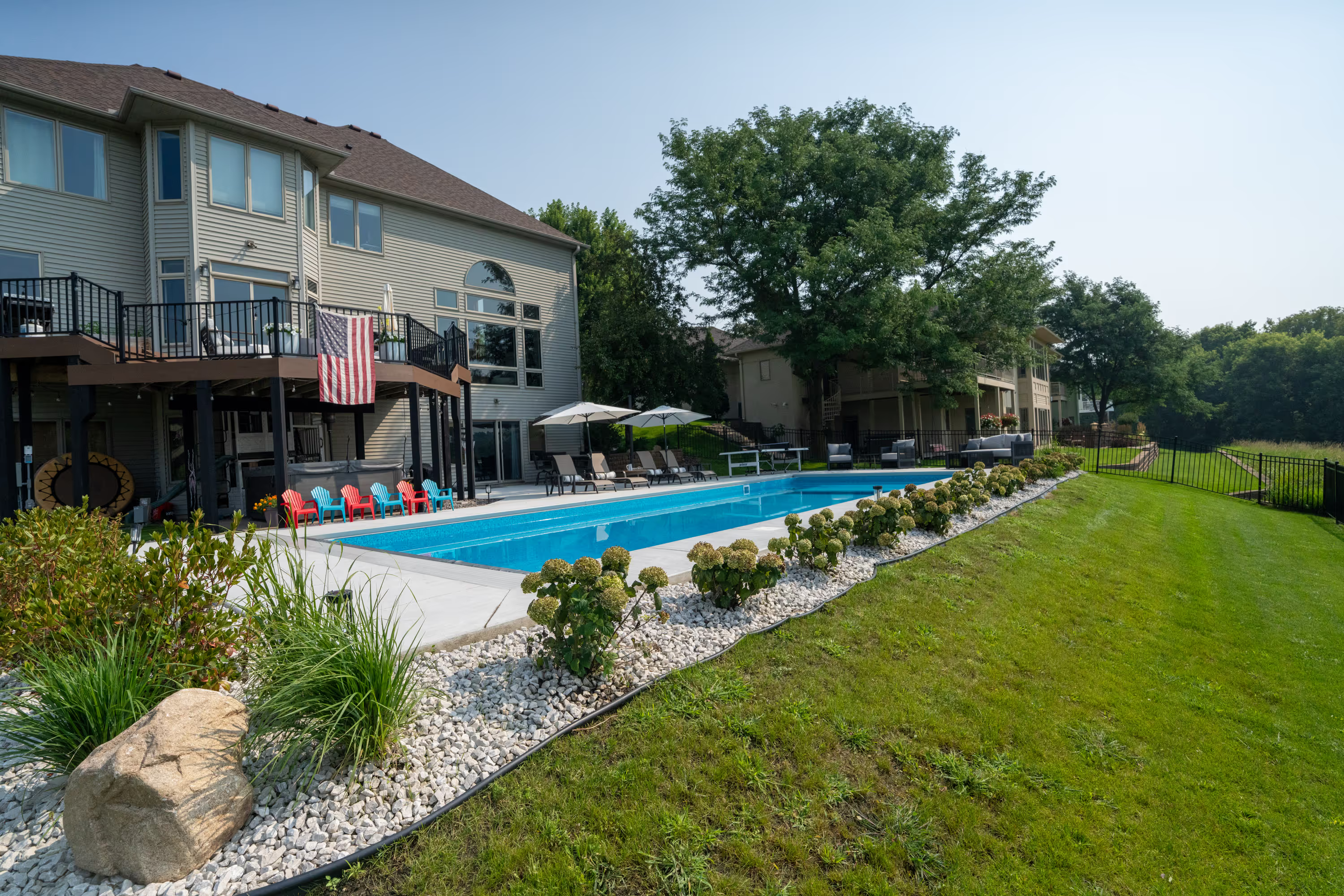
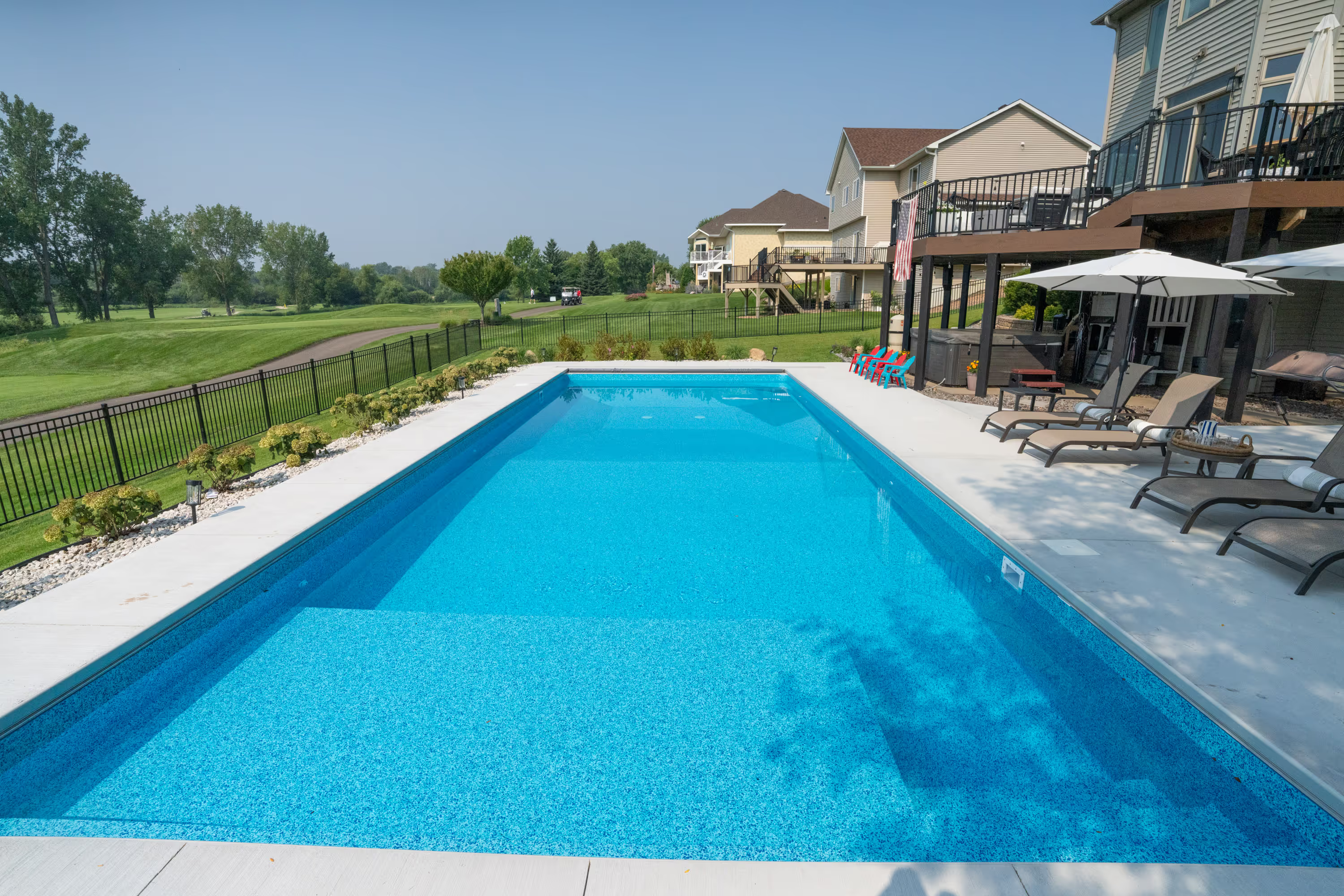
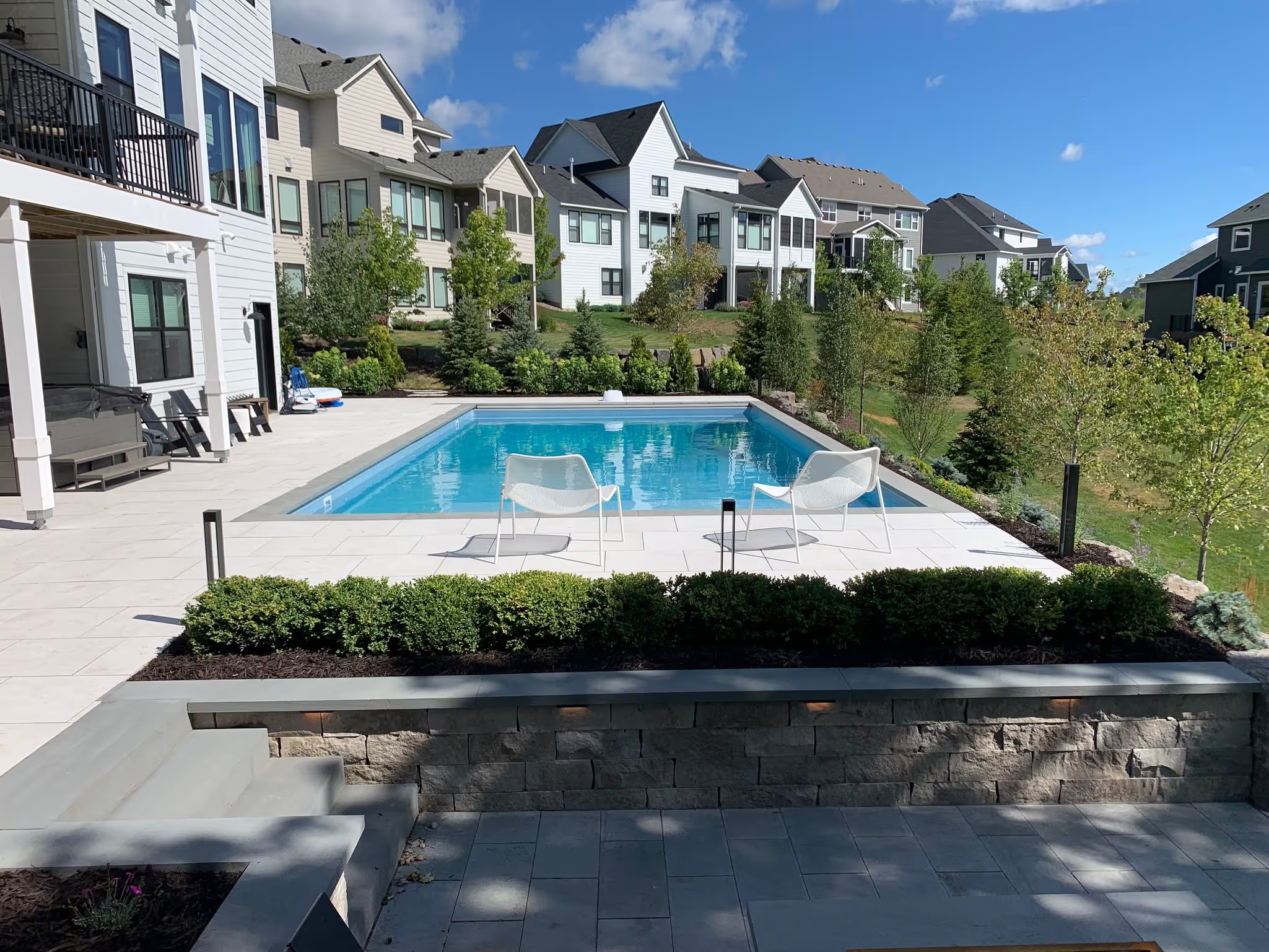
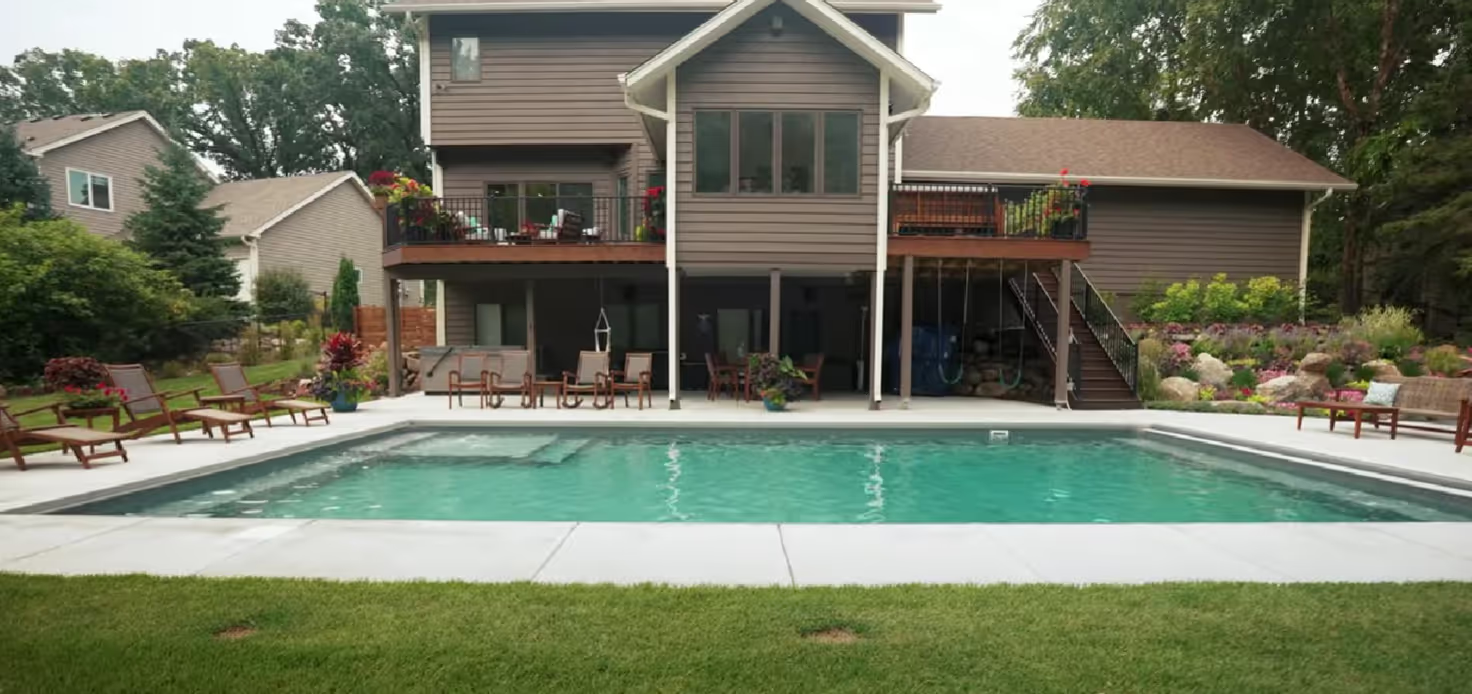
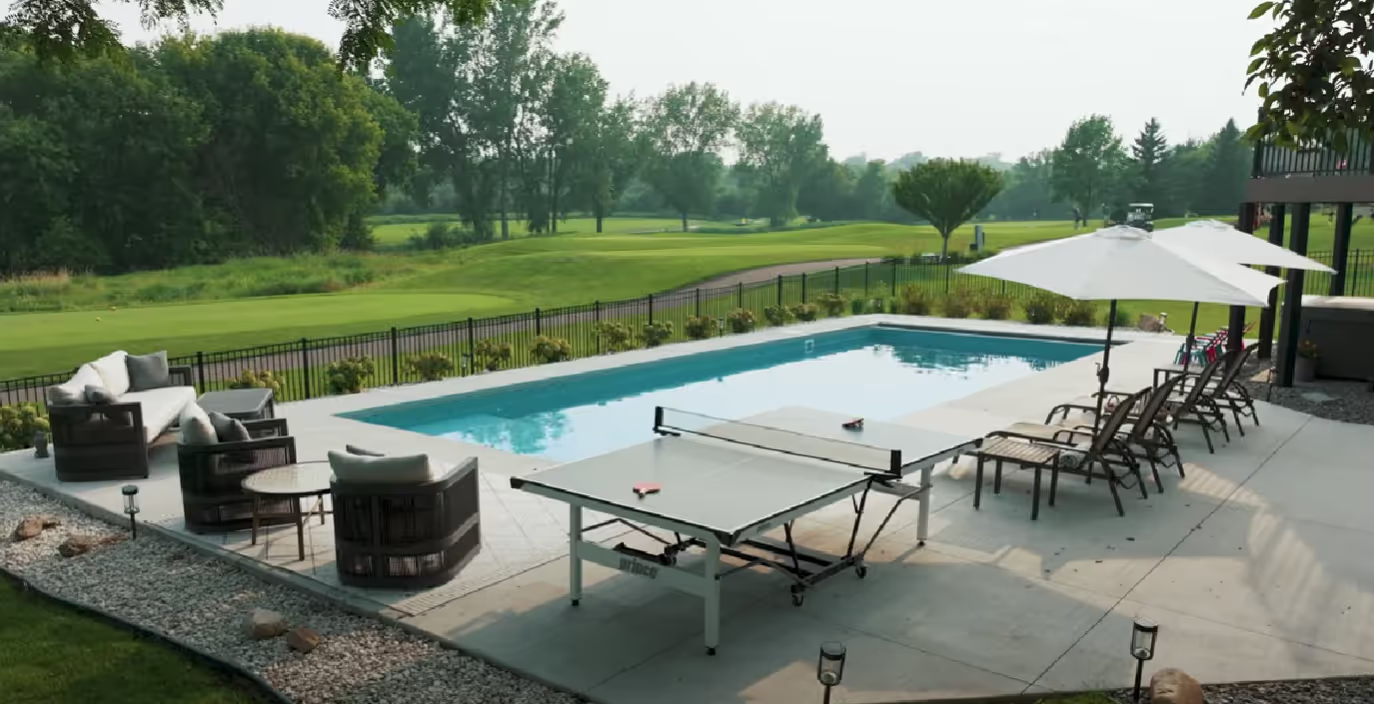
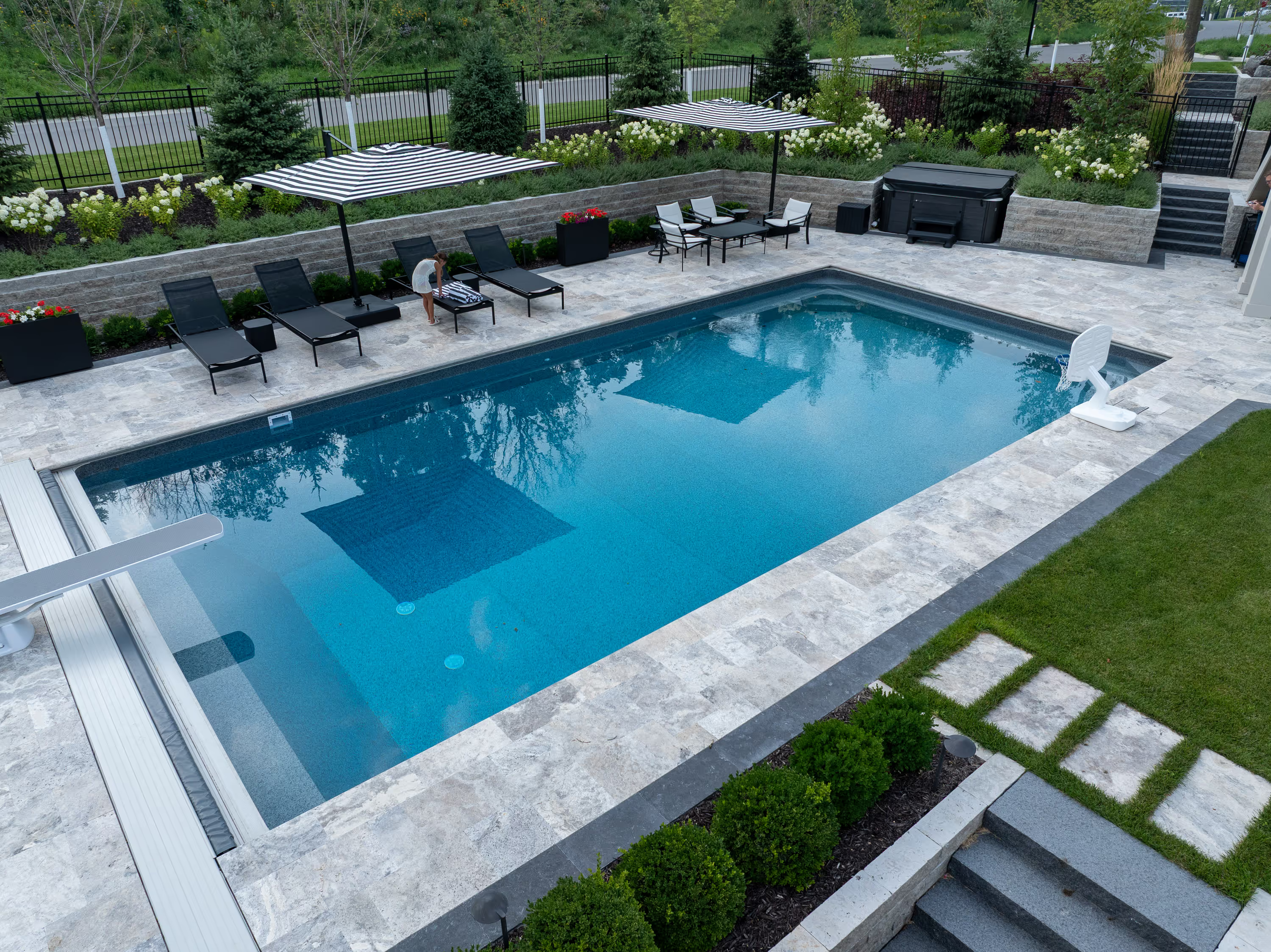
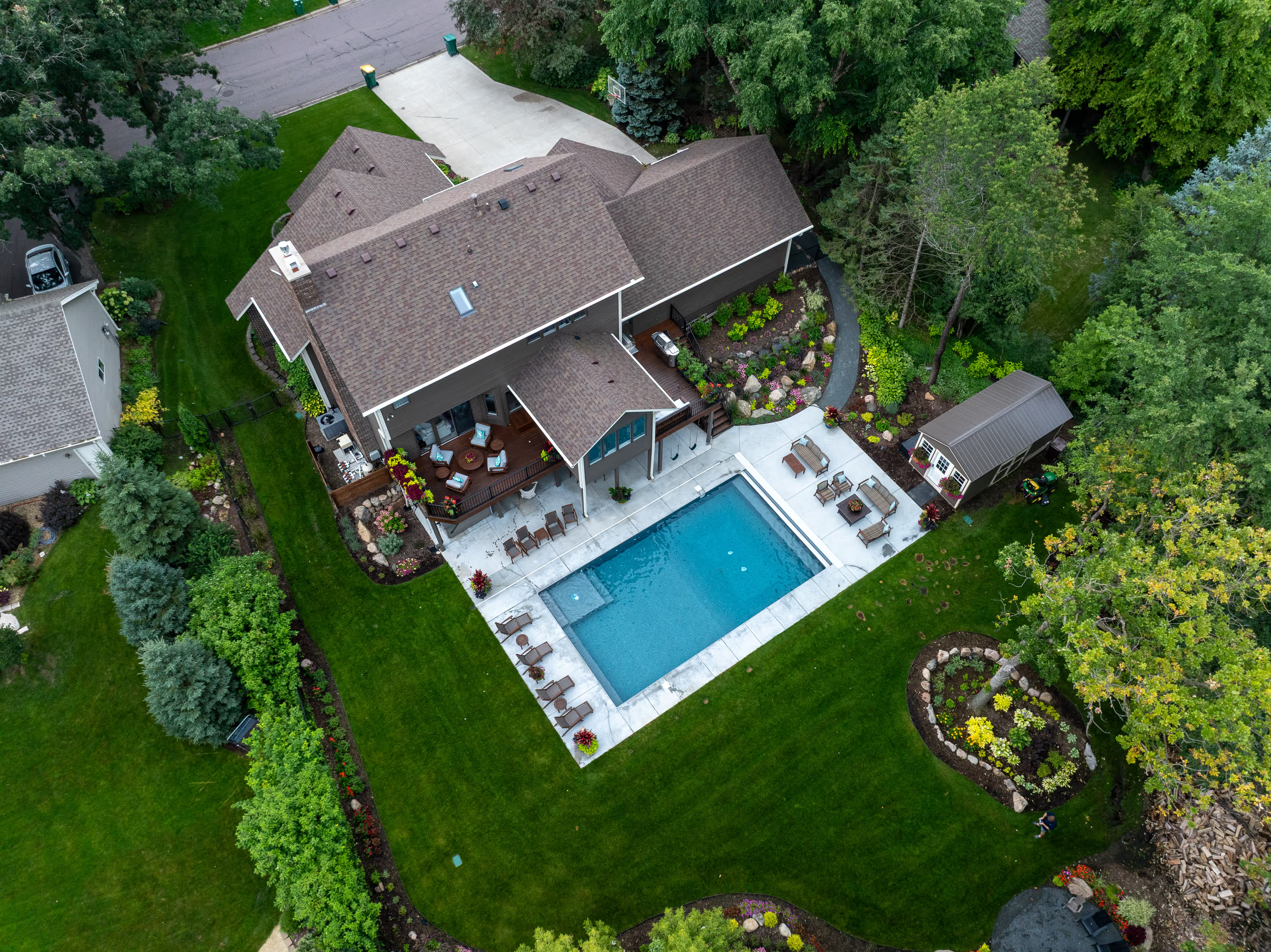
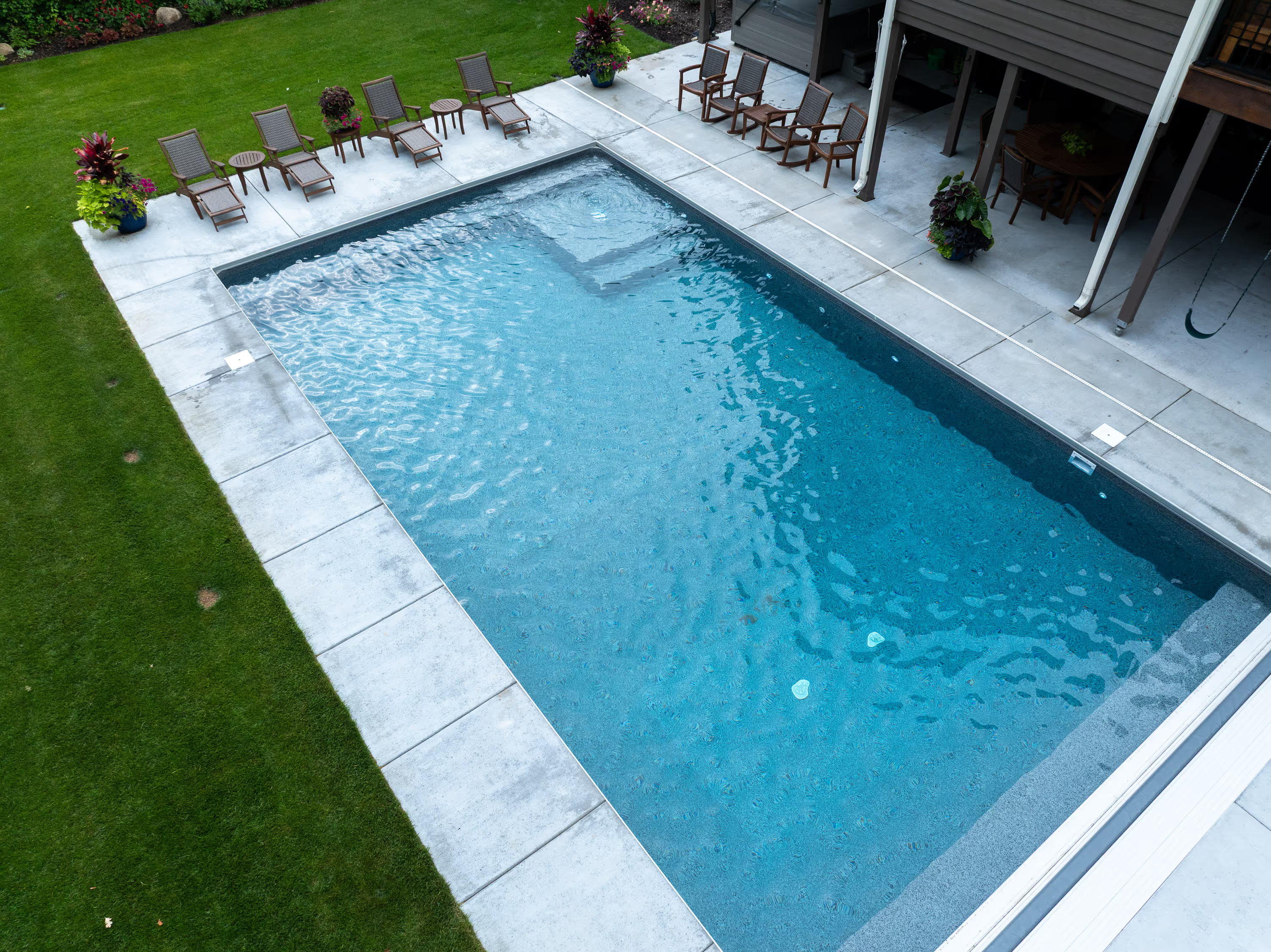
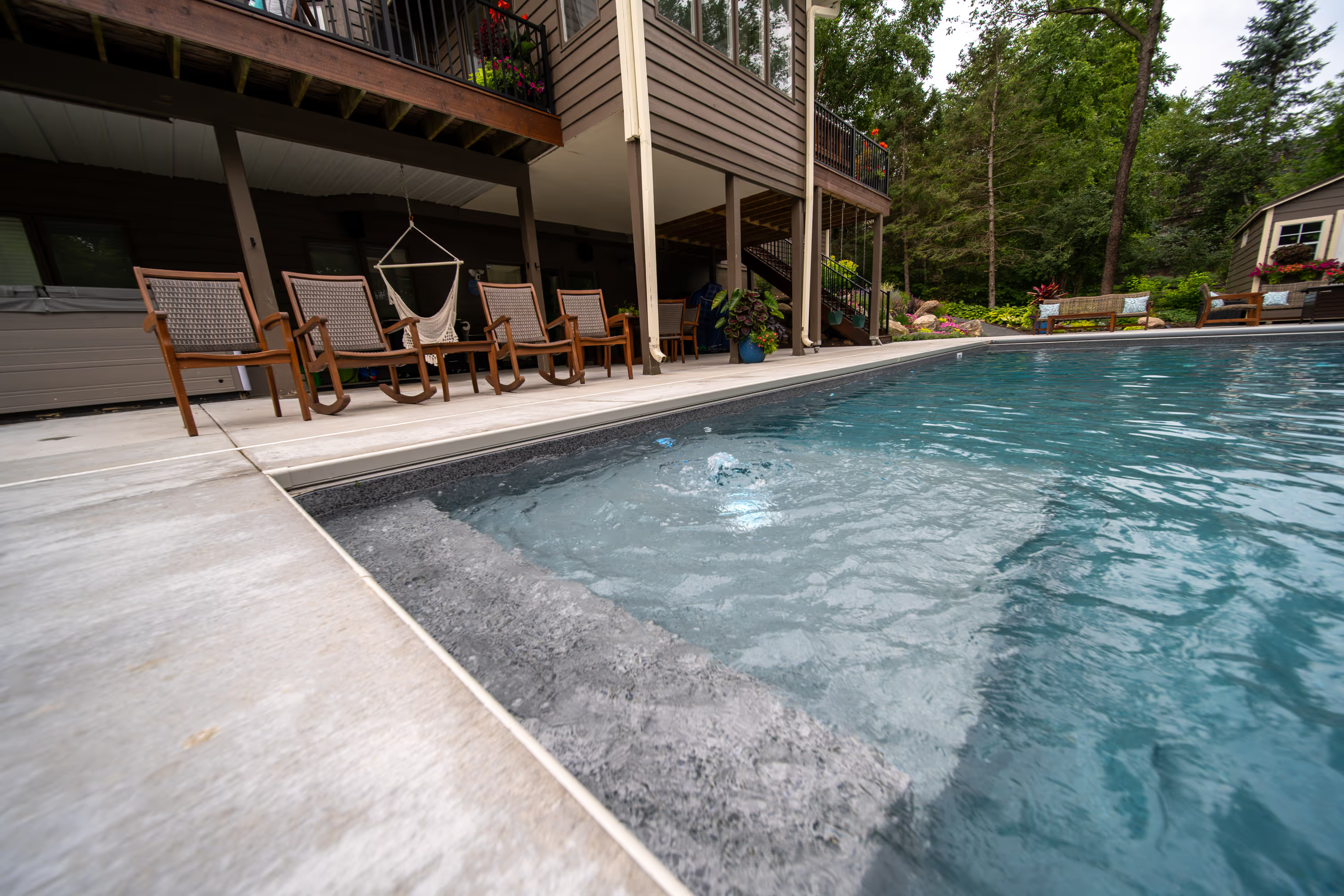
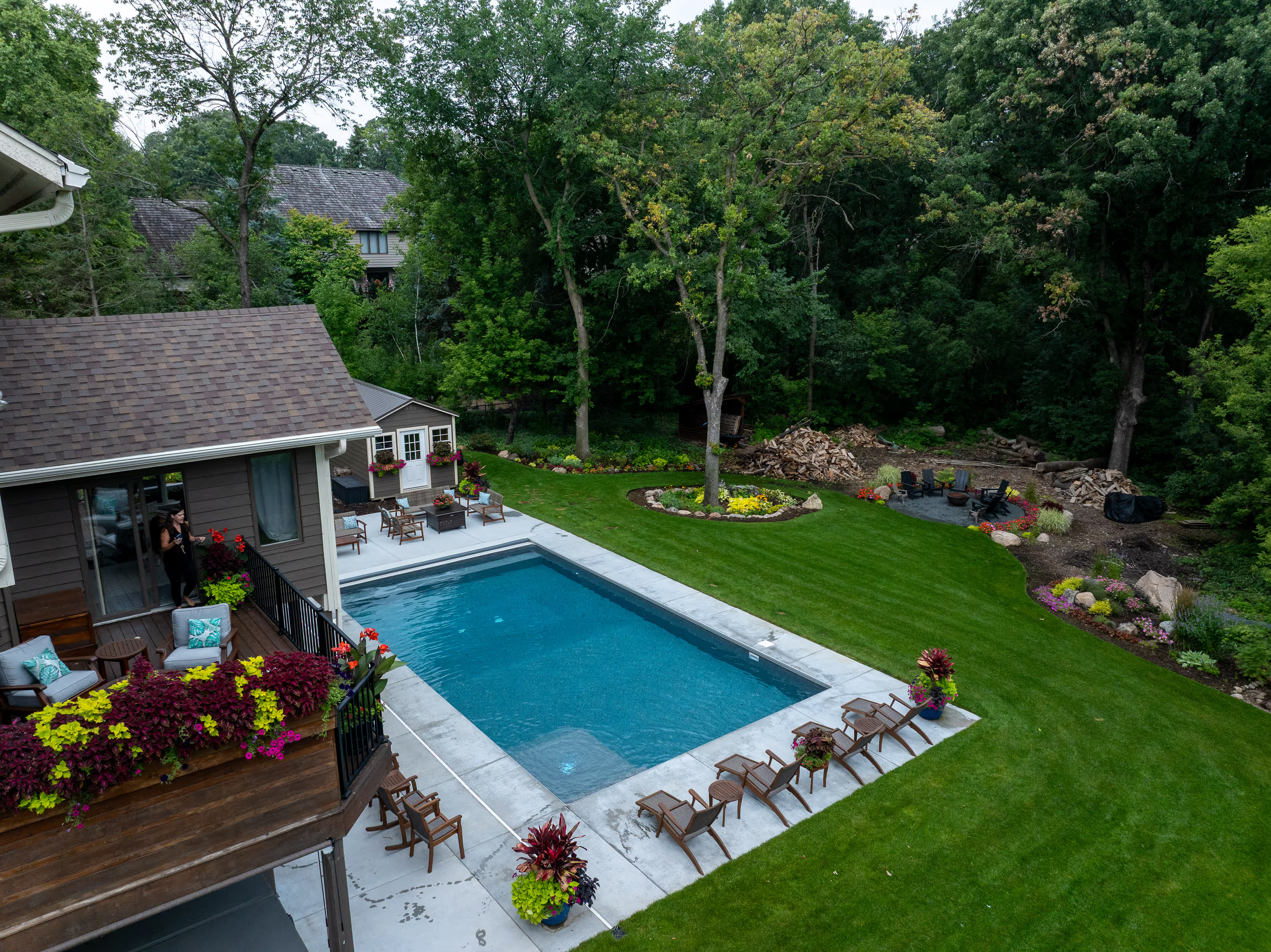
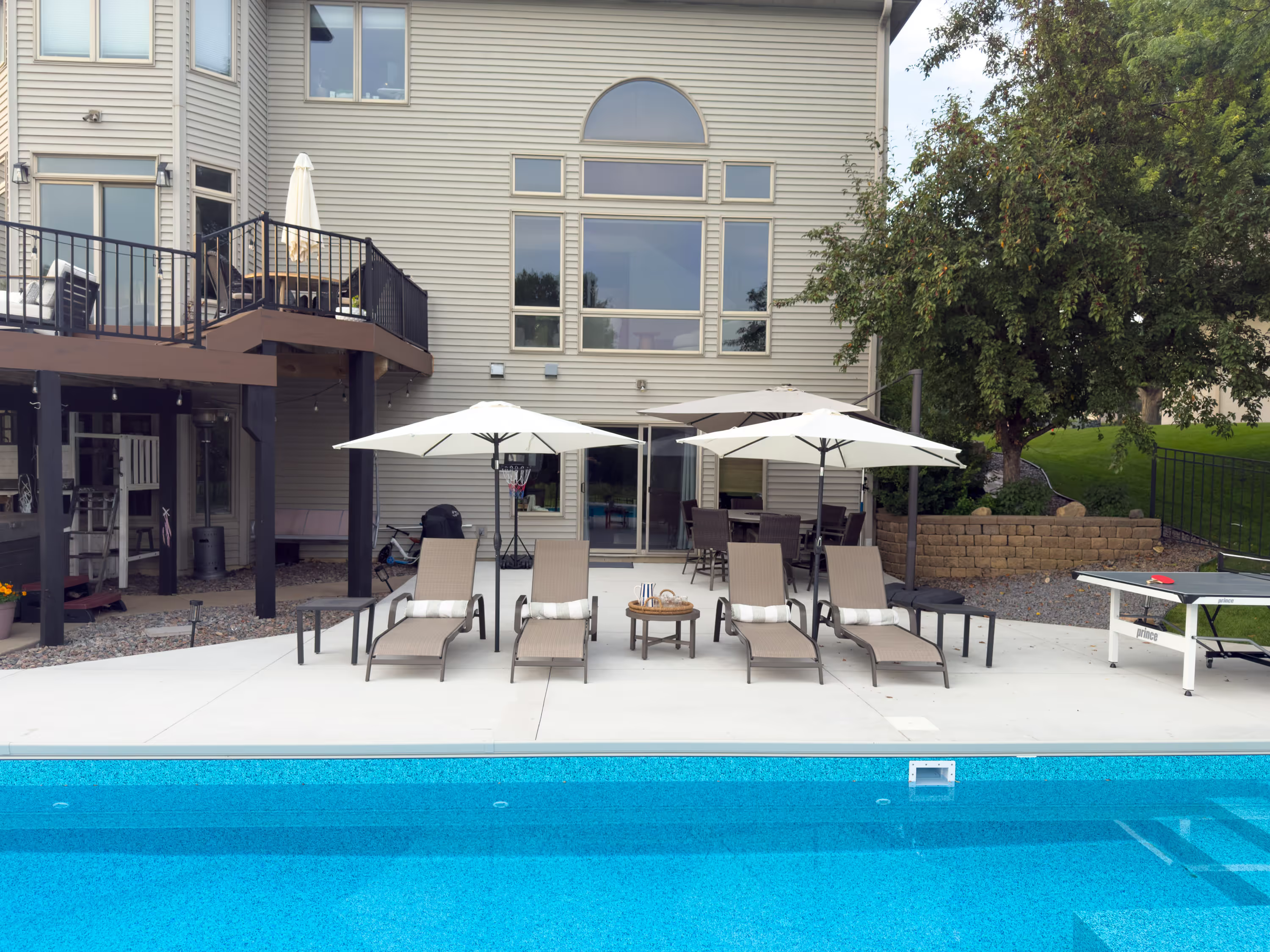
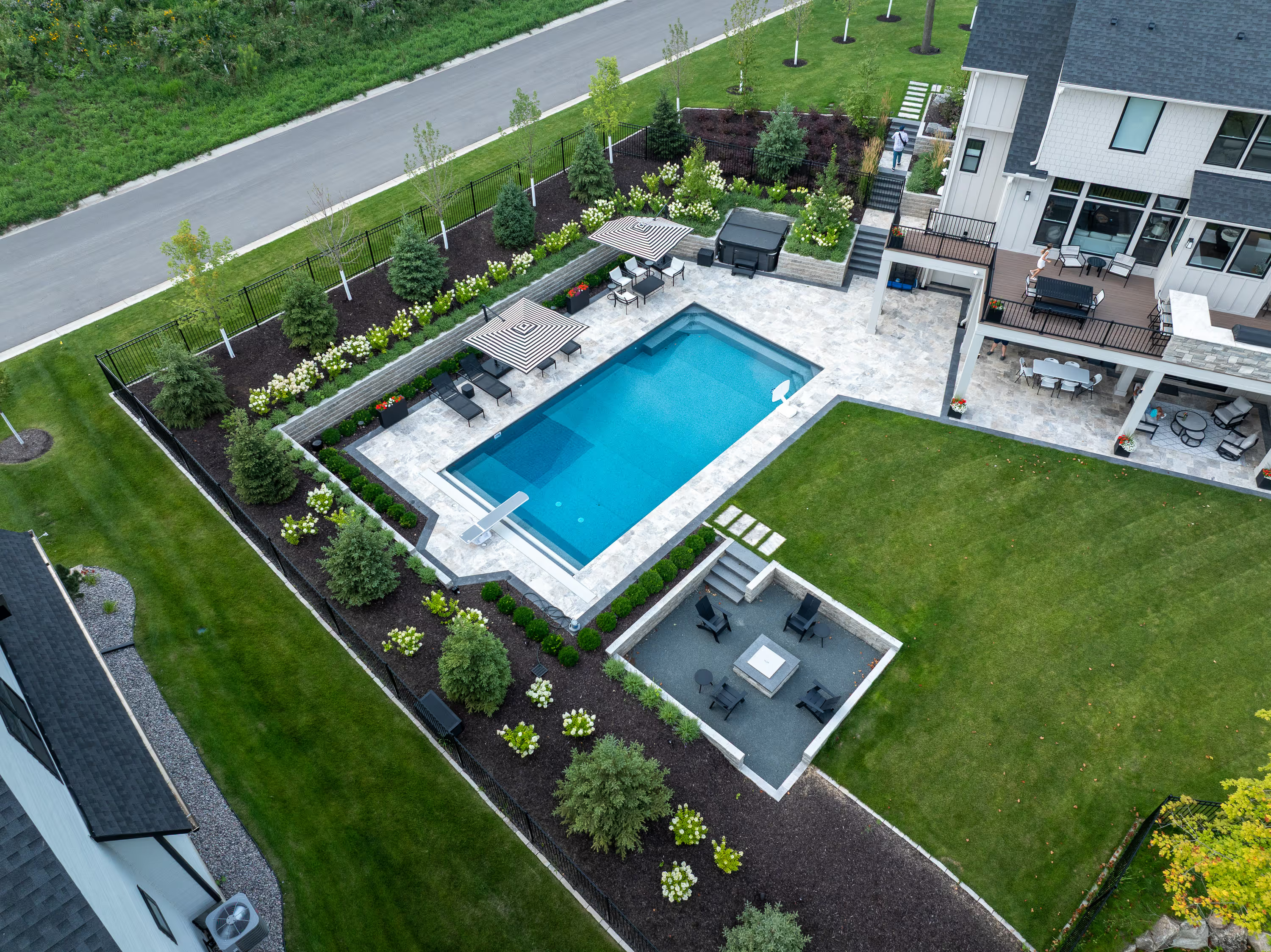
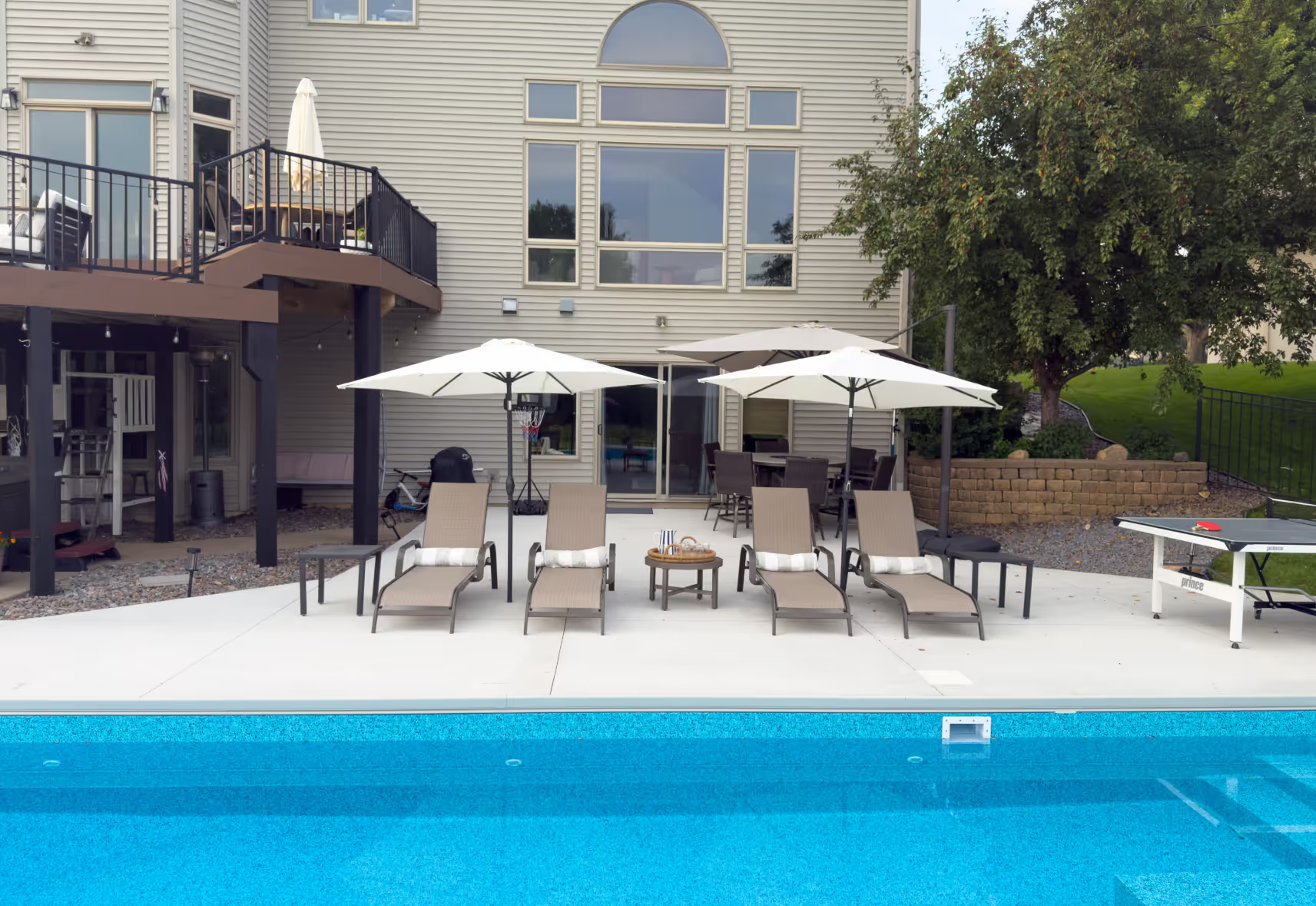
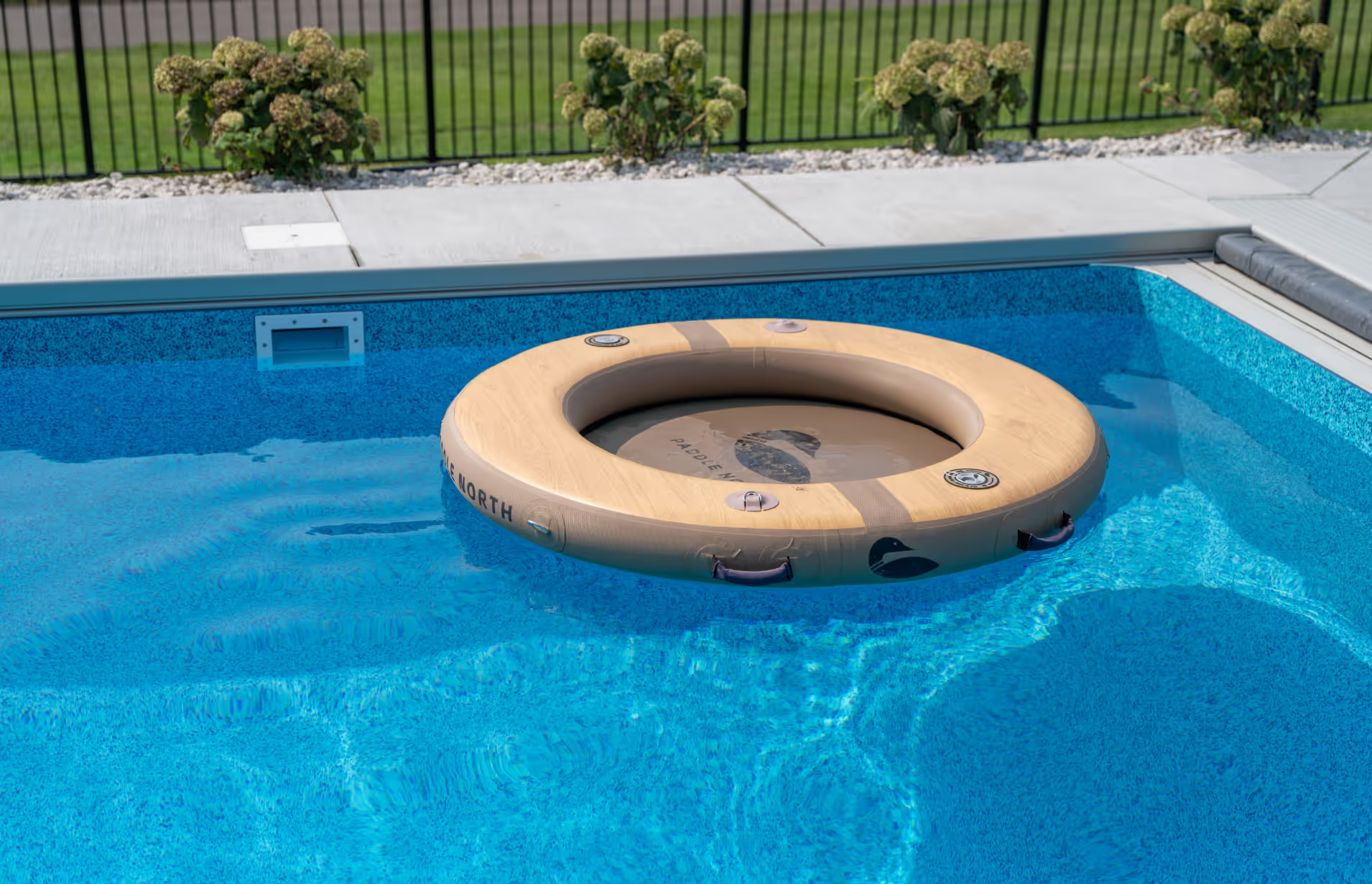
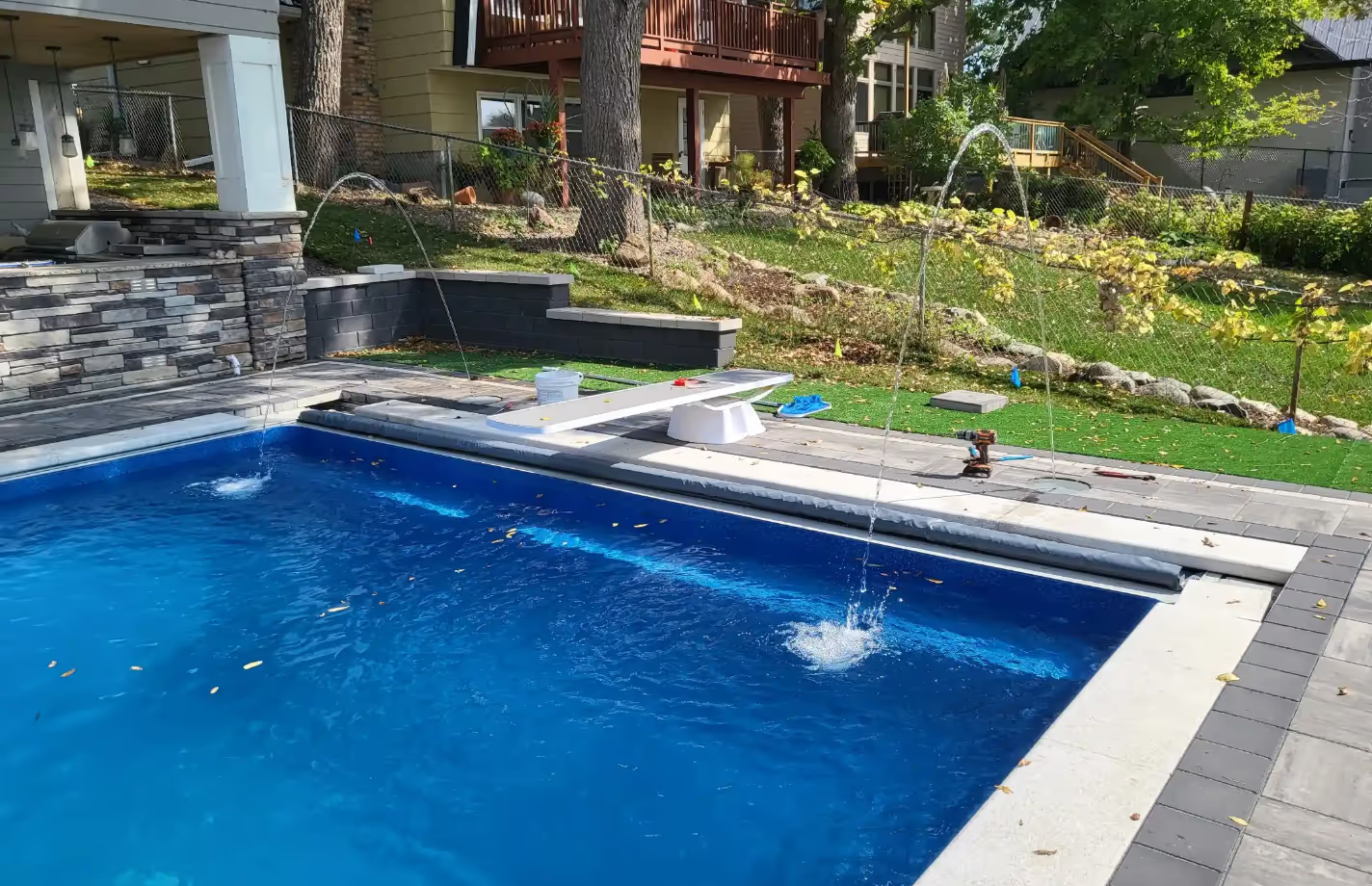
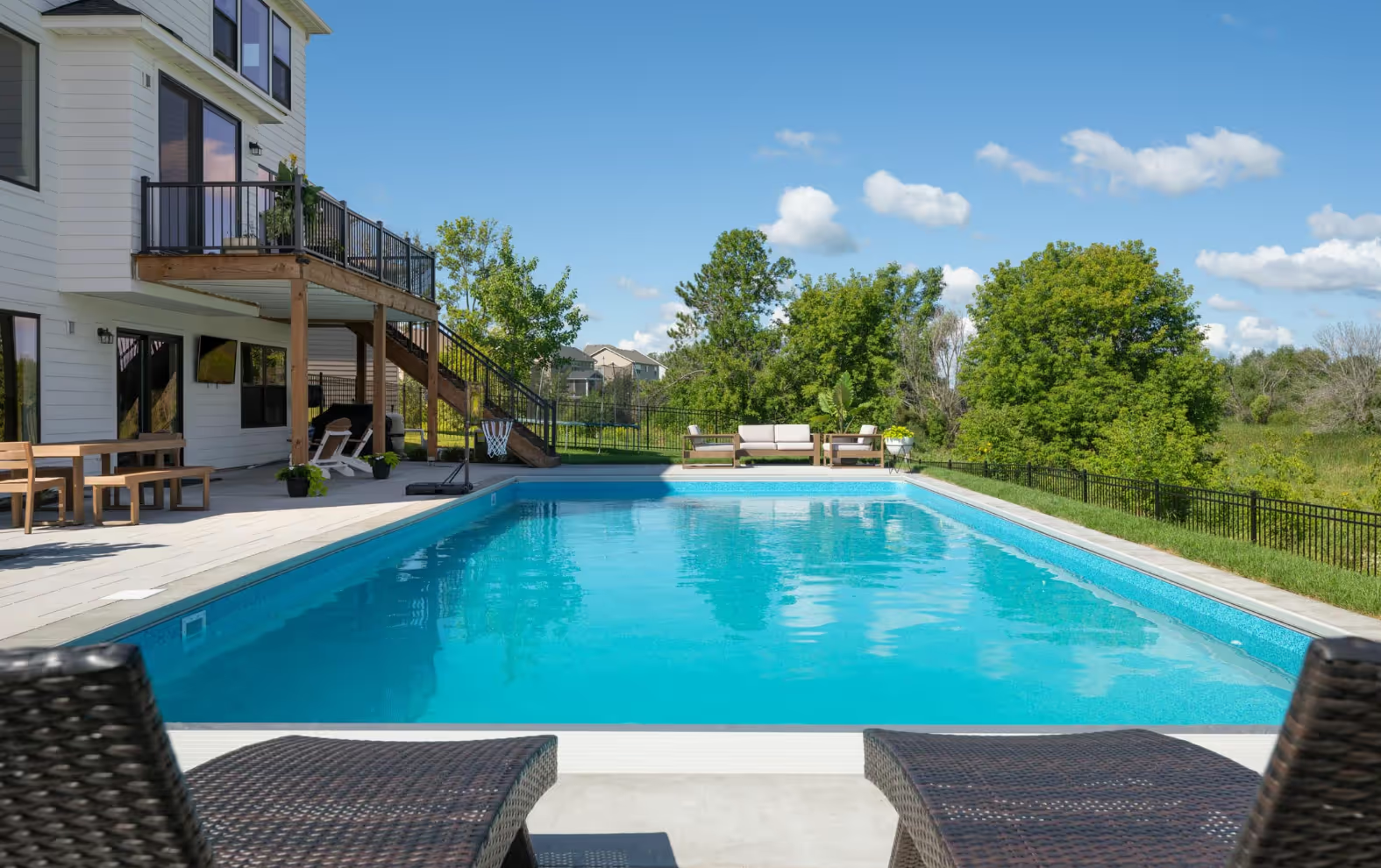
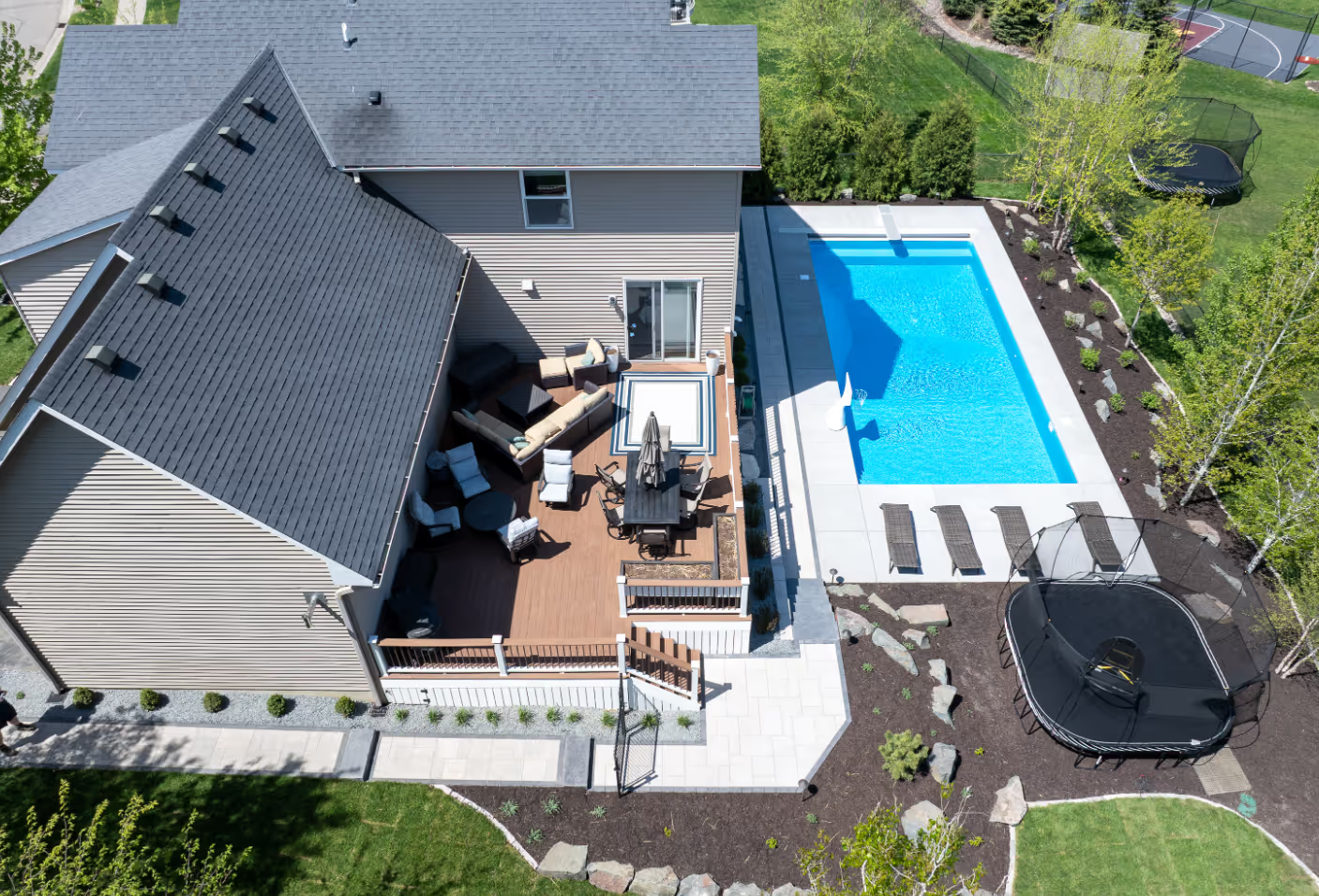
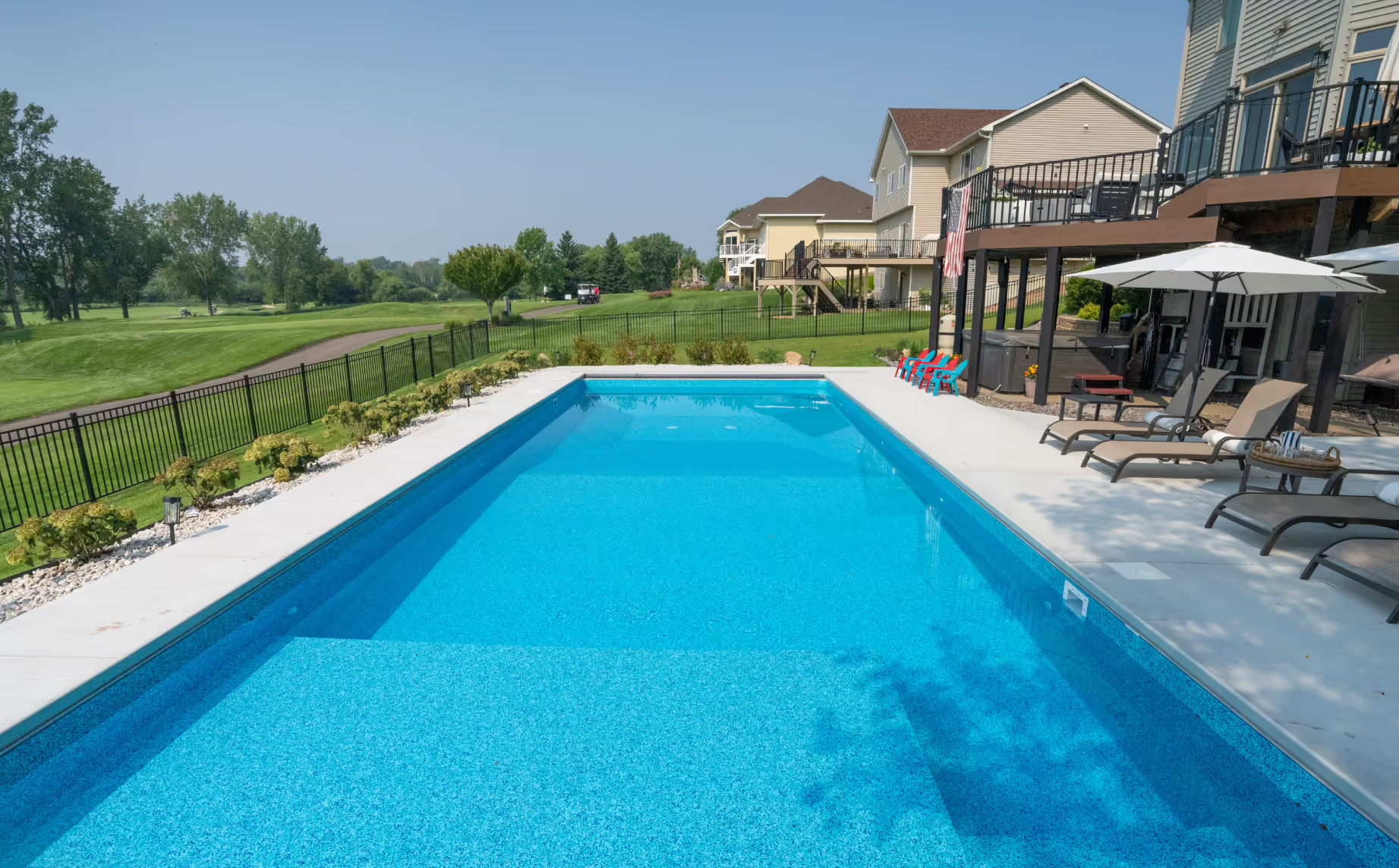
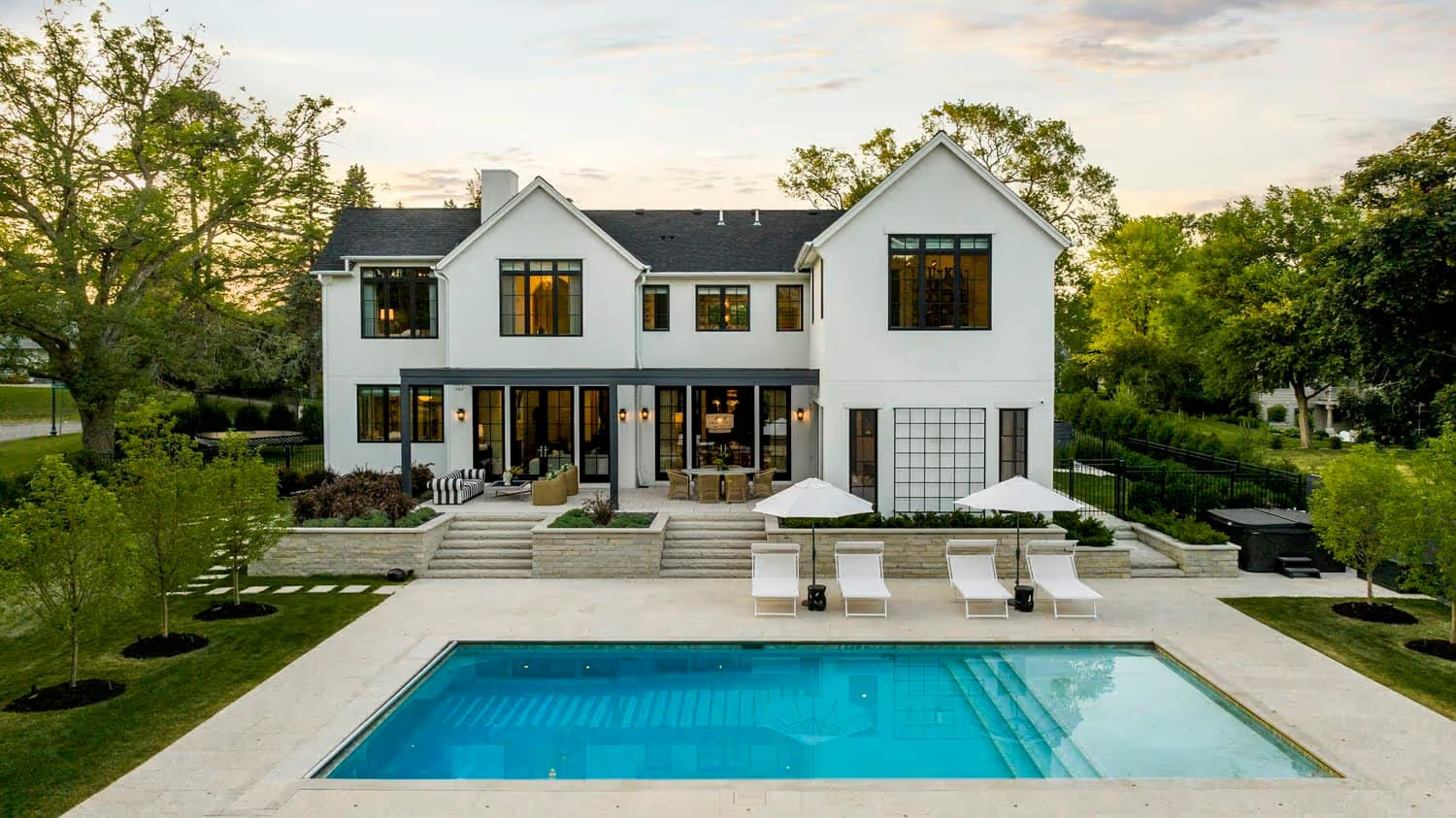
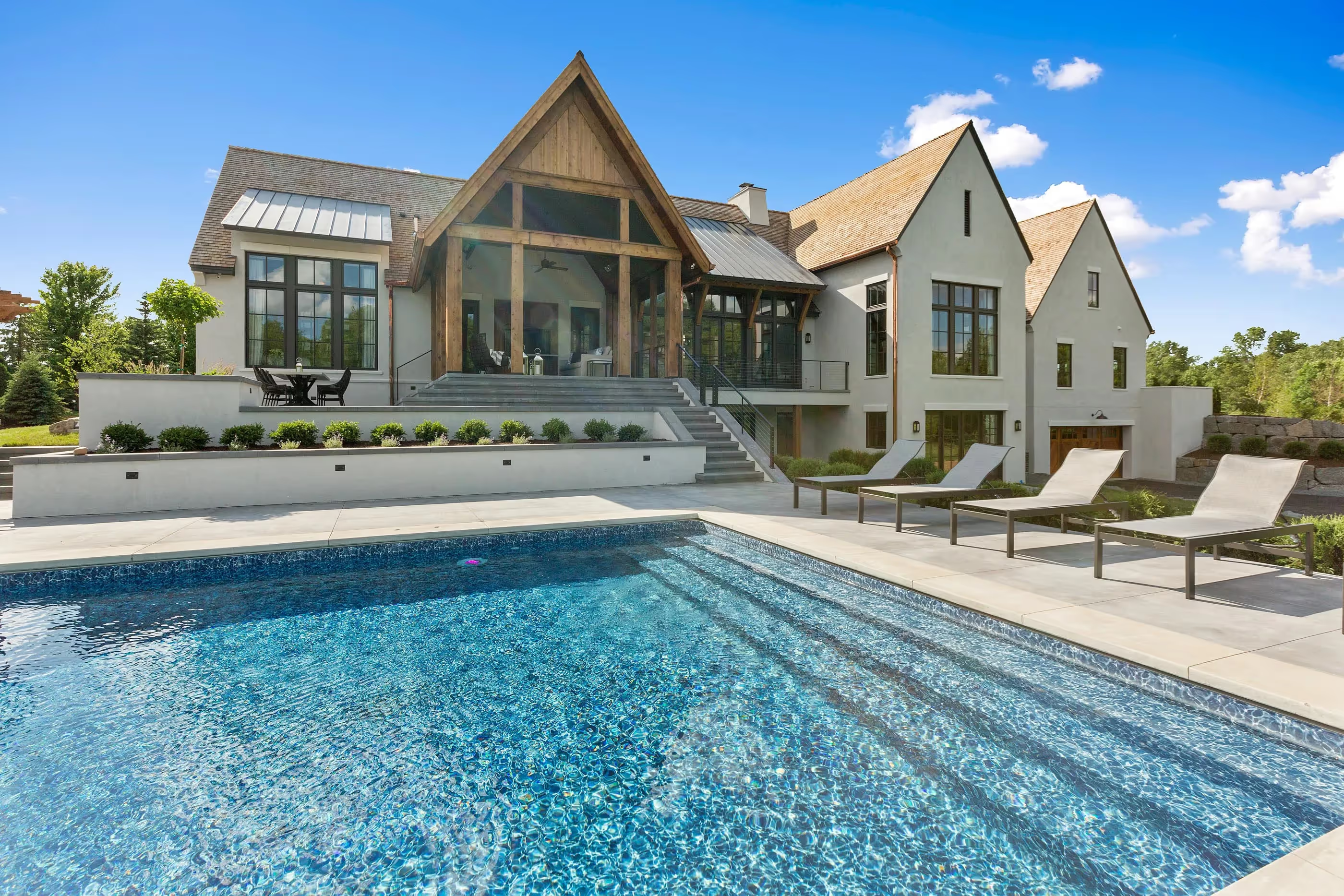
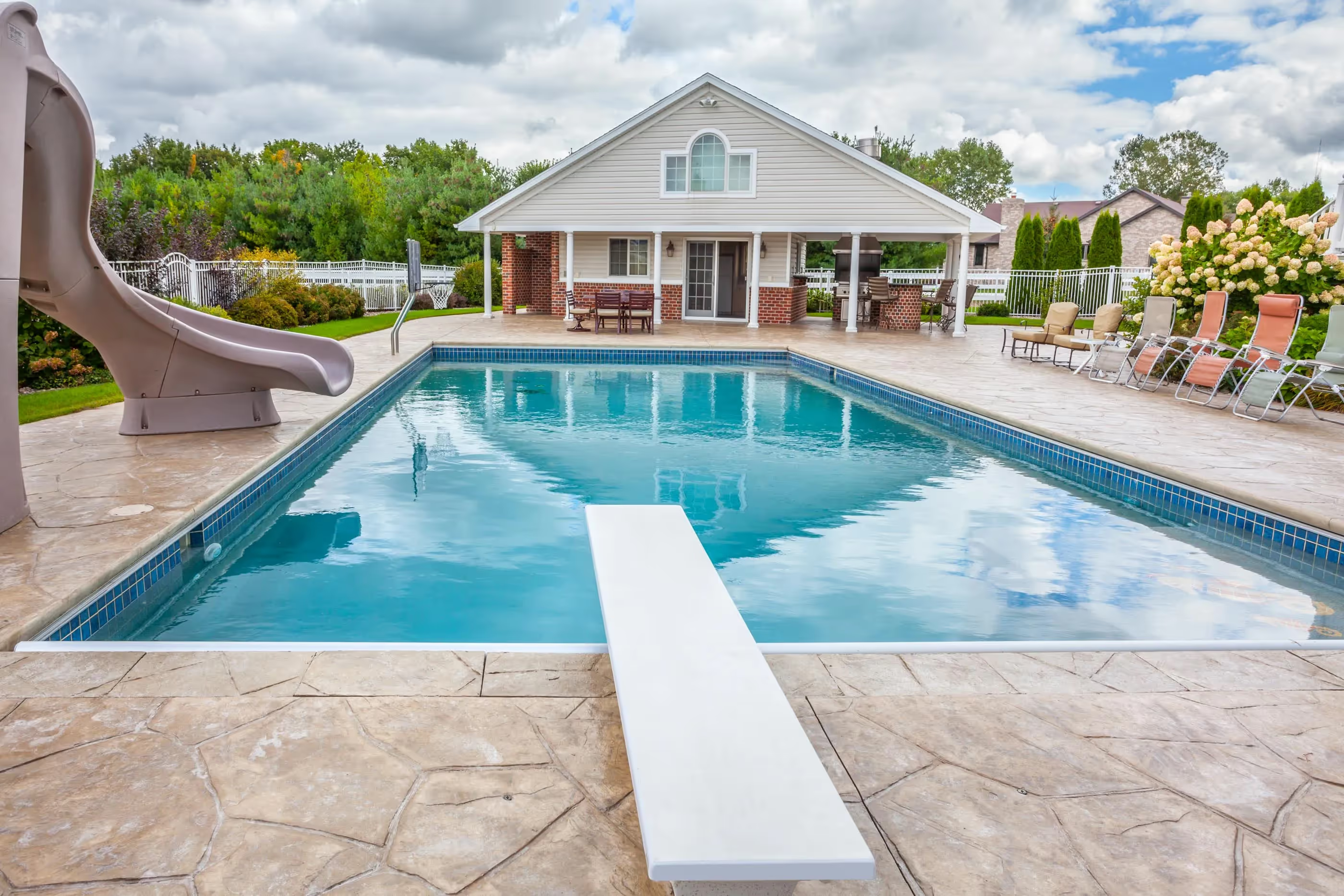
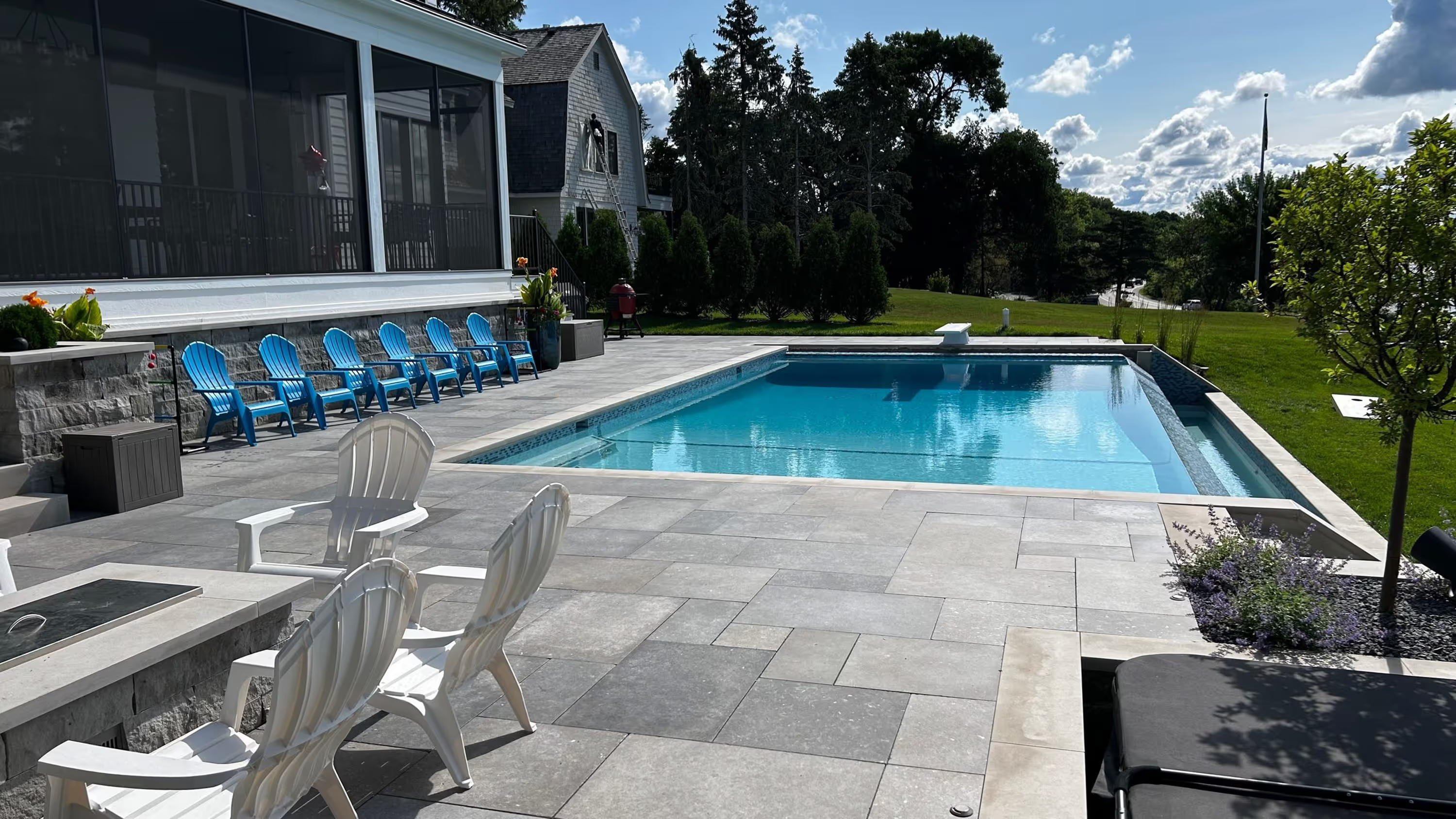
Keep your pool well lit with these common lighting options.

When Minnesota pool owners think about extending their swimming season, they usually focus on heating systems and pool covers. But there's another crucial element that dramatically expands how you use your pool: lighting.
The right pool lighting transforms your backyard from a daytime-only space into an evening entertainment destination. In Minnesota, where our summer evenings are precious and our swimming season is compressed into just 4-5 months, maximizing every possible swimming hour matters enormously.
At Plan Pools, we've seen how proper lighting changes the way families use their pools. Instead of shutting down when the sun sets at 8:30 PM, pools with quality lighting become the centerpiece of evening gatherings, late-night swims, and romantic nighttime relaxation. Here's everything Minnesota homeowners need to know about pool lighting.
Minnesota's pool season runs roughly from Memorial Day through Labor Day—about 100 days if you're lucky. But within that already-short window, daytime-only pool use cuts your usable hours even further.
Consider a typical Minnesota summer day:
Without lighting, you have roughly 10-11 hours of potential swimming time per day during peak season, but realistically most families swim 3-5 hours on pool days—usually afternoon into early evening.
With proper lighting, those evening hours extend by 2-4 hours. Suddenly your pool remains usable until 10:00 PM, 11:00 PM, or even later. Over a 100-day season, that's 200-400 additional hours of pool use—equivalent to adding 3-5 full weeks to your swimming season.
Minnesota summer evenings are genuinely special. Temperatures drop from day's heat to comfortable levels, humidity often breaks, mosquitoes can be managed with proper planning, and the pace of life slows down.
Evening swimming in Minnesota offers unique pleasures:
Proper lighting makes all of this accessible and safe.
This is critical: adequate pool lighting isn't just about aesthetics—it's about safety. Minnesota law requires pools to have adequate lighting for safe use, and insurance companies often have specific lighting requirements.
Evening swimming without proper lighting creates serious hazards:
Quality lighting eliminates these concerns while creating beautiful ambiance.
Ten years ago, pool lighting meant either incandescent or halogen bulbs—hot, inefficient, short-lived, and limited in color options. Today, LED technology has revolutionized pool lighting so completely that Plan Pools exclusively installs LED systems.
LED Advantages:
Energy Efficiency: LED pool lights use 75-90% less electricity than incandescent lights. A typical 300-watt incandescent light is replaced by a 30-50 watt LED producing the same or better illumination.
For Minnesota pool owners conscious about heating costs (or already enjoying the 60% savings from Plan Pools' ICF construction), LED lighting continues that efficiency commitment. Running pool lights 4 hours per evening throughout the season costs $20-$40 with LEDs versus $150-$300+ with incandescent lighting.
Lifespan: LED pool lights last 30,000-50,000 hours versus 2,000-5,000 hours for incandescent bulbs. In practical terms, LEDs last 15-25+ years of typical Minnesota pool use, while incandescent bulbs require replacement every 2-4 years.
Replacing pool lights requires draining the pool or working underwater—expensive and inconvenient. With LEDs, you install once and forget about it for decades.
Color Options: Modern LED pool lights offer millions of color combinations and dynamic light shows. Change your pool from tropical blue to Caribbean turquoise to party purple with a button press. Create slow color transitions, pulsing effects, or synchronized light shows.
This versatility means your pool lighting can match any mood or occasion—peaceful relaxation, energetic party, romantic evening, or family fun.
Brightness Control: LEDs dim smoothly from full brightness to subtle ambient glow. Adjust lighting to suit the occasion without installing multiple fixtures or complex controls.
Cool Operation: LEDs produce minimal heat compared to incandescent bulbs. This reduces stress on fixtures, extends component life, and eliminates the "hot bulb" concerns of older technology.
Instant On: LEDs reach full brightness instantly, unlike some older technologies that required warm-up time. Perfect for those spontaneous evening swimming decisions.
Flush-Mount LED Lights:
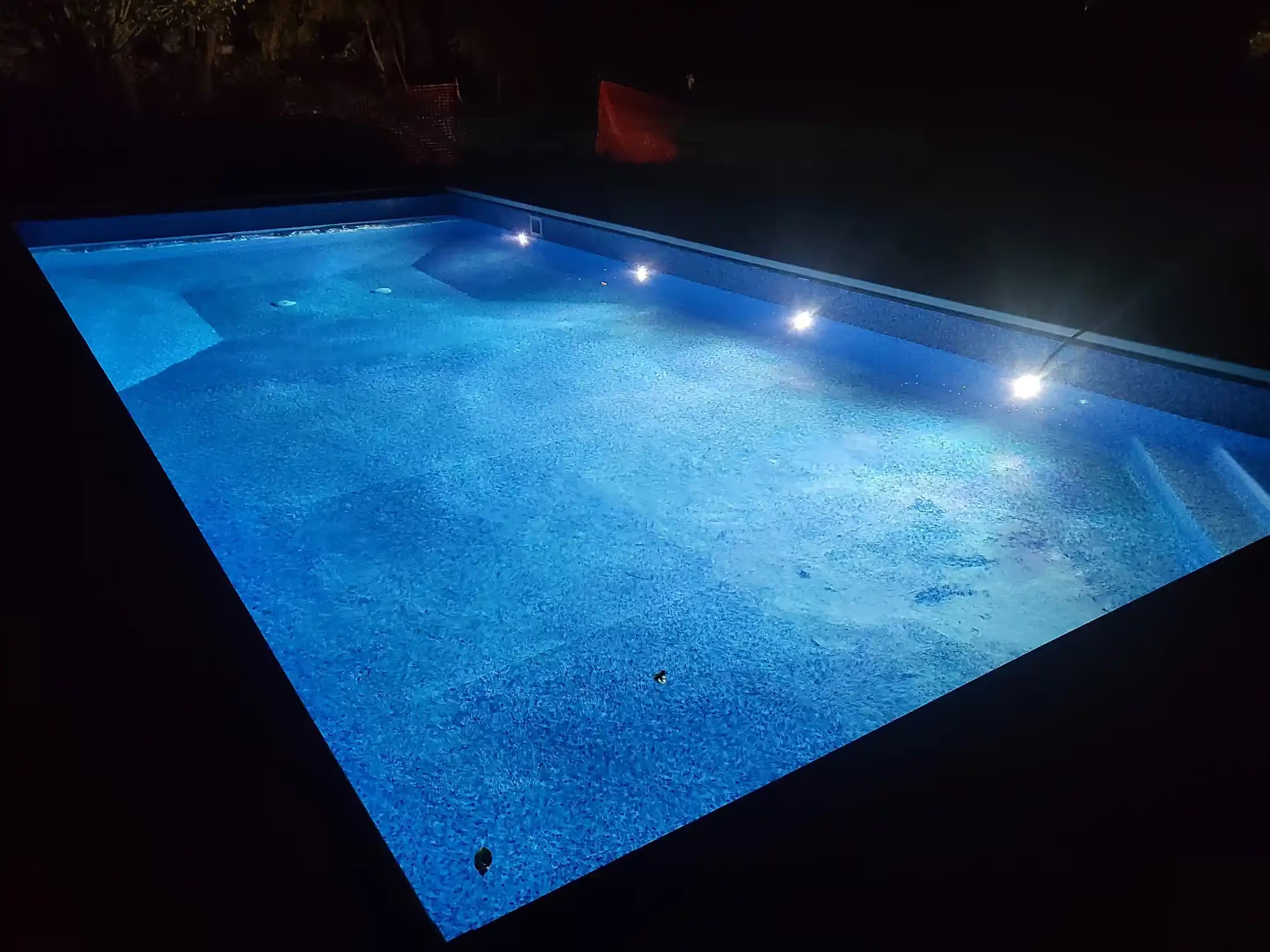
These are the standard pool lights installed in the pool wall, typically 12-18 inches below the water surface. Modern flush-mount LEDs provide brilliant, even illumination throughout the pool.
Sizes: Typically 2.5-3 inches in diameter, though larger commercial-grade fixtures are available
Output: 300-1,000+ lumens depending on model
Colors: Full RGB spectrum with 7-10 preset color shows
Installation: Requires niche (housing) installed during pool construction
Voltage: Usually 12V for safety
Plan Pools installs premium flush-mount LED lights as standard equipment, with the niche positioned for optimal light distribution based on your specific pool shape and size.
Smaller Accent LEDs:
These miniature LEDs provide supplemental lighting for specific features:
Surface-Mount vs. Flush-Mount Considerations:
Some LED lights mount on the pool surface rather than requiring built-in niches. While these are easier to retrofit in existing pools, flush-mount lights provide superior light distribution and cleaner aesthetics. Since Plan Pools installs lighting during construction, we always use flush-mount for optimal results.
The number of lights depends on pool size, shape, and desired brightness:
Small Pools (12x24 to 16x32): 1-2 lights typically sufficient
Medium Pools (16x32 to 20x40): 2-3 lights for even illumination
Large Pools (20x40+): 3-4 lights to eliminate dark spots
Complex Shapes: Kidney, L-shaped, or freeform pools often need additional lights to illuminate all areas
Plan Pools designs lighting layouts specific to your pool geometry, ensuring even illumination without creating harsh bright spots or dark corners.
Light placement dramatically affects both functionality and aesthetics:
For Rectangular Pools:
For Freeform Pools:
Depth Considerations:
Avoiding Glare:
At Plan Pools, we walk your property during the design phase, considering where you'll typically view the pool from and how you'll use the space, then position lights for optimal effect without glare.
Modern LED lights offer millions of colors, but you'll probably use 5-10 favorites regularly:
Classic Pool Blue: Traditional pool lighting feel, shows water depth beautifully, never goes out of style
Caribbean Turquoise: Bright tropical feel, excellent for parties and gatherings, creates energetic atmosphere
Emerald Green: Sophisticated alternative to blue, unique appearance, popular for upscale entertaining
White/Cool White: Provides maximum visibility for swimming, best for safety-focused use, mimics daylight conditions
Purple/Magenta: Perfect for special occasions, romantic evenings, unique party atmosphere
Red: Bold statement, great for holidays, creates dramatic ambiance
Slow Color Transitions: Gentle cycling through colors, perfect for background ambiance while socializing, helps create relaxed evening atmosphere
Most families settle into 2-3 favorite colors they use regularly, with special colors reserved for parties or holidays. The beauty of LED technology is you can experiment endlessly at no cost.
Your pool lighting shouldn't exist in isolation. A comprehensive lighting design integrates:
Pool Lights: Primary illumination of water and swimming area
Pool Deck Lighting: Path lights, step lights, and hardscape illumination for safe movement around the pool
Landscape Up-Lighting: Accent lights highlighting trees, architectural features, or landscaping to frame the pool area
Patio and Seating Area Lighting: Overhead string lights, pergola lighting, or post lights for outdoor living spaces
Pathway Lighting: Low-level lights guiding traffic flow from home to pool to outdoor kitchen
When all elements work together, you create a comprehensive outdoor environment rather than just a lit pool in darkness.
Plan Pools works with premier landscape contractors throughout the Twin Cities metro who understand integrated lighting design. We coordinate our pool lighting with their landscape and hardscape lighting for seamless results.
Wired Wall Switch: The simplest control—a standard light switch inside your home or pool house that turns lights on/off. Inexpensive and reliable but offers no color control or dimming for color-changing LEDs.
Transformer-Mounted Controls: Better option for color-changing LEDs. Small control box near the pool equipment allows cycling through colors and shows. Limited range—you must walk to the equipment to change settings.
Wireless Remotes: Handheld remote controls your pool lights from anywhere within 50-100 feet. Cycle through colors, adjust brightness, select light shows, all from your patio chair.
Most modern LED pool lights include a wireless remote as standard equipment. Reliable, convenient, and requires no additional wiring.
Smartphone Apps: Some LED systems connect via Bluetooth or Wi-Fi, allowing control through smartphone apps. Browse color palettes, create custom shows, schedule on/off times, all from your phone.
Full Pool Automation Systems: Companies like Pentair, Hayward, and Jandy offer comprehensive automation systems that control all pool functions:
These systems provide smartphone control of everything from anywhere. Set your pool to warm up and lights to turn on before you get home from work. Create vacation mode that runs everything on reduced schedules. Monitor pool temperature and equipment status remotely.
Voice Control Integration: Some automation systems integrate with Alexa, Google Home, or Siri, allowing voice commands: "Alexa, turn the pool lights blue" or "Hey Google, set pool temperature to 82 degrees."
Scheduling and Automation: The most powerful feature of advanced systems is automation. Set lights to:
At Plan Pools, we offer automation systems as upgrades, but we ensure every pool includes at least basic wireless remote control for convenience.
Pool lighting must be installed during construction—retrofitting lights later is expensive and often compromises results. This is why working with an experienced pool builder like Plan Pools matters.
During Construction:
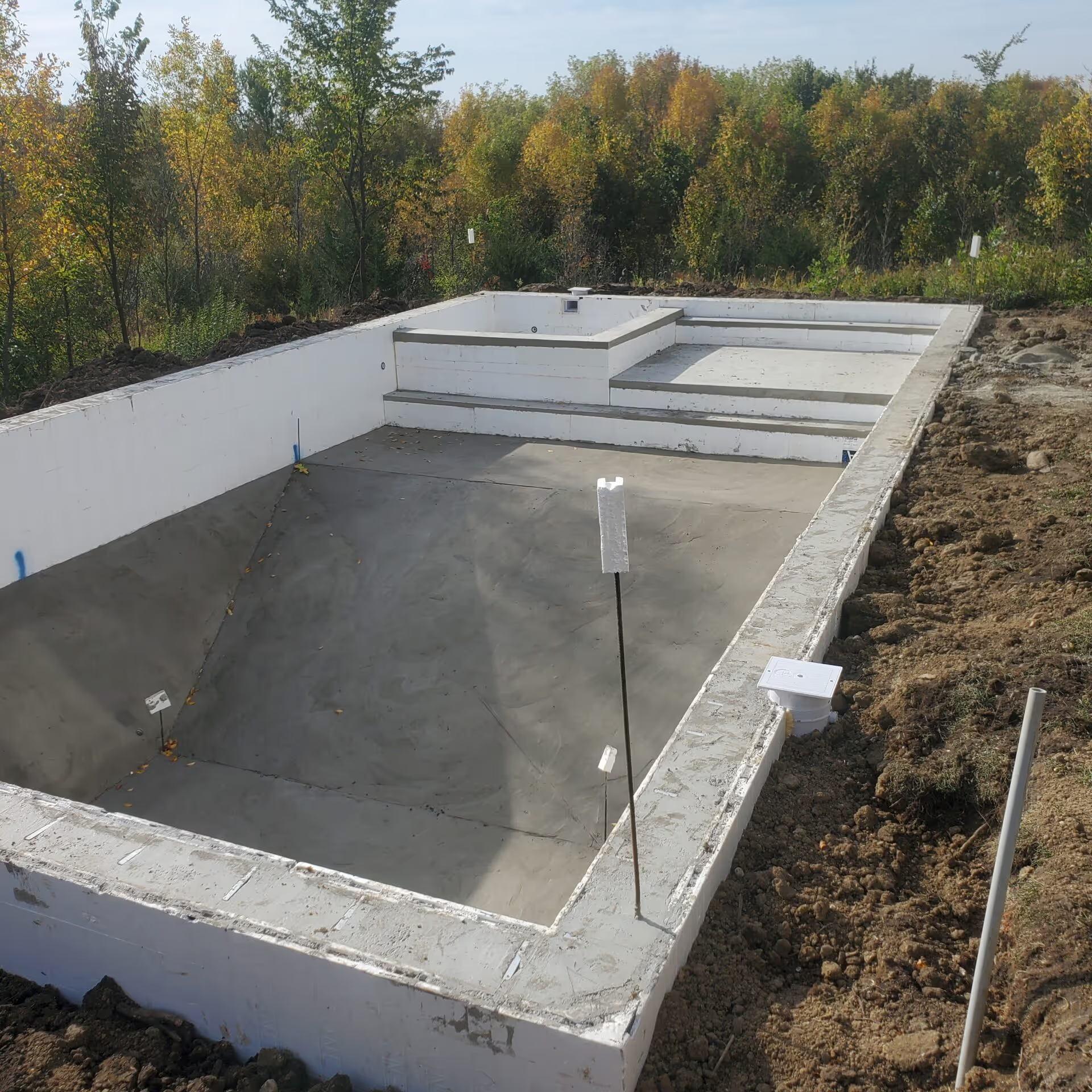
ICF Construction Advantage: Plan Pools' ICF (Insulated Concrete Form) construction makes light installation straightforward. The forms provide easy routing for electrical conduit, and the concrete pour completely encases all wiring for permanent protection. Steel wall pools require more complex light installation with greater risk of future issues.
Minnesota follows National Electric Code (NEC) requirements for pool lighting, which are strict for good reason:
Low Voltage Requirement: Pool lights must operate on 12V or 24V systems (not line voltage). This requires a transformer, typically located near the pool equipment.
GFCI Protection: All pool lighting circuits must have Ground Fault Circuit Interrupter protection to immediately cut power if any electrical fault occurs.
Bonding: All metal components within 5 feet of pool must be electrically bonded together and to the pool structure to prevent dangerous voltage gradients.
Junction Box Accessibility: Light junction boxes must be accessible without entering the pool or removing permanent structures, typically 8-12 inches above deck level, at least 4 feet from the pool edge.
Conduit Requirements: All wiring must run through approved conduit, never direct burial.
Plan Pools handles all electrical work in compliance with Minnesota code, coordinates required inspections, and ensures everything is completed before you take ownership of your pool.
Minnesota's harsh winters require proper winterization of pool lighting:
Water Level Management: Pool water level should be dropped below lights during winter to prevent ice damage to fixtures. Plan Pools recommends 18-24 inches below normal operating level for winter.
No Need to Remove Lights: Unlike some equipment, LED lights remain in place through winter. Draining below light level protects them from ice expansion.
Junction Box Protection: Ensure junction boxes have proper covers to prevent water infiltration during winter.
Spring Startup Verification: Test all lights during spring opening before raising water to operating level, ensuring no winter damage occurred.
Properly winterized, LED pool lights last decades through Minnesota's freeze-thaw cycles without issues.
LED pool lights require virtually no maintenance:
No Bulb Replacement: LEDs last 30,000-50,000 hours—15-25+ years of typical use. You'll likely never replace them.
Lens Cleaning: Occasionally wipe the lens face to remove any calcium buildup or algae growth. A soft cloth or gentle scrubbing is all that's needed.
Gasket Inspection: Every 5-10 years, inspect the lens gasket for deterioration. Replace if cracking or hardening is visible. This is rare with quality fixtures.
That's It: No filter changes, no bulb replacements, no complex service requirements.
Light Won't Turn On:
Colors Won't Change:
Dim or Flickering Light:
Water Inside Fixture:
Plan Pools provides detailed maintenance instructions and ongoing support for all lighting systems we install.
Basic Single LED Light: $400-$800 installed (including niche, fixture, transformer, and labor)
Multiple Lights: $300-$600 per additional light (sharing transformer and some installation costs)
Color-Changing vs. White: Color-changing LEDs cost $100-$200 more per fixture than white-only, but this is a one-time expense for decades of versatility.
Advanced Controls: $0 (basic wireless remote included) to $1,500+ (full automation system)
For typical Plan Pools installations in Lakeville, Eden Prairie, Prior Lake, or throughout the Twin Cities:
Electricity Usage: LED pool light: 30-50 watts
Operating 4 hours/evening x 100 days = 400 hours annually30W x 400 hours = 12 kWh per year per light
At Minnesota's average electricity rate (~$0.14/kWh):12 kWh x $0.14 = $1.68 per year per light
Even with multiple lights running every evening throughout the season, annual electricity cost is under $10. Compare this to the $200-$400 annual cost of operating incandescent pool lights.
Consider the 20-year cost comparison:
LED System (2 lights):
Incandescent System (2 lights):
LED lighting pays for itself within 5-7 years, then provides decades of nearly-free operation.
If your pool includes water features, dedicated lighting dramatically enhances their impact:
Underwater Lights: Positioned beneath waterfalls illuminate falling water from below, creating glowing cascades
Behind-the-Falls Lighting: Lights positioned behind water curtains create dramatic backlighting effects
Fountain Spotlights: Small accent LEDs trained on fountain spray create dancing water effects
These specialty lights use the same LED technology as pool lights but in smaller, focused fixtures designed for specific applications.
Pools with beach entries, tanning ledges, or swim-out areas benefit from dedicated lighting:
Shallow Area Lights: Smaller fixtures designed for 6-12 inch depths illuminate shallow features without protruding above water surface
Step Edge Lighting: LED strip lighting along step edges provides both safety and sophisticated aesthetics
Perimeter Accent Lighting: Small LEDs spaced along the perimeter of tanning ledges create defined spaces within the pool
With RGB LED technology, you can create themed lighting for special occasions:
Holiday Themes:
Sports Team Colors: Program your team's colors for game day entertaining
Party Modes: Dynamic color-changing shows for celebrations
Relaxation Mode: Soft blue or turquoise with slow transitions for peaceful evening swims
The control systems remember favorite settings, making it easy to recall perfect lighting for any occasion.
Proper lighting is essential for safe evening swimming:
Clear Water Visibility: See swimmers clearly throughout the pool depth
Edge Definition: Clearly visible pool edges, steps, and benches prevent accidents
Hazard Identification: Spot any foreign objects or hazards in the pool
Emergency Response: If an incident occurs, adequate lighting enables quick, effective response
Minnesota law and insurance requirements recognize lighting as an essential safety feature, not an optional luxury.
Illuminated pools contribute to overall property security:
Deterrence: Well-lit areas discourage trespassing and unauthorized pool use
Visibility: Clearly visible backyard reduces hiding spots for potential intruders
Evening Usability: Lighting that's regularly used creates the impression of an occupied, monitored property
Integration with Security Systems: Pool lighting can integrate with motion sensors or security system activation
Many insurance carriers offer modest premium reductions for pools with proper safety features including adequate lighting. More importantly, proper lighting reduces liability risk—critical for Minnesota pool owners concerned about premises liability.
Technically yes, but it's expensive and complex. Retrofitting requires cutting through finished pool surfaces, installing niches, running new conduit, and refinishing. Cost is typically 3-5 times higher than installing during construction. This is why Plan Pools includes quality lighting as standard—don't skip it during construction thinking you'll add it later.
Absolutely. LEDs actually perform better in cold water than in warm. The electronics are sealed and waterproof regardless of temperature. LED lights function flawlessly from pool opening in May (water often 60-65°F) through closing in September.
For safety and usability, aim for 250-400 lumens minimum for small pools, 500-800 lumens for medium pools, and 800-1,200+ lumens for large pools. Modern LEDs easily provide this output while remaining energy-efficient.
Many modern LED pool light systems integrate with Control4, Savant, Crestron, or other home automation platforms. Automation can also integrate with Alexa, Google Home, or Apple HomeKit. Discuss integration requirements with your pool builder during the design phase.
LEDs have extremely long lifespans (30,000-50,000 hours), but if failure occurs, the fixture is typically replaced as a unit rather than individual components being repaired. Quality LED lights like those Plan Pools installs often include multi-year warranties covering replacement.
Color-changing LEDs cost slightly more initially but provide infinite flexibility. Most Minnesota pool owners who choose white-only lights later wish they'd upgraded to color. Since LED lights last 20+ years and can't be easily replaced, we strongly recommend color-changing LEDs—the versatility is worth the modest upfront difference.
Minnesota's compressed swimming season makes every possible pool hour precious. Quality LED lighting effectively adds hundreds of hours to your usable pool time each season—the equivalent of extending your season by several weeks without any heating cost increase.
More than that, lighting transforms your pool from a daytime-only feature into a true outdoor entertainment destination. Evening swimming, poolside gatherings, romantic nighttime ambiance, and safe family fun all become accessible with proper illumination.
At Plan Pools, we've perfected pool lighting design for Minnesota conditions. Our ICF construction provides the ideal foundation for clean, permanent light installation, and our premium LED systems deliver brilliant, reliable illumination for decades with minimal energy use and virtually zero maintenance.
When you build your pool with Plan Pools, you're not just getting superior ICF construction that saves 60% on heating costs—you're getting comprehensive design that maximizes every aspect of pool enjoyment, including evening usability through expert lighting integration.
Ready to extend your swimming season and create the ultimate evening entertaining space? Contact Plan Pools today. We'll design a lighting system tailored to your pool, your property, and how you want to use your backyard oasis.
Because the best pools aren't just beautiful during the day—they're spectacular at night, providing family memories long after the sun goes down. That's what we build at Plan Pools, throughout Lakeville, Prior Lake, Eden Prairie, Maple Grove, and the entire Twin Cities metro area.