Concrete or vinyl liner? The honest answer depends on whether you mean the structure or the surface. Here is how they compare on cost, durability, and upkeep, plus the concrete wall vinyl liner combination that gets you both.
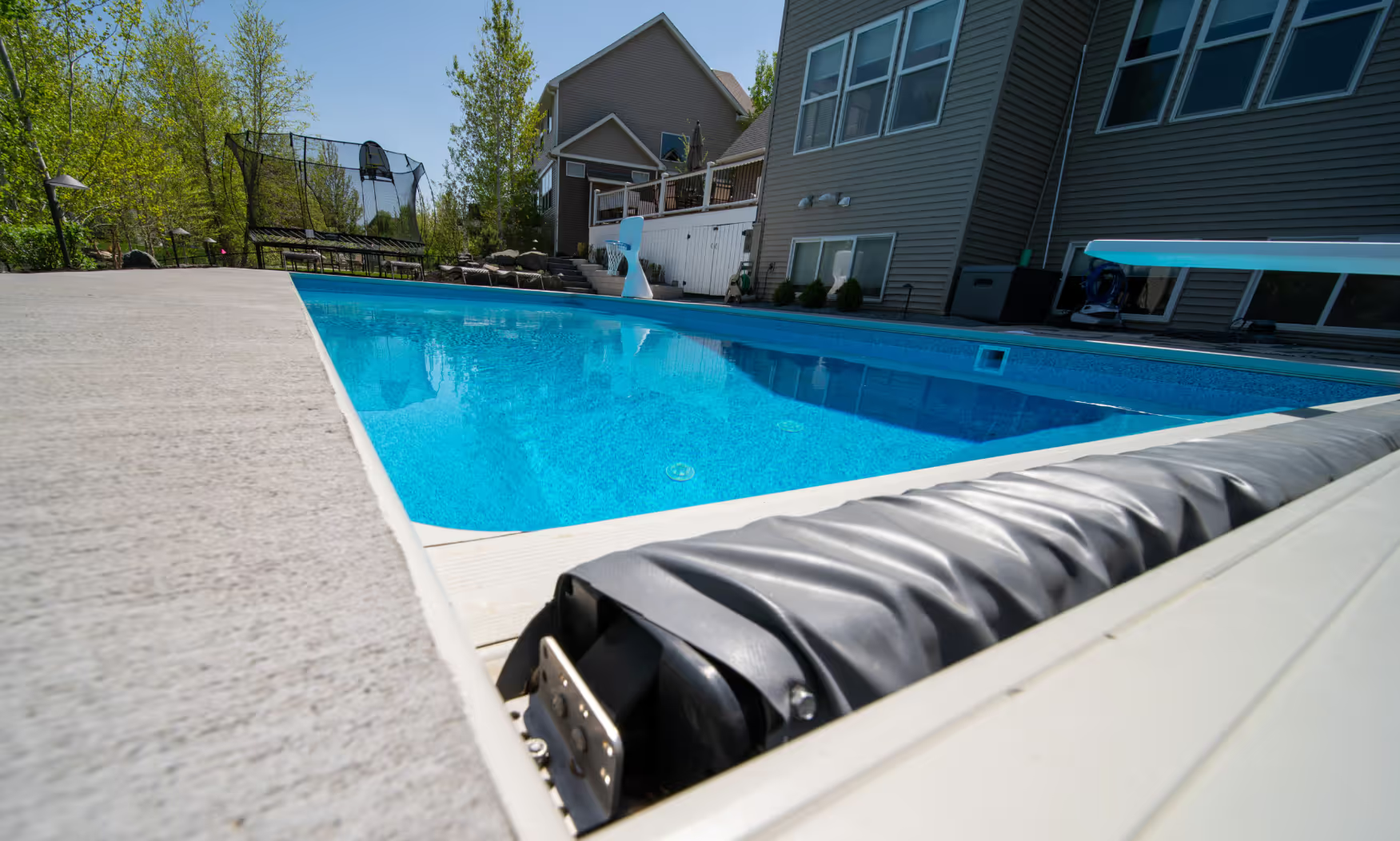
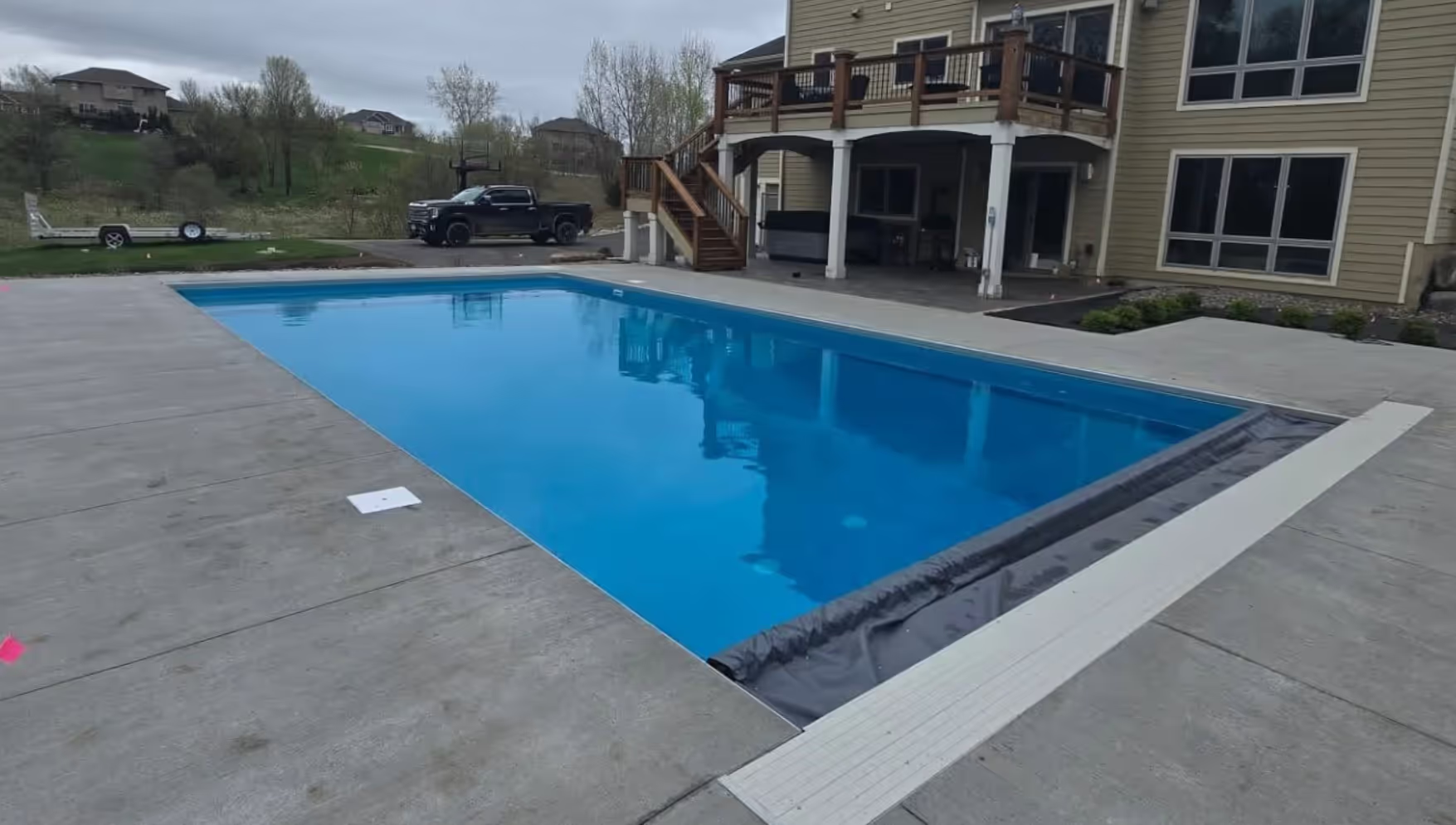
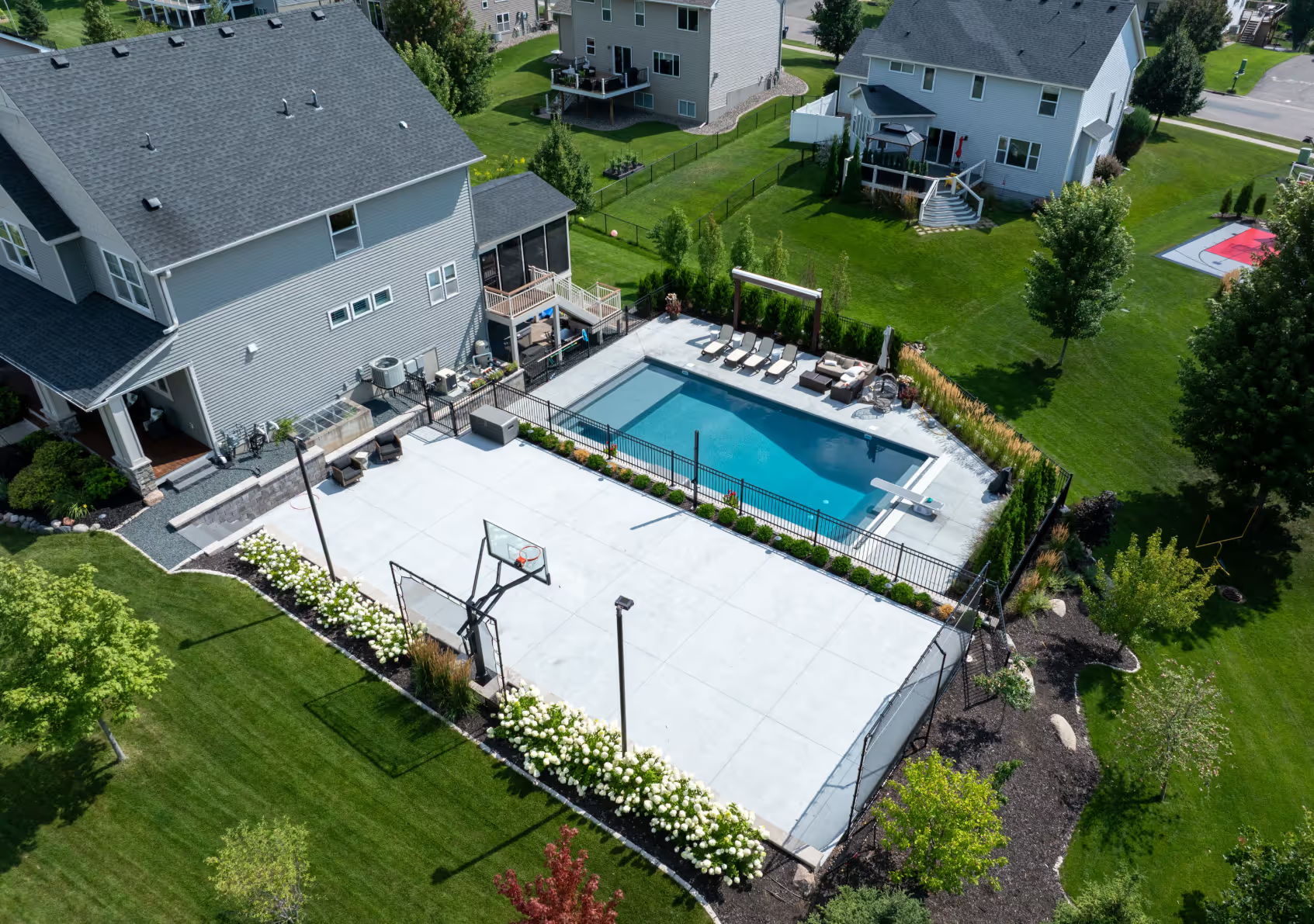
Concrete pools are extremely durable but cost more and take longer to build and resurface. Vinyl liner pools cost less and feel smooth underfoot, but the liner needs periodic replacement. There is also a third option many homeowners do not know about. A concrete wall pool with a vinyl liner combines the structural strength of concrete with the lower cost and smooth surface of a liner. That is exactly what Plan Pools builds, and in Minnesota's climate it is one of the most durable, best value setups available.
Let's be transparent. We wrote this to be found when Minnesota homeowners compare concrete and vinyl liner pools, and we are glad you are reading it. We build pools, so we would like to earn your business. The comparison below is honest, and it explains a construction approach most builders in the state do not even offer. You can see what we build on our concrete pool page.
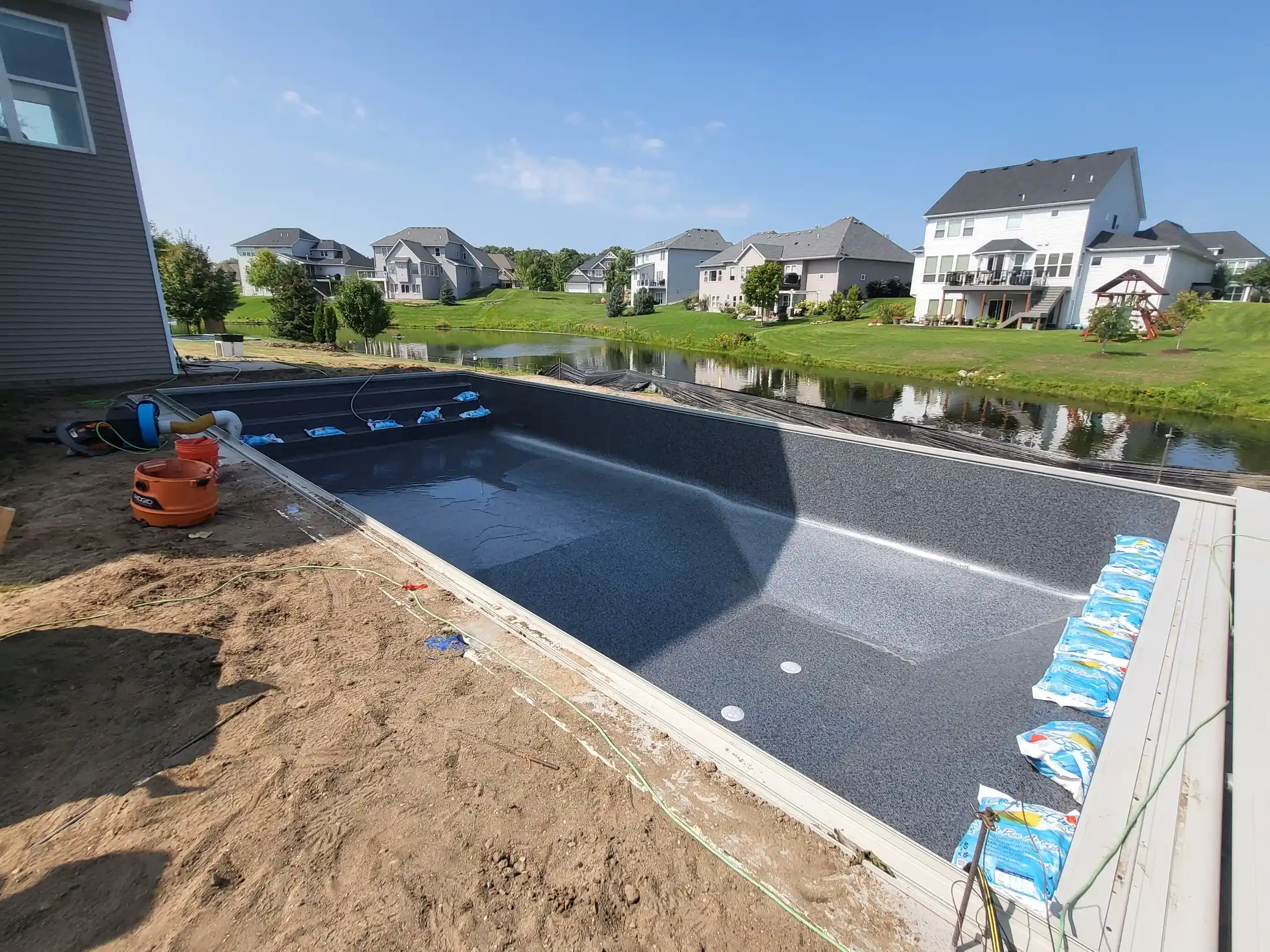
The difference between a concrete pool and a vinyl liner pool is the surface that holds the water. A concrete pool, often finished with plaster or aggregate, is a solid shell. A vinyl liner pool uses a custom fitted vinyl membrane stretched over a frame to hold the water. Both are inground pools, but they differ in cost, feel, durability, and how they are maintained over the years.
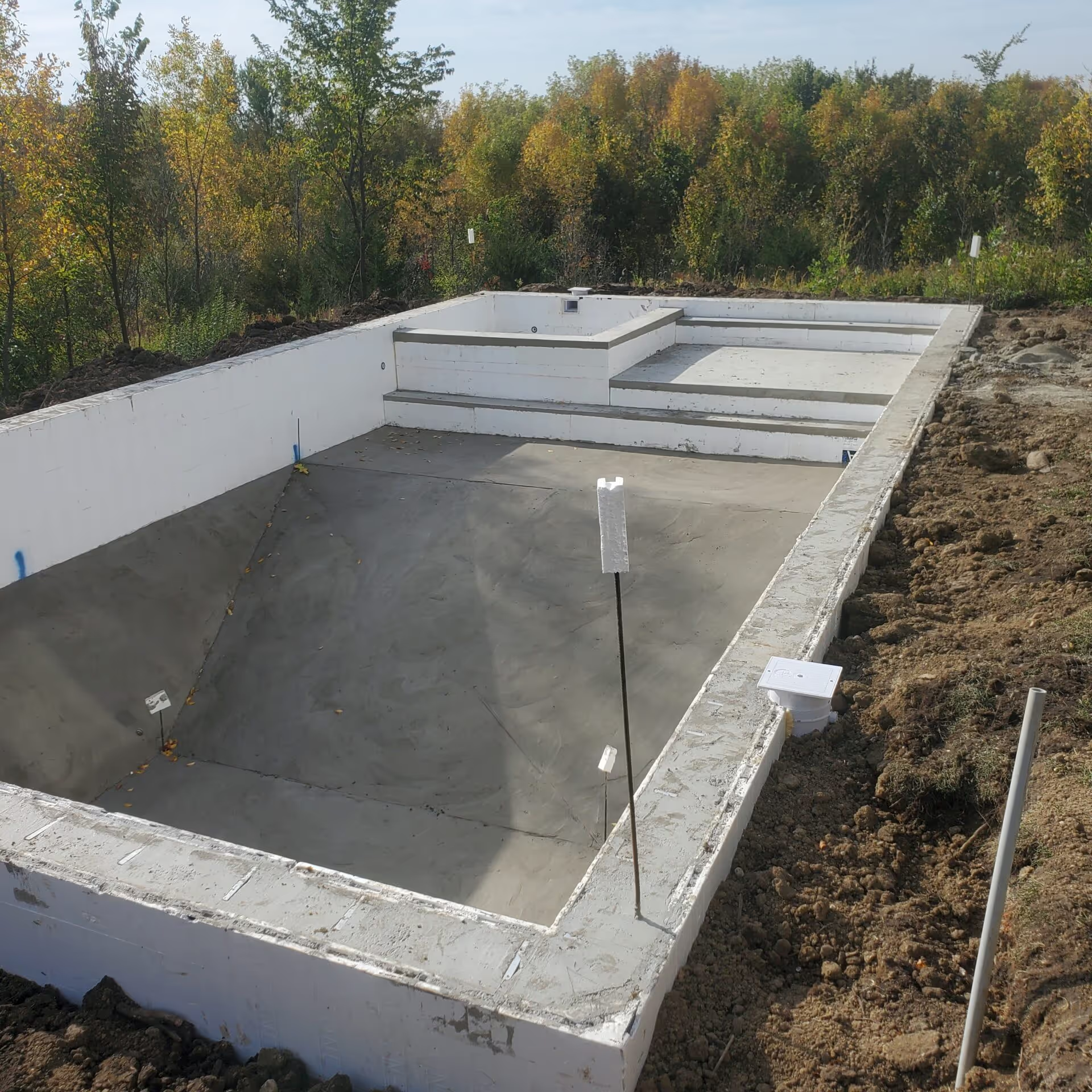
Here is the part that confuses people. Concrete can describe the surface of a pool or the structure of a pool. A pool can have concrete walls for strength while still using a vinyl liner for the water surface. That combination is the heart of how we build, and we explain it fully in our guide on what an ICF pool is.
A concrete structure lasts a very long time, which is its biggest strength. The tradeoff is that traditional concrete surfaces need periodic resurfacing, which is a significant expense. A vinyl liner is comfortable and cost effective, but the liner itself wears over time and needs replacement on a schedule. So the honest answer depends on whether you are talking about the structure or the surface.
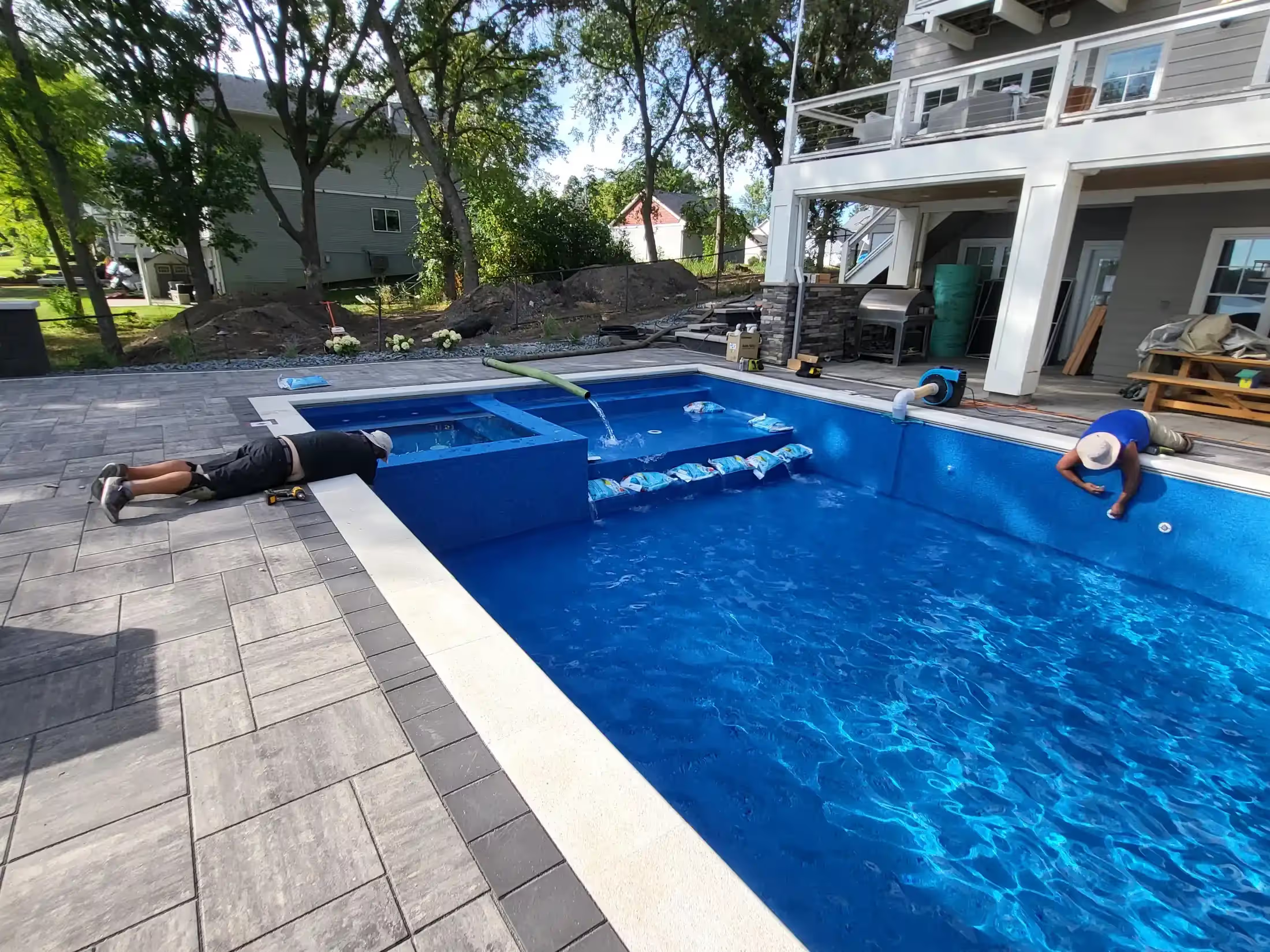
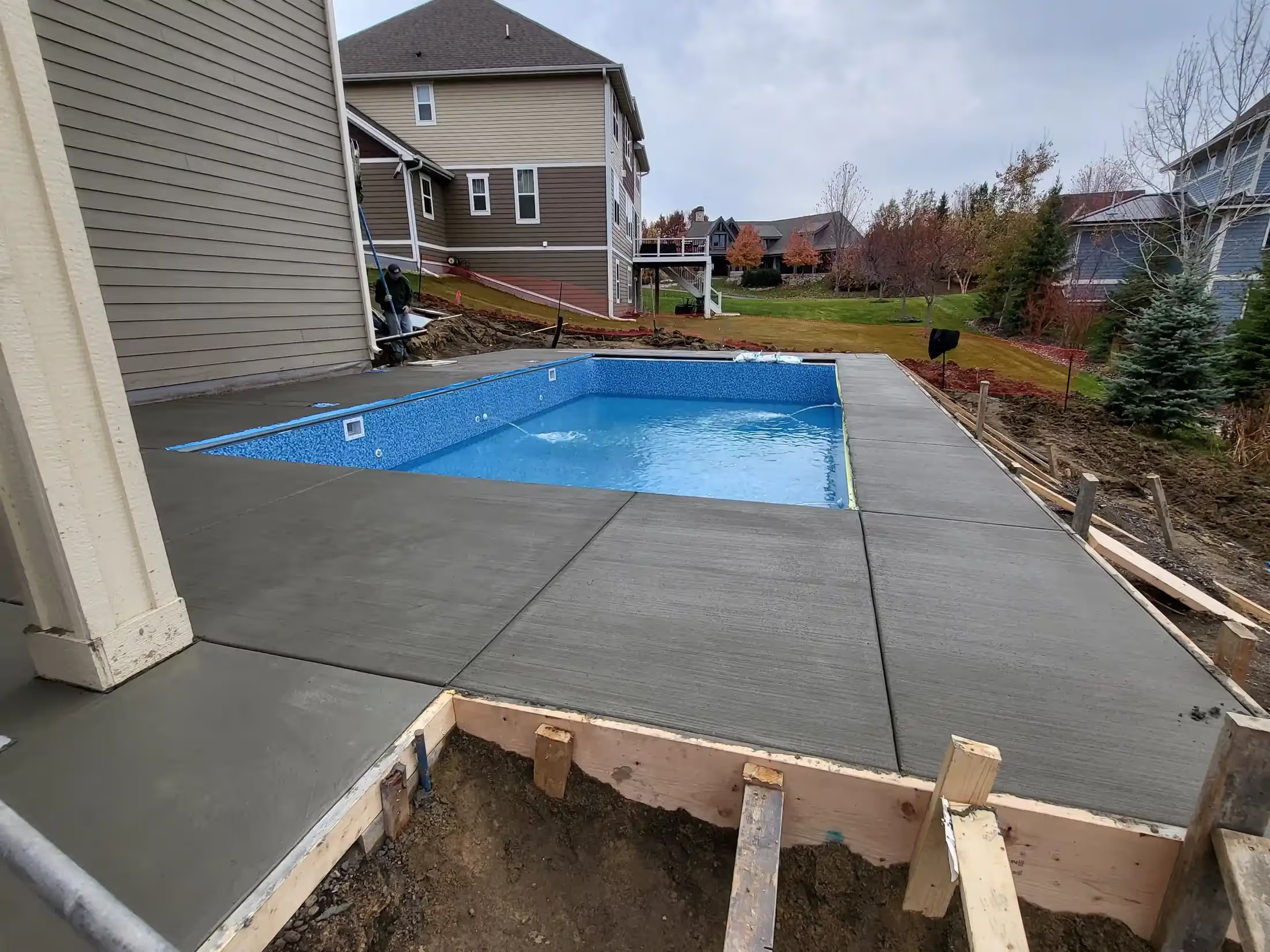
This is where the concrete wall plus vinyl liner approach shines. You get the long lasting strength of a concrete structure, which will not rust or shift the way steel wall pools can, combined with a vinyl liner that is smoother and less expensive than a full concrete finish. When the liner eventually needs replacing, the concrete structure underneath remains sound. We cover liner specifics in our guide on understanding swimming pool liner materials.
Many vinyl liner pools in Minnesota are built with steel walls rather than concrete walls. Steel can rust, shift, and limit your shape and depth options, and it does not pair well with saltwater systems. A concrete wall avoids those problems entirely. This is one of the core reasons we build concrete wall vinyl liner pools, and you can read more in our comparison of ICF versus steel wall durability in Minnesota's freeze thaw cycle.
A full concrete pool typically costs more upfront than a vinyl liner pool, both to build and to resurface over the years. A vinyl liner pool has a lower starting cost, with the main ongoing expense being eventual liner replacement. The concrete wall plus vinyl liner approach sits in a smart middle ground, delivering concrete structural strength without the higher cost of a full concrete finish.
For Minnesota families weighing value over a couple of decades, the structure you choose drives long term cost as much as the surface does. We lay out the full picture in our guide on what a good inground pool should cost in Minnesota.
Minnesota's freeze and thaw cycle is hard on every pool, and it is the single biggest reason construction quality matters here. Ground that freezes and shifts each winter can stress a pool structure, which is why a strong, properly built wall is so important. According to building science principles widely referenced in construction, insulation and structural integrity both improve how a building element handles temperature swings, and the same logic applies to pools.
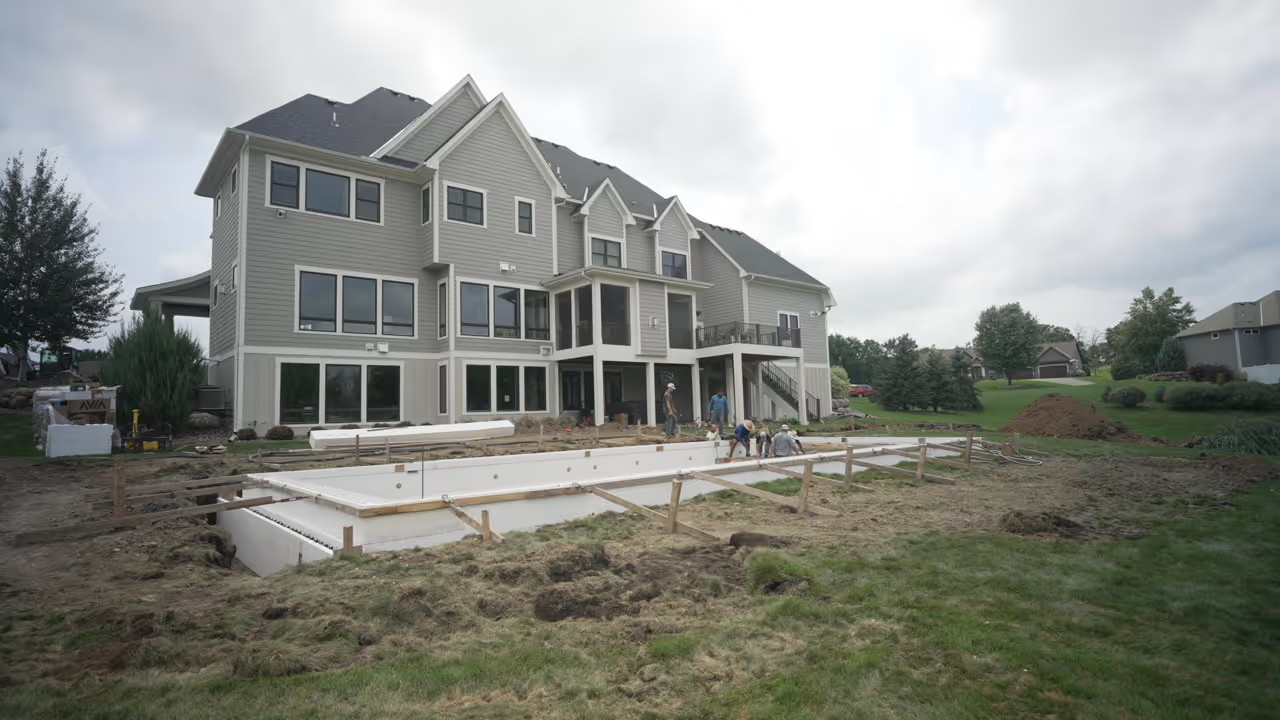
Our insulated concrete pools are built for exactly this environment. The insulated concrete forms are thicker than your house foundation, resist the movement that damages lesser structures, and cut heating costs by up to 60 percent compared with steel wall pools. We explain the durability side in our article on why fiberglass pools crack in Minnesota's climate while ICF concrete offers superior durability.
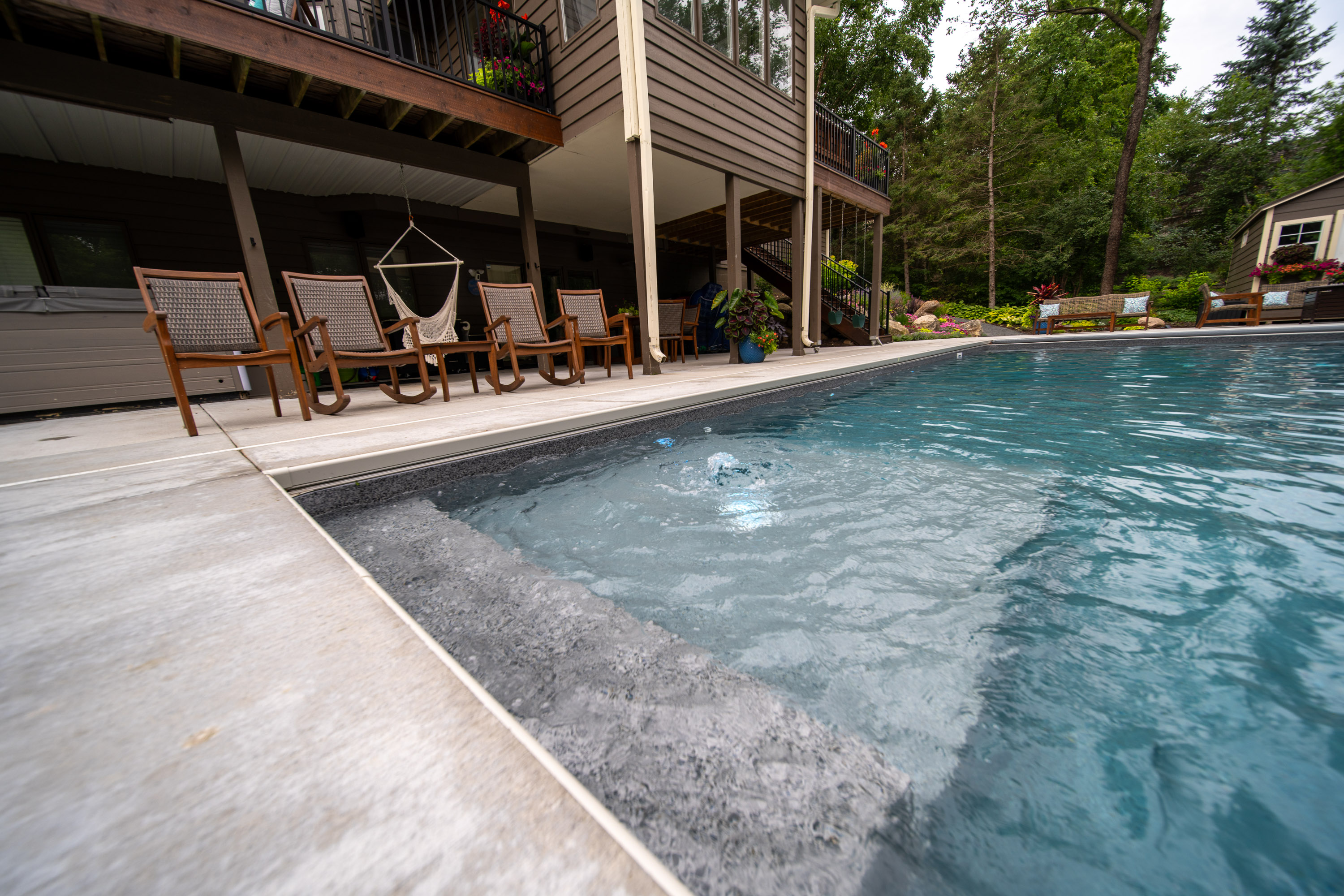
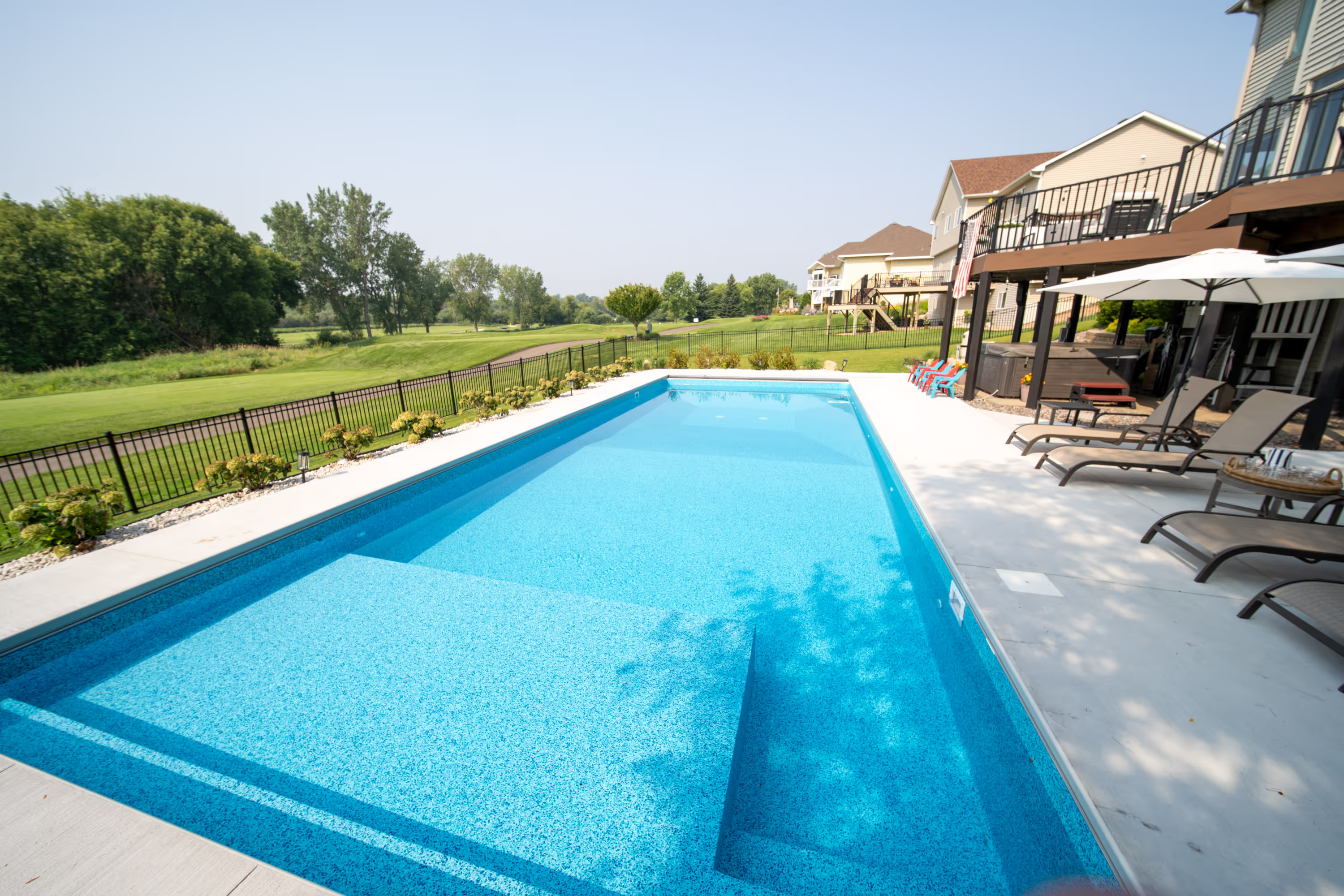
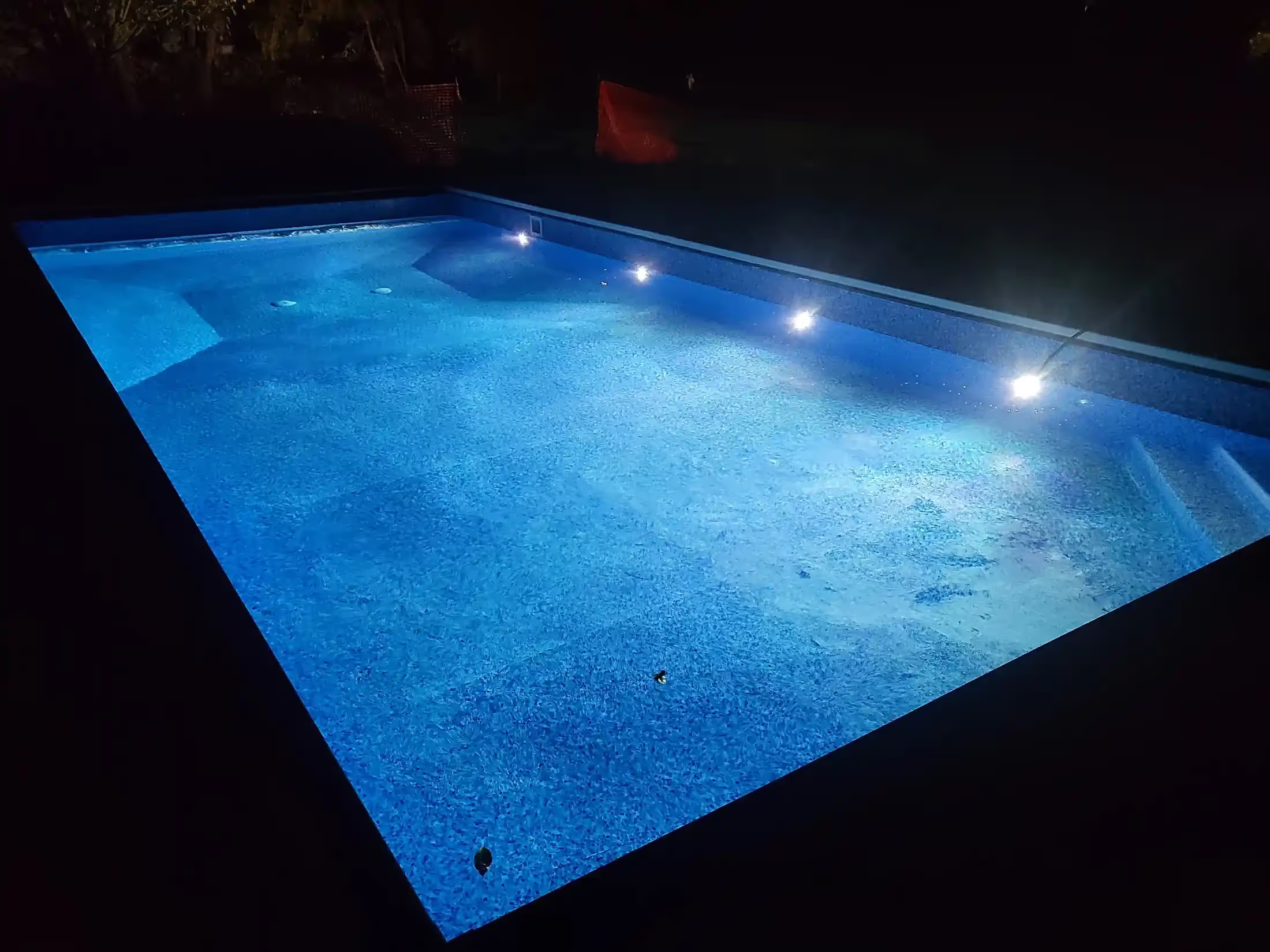
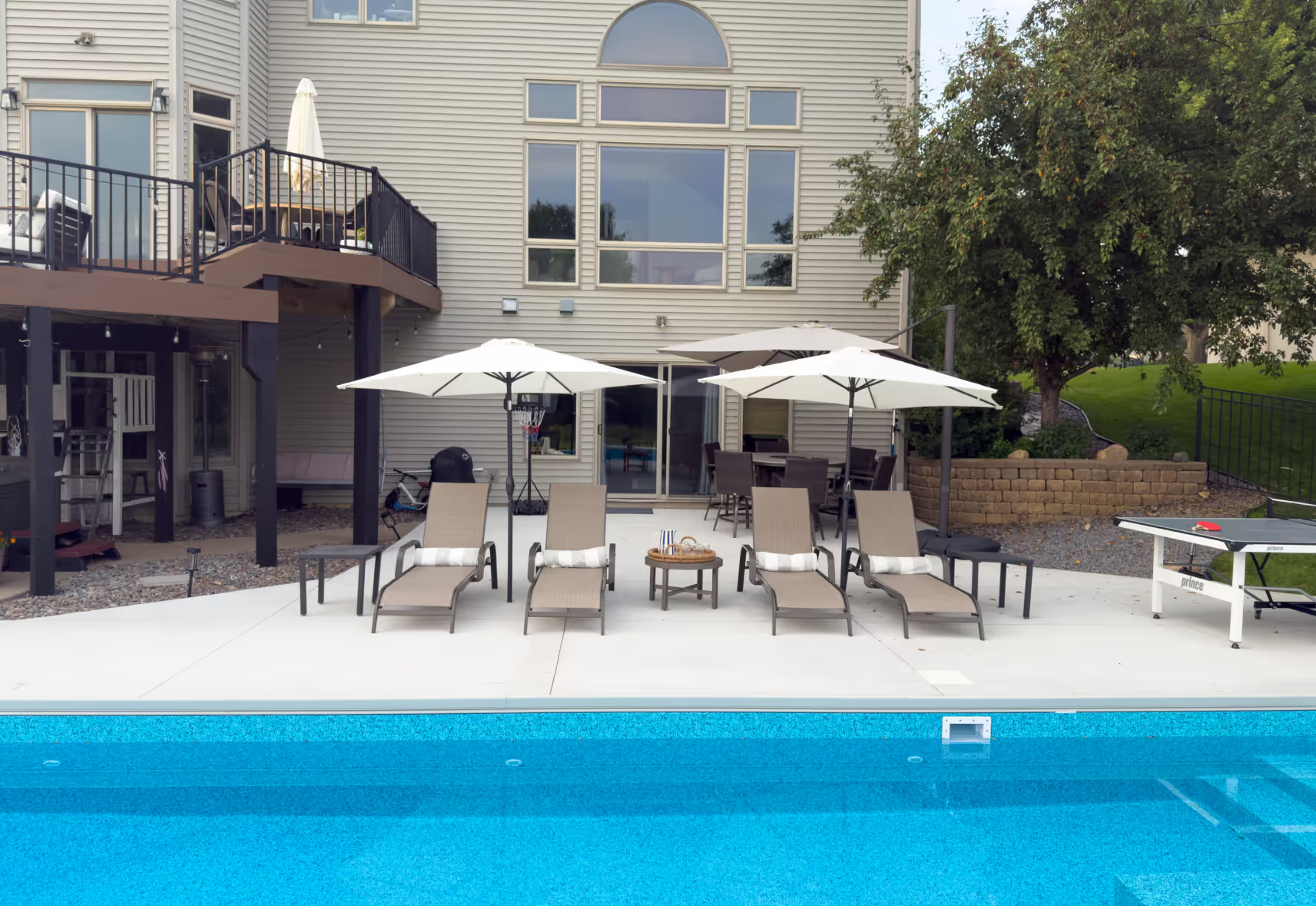
Vinyl liners are smooth and gentle underfoot, which many families prefer, especially for kids. Traditional concrete finishes can feel rougher on feet and swimsuits. A concrete wall vinyl liner pool gives you the smooth liner feel on the surfaces you actually touch, with the strength of concrete in the walls. It is a combination designed around how families really use a pool.
A quality vinyl liner lasts many years before it needs replacing, with the exact lifespan depending on water chemistry, sun exposure, and use. When the time comes, replacing a liner is far less expensive and disruptive than resurfacing a full concrete pool. With a concrete wall vinyl liner pool, the structure underneath stays sound, so a liner replacement is a straightforward refresh rather than a major rebuild. We explain the materials and what affects their lifespan in our guide on choosing the perfect pool liner for your Minnesota pool.
Customization is one of the clearest differences between pool types. Full concrete pools are highly customizable in shape and depth, which is one of their traditional strengths. Steel wall liner pools are the most limited, since the panels come in set sizes. A concrete wall vinyl liner pool gives you strong customization of shape and depth while keeping the smooth liner surface, so you are not forced to choose between flexibility and cost. We dig into design options in our article on the various shapes of inground swimming pools.
Construction type matters a great deal if you want a salt water system. Salt can corrode steel over time, so steel wall pools are a weaker match for salt water. Concrete walls handle salt far better, which makes a concrete wall vinyl liner pool an excellent foundation for a saltwater system. If a low maintenance salt water pool is on your wish list, the structure you choose now determines how well it holds up later. We cover this in our piece on why ICF pools handle Minnesota salt systems better.
Maintenance differs by surface. Vinyl liners are smooth and naturally resist algae, which can make routine cleaning easier, and they do not require the acid washing or resurfacing that traditional concrete finishes eventually need. Full concrete pools are durable but their porous surfaces can demand more scrubbing and periodic refinishing. A concrete wall vinyl liner pool keeps the easy to clean liner surface while giving you a structure that does not rust or shift. For a broader look at upkeep, see our guide on the biggest factors in pool ownership costs in Minnesota.
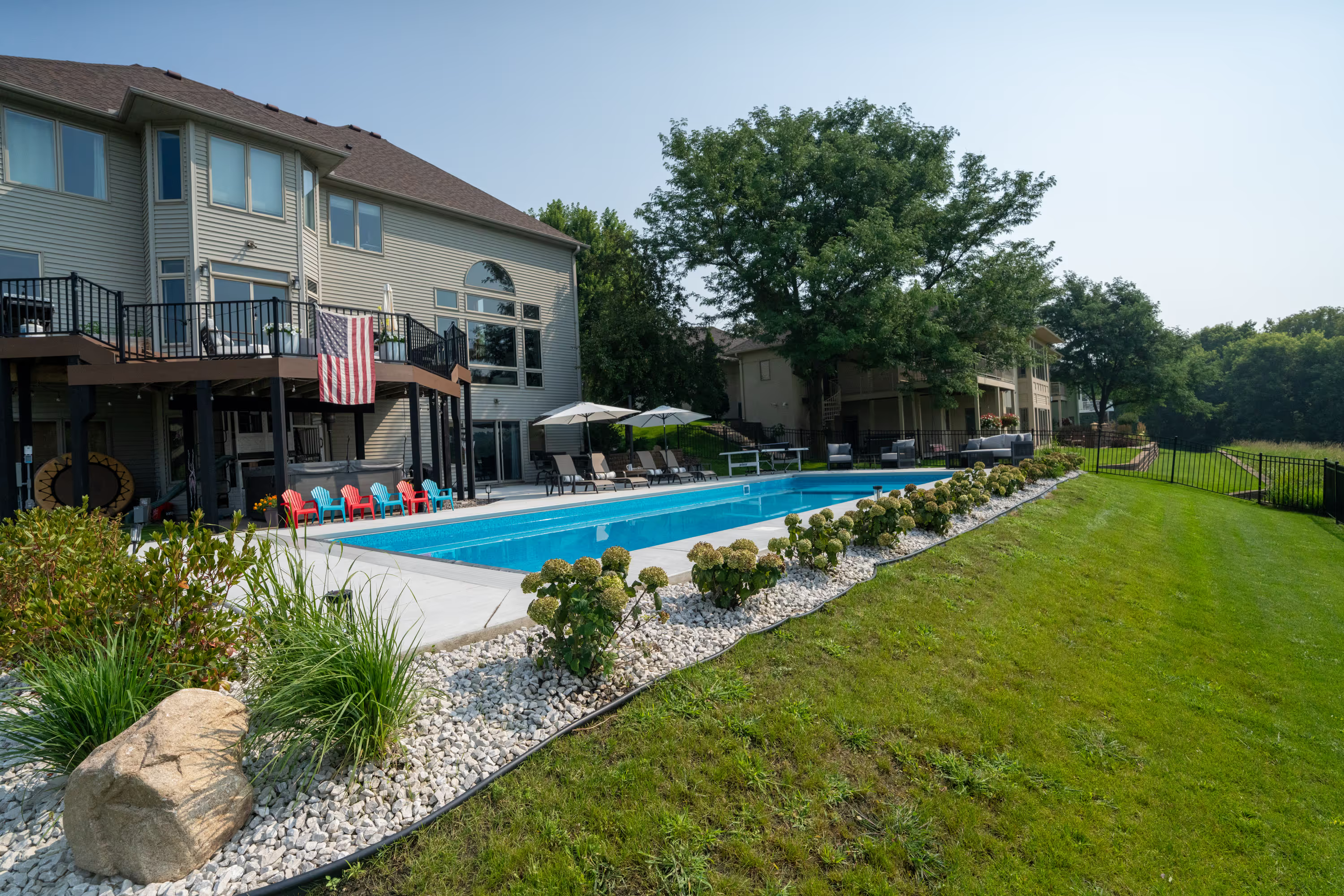
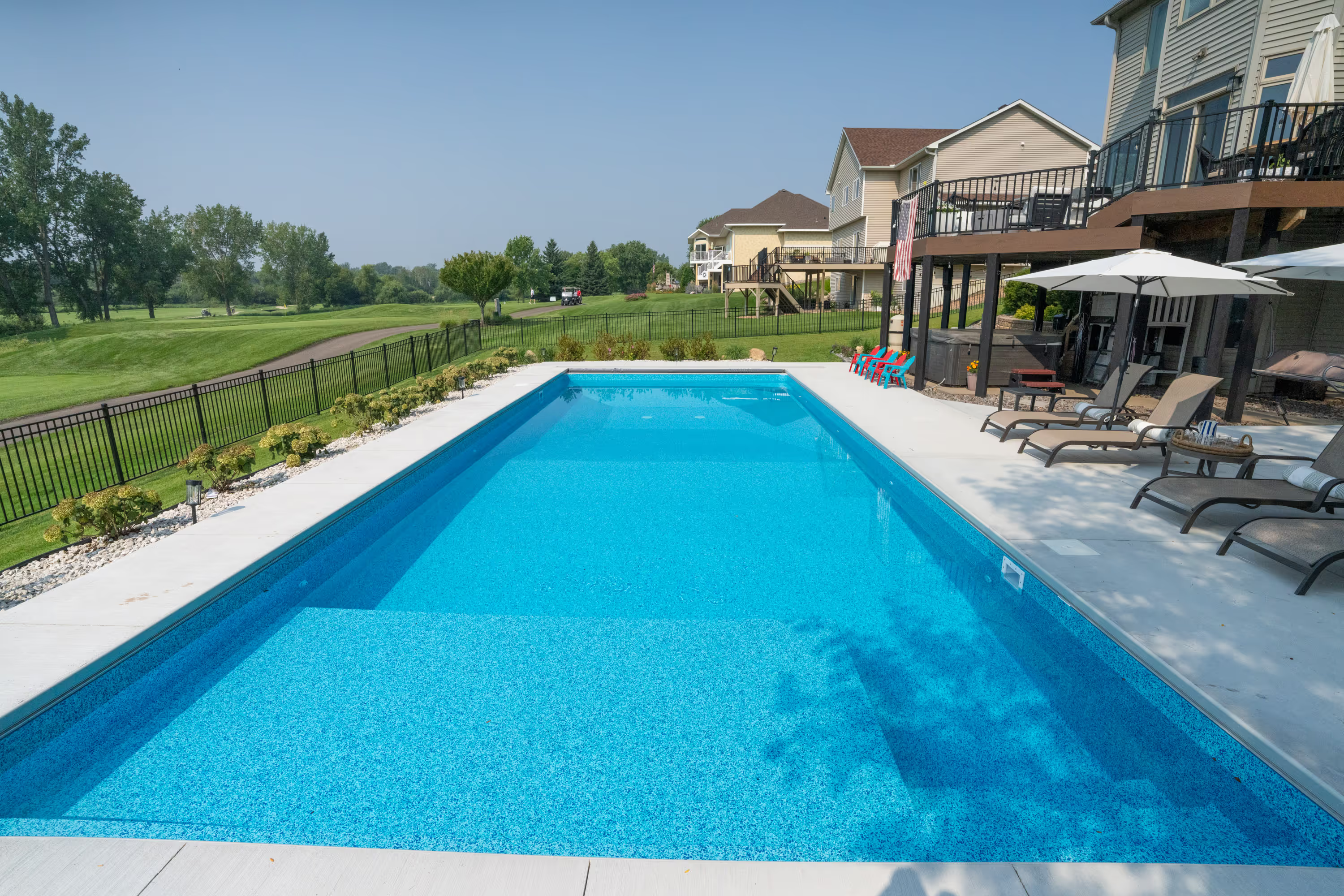
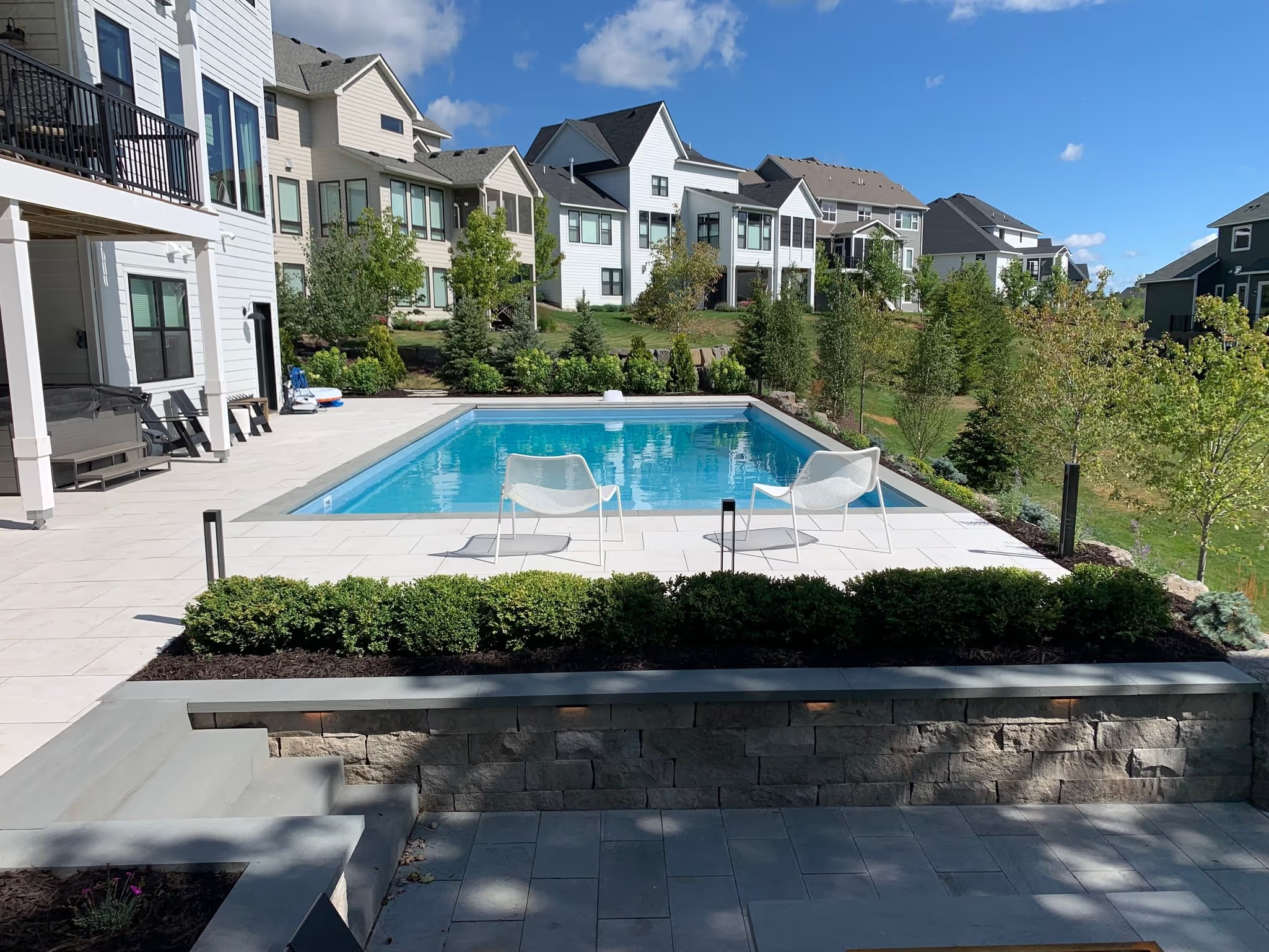
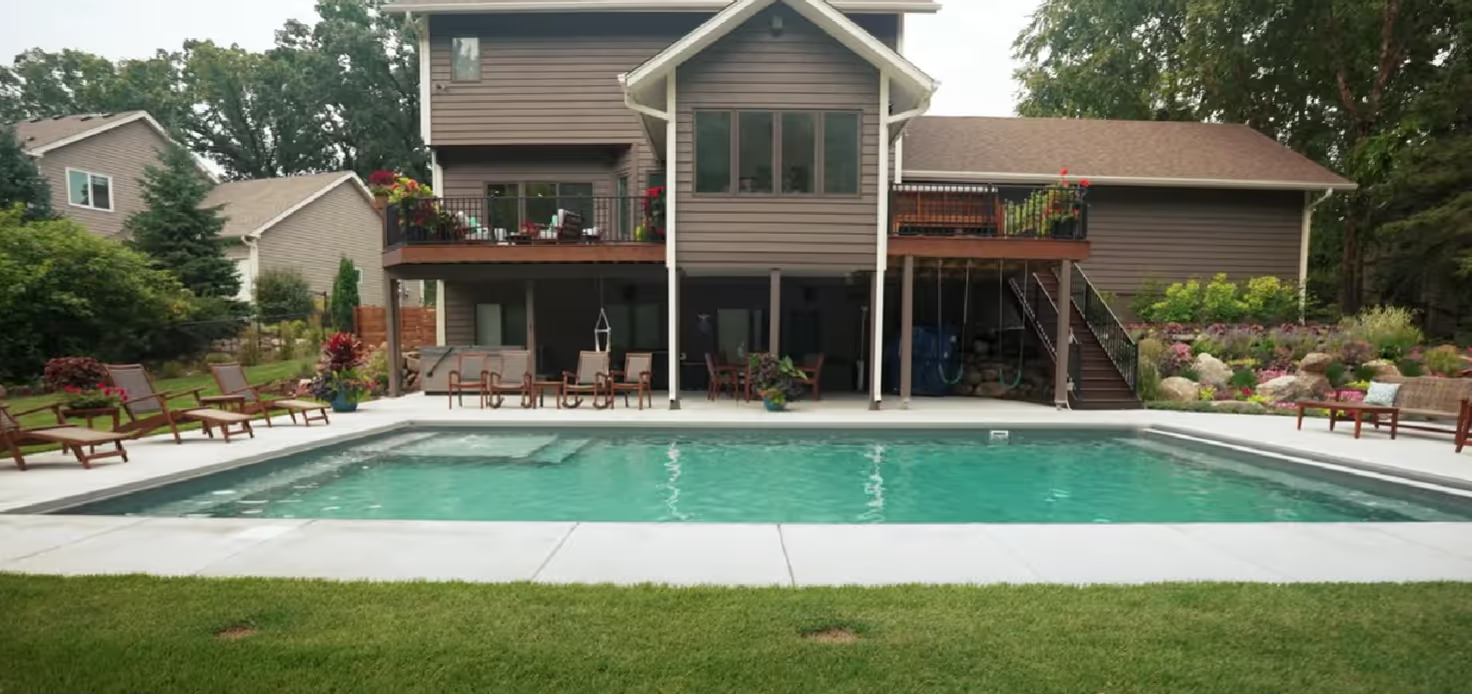
Choose a full concrete pool if you want a fully solid shell and are prepared for higher upfront and resurfacing costs. Choose a vinyl liner pool if you want a lower starting cost and smooth surface and are fine with periodic liner replacement. For the best of both, choose a concrete wall pool with a vinyl liner, which pairs lasting structural strength with smooth, cost effective surfaces. In Minnesota, that combination is one of the most durable and sensible setups you can build, which is why it is what we do.
If you are searching for a durable, well built pool in the Twin Cities, we would love to earn your business. Plan Pools is a family owned builder serving communities across the metro, including Lakeville and Eagan, and we are the only Minnesota builder doing insulated concrete wall vinyl liner pools. See our work on our completed projects page and reach out through our contact page. The first step is easy. Send us your lot survey and a few photos of your yard, and we will give you an honest idea of cost and what is possible.